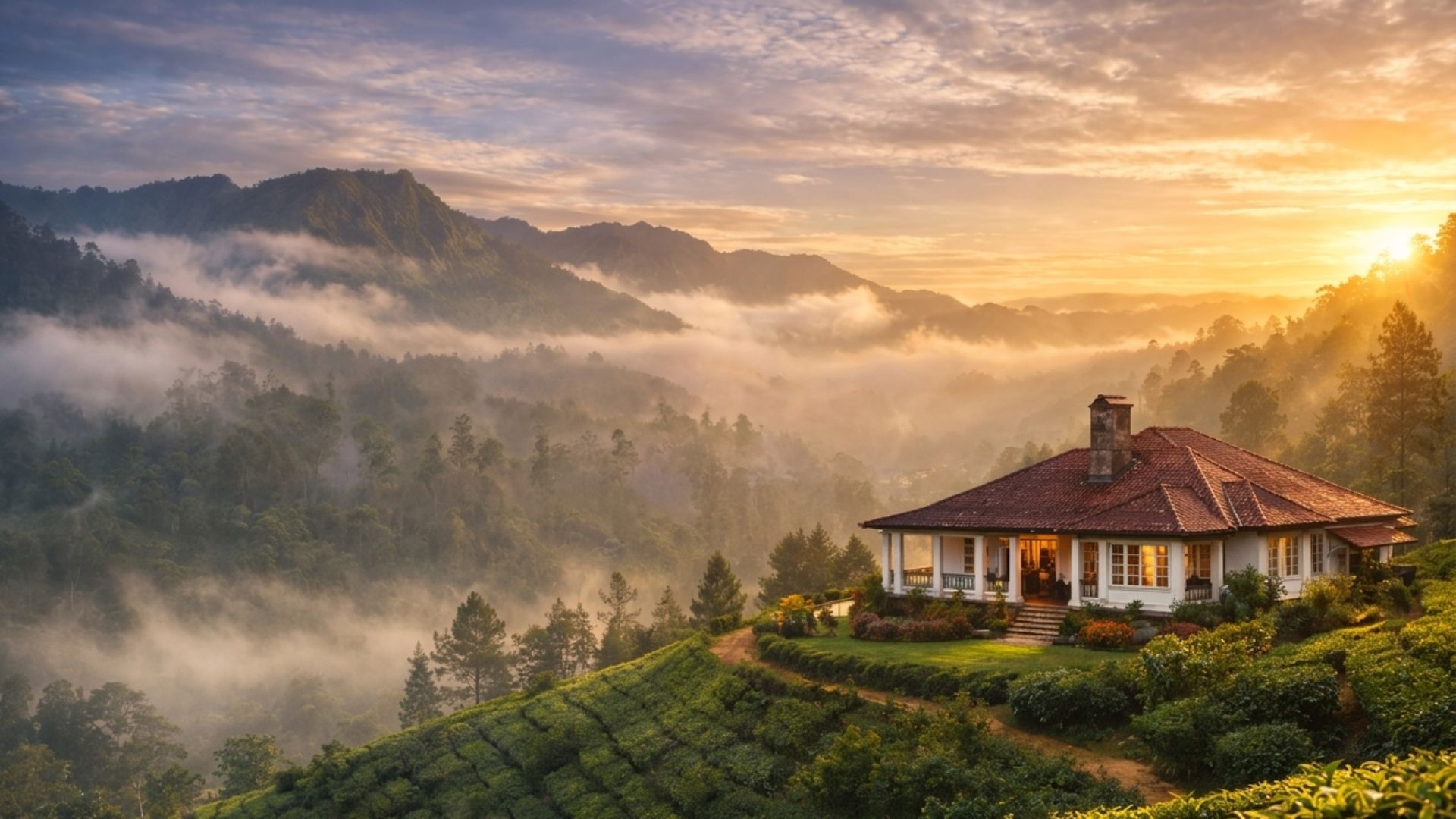
Ella is one of Sri Lanka’s most fascinating ecological zones because it sits at the intersection of multiple microclimates. Within a short radius, the temperature, humidity, wind flow, and rainfall patterns shift dramatically—sometimes within minutes or across a single mountain ridge. These variations create a mosaic of habitats that support both world-famous high-grown tea and some of the island’s richest montane forest biodiversity.
This article explores how Ella’s unique microclimates emerge, how they influence tea cultivation, and why they are crucial for preserving the region’s rare plants, animals, and forest ecosystems.
The Geography Behind Ella’s Microclimates
Ella lies at a transitional elevation of roughly 1,000–1,300 metres above sea level. It is bordered by deep valleys, sudden escarpments, cloud forests, and open plains. This mixed topography forces air to move in different ways—cooling rapidly in some places, heating in others, and condensing into mist or rain depending on the time of day.
Three major factors shape Ella’s microclimates:
1. Elevation Gradients
Higher elevations receive cooler air and more frequent mist. Lower pockets, even just a few hundred metres down, can feel warmer and drier. This gradient creates distinct ecological conditions for tea and forest ecosystems.
2. Wind Tunnels
Ella Gap acts as a natural wind corridor that pulls in moisture from the southern coast. As warm air rises, it cools sharply, creating sudden shifts in temperature and mist density—ideal for cloud forest growth.
3. Monsoon Interactions
Ella is exposed to both the southwest and northeast monsoons, though in different intensities. This creates seasonal variations in moisture availability, influencing plant growth cycles and animal behaviour.
Why Microclimates Matter for High-Grown Tea
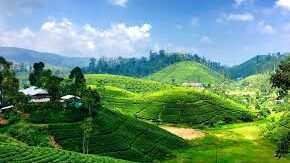
Tea thrives on environmental subtlety. The finer the climate variations, the more complex and aromatic the tea becomes. Ella, sitting between mid-grown and high-grown zones, produces leaves with a distinctive flavour profile, largely shaped by microclimate conditions.
Cool Morning Mists
Morning fog slows leaf growth, allowing more time for chemical compounds—especially catechins, theaflavins, and aromatic oils—to develop. This results in lighter, more fragrant teas.
Warm Midday Sun
After mist lifts, controlled sunlight encourages photosynthesis, providing the energy needed for healthy shoots. Too much heat dries the leaves, but Ella’s balanced warmth is ideal.
Evening Temperature Drops
Sharp temperature dips at dusk stress the tea plants gently, boosting flavour intensity. This diurnal variation is one of the key reasons Ella tea is prized.
Micro-Rainfall Patterns
Some slopes receive frequent mist-drizzle while others stay relatively dry. Estate managers choose specific cultivars for each zone, tailoring harvesting cycles to micro-rain events.
The result:
Tea estates in Ella benefit from flavour diversity—one small valley may produce a floral note, another a crisp, citrusy cup—all due to subtle climate differences.
Cloud Forests: The Other Beneficiaries of Microclimates
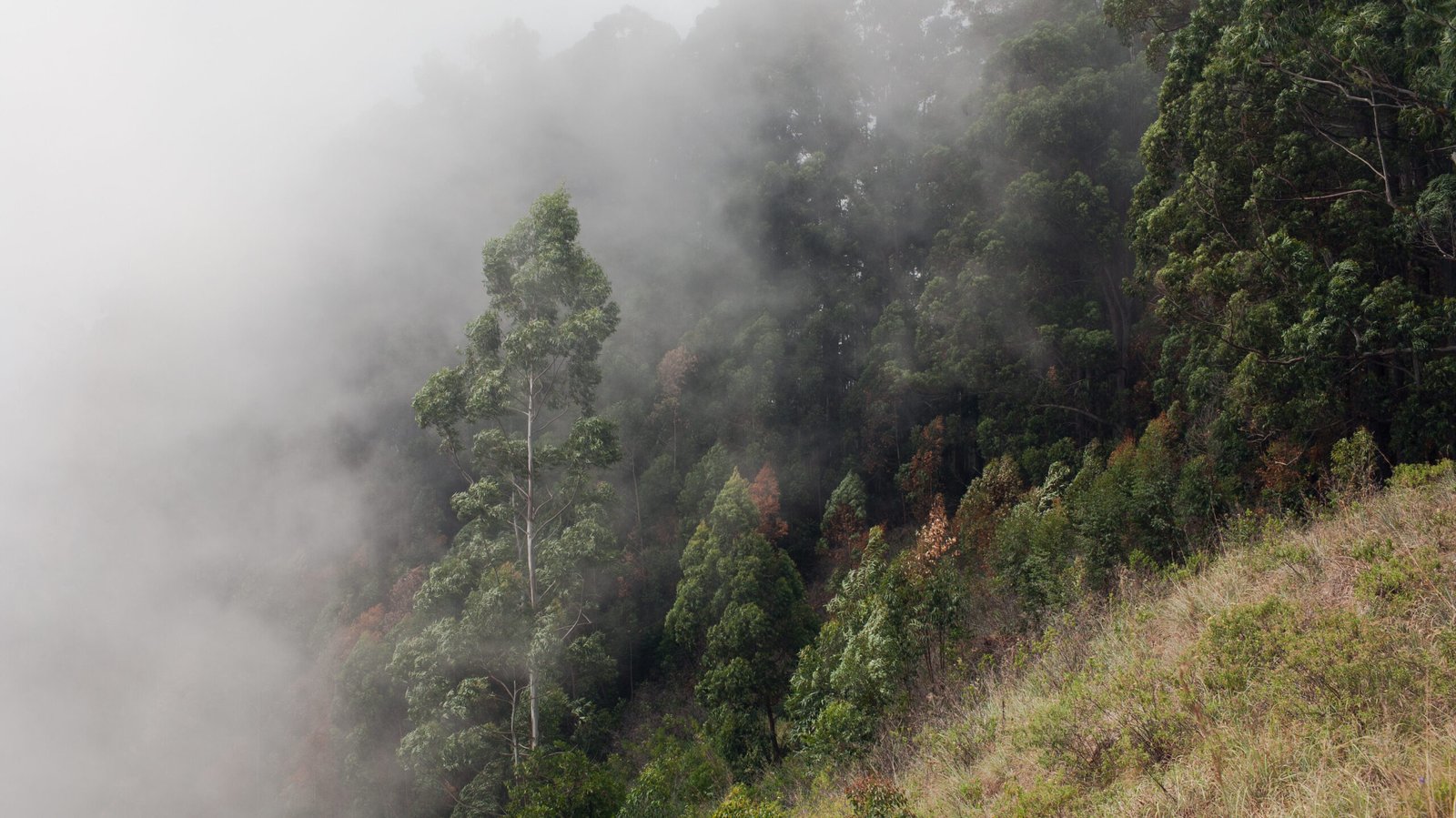
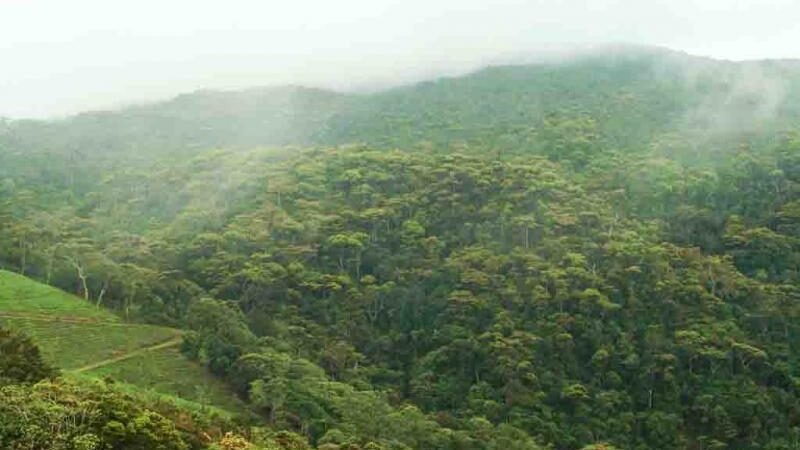
Ella is surrounded by patches of montane cloud forest, some of the most fragile and biodiversity-rich ecosystems in Sri Lanka. These forests rely heavily on microclimates for survival.
Mist-Dependent Vegetation
Evergreen montane forests absorb significant moisture from mist rather than rain. In Ella, high-frequency mist zones help sustain ferns, mosses, orchids, and epiphytes that cannot tolerate dry spells.
High Endemism
Sri Lanka’s cloud forests are known for high endemism—species found nowhere else in the world. Microclimates create isolated pockets where rare plants and animals evolve uniquely.
Temperature-Sensitive Fauna
Many forest animals depend on stable humidity and cool conditions. Among them:
- The Sri Lanka blue magpie
- Purple-faced leaf monkey
- Kangaroo lizard
- Unique frog species adapted to misty leaf litter
Their survival is tightly linked to microclimate stability.
Forest–Tea Edges: Where Biodiversity Interacts
Ella has many transitional zones where tea estates border forest patches. These edges create interesting ecological interactions:
Pollinator Movement
Butterflies and bees often move between forest flowers and tea shade trees, supporting both ecosystems.
Bird Diversity
Forest edges attract insect-eating and nectar-feeding birds that also help control pests around tea plantations.
Shade and Soil Health
Native trees near forests improve soil quality, reduce erosion, and maintain moisture, benefitting tea estates located on steep slopes.
When managed responsibly, these edge zones become biodiversity corridors rather than ecological barriers.

The Threats: Climate Sensitivity and Human Pressure
Ella’s microclimates are delicate. Even small disruptions can have major impacts on both tea and forest biodiversity.
1. Deforestation
Loss of cloud forest reduces mist interception, increasing temperatures and altering rainfall patterns.
2. Over-Cultivation
Conversion of slopes for agriculture can degrade soil and break natural wind corridors.
3. Climate Change
Rising temperatures and shifting monsoon patterns threaten the balance that tea and cloud forests rely on.
4. Tourism Pressure
Unregulated construction on ridges and slopes disrupts airflow and increases fragmentation.
Without careful management, Ella risks losing the very microclimates that make it unique.
Preserving Ella’s Microclimate-Driven Biodiversity
Safeguarding this region requires a mix of conservation, sustainable agriculture, and policy.
Protecting Cloud Forest Fragments
Legal protection and restoration of remaining forest patches are essential. They act as climate stabilisers and biodiversity reservoirs.
Sustainable Tea Cultivation
Organic methods, re-introducing native shade trees, and avoiding overuse of steep slopes can help maintain microclimate balance.
Eco-Sensitive Tourism
Eco-lodges, elevated pathways, and slope-safe construction reduce environmental impact while sustaining tourism income.
Reforestation of Wind Corridors
Replanting strategic ridges ensures airflow systems stay intact, preserving mist patterns.
Together, these measures help protect both tea quality and ecosystem richness.
Conclusion: A Landscape Defined by Subtlety
Ella’s beauty is not just scenic—it is deeply ecological. Its microclimates determine the way tea tastes, how forests breathe, which species survive, and how the land evolves over time. From crisp mornings on tea estates to cool, mist-soaked forest slopes, Ella is shaped by climatic nuances that make it one of Sri Lanka’s most ecologically fascinating regions.
Understanding and protecting these microclimates is essential—not only for Ella’s biodiversity but for the future of its tea heritage and its identity as a hill-country sanctuary.
Click on here “KANDY’S FAMOUS OLD LADY: THE TIMELESS QUEENS HOTEL”