Sri Lanka’s ancient water heritage is having a resurgence in public conversation. Over the past few months, satellite images, archaeological studies, and new excavations have revealed just how sophisticated our hydraulic civilisation truly was. What we once thought were simple ponds, canals, moats, or tanks are now understood to be part of a vast, interconnected engineering network that is unmatched anywhere in the ancient world.
As climate disasters, drought cycles, and extreme rainfall continue to reshape Sri Lanka’s present, the rediscovery of these systems has become more than an academic curiosity. It is a reminder that our ancestors mastered water management in a way that was sustainable, decentralised, seasonal, and surprisingly modern.
This article explores why these ancient water systems are trending again, what new discoveries show, and how engineering marvels from Sigiriya, Anuradhapura, Polonnaruwa, and the Dry Zone are redefining the story of water in Sri Lanka.
Why “Ancient Water Systems” Are Back in the Spotlight
Three reasons explain the sudden media and social attention:
- Satellite-based archaeology has revealed hidden reservoirs, feeder canals, and retention ponds previously thought to be natural formations.
- Recent flooding and drought events have reignited discussions about how ancient Sri Lankan monarchs built climate-resilient systems centuries before modern engineering.
- Excavations in Sigiriya, Ritigala, and the Kala Wewa region show evidence of advanced hydraulic knowledge—pressure regulation, gradient design, and gravity-fed distribution.
These findings challenge the misconception that ancient kingdoms simply built “tanks.” Instead, they created hydraulic landscapes—engineered environments where water was stored, slowed, filtered, redirected, and reused.
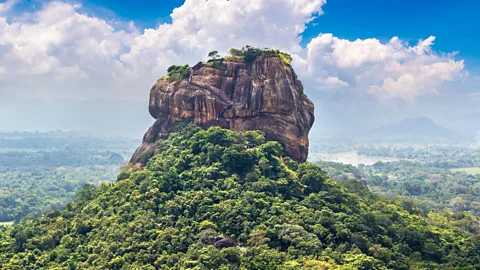
Sigiriya: Not Just a Fortress – A Masterclass in Hydraulic Engineering
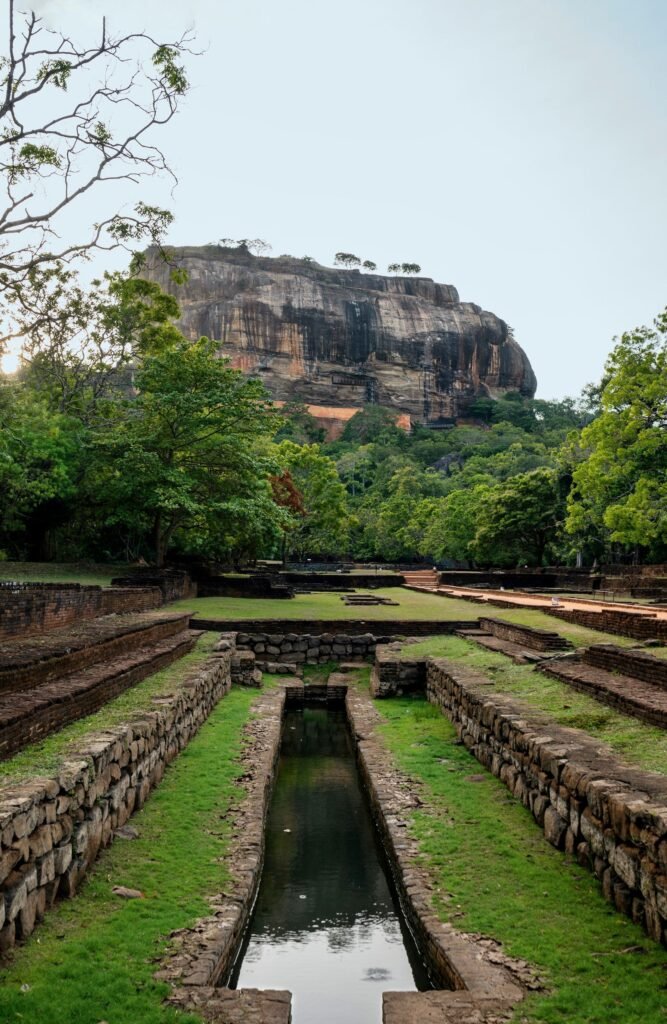
1. The Water Gardens
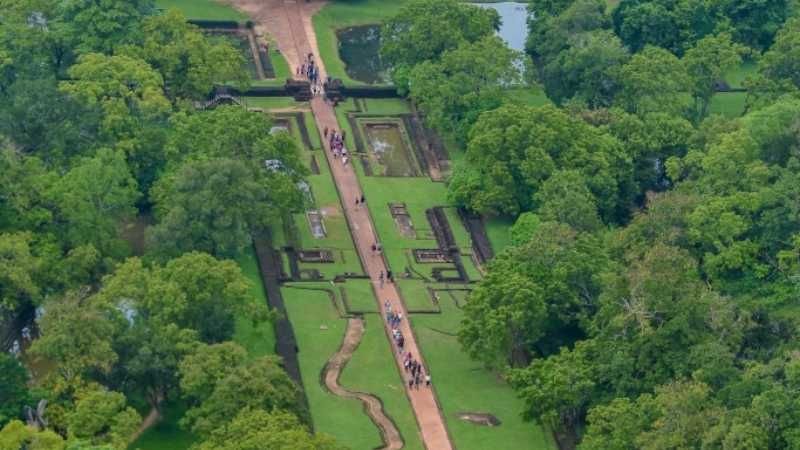
The western water gardens of Sigiriya were designed with perfect geometric precision. What is now trending is the discovery of underground conduits and filtration chambers beneath these ponds. Researchers found:
- Stone-cut pipelines running several metres below the surface
- Natural pressure-driven fountains that still activate after heavy rainfall
- Gradients engineered to millimetre-level accuracy
These fountains—the same ones that still spurt to life today—were powered purely by hydraulic pressure, not mechanical force. For a 5th-century creation, the level of technical skill is extraordinary.
2. The Moat and Defensive Water Barrier
Sigiriya’s moat was not simply for defence. It functioned as a micro water regulator, helping to cool the microclimate around the rock and maintain soil moisture for the gardens. The moat’s inner banks show signs of:
- Controlled inflow/outflow channels
- Overflow escape routes to prevent flooding
- Aquatic plant management for filtration
This indicates an ecological approach to urban design centuries ahead of its time.
3. The Summit Cisterns
At the top of the rock, archaeologists have confirmed that the large depression once held water. The mason’s marks and plaster technology suggest it was a sealed cistern capable of collecting rainwater and storing it for palace use. Maintaining water on a massive isolated rock required high proficiency in:
- Lime-based waterproofing
- Micro-channeling across the summit
- Wind-fed water capture techniques
Click on here “The Bird Highways of Mannar: Why This Flat Land Becomes a Sky Supermarket”
Anuradhapura: The First Global Hydraulic Civilization
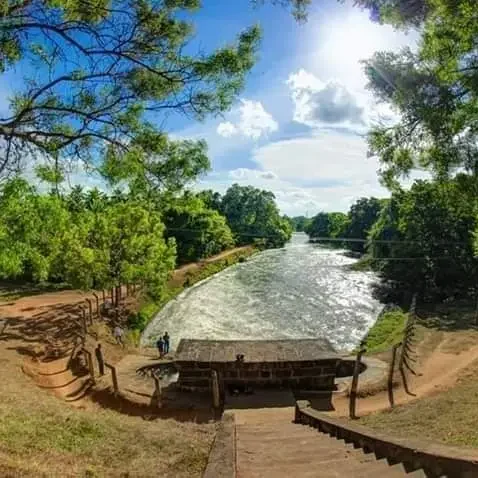
Sri Lanka’s oldest capital laid the foundation for a civilisation built on water science. From the 3rd century BCE onwards, kings such as Pandukabhaya, Dhatusena, and Vasabha reshaped the Dry Zone into one of the largest engineered ecosystems in the ancient world.
1. The Tank Cascade System (Ellanga System)
Now heavily trending online, the ellanga system is a sophisticated chain of small-to-large reservoirs built along natural slopes. Each tank performed a specific role:
- Upper tanks slowed runoff and prevented soil erosion
- Mid-level tanks stored water for cultivation
- Lower tanks managed excess water, filtered silt, and enriched biodiversity
Recent drone mapping shows cascades that stretch for kilometres, feeding entire agricultural communities for centuries.
2. The Jaya Ganga (Yoda Ela)
Probably the most astonishing engineering feat: a 84 km canal built with a gradient of just 6 inches per mile, maintaining perfect slope for nearly a hundred kilometres.
Modern engineers still debate how ancient Sri Lankans achieved such precision.
This canal connected Kala Wewa to Tissa Wewa, stabilising water supply to Anuradhapura year-round. The system was so balanced that it allowed:
- Paddy cultivation during drought
- Flood mitigation during heavy monsoon
- Urban water reliability for thousands
No pumps. No steel. Just stone, clay, mathematics, and extraordinary environmental knowledge.
Polonnaruwa: Hydraulic Innovation at Its Peak
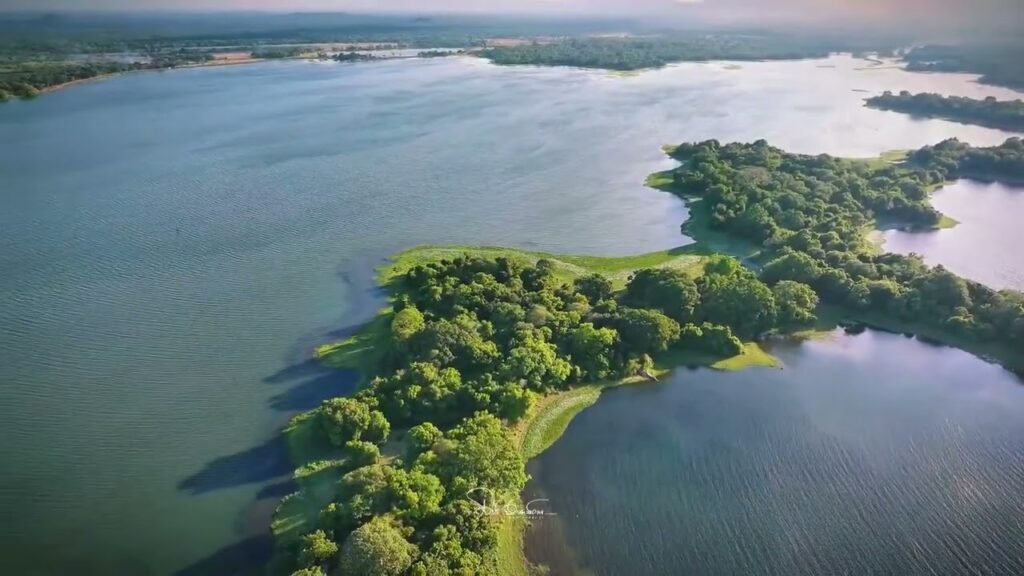
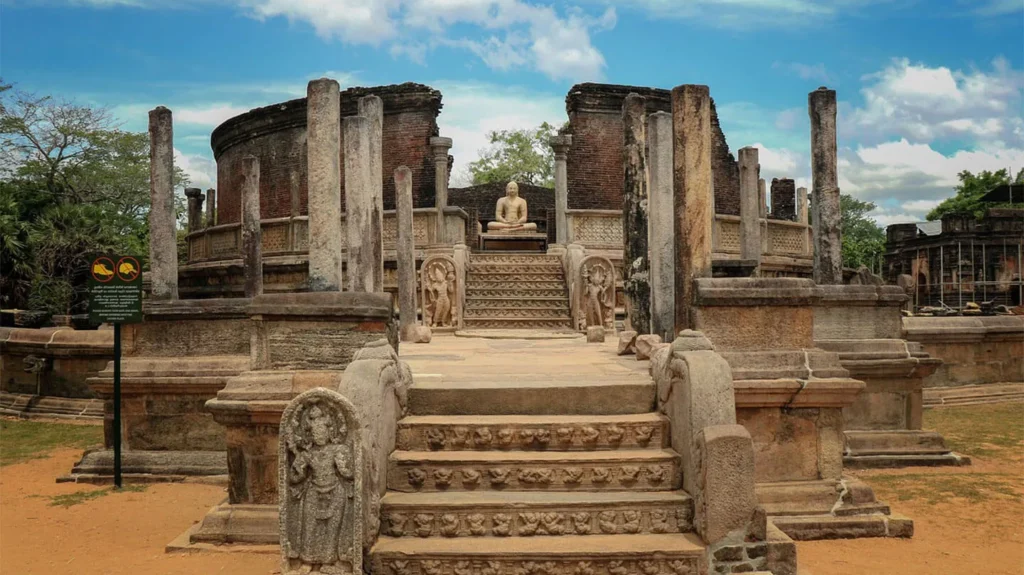

By the time Polonnaruwa became the capital, Sri Lanka had reached the height of its hydraulic mastery. King Parakramabahu the Great famously declared:
“Let not even a drop of rainwater flow into the sea without serving man.”
1. Parakrama Samudra
Far more than a “tank,” it is a multi-reservoir complex fed by several rivers and catchments. Recent studies show:
- Dual-basin construction for sediment management
- Engineered breakwaters to reduce wave erosion
- Adjustable sluice gates built using stone and timber mechanisms
The reservoir could irrigate up to 18,000 hectares—an unimaginable scale for the 12th century.
2. Water Redistribution Networks
Archaeologists have discovered networks of feeder canals and spillways surrounding the city. These allowed Polonnaruwa to:
- Maintain year-round agriculture
- Prevent urban flooding
- Support large populations and army units
This decentralised water economy is now seen as a model for modern climate resilience.
Ritigala, Mihintale, and Hidden Micro-Systems
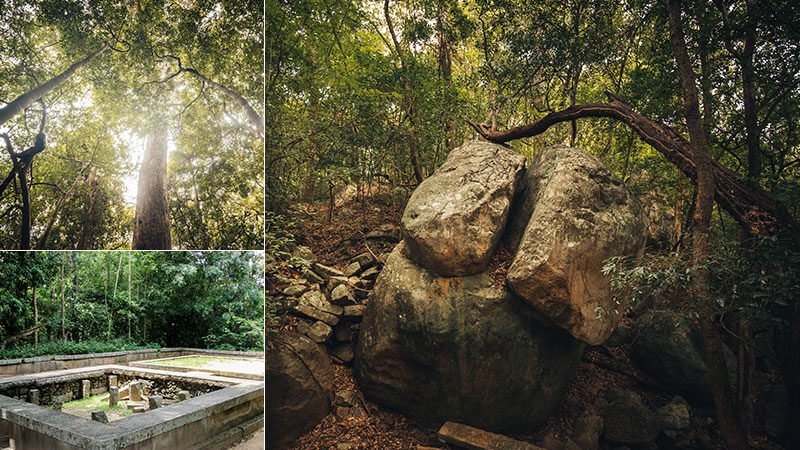
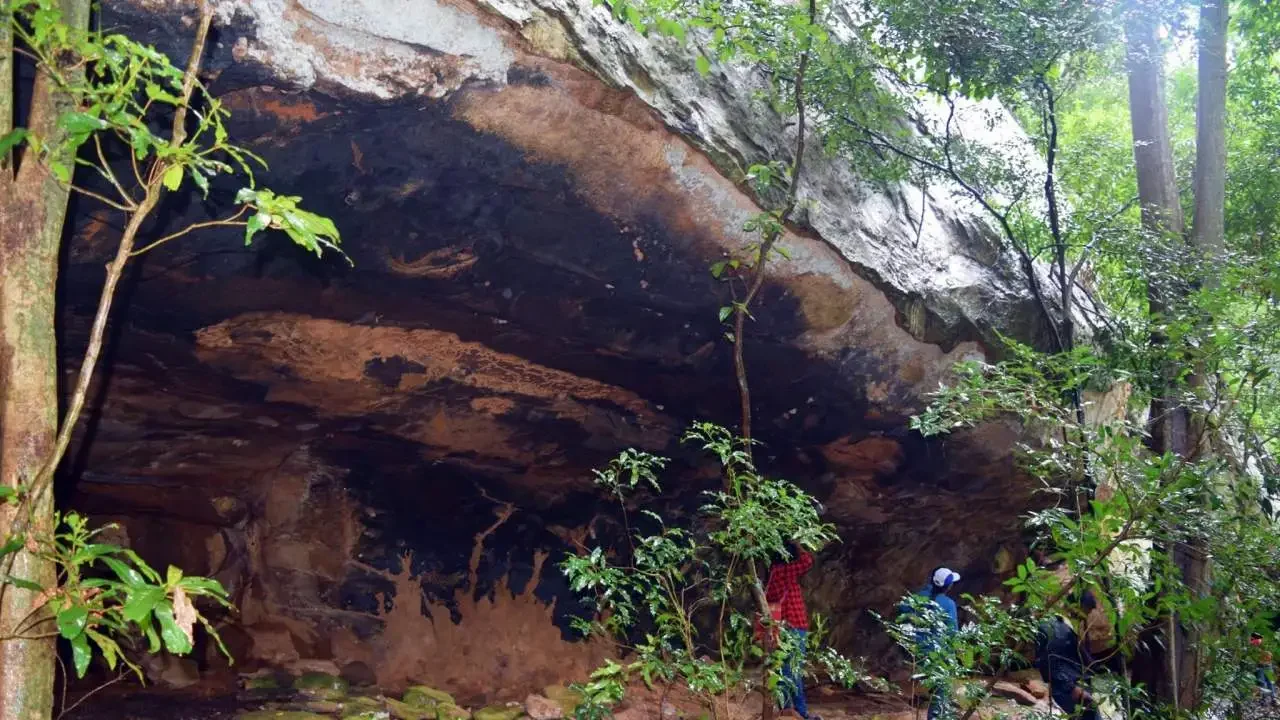
New research shows that even forest monasteries had their own hydraulic logic.
Ritigala
- Rock-cut channels guided mountain runoff into meditation ponds
- Filters made of sand, charcoal, and natural materials purified the water
- Micro-reservoirs ensured monks had year-round supply despite the dry climate
Mihintale
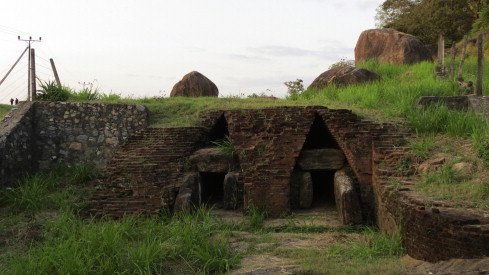
- The Kantaka Cetiya complex used a network of underground cisterns
- Steps and platforms doubled as water diversions during storms
- The iconic Kaludiya Pokuna is a masterpiece of water retention and aesthetic landscaping
These systems show a blend of engineering and spiritual architecture.
What These Rediscoveries Mean for Modern Sri Lanka
Sri Lanka is facing one of its most challenging climate periods: drought, flood, irregular monsoon patterns, and growing water security concerns. The revived interest in ancient systems isn’t nostalgia—it is practical.
1. Lessons for Climate Resilience
The ancient model emphasised:
- Decentralisation: hundreds of small-to-medium tanks instead of massive single solutions
- Interconnected storage: allowing excess to flow naturally rather than overflow
- Soil and forest integration: tank ecosystems worked hand-in-hand with surrounding vegetation
Modern water policy can adopt the same logic.
2. Sustainable Agriculture
Tank cascades protected soil fertility through:
- Sedimentation traps
- Moisture retention
- Fish and aquatic plant integration
Rehabilitating cascades could boost rural agriculture and prevent disaster-level crop failures.
3. Tourism and Heritage Revival
As interest grows, these systems may become:
- New archaeological tourism routes
- Research hubs for global hydrologists
- Community-driven conservation projects
The world is increasingly looking at Sri Lanka’s hydraulic civilisation as a model of early sustainability.
Why the World Is Paying Attention Now
International researchers see Sri Lanka as:
- A hydraulic civilisation on par with the Maya and Egyptians
- A culture that engineered landscapes with mathematics, ecology, and long-term planning
- A case study of water-smart living in a tropical monsoon climate
With new satellite mapping and excavation, we may only be scratching the surface. Hundreds of submerged tanks, forgotten canals, and buried filtration chambers are still hidden beneath forests, paddy fields, and dry earth.
Conclusion: A Legacy Rising Again
Sri Lanka’s ancient water systems are not relics—they are blueprints. Sigiriya’s fountains, Anuradhapura’s cascades, Polonnaruwa’s reservoirs, and Ritigala’s mountain channels show a civilisation that understood water as a living force. As these systems open up again—literally through excavation and figuratively through public attention—we are rediscovering the genius of our ancestors.
The question now is not whether these ancient systems will teach us something, but whether we have the will to learn.