Wasgamuwa is one of Sri Lanka’s most authentic wilderness spaces—quiet, uncommercial, and home to some of the country’s most genetically important elephant populations. While travellers flock to parks like Yala or Minneriya, Wasgamuwa remains the hidden sanctuary where elephants roam along ancient migratory paths that existed long before people or villages settled around them.
These paths, now known as elephant corridors, are not just routes. They are lifelines. For travellers, they offer a rare opportunity to witness elephants moving in their natural rhythms—calm, unprovoked, and largely undisturbed. But with that privilege comes responsibility. This guide explains how to explore Wasgamuwa’s elephant corridors safely and ethically, ensuring that your visit supports conservation rather than disturbs it.
What Exactly Is an Elephant Corridor?
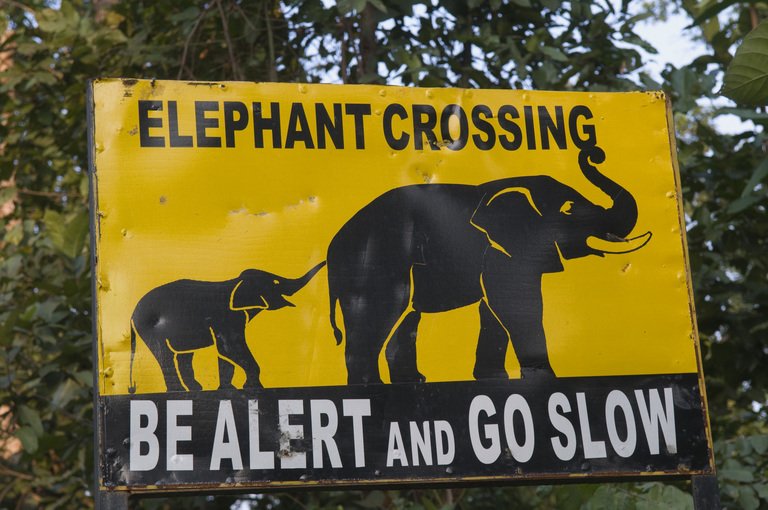
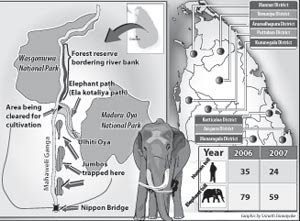
Elephants have used the same migratory pathways for centuries. These corridors link grazing lands, water sources, breeding areas, and seasonal feeding grounds. In Wasgamuwa, they form a network that stretches across riverbanks, lowland forests, scrublands, and even village borders.
A corridor is not a fenced path or marked trail. It is an invisible yet crucial route that elephants instinctively follow. When humans block or disrupt these corridors—through settlements, cultivation, or irresponsible tourism—elephants become stressed, disoriented, or forced into conflict with people.
Travelling through Wasgamuwa means entering a landscape shared with elephants. Understanding this landscape is the first step toward a respectful experience.
Why Wasgamuwa’s Elephant Corridors Matter
1. A Haven for Genetic Diversity
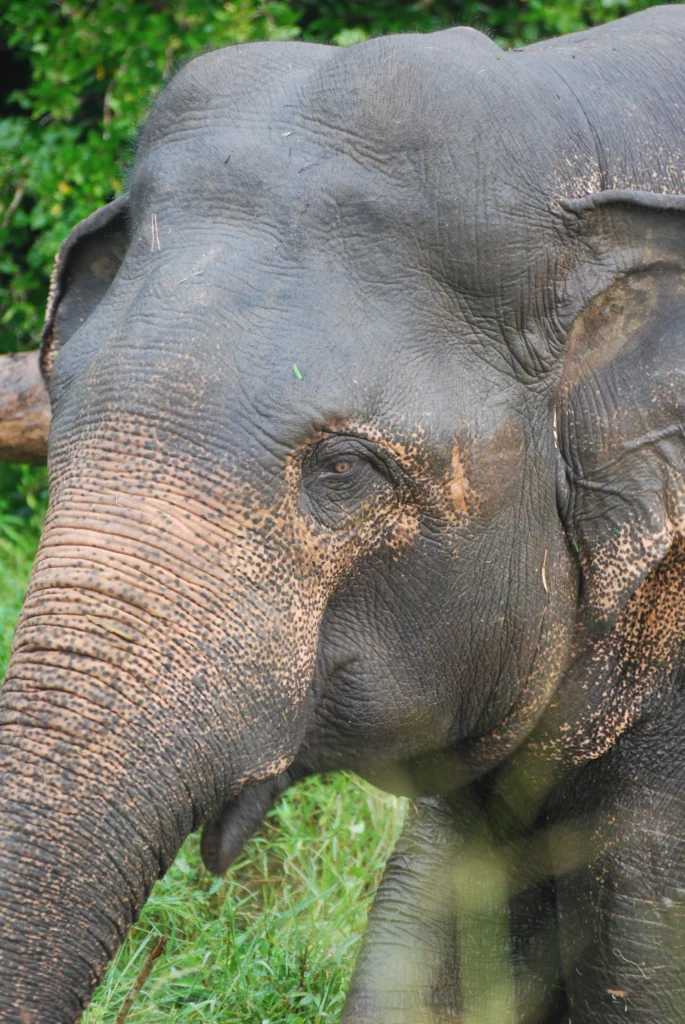
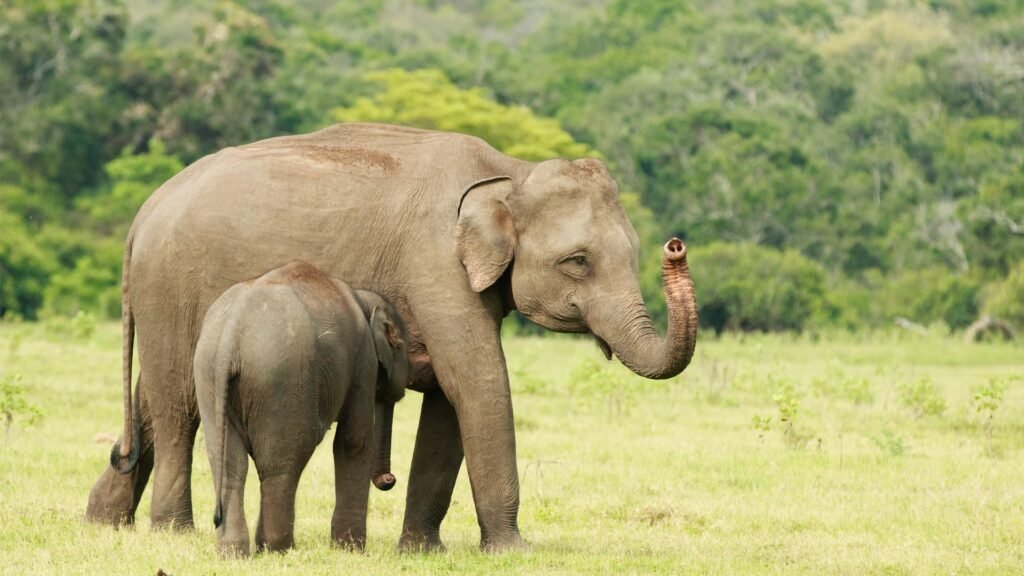
Wasgamuwa is home to some of Sri Lanka’s most robust and diverse elephant herds. Because it connects to the Knuckles Range and the Mahaweli floodplains, elephants can travel freely between large protected areas. This maintains genetic health within populations, avoiding isolation and inbreeding.
2. Reduced Human–Elephant Conflict (HEC)
Corridors protect not just elephants but also villagers. When elephants can move safely between habitats, they are less likely to raid crops or enter human settlements. Many of Wasgamuwa’s corridors pass near farmlands, so proper traveller conduct directly supports local safety.
3. Authentic, Low-Stress Viewing Opportunities
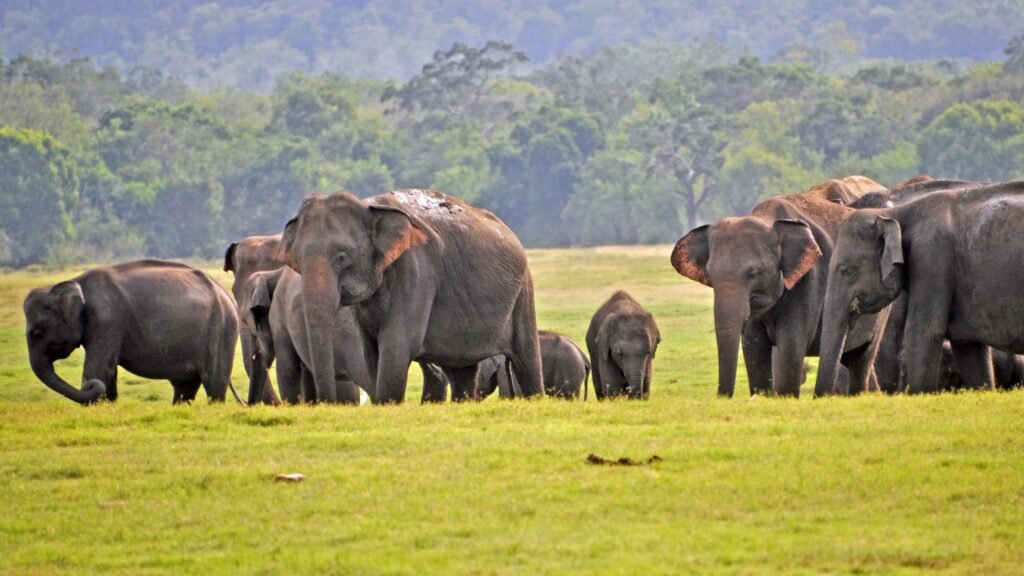
Unlike crowded safari parks, elephants in Wasgamuwa behave naturally—bathing, socialising, and foraging without the agitation caused by large vehicle clusters. This leads to more meaningful sightings and better photography.
Click on here “Tea Trails Beyond Tourism: How Climate Change is Rewriting the Future of Ceylon Tea”
Where to See Elephant Corridors in Wasgamuwa
1. The Parakrama Samudra–Mahaweli Link Corridor
A major migratory route connecting water sources to grazing lands. Elephants often move here during the dry season.
2. River Crossings near the Kalinga Ela Area
Look for gentle slopes leading to the Mahaweli River. These are natural passageways.
3. The Eastern Forest Belt
Dense scrub and shadowy undergrowth provide cover for herds, especially females with calves.
4. Buffer Zone Villages
Areas like Wilgamuwa and Handungamuwa often experience twilight elephant movements. These are community-managed zones where caution is essential.
The Best Time to Observe Elephant Movements
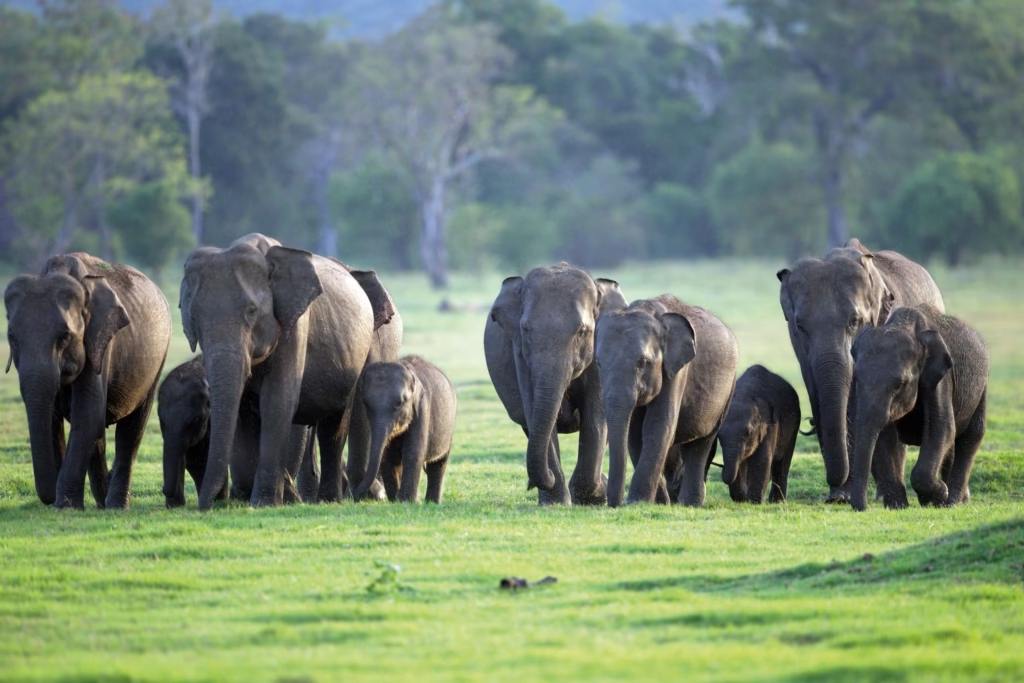
Dry Season (June–September)
- Water becomes scarce.
- Elephants gather at major tanks and rivers.
- Corridors are more visible and frequently used.
Late Afternoon & Dusk
This is the prime viewing window. Elephants avoid harsh midday heat and prefer to move when temperatures drop.
Early Mornings
A quieter time when solitary bulls sometimes cross open clearings.
How to View Elephants Safely and Ethically
1. Keep Your Distance
Elephants may look calm but can become defensive quickly. Maintain at least:
- 50 metres minimum distance in open terrain
- 60–70 metres if calves are present
Never approach on foot inside known corridors.
2. Do Not Block Their Path
If elephants are crossing the road, stop far back and switch off your engine. Allow the herd to pass without pressure.
3. Avoid Flash Photography
Bright light startles elephants, causing stress. Use natural light or low-intensity settings.
4. Stay Silent
Loud conversation, music, or shouting can irritate elephants. Quiet observation is safer for everyone.
5. Never Feed Elephants
Feeding teaches elephants to approach humans, increasing conflict and putting both animals and villagers at risk.
6. Support Ethical Safari Operators
Choose guides who:
- do not chase elephants
- respect distance regulations
- avoid night driving in corridor zones
Understanding Elephant Behaviour Helps You Stay Safe
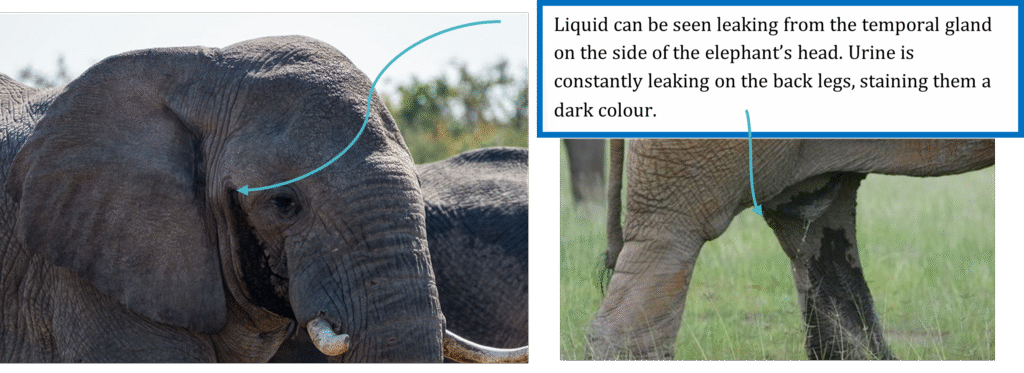
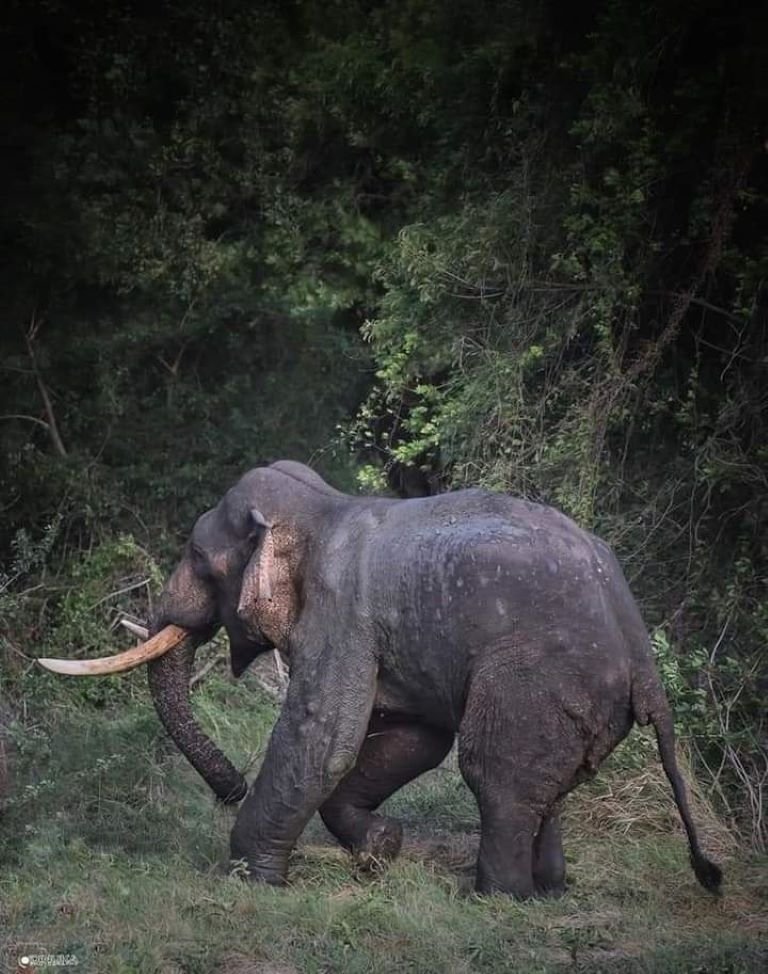
Signs an Elephant Is Calm
- Slow tail swishing
- Ears relaxed
- Steady feeding or dust bathing
Signs of Agitation
- Rapid ear-flapping
- Trunk curled tightly inward
- Head held high and still
- Foot scraping or mock charges
If you see these signs, retreat slowly without revving the engine.
Recommended Ethical Experiences in Wasgamuwa
1. Guided Corridor Walks (Outside Park Boundaries Only)
Local naturalists often take travellers through safe buffer-zone paths, teaching ecology, corridor history, and human–elephant coexistence strategies.
2. Community-Run Conservation Centres
Villagers living beside elephant routes run programmes explaining crop-protection, cultural knowledge, and coexistence challenges.
3. Low-Impact Boat Rides
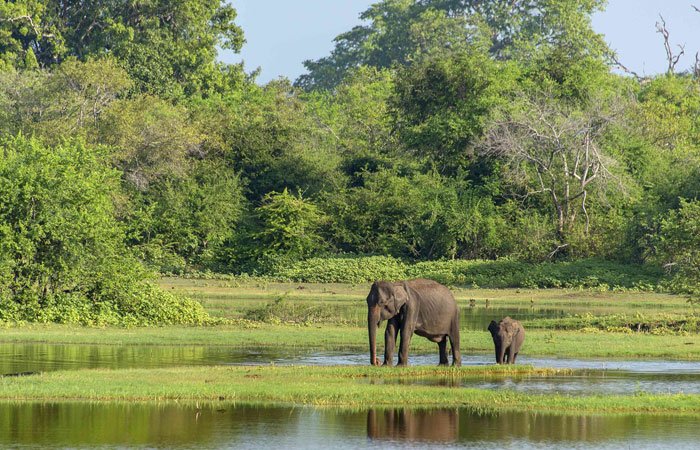
Some river stretches near Mahaweli provide distant, peaceful viewing of elephants crossing water.
4. Birding and Secondary Wildlife Watching
Wasgamuwa is richer than just elephants. Look for:
- purple-faced langurs
- sloth bears
- golden jackals
- large flocks of painted storks
A holistic approach reduces pressure on elephant hotspots.
How Travellers Can Actively Support Corridor Conservation
1. Choose Eco-Friendly Accommodation
Select lodges that:
- avoid bright night lights
- maintain natural vegetation
- stay out of key corridors
2. Reduce Waste
Elephants are curious and may investigate litter. Proper disposal protects them from ingesting harmful objects.
3. Support Local Communities
Buying locally made food, crafts, or services helps villagers who share space with elephants—reducing economic pressure to encroach on corridors.
4. Respect All Park Regulations
Rules are created based on long-term behaviour studies. Even small violations disrupt elephant movement.
A Typical Ethical Viewing Itinerary (Half Day)
2.30 PM – Enter the Park
Light is softening; elephants begin to move out of shade.
3.00 PM – Observation at Grassland Edges
Quietly wait; herds emerge from forest cover.
4.00 PM – Corridor Crossing Point
Watch elephants move in family groups—mothers first, calves shielded in the middle, dominant female last.
5.00 PM – Riverbank Slow Moments
Often elephants pause to drink or bathe, giving travellers an uninterrupted natural scene.
6.00 PM – Exit Before Dark
Night movement increases stress on both elephants and villagers. Early exit is essential.
Why Ethical Viewing Matters More Than Ever
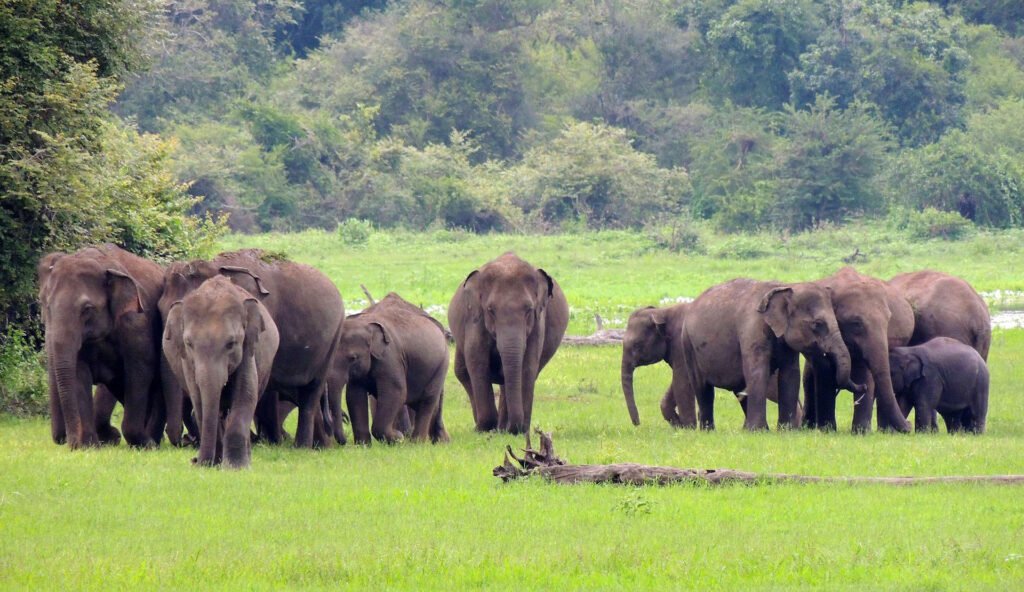
Sri Lanka’s escalating human–elephant conflict has become one of the island’s biggest conservation challenges. The survival of wild elephants depends on our ability to protect the spaces they move through—not just the land they feed on.
Wasgamuwa’s elephant corridors remain some of the last functioning migratory pathways in the country. When travellers respect these spaces, they help safeguard a delicate balance that supports ecosystems, communities, and future generations of elephants.
Final Thoughts
To witness elephants moving through Wasgamuwa is to witness a piece of ancient Sri Lankan wilderness still beating with life. These corridors are sacred threads tying together forests, rivers, generations of herds, and human communities who have lived alongside elephants for centuries.
Travelling here is not merely sightseeing—it is entering a landscape of shared stewardship.
Treat it with care. Observe with humility. Move with awareness.