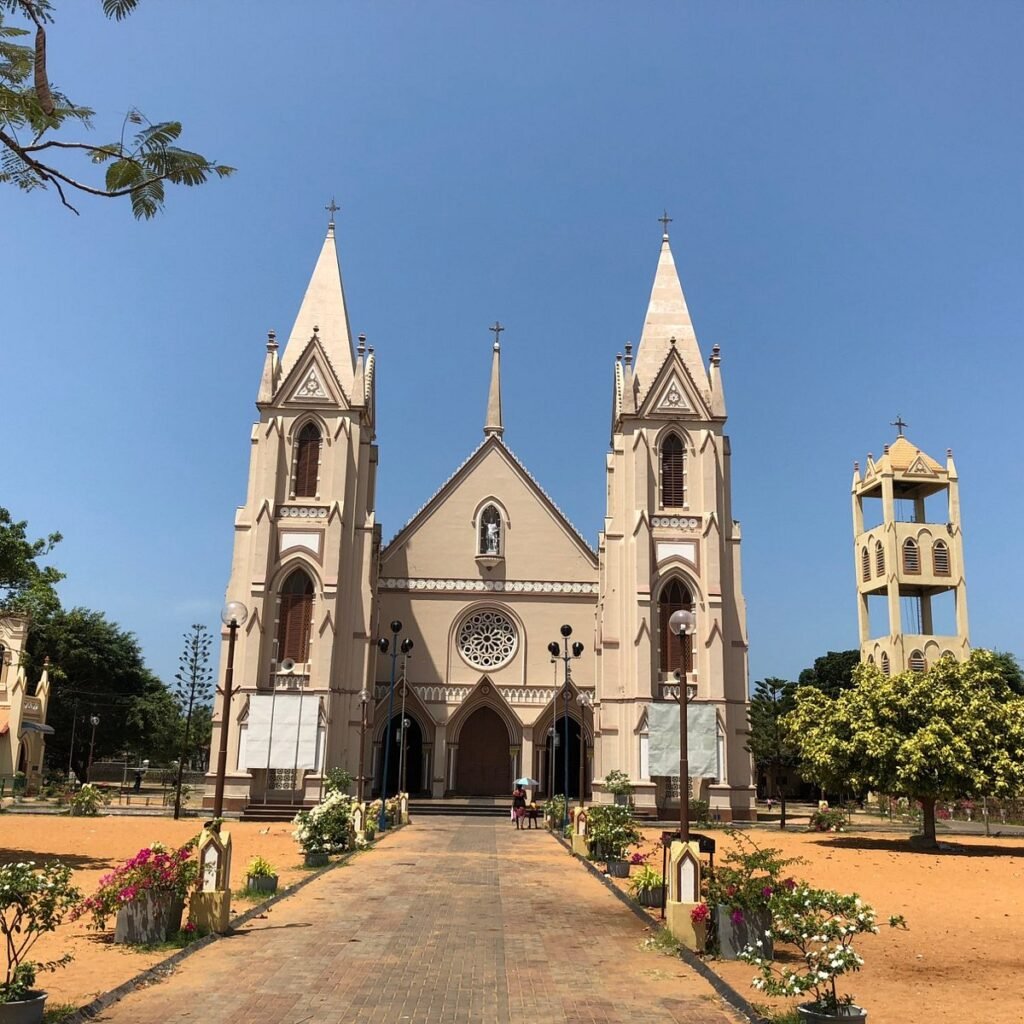
The December Pilgrim Routes Few Tourists Know: From Hill Shrines to Coastal Chapels | December in Sri Lanka is a month of convergence: faith, tradition, memory, and movement. Families travel. Villages prepare for processions. Churches and temples ready themselves for year-end rituals. Yet beyond the well-known sites—Madhu, Adam’s Peak, Kataragama—there exists a quieter network of pilgrim routes that most tourists never encounter.
This year, as communities rebuild after the DITWA cyclone, these journeys take on a deeper significance. Pilgrimage becomes more than devotion; it becomes healing, solidarity, and resilience.
This is a curated journey across the island’s lesser-known December pilgrim paths—from mist-covered hill shrines to salt-sprayed coastal chapels—revealing the spiritual geography that lives outside tourist maps.
A Month of Devotion in a Time of Recovery
December is a powerful month for many Sri Lankan faiths. For Catholics and Christians, it is Advent and Christmas. For Buddhists, it is a season of year-end reflection and temple offerings. For Hindus, it aligns with Margazhi—an auspicious period of prayer, music, and fasting.
But in 2025, the landscape is altered by the DITWA cyclone, which devastated livelihoods, particularly along the eastern and southern coasts. Many shrines and parishes became temporary refuges. Pilgrimage itself now symbolises perseverance.
Across the island, devotees continue their routes—sometimes shortened, sometimes improvised—carrying both faith and the weight of survival.
1. The Forest Shrine of Ketawala: A Hidden Hill Pilgrimage
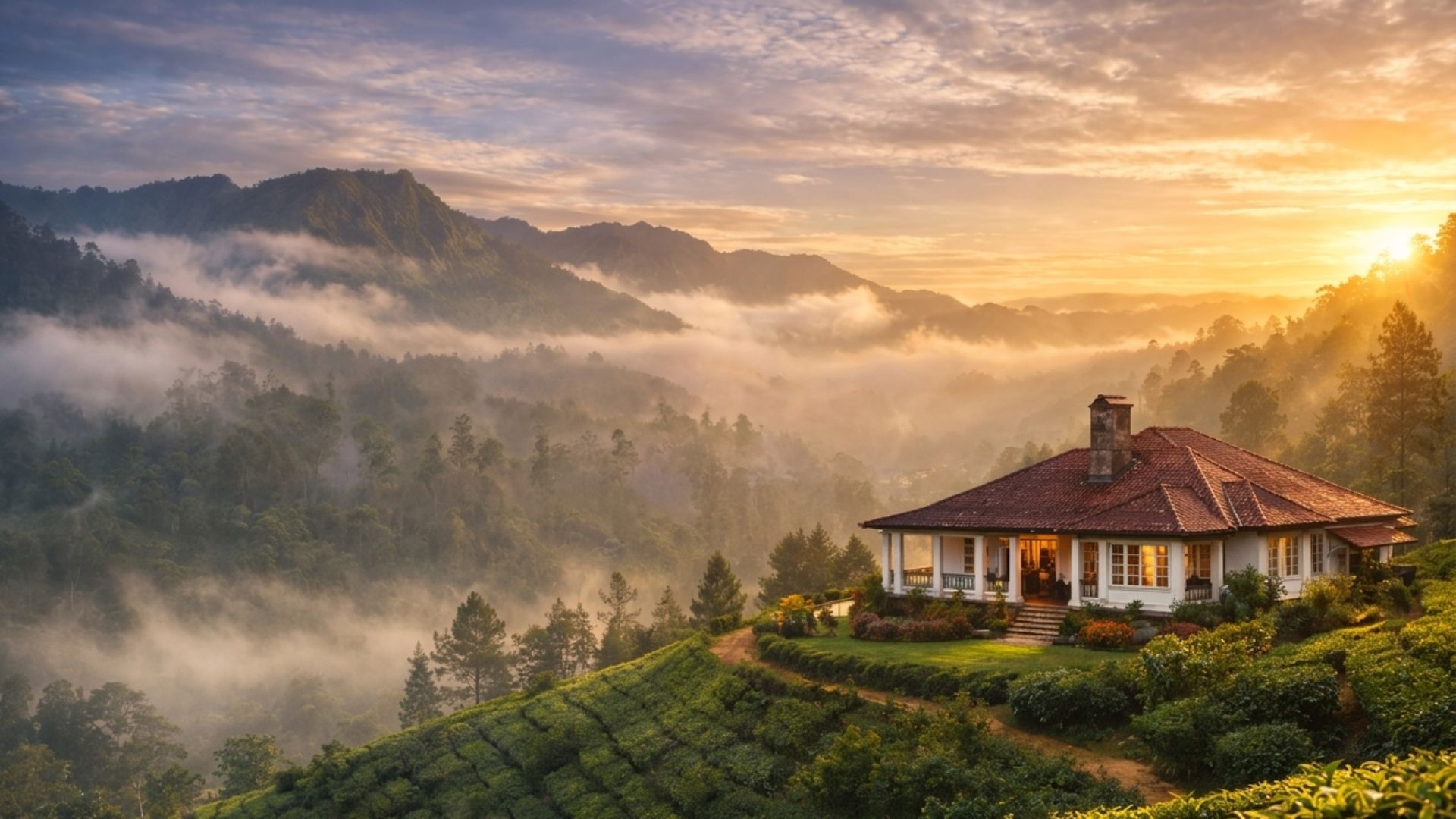
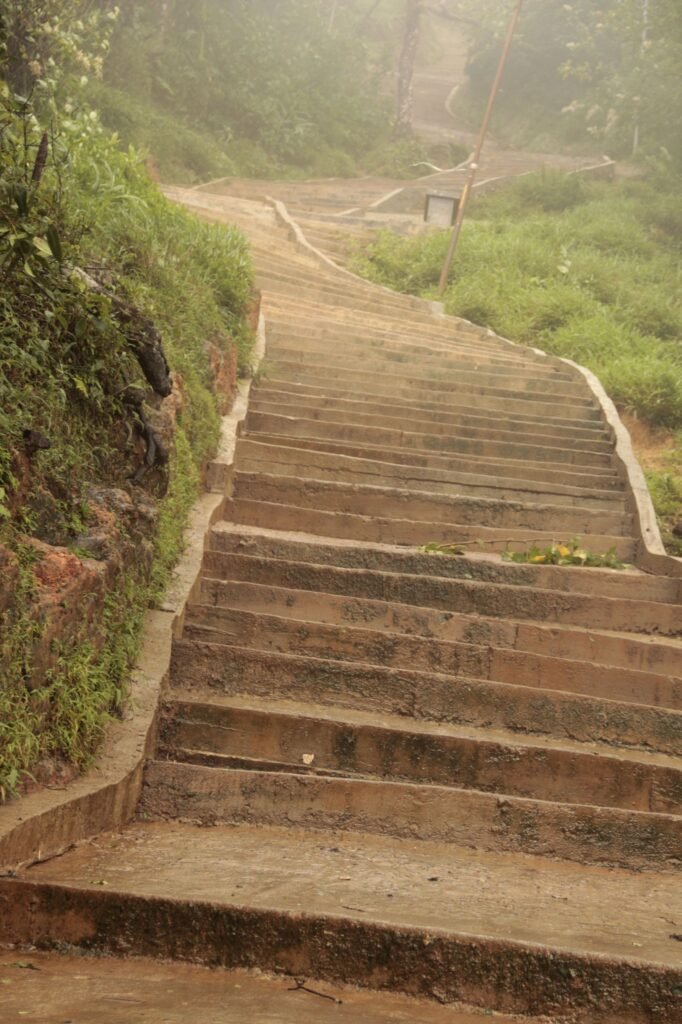
Deep within the Uva hills lies Ketawala Forest Shrine, a site mostly unknown outside local districts. The walk begins at dawn, cutting through tea ridges and quiet pine patches. In December, mist clings low, creating a surreal, soft-lit ascent.
What makes this route compelling is its intimacy. There are no vendors, no loudspeakers, no crowds—just small family groups, students on retreat, and villagers lighting oil lamps beneath moss-covered rock overhangs.
After the cyclone, the trail has new meaning. Local youth groups repaired steps, cleared fallen branches, and placed signboards. Pilgrims say the journey now feels like “walking through what nature survived.”
2. Kattukarai Rosary Walk: A Coastal Devotion Overcoming Disaster
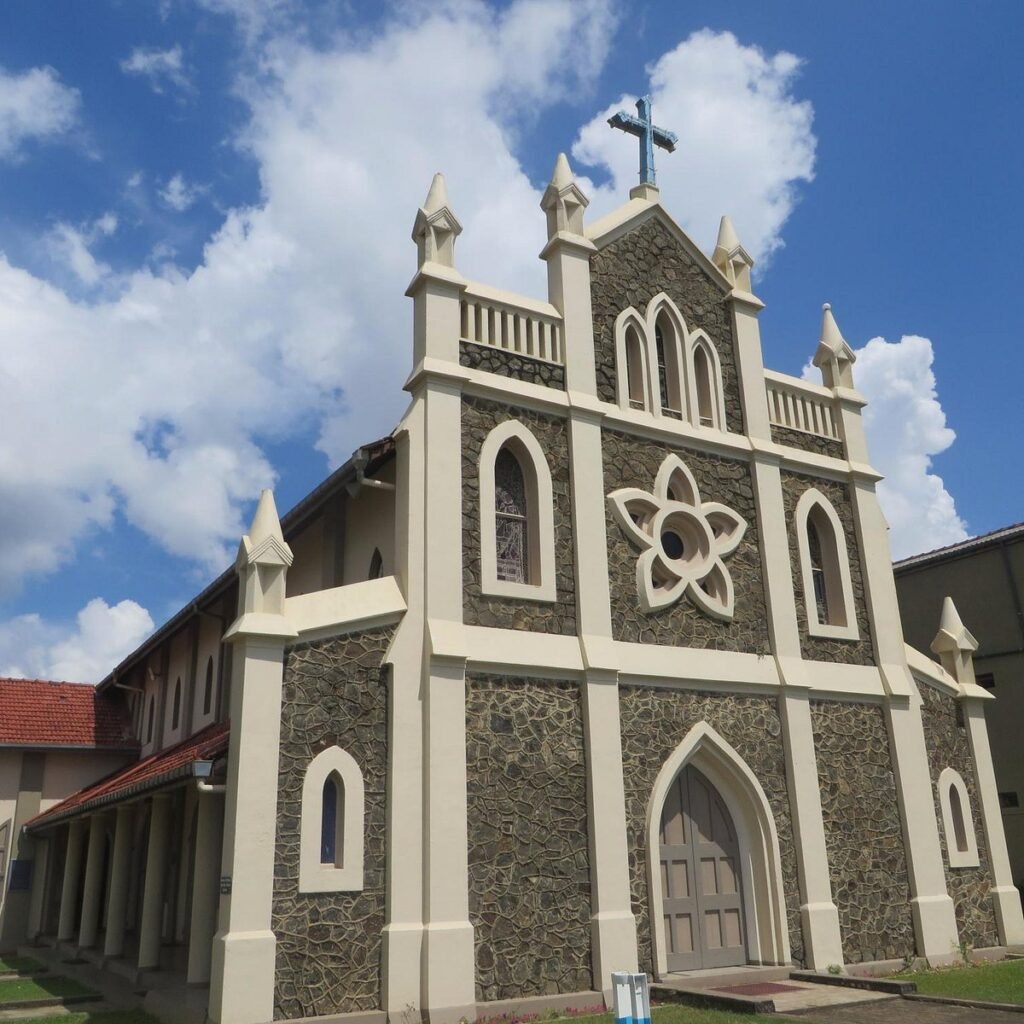
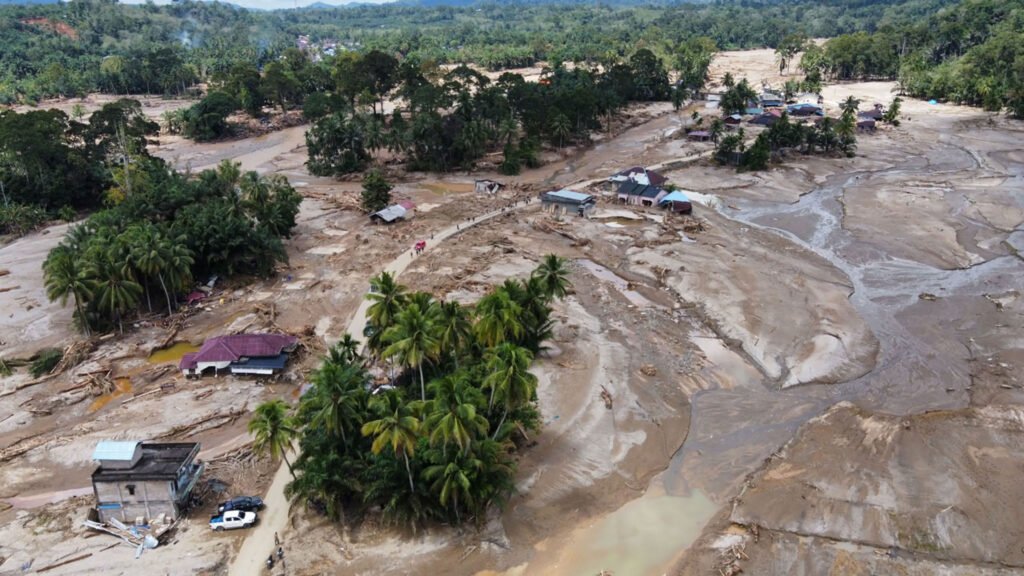
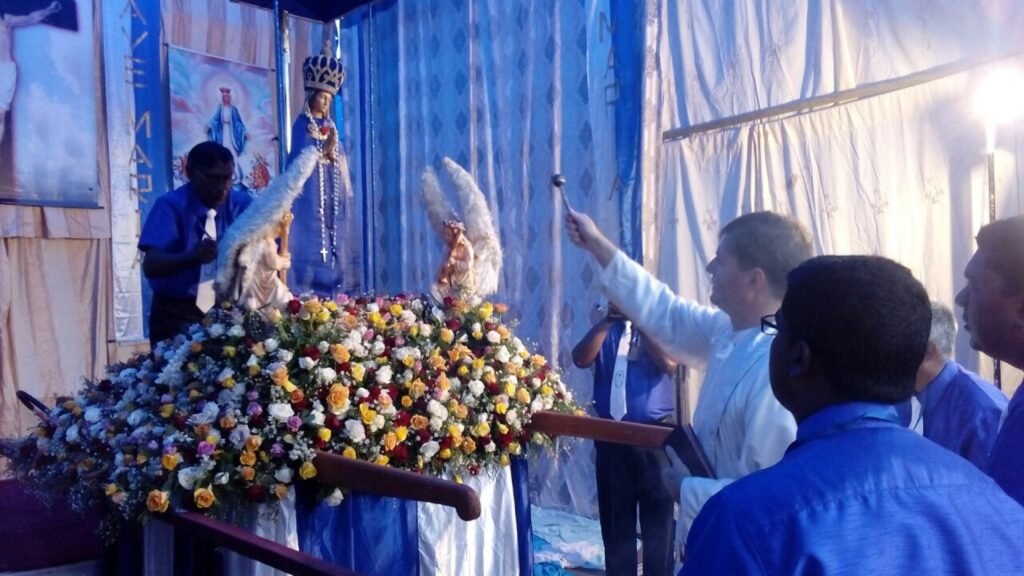
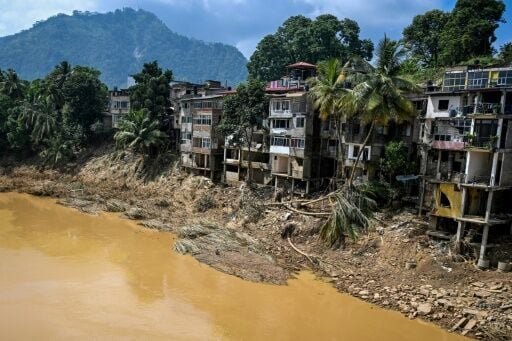
On the eastern coastline, the Kattukarai Rosary Walk is a December ritual that remained steadfast even after the DITWA cyclone battered the region. What was once a scenic shoreline walk is now a route layered with emotion.
The trail begins at a small blue-shingled chapel, winds past coconut-broken beaches, and ends at a simple cross overlooking the ocean. Villagers rebuilt the crossstone footing themselves after it was damaged by waves.
During this year’s early December procession, candles flickered beside debris that still awaits removal. Yet the route drew more people than before—fisherfolk, teachers, youth volunteers, and families who had lost homes.
Pilgrimage here became a public declaration: We are still standing.
3. The Ancient Steps of Rambukpitiya: A Hill Country Retreat for Reflection
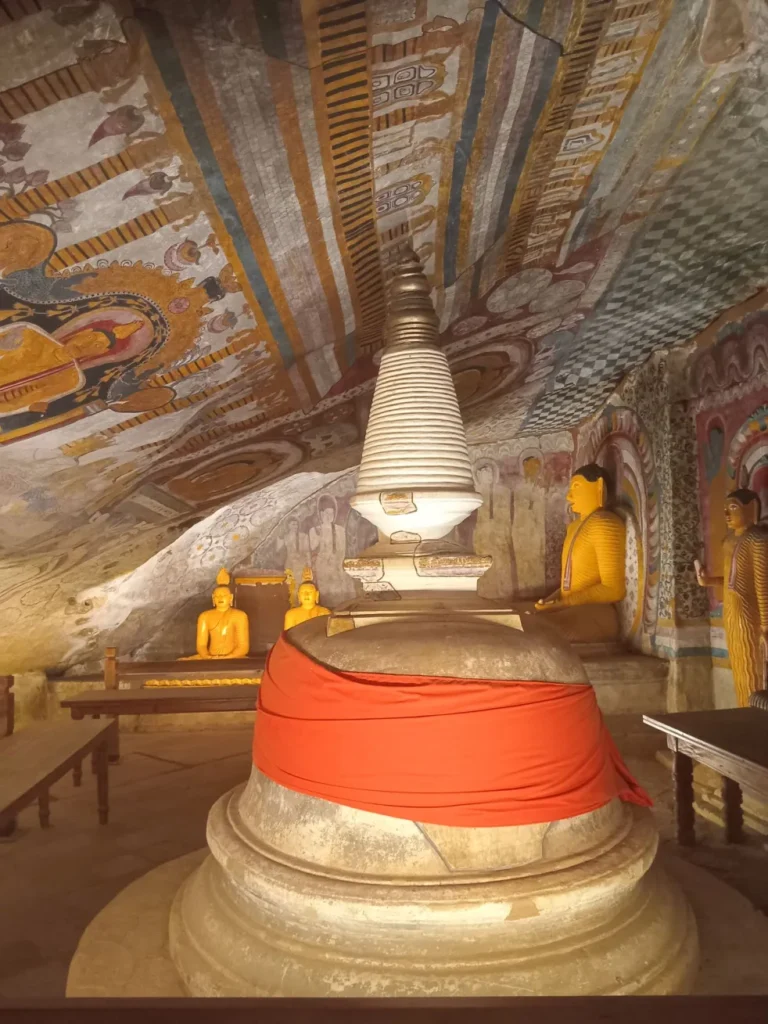
Between Nawalapitiya and Gampola lies Rambukpitiya Temple, perched on a hill that requires a gentle but steady climb. Unlike Adam’s Peak, this ascent is meditative rather than demanding. Villagers call it the “Forty-Minute Peace Walk.”
In December, the Bodhi tree area becomes beautifully decorated with hand-made lanterns and recycled decorations crafted by schoolchildren. The temple’s sermons focus on ending-year forgiveness, gratitude, and rebuilding—echoing the national mood post-cyclone.
What makes this pilgrimage unique is the silence rule: devotees are encouraged to walk without unnecessary conversation. The practice is meant to reset the mind before entering the new year.
Click on here “How Sri Lankan Churches Prepare for Christmas in a Post-DITWA Landscape”
4. Kudagammana Marian Path: A Rural Christmas Pilgrim Route
In the deep interior of the North Western Province lies Kudagammana, a village with a small Marian shrine surrounded by paddy fields. Every December, devotees walk at sunrise carrying flowers and homemade candles.
Tourists almost never find this place. There are no signboards, no guesthouses, no formal parking lots—only a sandy trail that glows bronze in the early morning light.
This year, the route served another purpose: to collect dry rations for cyclone-affected pockets in the east. Villagers along the path placed baskets outside their homes, and pilgrims filled them as they passed.
Pilgrimage here becomes practical faith, not symbolic faith.
5. Nilpanagoda Night Procession: A Community-Built Revival
In Minuwangoda, the Nilpanagoda Shrama Danaya Procession occurs each December, usually near mid-month. Before dawn, devotees walk between three small shrines located within a 5 km radius—carrying lanterns made from coconut shells, recycled plastic, and coloured paper.
After DITWA, many homes in the area sheltered cyclone-displaced workers who had travelled from the south and east for labour. The procession now integrates prayers for protection against environmental disasters.
A notable moment each year is when the community gathers at the final stop, extinguishes handheld lanterns, and lights a single communal flame symbolising collective strength.
6. Kudumbigala’s Forgotten December Trail: Solitude and Survival
Though Kudumbigala is better known for meditation retreats, few are aware of its December trail—a solitary walk leading to a rock-cave refuge used historically during monsoon seasons.
This year, after the cyclone’s heavy rains and inland wind damage, the trail became symbolic again. Several meditation monks used the cave to store emergency supplies for nearby villages.
The December pilgrimage here is not crowded; it is deeply personal. Travellers walk through untouched forest, hearing only the wind and the occasional call of langurs. As the path opens to panoramic views of the east coast, the ocean’s transformed landscape becomes strikingly clear.
The pilgrimage reminds one of how small humans are within nature—and how much we depend on balancing with it.
7. The Chapel of St. Sebastian by the Dunes: A Reborn Coastal Pilgrimage
On the western coastline, halfway between Chilaw and Puttalam, sits a tiny chapel near shifting dunes. Its December pilgrim route is a narrow strip between palmyra fences and sandy winds.
The DITWA cyclone caused partial roof loss, but villagers restored it in just one week. The annual pre-Christmas walk, therefore, became a celebration of gratitude.
Pilgrims sing as they walk: old carols, Tamil hymns from fisher families, and Sinhala devotional songs. A bonfire is lit on the beach after the service, where communities share food—especially those whose boats were damaged and incomes reduced.
December here is less about tourism and more about kinship.
8. Moray Estate’s Tea-Line Shrine Pilgrimage: Quiet Faith in the Hills
Hidden within the rugged foothills near Hatton is a tea-line shrine familiar to estate workers but invisible to most travellers. Workers walk this route in December carrying offerings wrapped in cloth. Elders retell stories of ancestors who built makeshift temples when estates were first formed.
This year, the pilgrimage expanded as families from cyclone-affected districts temporarily relocated to up-country relatives. The walk became a way for displaced children to find rhythm and routine again. Monks offered blessings for restored homes, stable weather, and safe labour conditions.
The trail is short—just under an hour—but emotionally weighty.
9. The Shoreline Shrines of Muttur: Faith in a Cyclone Corridor
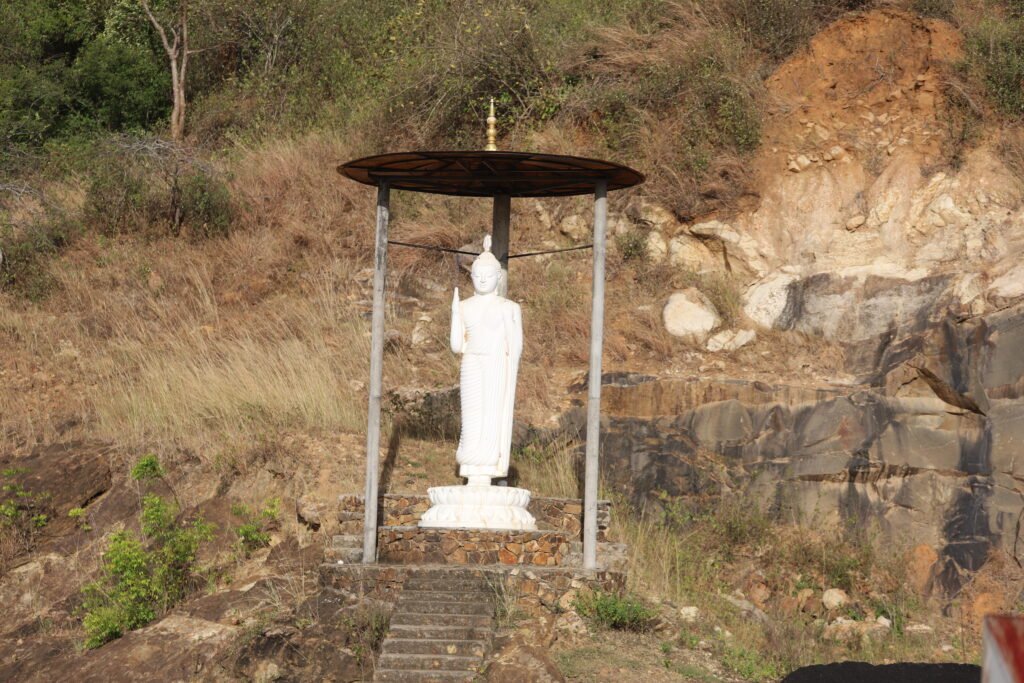
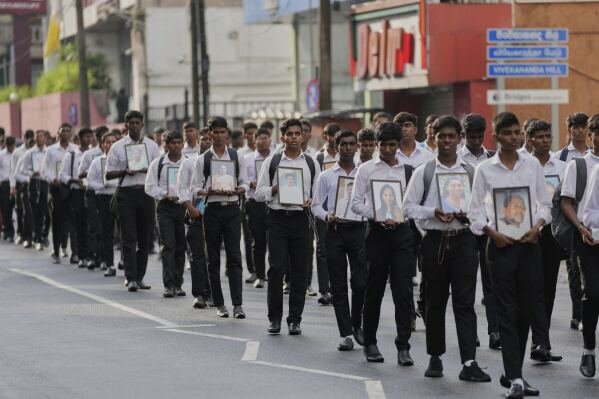
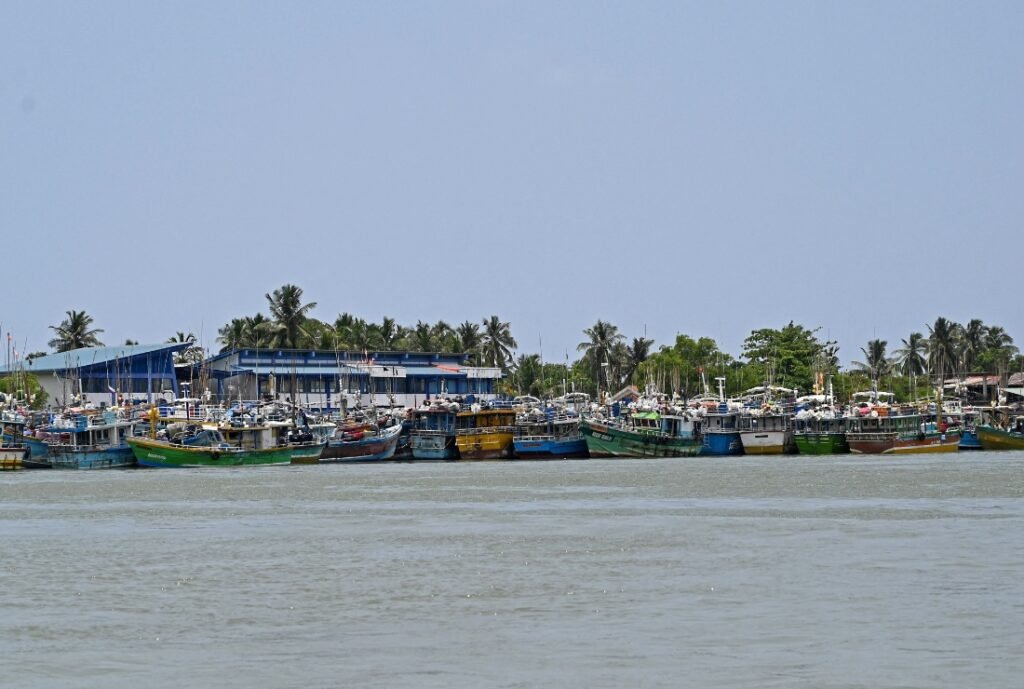
Muttur, sitting along one of the cyclone-exposed belts, is home to several humble shrines frequented by Tamil Catholic and Christian communities.
The December pilgrim walk between Our Lady of Remedies Chapel and St. James’ Coastal Shrine usually draws small groups. But this year, thousands joined—not for spectacle, but for solace.
Where fishing nets once dried peacefully, there are now broken remains of boats and storm debris. Yet devotees carried candles along the sand, stopping at each station to pray for families that lost livelihoods.
Here, pilgrimage is an act of collective mourning and collective hope.
10. Why These Little-Known Routes Matter Now
These quiet pilgrimages offer a perspective tourists rarely experience:
- Sri Lanka’s spiritual life is deeply local, not only grand and historic.
- Pilgrimage is woven into community rhythm, not reserved for famous sites.
- Faith becomes infrastructure—communities gather, rebuild, feed, shelter, and support each other around sacred spaces.
- After the DITWA cyclone, these routes reveal how spirituality acts as social glue during recovery.
For travellers seeking authentic cultural immersion, walking one of these routes (respectfully and with a local guide) offers genuine understanding of resilience and devotion.
11. How Pilgrims Are Supporting Cyclone-Affected Regions
Across these routes, faith communities have initiated:
• Dry-ration collection points
• Free medical clinics at shrine grounds
• Counselling and group prayer circles
• Fundraising for roof repairs and boat replacements
• Volunteer networks rebuilding coastal homes
• Youth-led eco-cleanups along damaged beaches
Pilgrimage is no longer a passive journey; it is an active response to crisis.
Conclusion: A December of Rediscovery and Compassion
The December pilgrim routes that few tourists know reveal a Sri Lanka rooted in quiet strength. From hill shrines wrapped in fog to coastal chapels framed by storm-scarred beaches, these journeys capture something profound: the island’s ability to rise, rebuild, and re-imagine community through faith.
As the nation continues healing after the DITWA cyclone, these pilgrimages become symbolic pathways—not just to sacred places, but toward collective recovery.