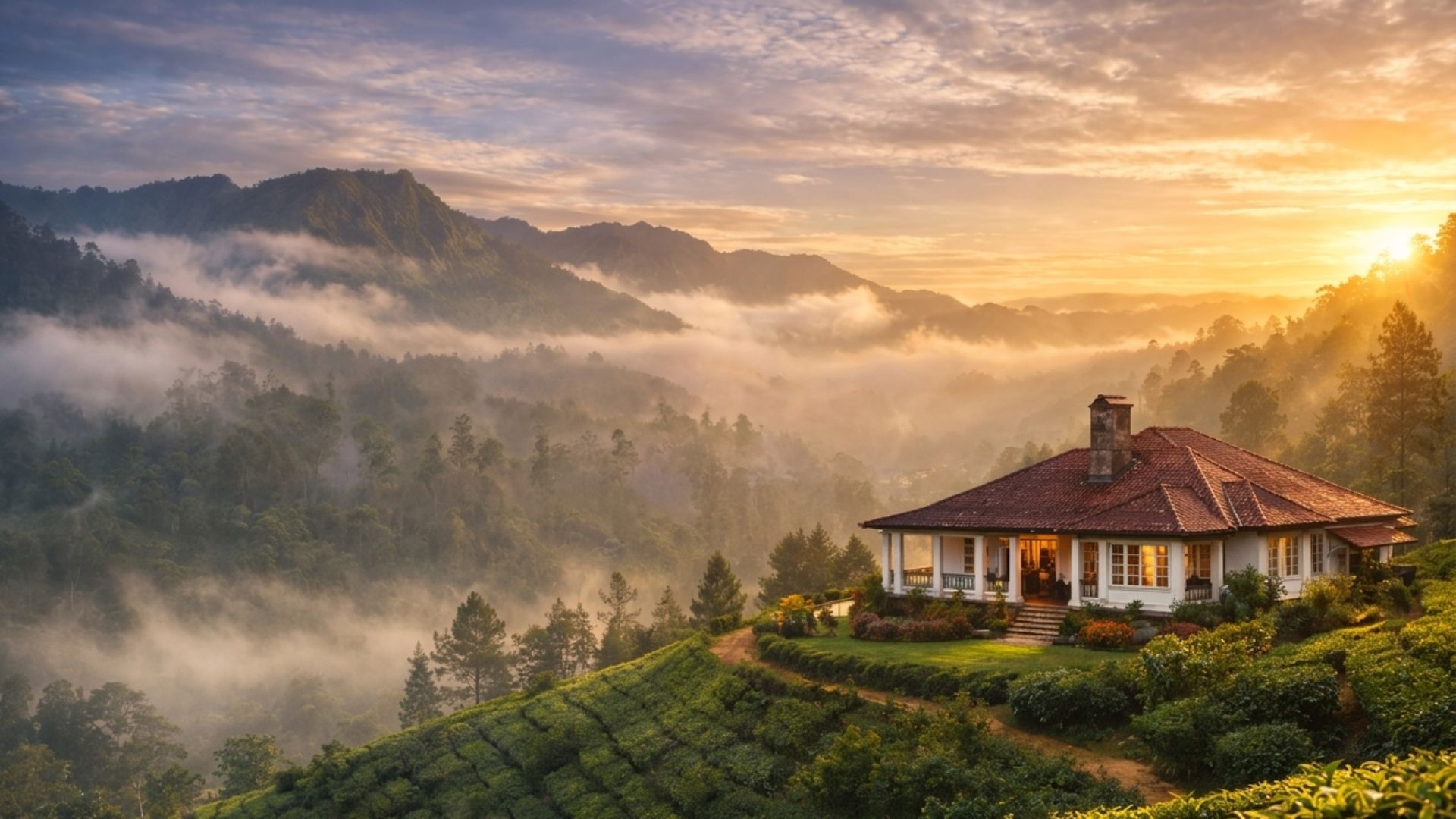
Behind the polished gates, manicured lawns, and quiet driveways of bungalows lies a world rarely spoken about. These homes often symbolise stability, privilege, and calm from the outside. Yet behind the walls, lives unfold in ways that are far more layered, complicated, and human than appearances suggest. The bungalow is not just a structure; it is a container of stories—some loud, many silent.
This is not an exploration of architecture or nostalgia alone. It is an examination of the emotional, social, and generational realities that exist behind these spaces, often unnoticed by those who pass by.
The Illusion of Stillness
From the street, bungalows appear unchanged by time. Their solid walls and grounded presence suggest permanence. But inside, nothing is static. Families evolve. Relationships strain and soften. Dreams are built, abandoned, or quietly reimagined.
The illusion of stillness often hides motion beneath the surface. While the exterior remains the same for decades, the people inside are constantly adapting to changing circumstances—financial pressures, shifting family roles, ageing parents, growing children, and unspoken expectations.
What looks like stability is often resilience.
Generational Weight and Inherited Silence
Many bungalows are inherited homes. With inheritance comes responsibility, memory, and obligation. These houses carry the emotional weight of previous generations—their sacrifices, values, conflicts, and unfulfilled ambitions.
Children grow up learning not just how to live, but how to maintain legacies. Silence becomes a language. Certain topics are avoided out of respect. Certain roles are assumed without discussion. Gratitude is expected, but emotional expression is limited.
Behind these walls, people learn early how to prioritise harmony over honesty. The cost of this is often carried quietly into adulthood.
The Private Nature of Struggle
Struggle inside bungalows is rarely visible. Financial stress is hidden behind well-kept appearances. Marital tension is masked by polite greetings and orderly routines. Mental health challenges are endured privately, sometimes dismissed as personal weakness rather than acknowledged as human experience.
The expectation to “hold it together” is stronger in these spaces. Admitting difficulty can feel like failure—not just of self, but of family reputation. As a result, many residents suffer in silence, maintaining outward normalcy while navigating inner turmoil.
Privacy becomes protection, but also isolation.
Childhood Behind Closed Gates
For children, growing up in a bungalow can be both grounding and confining. There is space, routine, and a sense of order. At the same time, there can be rigid expectations around behaviour, achievement, and respectability.
Children learn quickly what is acceptable to express and what must remain unspoken. Emotions are often managed rather than explored. Success is valued, but vulnerability is not always encouraged.
Many adults who grew up in such homes later realise they were taught how to perform stability long before they understood themselves.
Women and the Quiet Centre of the Home
Women often form the emotional backbone of life behind bungalows. They manage households, maintain appearances, absorb tension, and keep routines intact. Their labour—emotional and physical—is rarely acknowledged because it is expected.
Many women sacrifice personal ambition for family continuity. Their identities become intertwined with caregiving and maintenance. Over time, this quiet responsibility can lead to exhaustion, resentment, or a sense of invisibility.
Yet, these women are also the architects of warmth, memory, and connection. Without their unseen effort, the illusion of calm would collapse.
Men, Authority, and Emotional Distance
Men in these households are often positioned as providers and decision-makers. Authority is respected, but emotional closeness may be limited. Vulnerability is frequently interpreted as weakness, creating emotional distance even within close families.
This dynamic affects everyone. Men struggle to articulate fear, grief, or uncertainty. Family members struggle to connect beyond roles. Over time, silence replaces conversation, and misunderstanding becomes normalised.
The home remains functional, but emotional intimacy thins.
Aging Within Familiar Walls
As residents age, bungalows transform again. Once-full rooms become quiet. Familiar routines slow down. Independence gives way to dependence, often accompanied by frustration and loss of dignity.
Elderly individuals may feel trapped between gratitude for the home they built and grief for the life they no longer recognise. Their presence remains central, yet their voices may fade.
Ageing behind these walls is not just physical—it is deeply emotional, shaped by memory, pride, and fear of becoming a burden.
The Cost of Appearances
Maintaining the image associated with bungalow living comes at a cost. Appearances must be upheld, even when they no longer reflect reality. Repairs are prioritised over emotional repair. Social expectations override personal wellbeing.
This pressure creates an internal conflict between authenticity and obligation. Many residents feel unable to change, leave, or redefine their lives because the house represents more than shelter—it represents identity.
Breaking away feels like betrayal.
Moments of Quiet Rebellion
Despite constraints, quiet rebellion exists. A room repurposed into a private workspace. A late-night conversation that breaks years of silence. A decision to seek therapy, pursue a different career, or question long-held beliefs.
These moments may seem small, but they represent significant shifts. They are acts of reclaiming agency within spaces that have long dictated behaviour.
Change inside bungalows rarely arrives dramatically. It arrives softly, through accumulated courage.
What These Homes Really Hold
Beyond furniture and walls, bungalows hold unresolved conversations, suppressed emotions, and deep love expressed imperfectly. They hold people doing their best within systems they did not fully choose.
Understanding life behind these homes requires empathy. It requires recognising that comfort and struggle often coexist. That privilege does not erase pain. That silence is not the absence of feeling, but often the presence of too much.
These lives deserve to be seen—not as symbols, but as human experiences.
Look Beyond the Facade
The next time you pass a quiet bungalow, resist the urge to assume simplicity or ease. Behind those walls are stories shaped by duty, resilience, love, and loss.
If this reflection resonated with you, take a moment to listen more closely—to your own home, your family, or your past. Conversations left untouched can still be opened. Patterns inherited can still be questioned.
Stories change when they are finally acknowledged.
Click on here “Christmas in Old Ceylon: Colonial Traditions That Still Influence Sri Lankan Festivities”