Sri Lanka’s misty mountains hold a fascinating legacy of colonial elegance, tea culture, and cool highland charm. Long before modern tourism arrived, British planters and colonial administrators escaped the tropical heat by building grand bungalows in the island’s cool hill country. Today, these historic hill stations and colonial bungalows remain among the most enchanting travel experiences in Sri Lanka.
Often called “The British Highlands of Ceylon,” these regions blend rolling tea plantations, Victorian architecture, mist-covered forests, and timeless luxury. For travelers seeking heritage, nature, and serenity, Sri Lanka’s hill country offers an unforgettable journey into the past.
The Birth of the Hill Stations in Colonial Ceylon
During the 19th century, British colonial officials found the coastal climate of Ceylon hot and humid. To recreate the cooler environment of England, they began settling in the central highlands where temperatures were far milder.
Places like Nuwara Eliya, Hatton, and Ella soon became mountain retreats for the British elite.
The British built:
- Victorian-style bungalows
- Tea plantation estates
- Horse racing tracks and golf courses
- English gardens and country clubs
These hill stations quickly developed into elegant highland communities where planters and colonial families lived in comfort surrounded by spectacular landscapes.
Key Point:
Sri Lanka’s hill stations were designed as cool colonial retreats that mirrored the lifestyle of the British countryside.
Click on here “The Grand Orient Hotel Is Ceylon’s First Palace of Hospitality“
Nuwara Eliya – “Little England” in the Clouds
No place represents the British Highlands of Ceylon better than Nuwara Eliya.
Often called “Little England,” this charming town sits over 1,800 meters above sea level and still carries a distinctly British atmosphere.
Visitors can see:
- Red-brick colonial buildings
- English-style cottages
- Manicured gardens
- A historic golf club
- Cool misty weather year-round
One of the most iconic landmarks is Lake Gregory, built during the colonial era as a leisure spot for British officers.
Today, Nuwara Eliya remains one of Sri Lanka’s most popular travel destinations, especially for those seeking heritage tourism, tea country views, and cool mountain air.
Trending Travel Highlight:
Colonial tea bungalow stays in Nuwara Eliya are among the most sought-after luxury experiences in Sri Lanka.
The Legendary Tea Bungalows
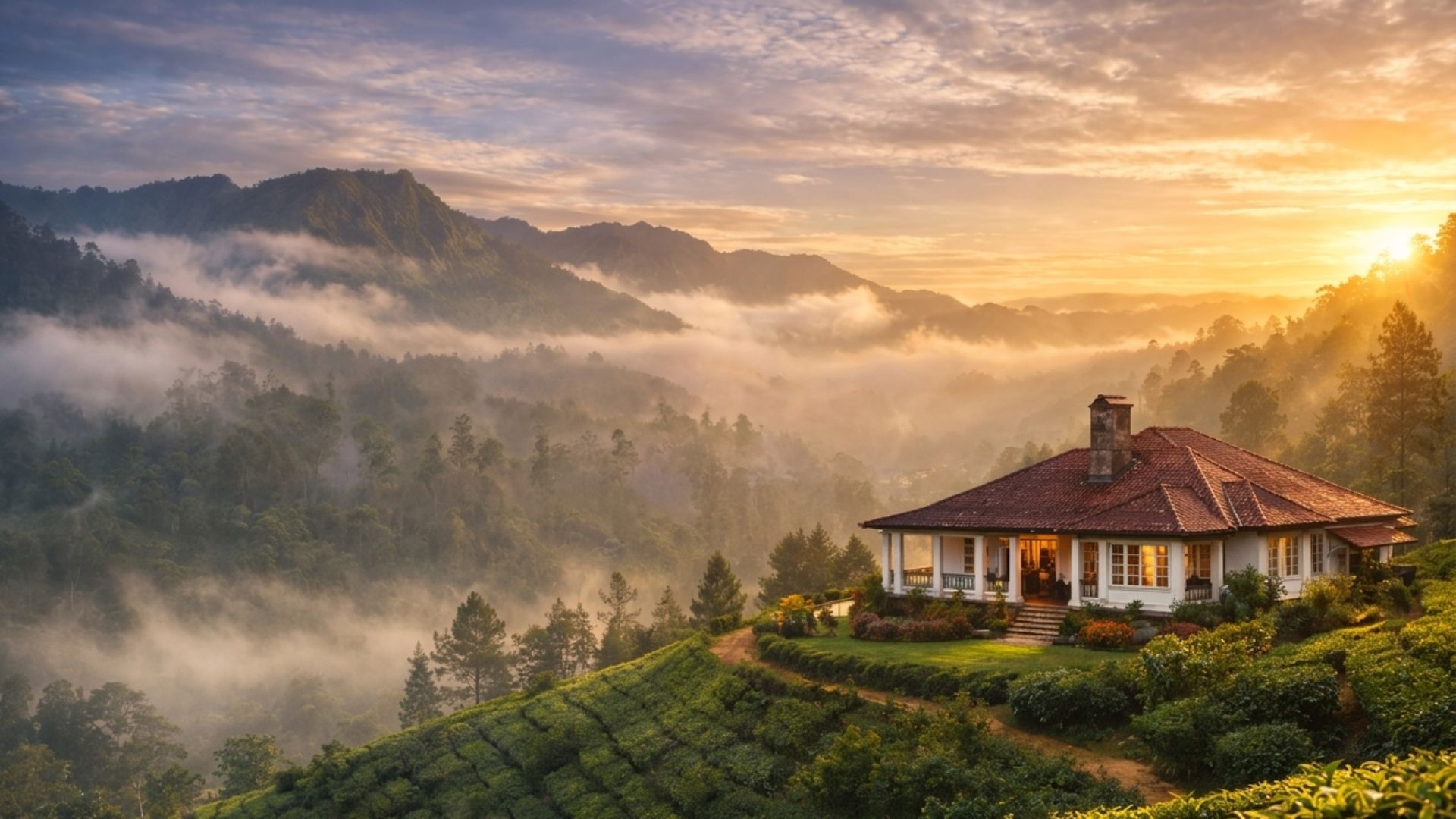
The true soul of the British Highlands lies in the tea estate bungalows scattered across the hills.
These homes were originally built for British plantation managers during the peak of the tea industry. Many of them have been beautifully restored and transformed into boutique heritage hotels.
Some of the most famous include:
- Ceylon Tea Trails
- Heritance Tea Factory
- Nine Skies Bungalow
These bungalows typically feature:
- Fireplaces and antique furniture
- Wide verandas overlooking tea plantations
- English afternoon tea traditions
- Butler-style hospitality
Key Point:
Staying in a colonial tea bungalow offers travelers a rare chance to experience the lifestyle of British tea planters.
The Golden Age of Ceylon Tea
The development of hill stations was closely linked to the rise of the tea industry.
In the late 1800s, James Taylor introduced commercial tea cultivation in the central highlands. Soon, the mountains transformed into endless green plantations.
Tea estates spread across regions such as:
- Central Highlands of Sri Lanka
- Hatton
- Talawakele
The tea industry quickly became one of the most important economic drivers of colonial Ceylon.
Today, Ceylon Tea remains one of the most famous teas in the world, and many plantations still operate in these same historic hills.
Scenic Train Journeys Through the Highlands
One of the most iconic ways to experience Sri Lanka’s hill country is by train.
The railway line built by the British still connects the mountains with the rest of the island. The journey between Kandy and Ella is considered one of the most beautiful train rides in the world.
Travelers pass through:
- Misty tea estates
- Dense cloud forests
- Deep valleys and waterfalls
- Historic railway bridges
A famous highlight is Nine Arch Bridge, an engineering masterpiece built entirely from stone and cement during the colonial era.
Trending Experience:
The Kandy–Ella train ride is now one of the most Instagrammed travel experiences in Asia.
Life Inside a Colonial Bungalow
Staying in a hill country bungalow is more than accommodation — it is an immersive heritage experience.
Guests often enjoy:
- Afternoon tea on the veranda
- Guided tea plantation walks
- Fireplace dinners on cool mountain nights
- Private butler service
- Sunrise views over tea-covered hills
The pace of life in these bungalows is intentionally slow and peaceful.
Key Point:
Colonial bungalows offer a rare blend of history, luxury, and nature that modern hotels cannot replicate.
Why Travelers Love the British Highlands of Sri Lanka
Modern travelers are increasingly drawn to heritage tourism, slow travel, and nature escapes — all of which Sri Lanka’s hill stations provide.
Reasons visitors love the hill country include:
- Cool climate and fresh mountain air
- Stunning tea plantation landscapes
- Colonial architecture and history
- Luxury heritage hotels
- Scenic train journeys
- Hiking and waterfall adventures
Destinations like Ella and Nuwara Eliya have become global travel hotspots for this reason.
The Legacy of the British Highlands
More than a century later, the British legacy in Sri Lanka’s hill country still shapes the region’s identity.
From Victorian bungalows and tea estates to historic railways and English gardens, the colonial influence remains deeply woven into the highland landscape.
Yet these places have evolved beyond their colonial past. Today they celebrate Sri Lanka’s tea culture, natural beauty, and warm hospitality while preserving an important chapter of the island’s history.
Final Thought:
The British Highlands of Ceylon are not just destinations — they are living heritage landscapes where history, nature, and elegance come together in the misty mountains of Sri Lanka.