Across the coastal edges of Sri Lanka lies a living museum of history streets where colonial echoes linger in architecture, names, and culture. While centuries have passed since Dutch rule ended, some towns still carry the unmistakable imprint of that era. Walking through these historic lanes feels like stepping into a story where the past whispers through weathered walls, old churches, and cobblestone roads.
From the fortified streets of Galle Fort to the quiet canals of Negombo, these places continue to preserve the legacy of the Dutch Colonial Period in Sri Lanka a time that shaped trade, architecture, and urban life across the island.
Click on here “The Grand Orient Hotel Is Ceylon’s First Palace of Hospitality“
The Arrival of the Dutch in Ceylon
In the mid-17th century, the Dutch East India Company arrived in Ceylon seeking control over the lucrative spice trade. By 1658, they had replaced Portuguese power in most coastal regions, establishing fortified towns and organized trading centers.
Unlike earlier colonizers, the Dutch were meticulous planners. They built cities with grid-pattern streets, canals, warehouses, and administrative buildings, many of which still stand today. Their architectural influence blended European practicality with tropical adaptation thick coral walls, high ceilings, and wide verandas designed for the island’s climate.
Key legacy of Dutch rule:
- Urban planning and grid-style streets
- Fortifications and military architecture
- Canal systems for transport and irrigation
- Legal and administrative systems still influencing Sri Lankan law
These contributions shaped the identity of several towns that still “speak Dutch” through their design.
Galle Fort: A Living Dutch Town
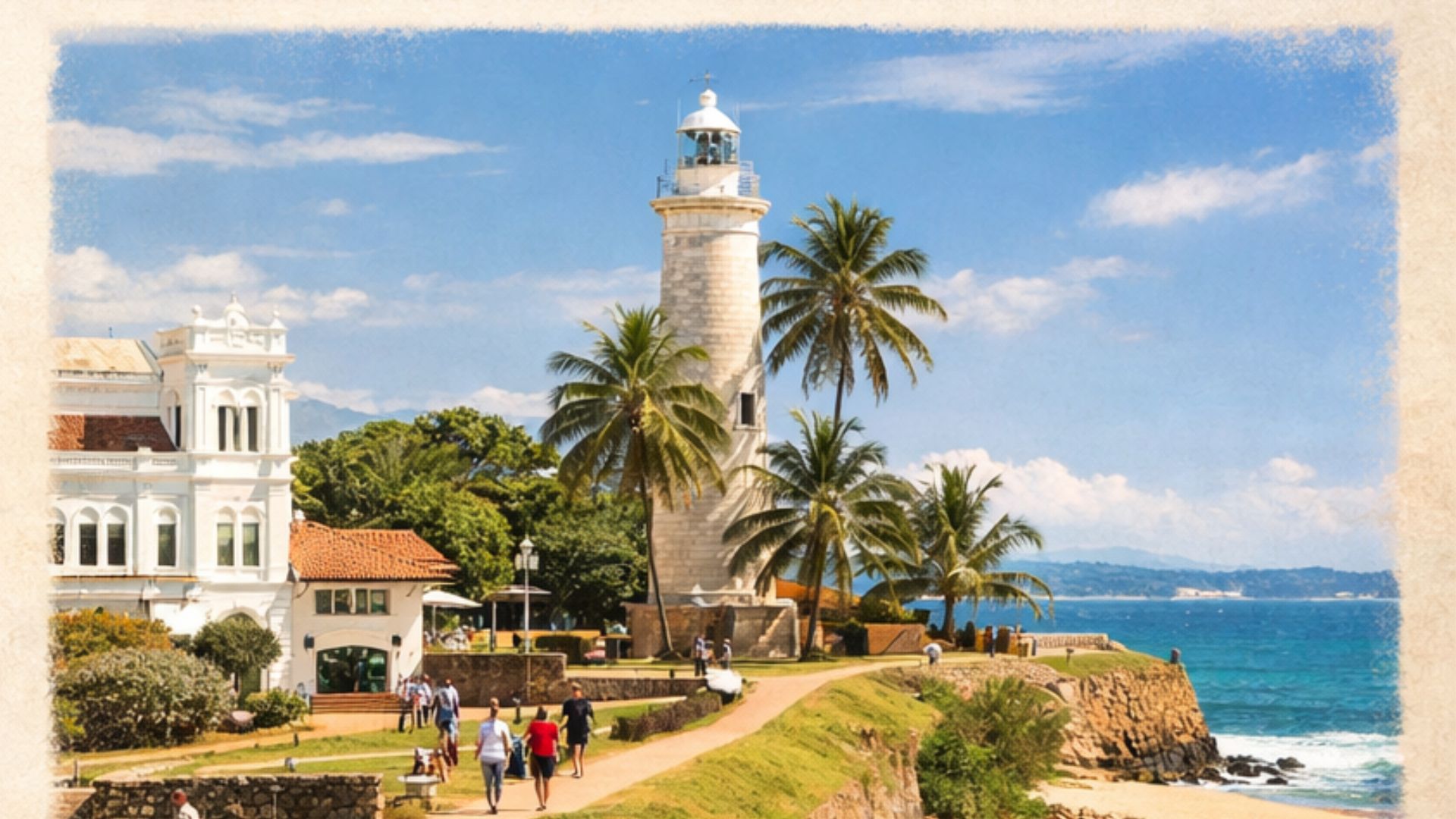
No place reflects Dutch colonial urban design better than Galle Fort. Originally built by the Portuguese in the 16th century, the Dutch expanded and fortified it into one of the best-preserved colonial towns in Asia.
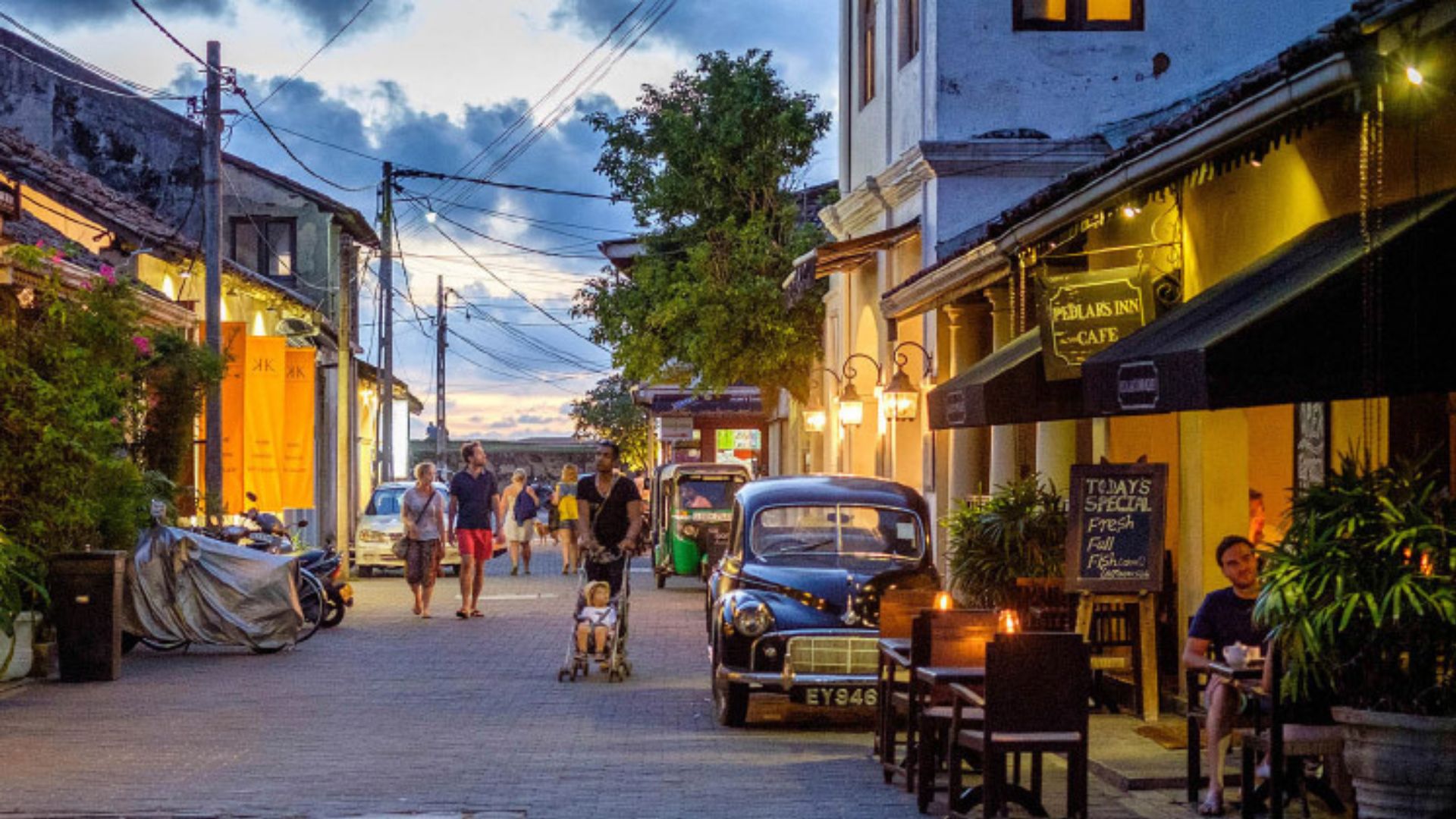
Today, its narrow streets still carry names such as Church Street, Lighthouse Street, and Pedlar Street, reminders of the town’s European past.
Walking through the fort reveals:
- Dutch-era mansions with arched doorways
- Stone-paved streets lined with boutiques and cafés
- Historic churches like Dutch Reformed Church
- Ancient ramparts overlooking the Indian Ocean
What makes the fort unique is that it is not a museum it is a living town where people still live, work, and create culture within centuries-old walls.
Colombo’s Forgotten Dutch Streets
Before modern skyscrapers transformed the skyline, Colombo was a strategic Dutch port city. Though much of the old architecture has vanished, fragments remain in the Colombo Fort and surrounding districts.
Hidden among busy commercial streets are:
- Old Dutch warehouses
- Colonial administrative buildings
- Historic churches and trading houses
One remarkable landmark is the Dutch Hospital Shopping Precinct, originally built in the 17th century to treat Dutch soldiers and sailors. Today it has transformed into a vibrant lifestyle and dining destination while retaining its beautiful colonial courtyards and thick stone walls.
The site is a perfect example of adaptive heritage preservation, where history meets modern urban culture.
Negombo: The Little Amsterdam of Sri Lanka
Further north lies Negombo, often nicknamed “Little Amsterdam.” During Dutch rule, the town became an important cinnamon trading hub.
The Dutch built an extensive canal system connecting coastal lagoons and inland waterways. These canals allowed boats to transport spices efficiently while also improving irrigation and transport.
Today visitors can still see:
- Dutch canals weaving through the town
- Remains of the old Negombo Dutch Fort
- Colonial churches reflecting Dutch influence
The canals remain one of the most visible symbols of Dutch engineering in Sri Lanka.
Architecture That Defied Time
Dutch colonial architecture in Sri Lanka was not just about aesthetics it was designed for durability and climate adaptation.
Common features included:
- Thick coral or limestone walls to keep interiors cool
- Large shuttered windows for ventilation
- Clay-tiled roofs to withstand tropical rain
- Wide verandas to create shaded outdoor spaces
Many of these design principles are still used in modern tropical architecture today. In places like Galle Fort, walking along the streets reveals houses built over 300 years ago that remain structurally sound.
These buildings demonstrate how colonial architecture evolved to suit local environments while maintaining European design elements.
Language, Law, and Cultural Footprints
The Dutch influence in Sri Lanka extends beyond architecture.
Some everyday words in Sinhala and Tamil originate from Dutch, particularly in areas related to administration and trade. Meanwhile, the Roman-Dutch legal system introduced during the colonial era still forms part of Sri Lanka’s legal foundation.
Cultural impacts include:
- Dutch surnames still used by Sri Lankan families
- Historic churches and Christian communities
- Colonial records shaping modern legal systems
These elements remind us that colonial history, though complex, has become interwoven with the island’s identity.
Tourism and Heritage Revival
In recent years, Sri Lanka has embraced its colonial heritage as a valuable cultural asset. Restoration projects and heritage tourism initiatives have helped preserve historic districts while supporting local economies.
Destinations like Galle Fort attract travelers interested in history, architecture, and cultural storytelling.
Visitors now explore:
- Boutique hotels inside Dutch mansions
- Art galleries and craft shops
- Cafés inside restored colonial buildings
This blend of preservation and creativity has turned historic streets into thriving cultural hubs.
Walking Through History
Standing on the ramparts of Galle Fort, watching waves crash against centuries-old walls, it becomes clear that these streets are more than just tourist attractions.
They are storytellers.
Every stone pathway, canal, and church bell carries echoes of merchants, sailors, and settlers who once walked these same routes. The Dutch may have left Sri Lanka more than two centuries ago, but their legacy remains etched into the urban fabric of the island.
These streets still speak Dutch—not through language alone, but through architecture, culture, and history that continue to shape Sri Lanka’s identity today.