
A Bakery That Raised a Generation And Quietly Shaped Working Women’s Colombo
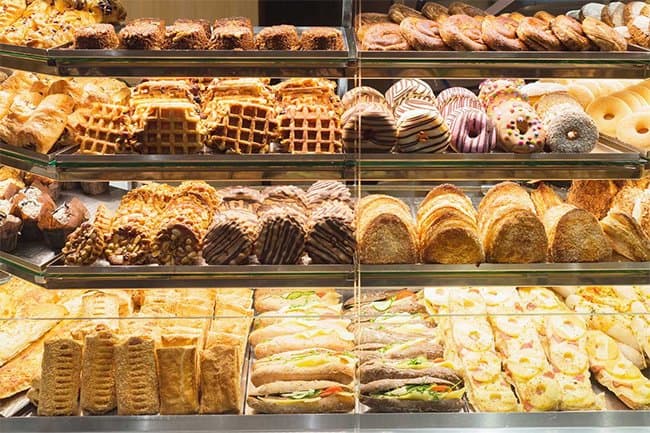
In Colombo, history is not always written in books or monuments. Sometimes, it is baked fresh every morning. Long before corporate cafeterias, food delivery apps, and café culture became the norm, there were neighbourhood bakeries modest storefronts with glass counters, warm ovens, and staff who knew your order before you spoke. Among them, a particular kind of bakery did something far more lasting than selling bread. It raised a generation. And, without ever claiming credit, it quietly shaped the lives of working women across Colombo.
This is not a story about nostalgia for its own sake. It is about how everyday spaces create social infrastructure and how food, routine, and reliability gave women something far more valuable than convenience: continuity.
Recent article click on here “Old Colombo Neighbourhoods Where Community Once Felt Like Family”
A City Waking Up And Women Learning to Move With It
Colombo’s working women did not always move through the city with the ease they do today. For earlier generations, employment outside the home came with logistical, emotional, and social negotiations. Time was scarce. Expectations were heavy. Support systems were limited.
In this environment, the neighbourhood bakery became a silent ally.
Opening early, closing late, and standing firm through political unrest, economic shifts, and generational change, it offered something rare: predictability. A place that did not demand explanation. A place that did not judge ambition. A place that simply showed up, every day.
For women rushing to offices, schools, hospitals, banks, courts, and classrooms, this mattered more than anyone realised at the time.
Breakfast Was Never Just Breakfast
The bakery counter was not just about bread, buns, or pastries. It was about time management before the term existed.
A working woman could step in, pick up breakfast for herself, her children, or her parents, and leave knowing that at least one decision for the day was already handled. That quiet efficiency reduced friction in mornings that were otherwise filled with pressure.
In households where women were expected to manage both professional and domestic roles seamlessly, the bakery offered a practical compromise. It allowed them to outsource labour without outsourcing care.
That distinction is important.
The Unspoken Agreement Between Women and the Counter Staff
Regulars did not need to ask. The staff knew.
One bun for the bus ride. Extra bread on Fridays. A wrapped pastry for a child who refused breakfast at home. The exchange was brief, efficient, and deeply human.
For working women, especially those navigating early careers, this recognition mattered. It was a small but stabilising reminder that they were seen not as professionals or homemakers, but as people moving through layered responsibilities.
The bakery never asked for explanations. It did not question why a woman was in a hurry, dressed formally, or buying dinner at 6 a.m. It simply facilitated her movement.
Food as Emotional Infrastructure
Urban planners talk about infrastructure in terms of roads and buildings. But emotional infrastructure the systems that reduce daily cognitive load often goes unnoticed.
The bakery functioned as one such system.
Knowing that food would be available, affordable, familiar, and reliable reduced anxiety. It gave women margin mental space to focus on work, children, or simply getting through the day.
This matters when we talk about women’s workforce participation. Structural progress is not only driven by policy. It is sustained by mundane systems that make daily life workable.
A Safe Public Space Before “Safe Spaces” Were Named
For many women, the bakery was one of the earliest public spaces where they felt unremarkable and that was the point.
No one stared. No one questioned presence. No one interpreted ambition.
A woman standing alone at a bakery counter early in the morning or late in the evening did not invite commentary. The space was neutral, functional, and quietly respectful.
This neutrality allowed women to exist in public without performance. That subtle normalisation shaped how confidently they later occupied offices, boardrooms, and leadership roles.
Generational Continuity in a Changing City
What makes this bakery remarkable is not just longevity, but continuity.
Mothers who once picked up breakfast on the way to work later sent their daughters to the same counter. Recipes remained consistent. Staff aged alongside customers. The environment evolved without erasing itself.
In a city constantly negotiating modernity and tradition, the bakery offered a bridge between generations of working women each navigating different challenges, yet anchored by the same routines.
That shared reference point created a quiet cultural lineage.
Why Working Women Trusted This Space
Trust is built through repetition, not branding.
The bakery did not need marketing language or lifestyle positioning. Its credibility came from years of consistency pricing that remained fair, portions that did not shrink without explanation, and quality that did not fluctuate with trends.
For women managing budgets, families, and careers, this reliability was non negotiable.
Trust allowed delegation. Delegation created capacity. Capacity enabled progress.
Before Wellness Trends, There Was Practical Nourishment
Today’s discourse around nutrition, balance, and “fueling productivity” often forgets its roots.
Long before wellness influencers and productivity frameworks, working women made pragmatic food choices based on availability, affordability, and energy.
The bakery provided sustenance, not spectacle. Food that could be eaten quickly, shared easily, and trusted to be safe.
It was not aspirational. It was functional and that functionality supported real lives.
A Quiet Feminist Space Without the Language
The bakery never labelled itself progressive. It never claimed to empower women.
And yet, it did.
By accommodating working women without question, by normalising their presence in public routines, and by reducing the friction between work and home life, it enabled agency.
This form of empowerment did not rely on slogans. It relied on service.
Sometimes, the most impactful feminist spaces are the ones that never announce themselves.
Why These Places Matter More Than Ever
As Colombo becomes faster, louder, and more digitally mediated, the disappearance of such spaces would leave a real gap.
Delivery apps cannot replicate recognition. Cafés cannot replace efficiency. Corporate food solutions cannot substitute familiarity.
For working women especially those balancing multiple generations under one roof spaces that quietly support daily logistics remain essential.
They are not glamorous. But they are foundational.
Legacy Is Not Always Loud
This bakery did not raise a generation by intention. It did so by presence.
By opening on time. By staying consistent. By understanding its customers without interrogating them.
In doing so, it shaped how working women moved through Colombo with slightly less stress, slightly more support, and a sense that the city could work with them, not against them.
That is legacy.
And like the best things in life, it was never advertised.