A Coronation-Era Moment at Sea Women, Service, and Silent Careers Behind a Historic Photograph
The Photograph That Froze a Generation in Time
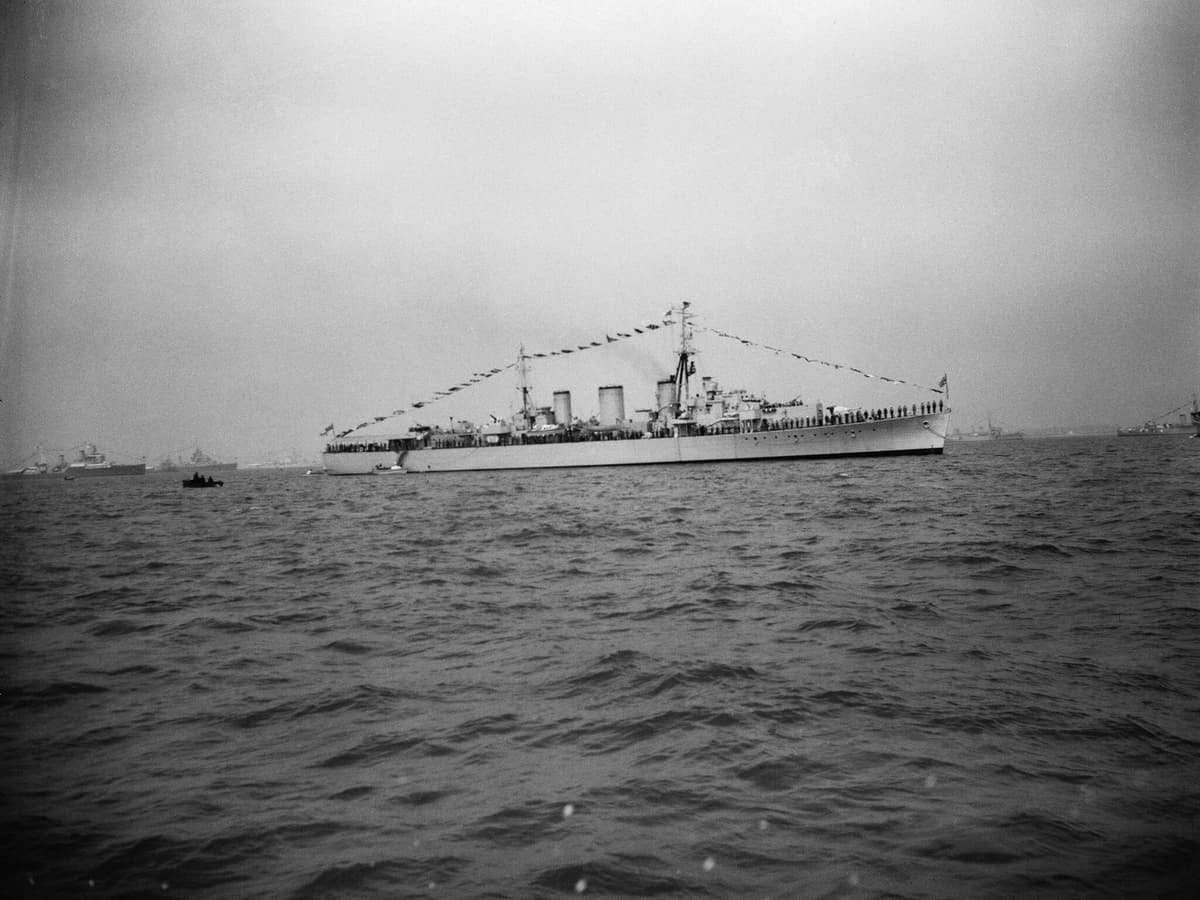
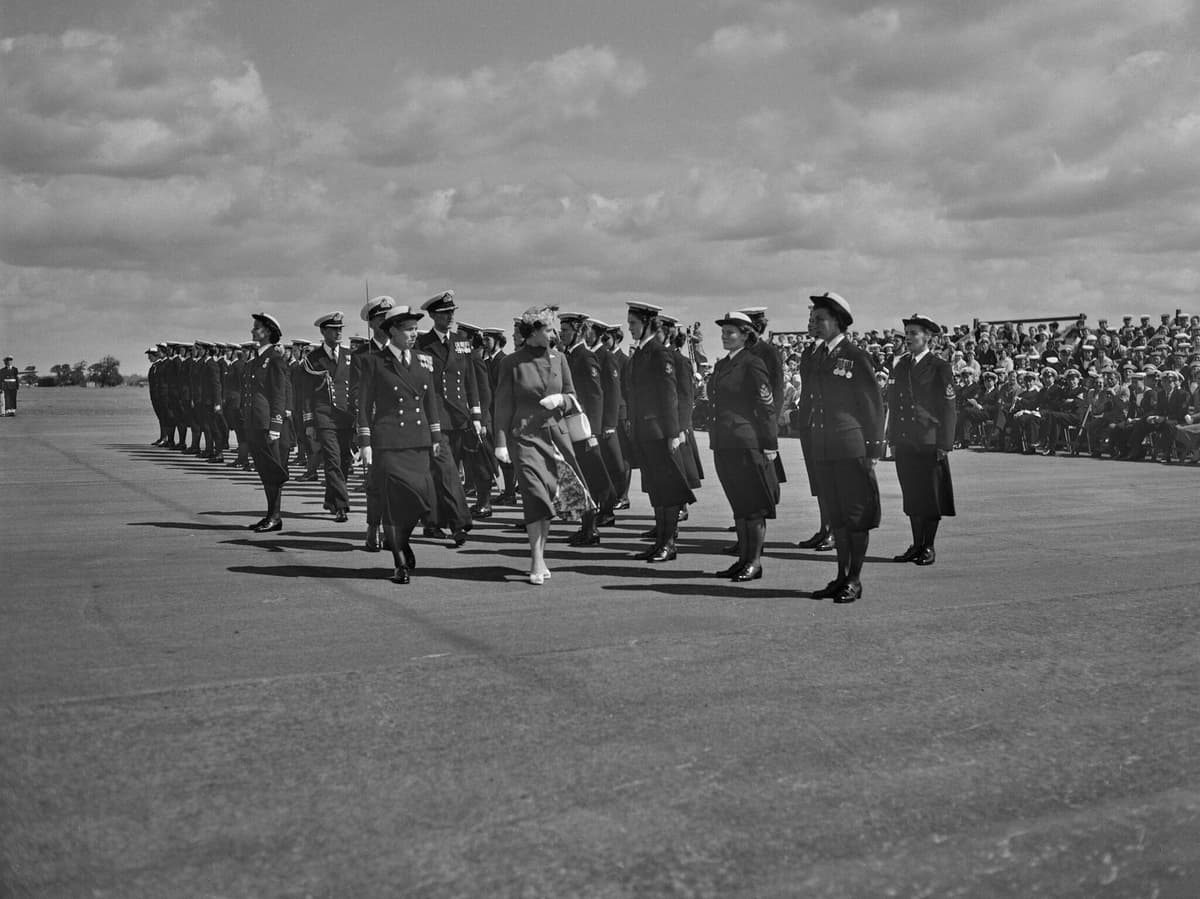
In 1953, as the world turned its gaze toward Britain for the coronation of Queen Elizabeth II, thousands gathered not only in Westminster Abbey but along coastlines and aboard naval vessels. One such moment captured in a now-historic photograph shows a royal naval review at sea. Warships aligned in disciplined symmetry. White uniforms crisp against steel-grey hulls. Crowds craning for a glimpse of the future sovereign.
At first glance, it appears ceremonial: ships, flags, order. But a deeper reading reveals something else women positioned quietly within the machinery of empire and ceremony, present but not central, essential but seldom acknowledged.
This article examines that photograph not simply as a royal image, but as a cultural document one that speaks to women’s labour, service, and the silent careers unfolding behind public history.
The Coronation Beyond the Abbey
The coronation of Elizabeth II on 2 June 1953 was not confined to London. It extended into the armed forces, the Commonwealth, and maritime displays of allegiance. The Royal Navy’s coronation review at Spithead was a symbolic assertion of continuity an empire transitioning into a modern state under a young queen.
Warships such as HMS Surprise participated in ceremonial formations, representing not just naval might but national identity.
Yet what the camera rarely foregrounded was this:
Behind every polished deck and orchestrated salute stood logistical teams, communications staff, medical personnel, clerical officers, and intelligence workers many of whom were women.
By 1953, women had already proven indispensable during World War II. But peacetime often reshapes memory. The photograph captures a nation celebrating continuity. It does not capture the negotiation women were still making for permanence within institutions that had relied on them during war.
Click on here “Dutch Wolvendaal Church A Living Monument of Colonial History and Quiet Strength”
Women in Uniform: Presence Without Spotlight
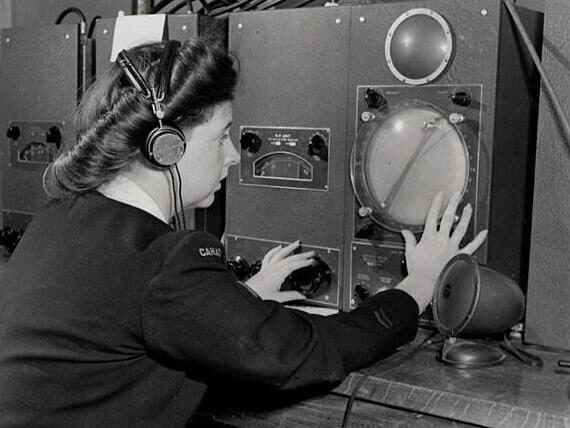
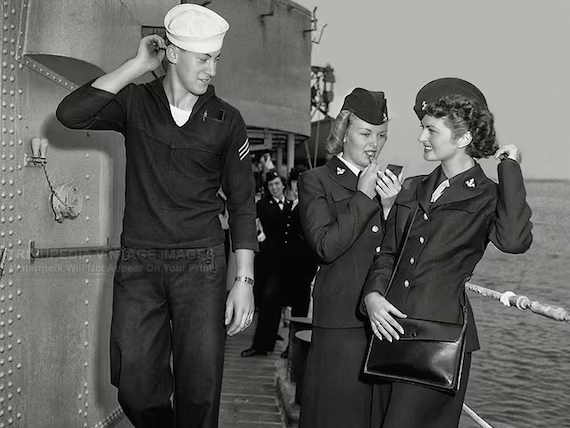
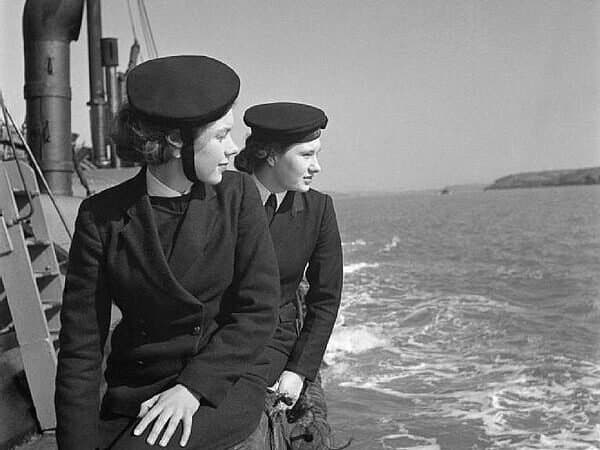
The Women’s Royal Naval Service (WRNS), informally known as the “Wrens,” had been disbanded after World War I and revived in 1939. By the 1950s, women were serving in communications, intelligence, meteorology, and administration.
In coronation imagery, they are rarely centre frame. Yet they were there.
Key reality:
- Women were integral to naval communications and operational coordination.
- They performed skilled technical work long before equal recognition followed.
- Their uniforms symbolised both progress and limitation.
Unlike their male counterparts, most women were restricted from combat roles. Their authority was bounded. Advancement was slower. But their contribution was structural, not symbolic.
The coronation review thus becomes layered: a ceremonial surface masking the gendered architecture beneath it.
Ceremony as Performance of Stability
Public rituals during times of transition are rarely neutral. In 1953, Britain was navigating post-war austerity, decolonisation pressures, and shifting global power dynamics. The coronation was reassurance.
A fleet at sea conveyed strength. A young queen conveyed continuity.
But what did it mean for women?
The paradox is striking. Elizabeth II ascended as a female monarch in a heavily patriarchal institution. Her image crowned, robed, commanding projected sovereign authority. Meanwhile, women within the armed services operated within narrow career lanes.
This contrast matters.
- Symbolic female power at the top did not immediately translate into systemic gender equity below.
- Representation in imagery can coexist with restriction in practice.
The photograph thus captures more than a naval parade. It captures a structural contradiction.
Silent Careers in the Mid-20th Century
Careers for women in the 1950s were often described as “service” rather than “profession.” Marriage bars were common across sectors. Many women left formal employment upon marrying. Leadership pathways were constrained.
Within the WRNS and related services, women developed high-level administrative and technical competence. Yet institutional culture framed these contributions as supportive rather than strategic.
Key structural features of the era:
- Promotion ceilings limiting senior command roles.
- Segregated training pathways.
- Pay disparities embedded in policy.
The photograph does not reveal pay grades. It does not show organisational charts. But it represents the environment in which these realities operated.
Behind every ceremony were spreadsheets, radio frequencies, logistics chains, intelligence briefings often coordinated by women whose names would never enter official archives with prominence.
A Queen and a Generation
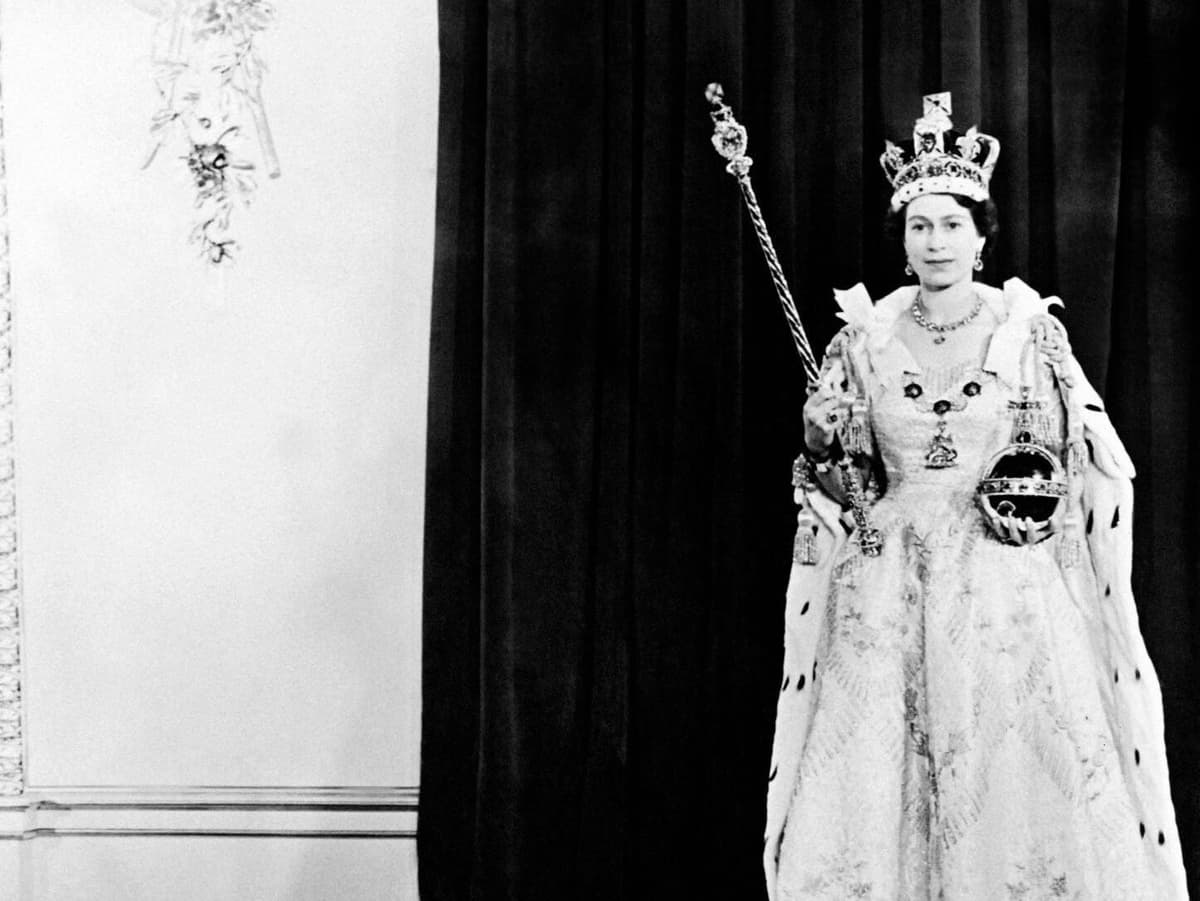
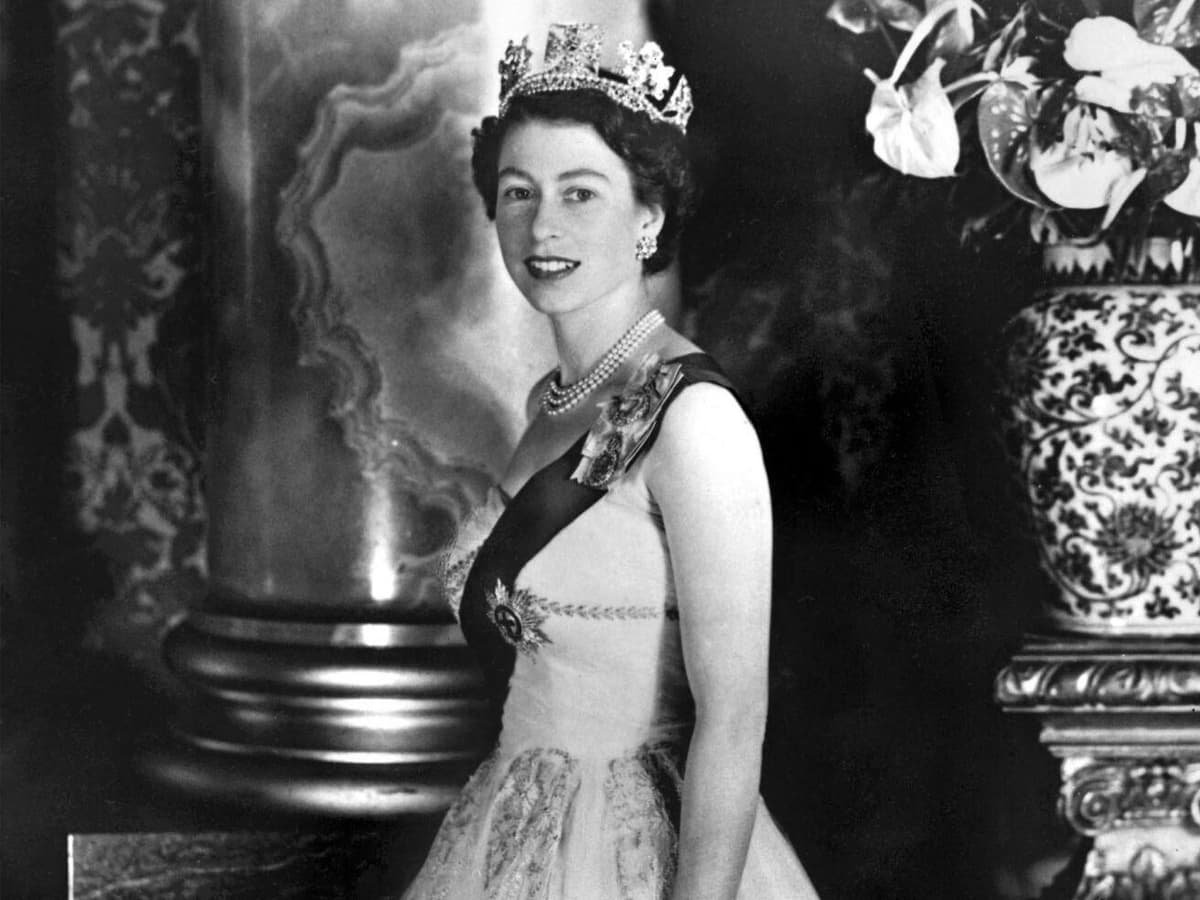
Elizabeth II’s reign would span seventy years. Across that time, women’s participation in military and public life would expand dramatically. Combat restrictions would eventually lift. Leadership representation would grow.
But in 1953, those futures were embryonic.
The coronation generation of women stood at an inflection point. Many had experienced wartime responsibility and peacetime contraction. They carried competence without corresponding institutional latitude.
The queen symbolised endurance. These women embodied transition.
The photograph becomes an artefact of that tension.
Reading Between the Lines of the Image
Historic photographs often invite nostalgia. Crisp uniforms. Ordered lines. Flags catching sea wind.
Yet a critical reading asks different questions:
- Who organised the event?
- Who coordinated communications?
- Who processed the documentation?
- Who maintained administrative continuity?
In many cases, the answer includes women whose careers remained footnotes.
Visual silence does not equal professional absence.
This principle remains relevant. Even today, high-visibility leadership moments can obscure the invisible labour sustaining them.
From Maritime Service to Modern Institutions
The story does not end at sea.
The mid-20th century marked the gradual professionalization of women’s careers across sectors law, medicine, academia, civil service. The armed forces evolved more slowly, but evolution did occur.
By the late 20th and early 21st centuries:
- Women entered naval command pathways.
- Operational restrictions reduced.
- Policy frameworks increasingly codified equality.
Yet progress was incremental.
The coronation photograph is therefore a baseline. A visual starting point against which to measure transformation.
The Broader Question: How History Remembers Women
History tends to foreground sovereigns, admirals, and ships. It marginalises clerks, coders, meteorologists, nurses, and communication officers.
This is not accidental. It reflects what institutions choose to document and celebrate.
Key insight:
- Archival visibility shapes collective memory.
- Institutional narratives often privilege formal authority over operational labour.
- Women’s contributions have frequently been categorised as auxiliary rather than central.
The coronation-era naval image thus invites reframing. Instead of asking what ship is in frame, we might ask who made the moment operationally possible.
Service, Gender, and Public Ritual
Public rituals crystallise social hierarchies. Who stands where matters. Who salutes. Who commands. Who observes.
In 1953, the architecture of power was visually ordered. Men commanded ships. The monarch presided. Women operated largely within defined professional boundaries.
Yet even within those boundaries, careers were being built.
Skills acquired in communications rooms translated into civilian expertise. Administrative training supported post-service careers. Networks formed within service environments shaped later leadership roles.
The photograph captures the start of trajectories that would mature decades later.
Why This Moment Still Matters
It would be easy to treat the coronation naval review as a closed chapter an image belonging solely to British imperial history.
But the themes are contemporary.
In modern institutions corporate, governmental, military visible leadership often rests upon invisible labour. Women continue to occupy operationally critical yet under-recognized roles in many sectors.
The coronation-era photograph is a reminder that:
- Representation at the symbolic apex does not automatically equal structural parity.
- Institutional change unfolds over decades, not ceremonies.
- Silent careers shape public history more than we acknowledge.
Reframing the Photograph
Rather than viewing the image solely as a royal spectacle, consider it as a layered organisational snapshot.
On the surface: ships, ceremony, monarchy.
Beneath the surface:
- Scheduling grids.
- Signal transmissions.
- Weather forecasts.
- Administrative approvals.
- Personnel coordination.
Women were embedded within those systems.
Their work was not ornamental. It was infrastructural.
Conclusion: Beyond the Frame
A coronation at sea signalled continuity. But beneath continuity lay change in motion.
Women in 1953 naval service were neither anomalies nor mascots. They were professionals operating within constrained yet evolving systems. Their careers were often quiet, rarely headline-grabbing, and structurally bounded.
Yet without them, the ceremony itself would not have functioned with precision.
Historic photographs freeze visible actors. They rarely capture institutional ecosystems.
This particular image warships aligned under a new queen deserves reinterpretation not only as a royal milestone but as a testament to women whose service sustained the spectacle without commanding the lens.
Their careers may have been silent in archives, but they were decisive in execution.
And in that sense, the photograph is not merely about a coronation.
It is about the women who made continuity possible often without recognition, always with competence.