Bhakthi Gee Across the Island: The Music, the Faith, and the Community Stories
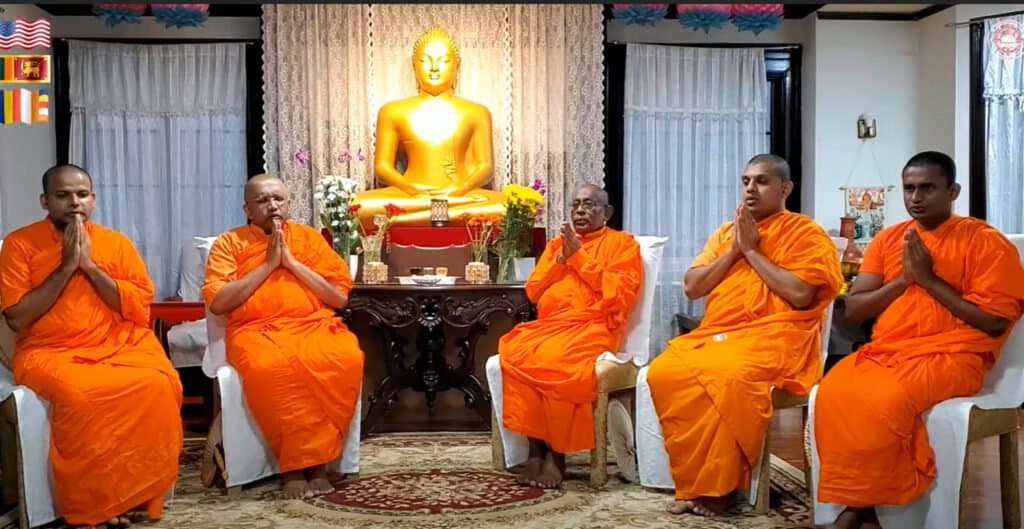
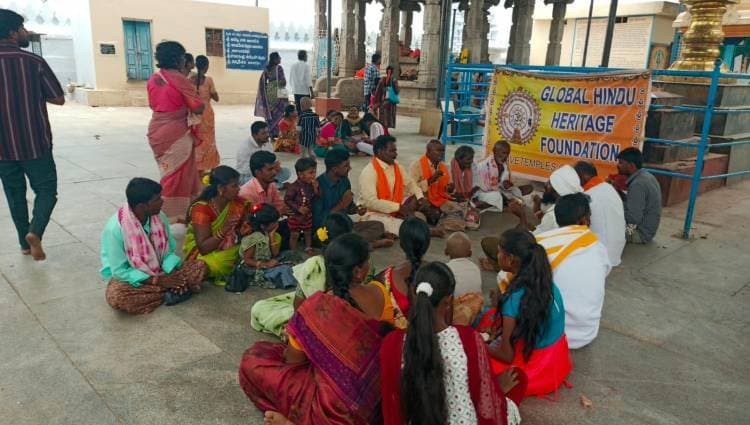
Sri Lanka carries a distinctive spiritual rhythm. Beyond the lights, travel rush, and year-end celebrations, there is a quieter, deeply rooted cultural current flowing through villages, temples, kovils, and community halls. Bhakthi Gee—devotional songs sung in praise, gratitude, and reflection—become more audible during this month, echoing across the island in Sinhala, Tamil, Pali, and even hybrid folk forms shaped by local traditions.
These are not performances staged for audiences. They are lived moments of devotion, often unrecorded, carried by voices shaped more by faith than training. December amplifies this tradition, turning Bhakthi Gee into a shared cultural language that binds communities during a time of transition—from one year to the next.
The Seasonal Pulse of Devotional Music
Bhakthi Gee is sung throughout the year, but December brings a noticeable shift in tone and frequency. With Unduvap Poya commemorating the arrival of Sanghamitta Theri and the sacred Bodhi sapling, devotion takes on a reflective, almost meditative quality. Communities turn inward, using music as a way to pause, remember, and realign.
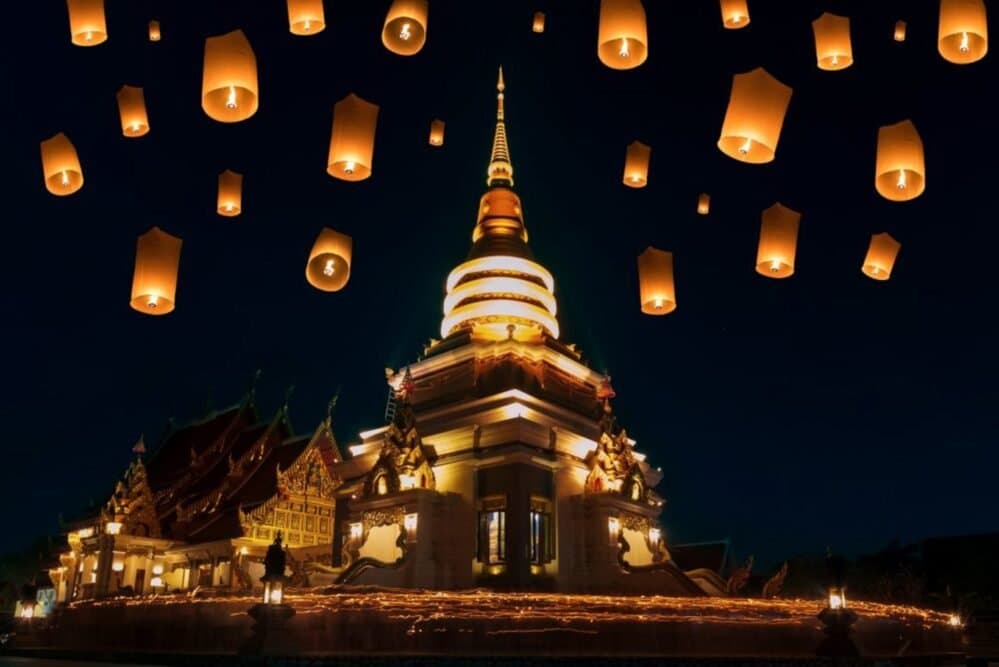
Evenings are cooler. Oil lamps glow longer. People linger after temple offerings. In this atmosphere, Bhakthi Gee becomes less about ritual obligation and more about emotional grounding—closing the year with humility, gratitude, and hope.
Voices Without Stages: How Bhakthi Gee Lives in Communities
Unlike formal concerts or televised religious programmes, Bhakthi Gee in December often unfolds in informal spaces:
- Small temple courtyards after evening pooja
- Community halls hosting annual sil programmes
- Homes where elders gather children to sing old verses
- Temporary pandals set up for Bodhi poojas
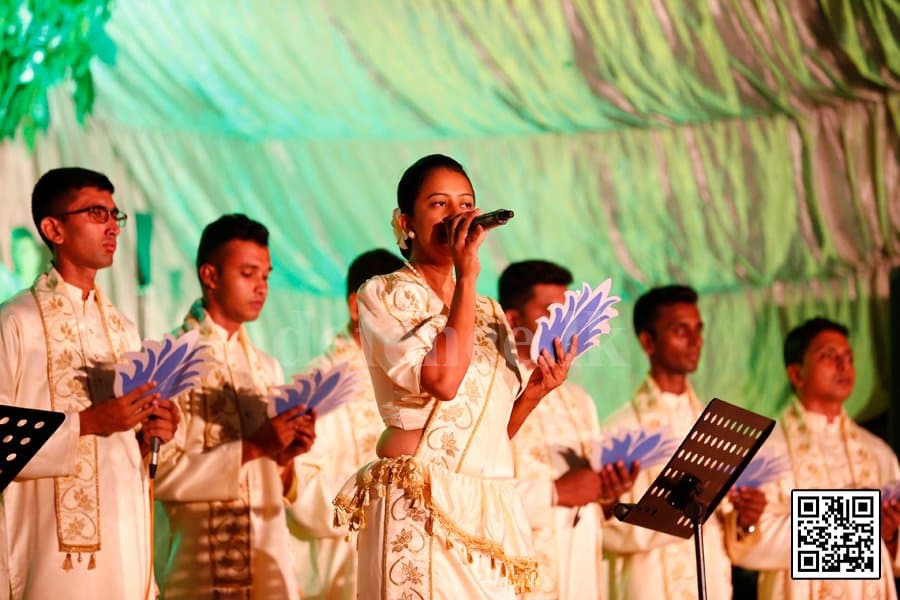
The singers are teachers, farmers, office workers, students, and retirees. There is rarely a lead singer. Harmonies form organically. Mistakes are ignored. What matters is collective intention, not perfection.
In many rural areas, these sessions double as storytelling circles—where elders explain the meaning behind each verse, connecting lyrics to Jathaka stories, moral lessons, or personal life experiences.
Regional Expressions: One Island, Many Devotional Sounds
Bhakthi Gee is not monolithic. Each region carries its own flavour:
In the Southern Province, devotional singing often blends with folk rhythms, creating a slow, wave-like cadence influenced by coastal life.
In the Central Highlands, verses are sung more deliberately, with clear diction and pauses that mirror traditional pirith chanting styles.
In the North and East, Tamil devotional songs sung during December intertwine bhakthi traditions with seasonal observances, using instruments like the harmonium and mridangam.
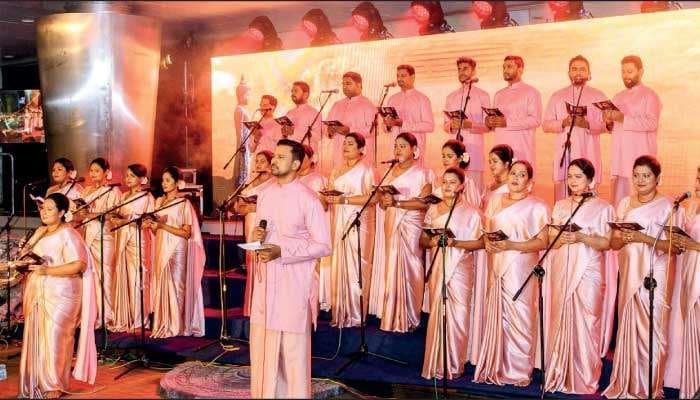
Urban areas introduce subtle modern influences—soft keyboards, recorded backing tracks, or youth choirs—but the essence remains unchanged: reverence over performance.
Unduvap Poya and the Feminine Thread of Devotion
December’s spiritual identity is inseparable from Unduvap Poya. This sacred day honours Sanghamitta Theri and, by extension, the role of women in preserving and transmitting faith. Many Bhakthi Gee sung during this period explicitly reference compassion, nurturing, patience, and moral strength.
In several temples, women-led devotional groups take prominence in December, organising all-night Bodhi poojas and leading bhakthi sessions. These gatherings are not framed as empowerment initiatives; they are continuations of a lineage where faith is carried quietly through generations.
Click on here “How DITWA Rainfall Patterns Are Changing the December Tea-Picking Season”
The Emotional Language of Bhakthi Gee
What makes Bhakthi Gee enduring is its emotional accessibility. You do not need theological knowledge to feel its impact. The melodies are repetitive, allowing minds to settle. The lyrics often speak of impermanence, forgiveness, suffering, and renewal—themes that resonate strongly at year-end.
For many Sri Lankans, December Bhakthi Gee is a form of emotional closure. People reflect on loss, resilience, and survival—especially in years marked by hardship. Singing together becomes a gentle act of collective healing.
Children, Memory, and Musical Continuity
December is also when children are most exposed to Bhakthi Gee. School holidays, temple activities, and family gatherings create opportunities for younger generations to listen, imitate, and eventually participate.
There are no lyric sheets handed out. Learning happens through repetition and memory. A child hums along today, understands the meaning years later, and one day teaches the same verse to another generation. This unbroken chain is what keeps Bhakthi Gee alive beyond institutions and media.
Bhakthi Gee as Cultural Preservation, Not Performance
In an era dominated by digital content, Bhakthi Gee resists commodification. Most sessions are not recorded. Phones are kept away. The experience is intentionally fleeting—meant to be felt, not archived.
This impermanence mirrors the very teachings embedded in the songs. December, as a symbolic threshold between years, reinforces that philosophy. Nothing is held too tightly—not time, not sound, not even the self.
Faith in Motion: Bhakthi Gee Beyond Temples
During December, devotional singing also appears in unexpected places:
- Buses carrying pilgrims to sacred sites
- Hospital wards during evening visiting hours
- Temporary shelters where communities gather for Bodhi observances
- Coastal villages combining sea rituals with devotional verses
These moments reveal Bhakthi Gee not as a fixed tradition but as a mobile expression of faith—adaptable, inclusive, and deeply human.
Why December Bhakthi Gee Still Matters Today
In a fast-moving world, December Bhakthi Gee offers something increasingly rare: shared stillness. It does not demand attention. It invites presence. It does not promise solutions. It offers grounding.
For travellers exploring Sri Lanka in December, encountering Bhakthi Gee is not about sightseeing. It is about witnessing how spirituality quietly weaves itself into everyday life—through sound, community, and memory.
And for Sri Lankans, whether at home or abroad, these songs remain a reminder that faith is not always loud or visible. Sometimes, it is simply a familiar melody rising gently into the December night.