Cemetery Stories of Colonial Ceylon
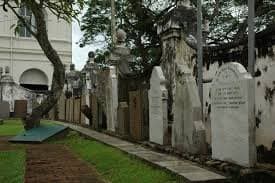
Colonial Ceylon was not only shaped by forts, plantations, and administrative buildings. It was also shaped by quieter spaces—cemeteries where soldiers, administrators, missionaries, traders, and their families were laid to rest far from the countries they once called home. These burial grounds are among the most intimate historical records left behind by Portuguese, Dutch, and British rule. Etched in stone are stories of ambition, exile, disease, privilege, grief, and cultural collision.
Unlike official records, cemeteries preserve personal histories. They show how colonial life was lived and, more tellingly, how it ended.
Colonial Cemeteries as Social Archives
Colonial-era cemeteries function as social documents carved in marble, granite, and limestone. Names, ranks, birthplaces, causes of death, and family relationships appear with stark honesty. Together, they form an alternative archive—one that reflects hierarchy, race, class, and belief systems more vividly than administrative files.
European burial grounds were often segregated, physically and symbolically, from local burial practices. Their layouts mirrored European sensibilities: orderly rows, formal inscriptions, and Christian iconography. Even in death, colonial society maintained structure and separation.
These cemeteries also highlight how transient colonial life truly was. Many graves belong to people who lived in Ceylon for only a few years before illness or accident claimed them. The empire promised opportunity, but it demanded a price.
Life Expectancy and the Reality of Colonial Disease
One of the most striking patterns in colonial cemeteries is the frequency of early deaths. Tombstones record lives cut short in their twenties and thirties, especially among women and children. Tropical diseases—malaria, cholera, dysentery, and typhoid—were relentless threats.
For European settlers, Ceylon was both a land of promise and peril. Medical knowledge was limited, and the climate was unforgiving to bodies unaccustomed to it. Many women died during childbirth; many infants never survived their first year. These losses are quietly recorded in family plots where multiple children share a single headstone.
The stones expose the emotional cost of empire, often hidden behind romanticised colonial narratives.
Military Graves and the Machinery of Empire
British military cemeteries tell a different, but equally revealing, story. Regimental insignia, ranks, and battle references appear frequently. These graves belong to soldiers stationed to maintain order, suppress rebellions, guard plantations, and protect colonial infrastructure.
Some died in active conflict; others succumbed to illness during routine postings. Their epitaphs often emphasise duty, service, and loyalty to the Crown. The language is formal, reflecting the institutional nature of their lives.
These graves remind us that empire was not sustained solely by administrators and merchants, but by armed presence—often young men stationed thousands of miles from home, many of whom never returned.
Women, Wives, and the Silent Burden of Empire
Colonial cemeteries reveal the often-overlooked experiences of European women in Ceylon. Many epitaphs describe wives “beloved and devoted,” yet provide little detail beyond marital identity. Their personal ambitions, talents, and struggles rarely appear in stone.
Women faced isolation, limited medical care, and the pressure of maintaining European domestic ideals in an unfamiliar environment. Frequent pregnancies, emotional strain, and lack of extended family support took a heavy toll.
In some cemeteries, clusters of women’s graves from the same decade suggest outbreaks of disease or particularly harsh periods. Their stories, largely absent from official colonial histories, remain preserved only in these quiet grounds.
Children of Empire and Fragile Childhoods
Few sights are more sobering than the graves of colonial children. Tiny headstones mark lives that ended before they could truly begin. Inscriptions often mention angels, innocence, and reunion in heaven—language reflecting both grief and religious consolation.
High infant mortality was a harsh reality of colonial life. Parents often buried multiple children within a few years. These graves contradict the image of colonial comfort and privilege, exposing how vulnerable even European families were to local conditions.
For historians, these stones offer insight into family life, medical limitations, and the emotional costs borne by colonial households.
Religious Symbolism and Cultural Distance
Christian symbolism dominates colonial cemeteries: crosses, angels, Bible verses, and references to salvation. These markers reinforce how settlers maintained spiritual continuity with Europe, even in death.
Yet these cemeteries often existed alongside Buddhist, Hindu, Muslim, and indigenous burial traditions—separate worlds operating in parallel. The contrast highlights the cultural distance maintained by colonial communities.
Over time, however, some blending occurred. Local stoneworkers carved European symbols, subtly incorporating regional styles and materials. In this way, even colonial graves reflect cultural exchange, though within rigid boundaries.
Dutch and Portuguese Remnants Beneath British Rule
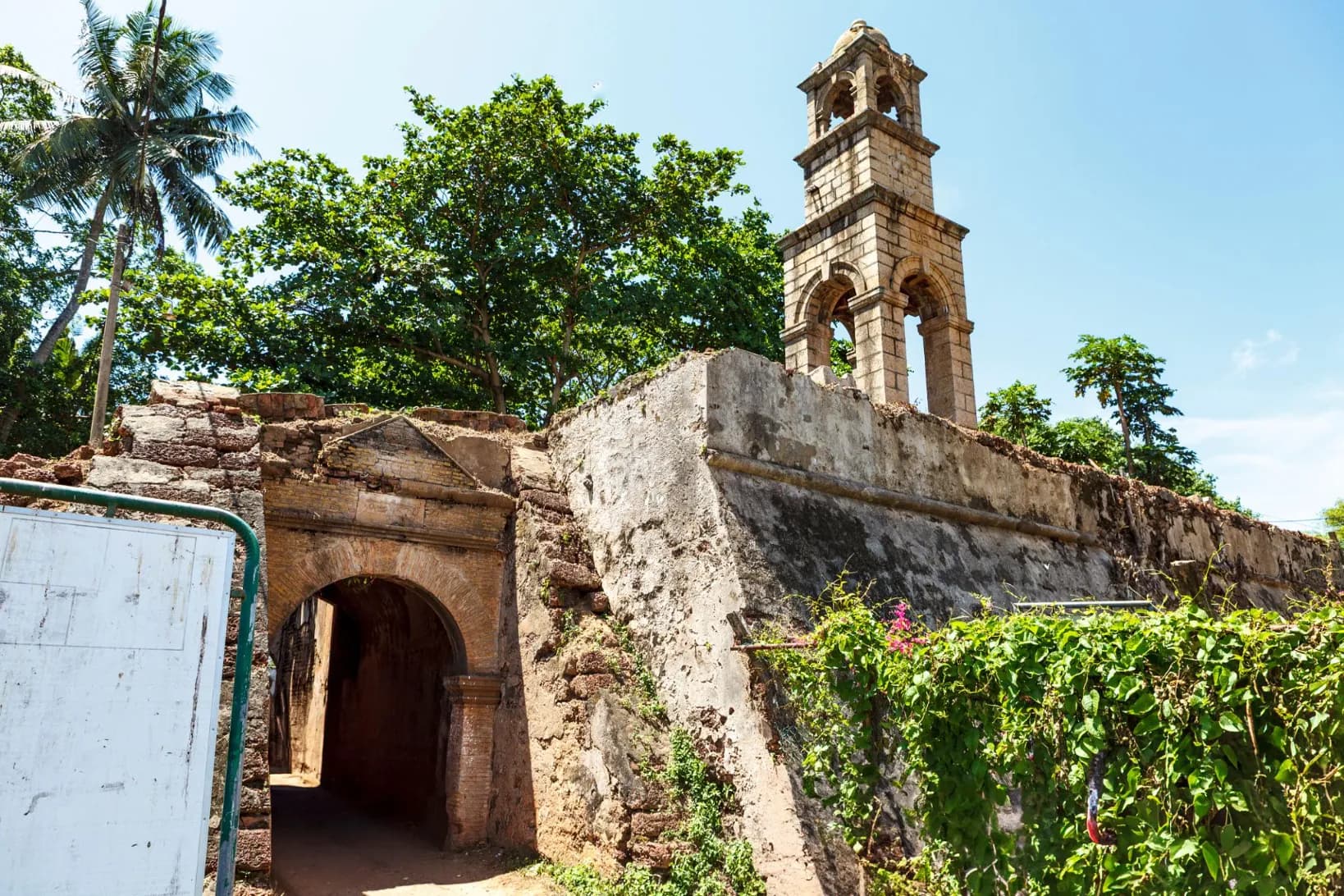
While British cemeteries are the most numerous, traces of earlier colonial powers remain. Dutch-era tombs, often inside churchyards such as Wolvendaal Church, feature distinctive skull motifs and lengthy inscriptions in Dutch. Portuguese burials, rarer due to age and climate, occasionally surface near coastal settlements.
These older graves speak to successive layers of colonial occupation. Each power left its dead behind, literally embedding itself into the island’s landscape.
The overlapping presence of Portuguese, Dutch, and British graves reinforces how Ceylon was shaped by centuries of external control.
Prominent Names and Forgotten Lives
Some colonial graves belong to governors, judges, military commanders, and plantation elites. Their monuments are large, ornate, and centrally placed. Titles and honours are carefully listed, ensuring remembrance.
But most graves belong to lesser-known individuals—clerks, engineers, teachers, soldiers, nurses—people who sustained the machinery of empire without historical recognition. Their modest headstones are often weathered, cracked, or partially erased.
Together, these graves form a more democratic historical record, where importance is measured not by power, but by presence.
Local Labour and the Making of Colonial Cemeteries
Ironically, the physical construction of colonial cemeteries relied heavily on local labour. Sri Lankan stone masons, gardeners, and maintenance workers shaped these spaces, even though they were rarely buried within them.
The craftsmanship visible in inscriptions, carvings, and stonework reflects local skill applied to European designs. This quiet contribution is rarely acknowledged, yet it underpins the physical survival of these cemeteries today.
Colonial cemeteries are therefore collaborative landscapes—European in intent, local in execution.
Neglect, Preservation, and Ethical Memory
Many colonial cemeteries in Sri Lanka now face neglect. Weather, vegetation, urban expansion, and vandalism have damaged countless graves. Some have been restored through church initiatives, heritage groups, or diplomatic missions; others continue to deteriorate.
This raises difficult questions. How should post-colonial societies treat colonial burial sites? Are they relics of oppression, or historical records worth preserving?
Increasingly, they are understood as both. Preserving these cemeteries does not glorify empire; it allows honest engagement with the past, including its inequalities and human costs.
Why These Cemeteries Still Matter
Colonial cemeteries are not merely resting places for foreigners. They are mirrors reflecting how empire functioned on a human level. They show who came, who suffered, who died young, who held power, and who remained invisible.
In a country shaped profoundly by colonial rule, these spaces offer quiet opportunities for reflection. They remind us that history is not only written in grand buildings and political events, but also in loss, endurance, and memory.
Walking through a colonial cemetery in Sri Lanka is not an act of nostalgia. It is an encounter with lives lived between worlds—and with the enduring imprint of empire on the land and its people.
Click on here “Lives Behind the Bungalows”