Christmas Among Sri Lanka’s Burgher Community: A Heritage of Dutch-Portuguese Legacy, Food, and Traditions
Christmas in Sri Lanka looks different depending on where you stand. For the island’s Burgher community, it carries a distinct cultural flavour—shaped by centuries of Dutch and Portuguese influence, adapted through local ingredients, tropical weather, and Sri Lankan rhythms.
It is not simply “Western Christmas” recreated in the tropics. It is a heritage Christmas: part European in origin, unmistakably Sri Lankan in spirit, and held together by food, music, family, and community memory.
This is a story of how Christmas traditions travelled, settled, blended, and became something uniquely Burgher—especially in cities and coastal towns where Dutch and Portuguese legacies remain woven into daily life.
Who Are the Burghers, and Why Does Christmas Feel Different in Their Homes?
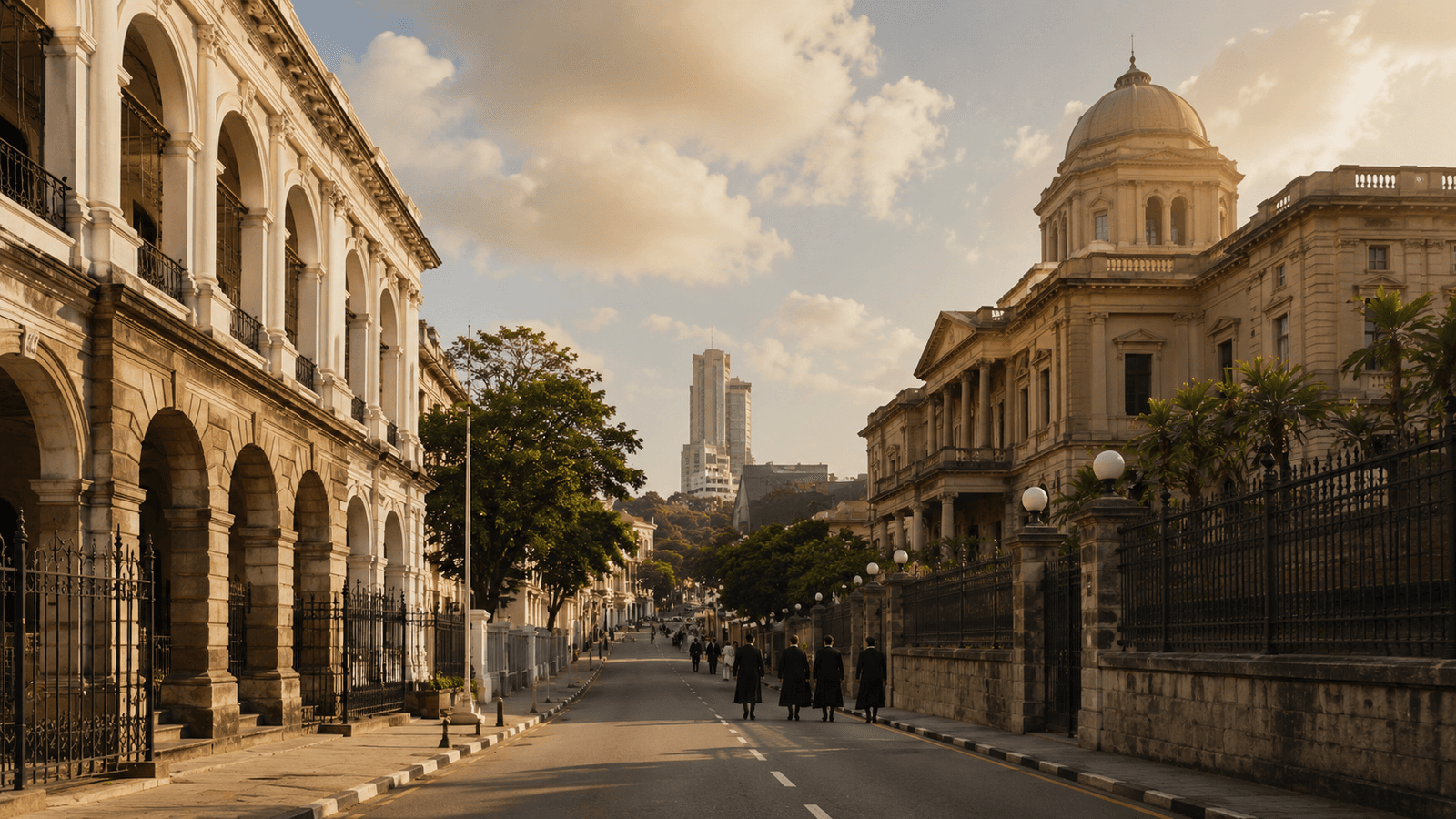
The term Burgher in Sri Lanka generally refers to communities descended from European colonists—most prominently Portuguese and Dutch, later also British—who intermarried locally over generations and formed a distinct cultural identity. Many Burgher families historically lived in urban centres such as Colombo, and coastal/fort towns such as Galle, Matara, and Jaffna, with strong links to old churches, schools, choirs, and sporting clubs.
Because Christmas is deeply rooted in Christian life (Catholic and Protestant traditions alike), Burgher households often held onto church-linked customs—while also building a festive culture around home cooking, baking, and hospitality. In many families, recipes are treated like heirlooms. Traditions are passed down less through formal “rules” and more through repetition: the same dishes, the same music, the same visiting patterns, year after year.
A Dutch and Portuguese Legacy: How European Customs Became “Island Christmas”
The Portuguese introduced Catholic traditions early, including feast-day culture, church processions, and celebratory foods.
Dutch influence later shaped certain Protestant church customs, household organisation, baking styles, and social structures in fort towns. Over time, what emerged was not a single uniform Burgher Christmas, but a spectrum—some families leaning more Catholic-Portuguese, others more Dutch-Reformed, many blended.
What is striking is how these traditions adapted to Sri Lanka:
- Tropical Christmas means heat, sea breezes, and fresh ingredients.
- Local spices entered European-style cooking.
- Imported ingredients were substituted with what was available—creating new “standard” flavours.
Visiting culture (dropping in, feeding guests, open-house hospitality) became as important as the main Christmas meal.
Christmas became less about snow-imagery and more about togetherness, food prepared in advance, music, and community networks.
The Season Begins Early: Cleaning, Baking, and “House Smell”
In many Burgher homes, Christmas doesn’t start on the 25th. It begins weeks earlier with preparation—especially baking.
There’s a very specific “Christmas house smell” that’s familiar in these families: butter, spice, dried fruits, warming sugar notes, and sometimes a hint of spirit-soaked fruit stored away to mature.
Kitchens become the centre of the season, and the baking is rarely casual. It’s measured, repeated, and often done “the way Ammamma did it.”
Common season-prep rhythms include:
- Stocking up on raisins, cashew, butter, flour, and spices.
- Making cakes early so flavours deepen over days.
- Prepping relishes and pickles to serve with savoury dishes.
Planning visits—because Christmas is as much about people as it is about food.
Click on here “December in the National Parks: Safe Routes, Animal Patterns, and What Changes After Heavy Rain”
Burgher Christmas Food: Where the Heritage Really Lives
If you want to understand Burgher Christmas, follow the food. The table is the archive.
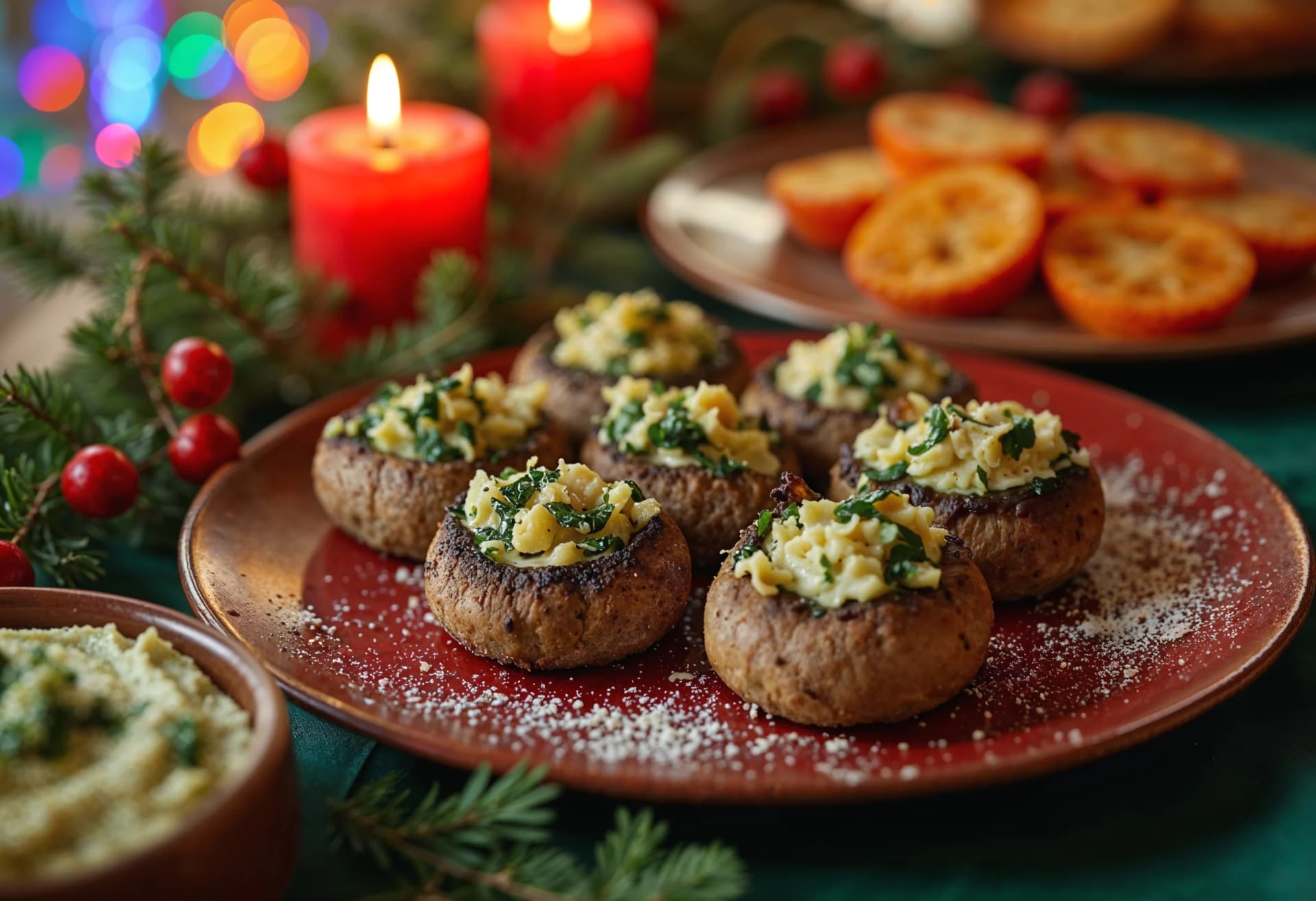
Below are some of the most iconic flavours, dishes, and festive food customs associated with Burgher homes in Sri Lanka.
Love Cake: The Icon of Sri Lankan-Dutch Christmas
No conversation about Burgher festive food is complete without Love Cake—one of the most recognisable Dutch-influenced Sri Lankan cakes. Dense, rich, fragrant, often made with semolina, cashew, eggs, butter, and spices, it’s a cake that announces celebration.
Love Cake is not “light dessert.” It’s a slice-you-respect. Many families guard their own version—some more spiced, some heavier on cashew, some with a particular citrus note. What matters is not only the taste, but the ritual: Love Cake is the kind of food that appears when guests arrive, when relatives visit, when the season becomes official.
Christmas Cake, Sri Lankan Style: Dark, Mature, and Spiced
Burgher Christmas cake traditions often overlap with Sri Lanka’s broader love for rich fruit cake, but many Burgher recipes lean towards deep colour, strong spice, and fruit soaked well in advance. It’s common for families to start soaking fruit early—sometimes weeks ahead—so the cake tastes “grown.”
What makes this cake feel local is the way Sri Lankan spices take charge—cinnamon, nutmeg, clove—and the way the sweetness feels balanced by richness rather than sugar.
Breudher – The Dutch Festive Bread Tradition
Breudher (often spelt in different ways) is another festive classic associated with Dutch Burgher culture. It’s a sweet, yeasted bread—typically with dried fruit—served during festive seasons, especially Christmas.
It sits somewhere between cake and bread: airy but rich, celebratory but familiar. In some homes, it’s served sliced with butter; in others it appears alongside tea for visitors, or as part of a Christmas breakfast spread.
Savoury Celebrations: Roasts, Curries, and Side Dishes
Burgher Christmas lunch/dinner often blends European-style centrepieces with Sri Lankan sides and condiments.
Depending on family tradition, you may find:
- Roast meats (chicken, pork, or beef in some households)
- Baked dishes influenced by European methods
- Spiced gravies that feel closer to Sri Lankan comfort food than “classic roast gravy”
- Condiments and relishes served as essential table companions
Even when the meal looks “Western” at first glance, the seasoning often tells the truth: these flavours are built for Sri Lankan tongues.
The Table Culture: Hospitality as a Tradition
One of the most consistent Burgher Christmas customs is open-door hospitality—visiting, feeding, offering cake and tea, and sending guests home with a parcel “for later.”
Christmas is not only one big meal. It is a season of:
- Dropping in on relatives and friends
- Sharing plates
- Exchanging bakes
- Offering food first, conversation second
- Treating visitors like they belong
In many Burgher families, hospitality is not a performance. It’s identity.
Church, Choirs, and Carols: The Soundtrack of the Season
For many Burgher households, Christmas is anchored by church life—Midnight Mass for some, Christmas morning services for others. Carols are not merely background music; they are often performed traditions, tied to choirs, schools, and community groups.
Carolling culture historically thrived in neighbourhoods where families knew one another well. Even now, the season often includes:
- Church carol services
- Choir performances
- Home music moments (piano, guitar, singing)
- A strong memory culture—people remember the songs as much as the food
- Christmas in Fort Towns: Heritage Landscapes That Match the Traditions
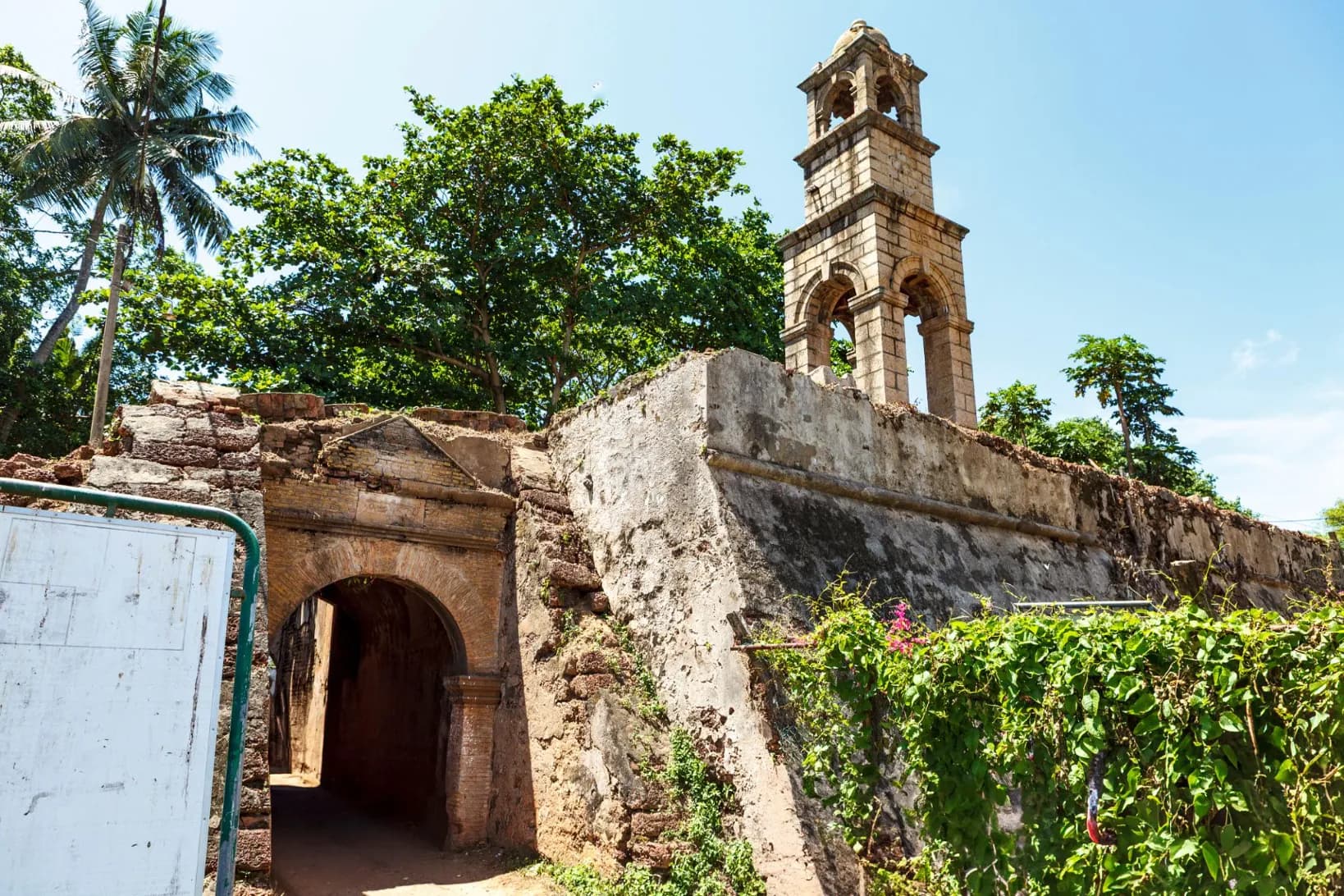
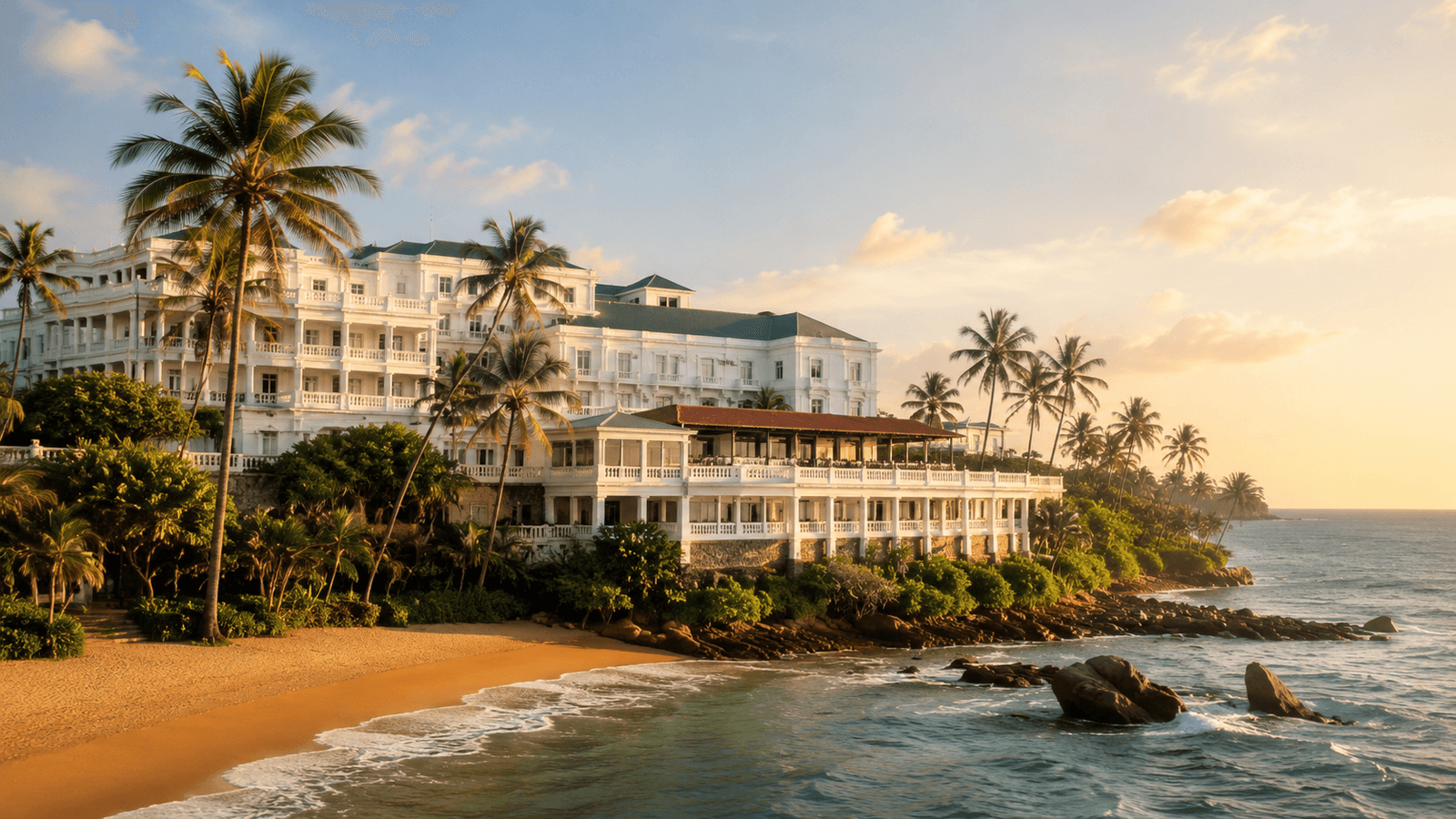
Christmas feels especially atmospheric in Sri Lanka’s old Dutch and Portuguese-influenced coastal towns—places where colonial architecture, churches, and fort streets provide an almost cinematic backdrop.
In areas like Galle Fort, you can still sense how history shaped community life: the church as centre, the home as gathering place, the street as social corridor. Even when modern life changes the way people celebrate, the geography carries memory.
A Living Heritage, Not a Museum Piece
It’s easy to romanticise “heritage” as something frozen in the past. But Burgher Christmas traditions are living, evolving practices.
Many families today:
- modernise recipes for convenience,
- reduce sugar or alcohol,
- blend Christmas dishes with Sri Lankan favourites,
- celebrate with friends beyond community lines,
- keep the core tradition alive through one or two key dishes and a strong sense of togetherness.
In that sense, the most Burgher part of Christmas may not be the origin of a recipe—it may be the way tradition is preserved: through repetition, generosity, and family storytelling.
If You’re Visiting Sri Lanka in December: How to Experience This Heritage Respectfully
You may not be invited into a Burgher home as a traveller (and you shouldn’t force it), but you can still appreciate the cultural footprint:
- Look out for Love Cake in reputable bakeries and cafés.
- Explore heritage churches and attend public carol services where appropriate.
- Visit fort towns in December to feel the seasonal atmosphere.
- Support local food businesses that preserve traditional bakes and festive sweets.
- The point is not to “consume culture,” but to notice the layers—how Sri Lanka carries multiple Christmas stories at once.
Final Thoughts: Christmas as Identity, Memory, and Food
For Sri Lanka’s Burgher community, Christmas is not a borrowed holiday—it is a heritage season. Dutch and Portuguese legacies remain visible, but the real tradition is what families have built on this island: the food that tastes like history, the hospitality that keeps communities together, and the rituals that return each year like a familiar song.
In the end, Burgher Christmas is not about replicating Europe. It’s about belonging in Sri Lanka—through a festive culture that is warm, generous, spiced, and deeply rooted.