Christmas in Old Ceylon: Colonial Traditions That Still Influence Sri Lankan Festivities
Christmas in Sri Lanka is more than a religious celebration. It is a layered cultural experience shaped by centuries of colonial contact, local adaptation, and family-centred traditions. Long before shopping malls, LED lights, and social media countdowns, Christmas in Old Ceylon unfolded quietly within homes, churches, clubs, and colonial-era neighbourhoods—leaving behind customs that still shape how the season is celebrated today.
Understanding Christmas in Old Ceylon is not about nostalgia alone. It reveals how Sri Lankans absorbed, reinterpreted, and localised European traditions, creating a uniquely Sri Lankan Christmas culture that continues to evolve.
Colonial Roots of Christmas in Ceylon
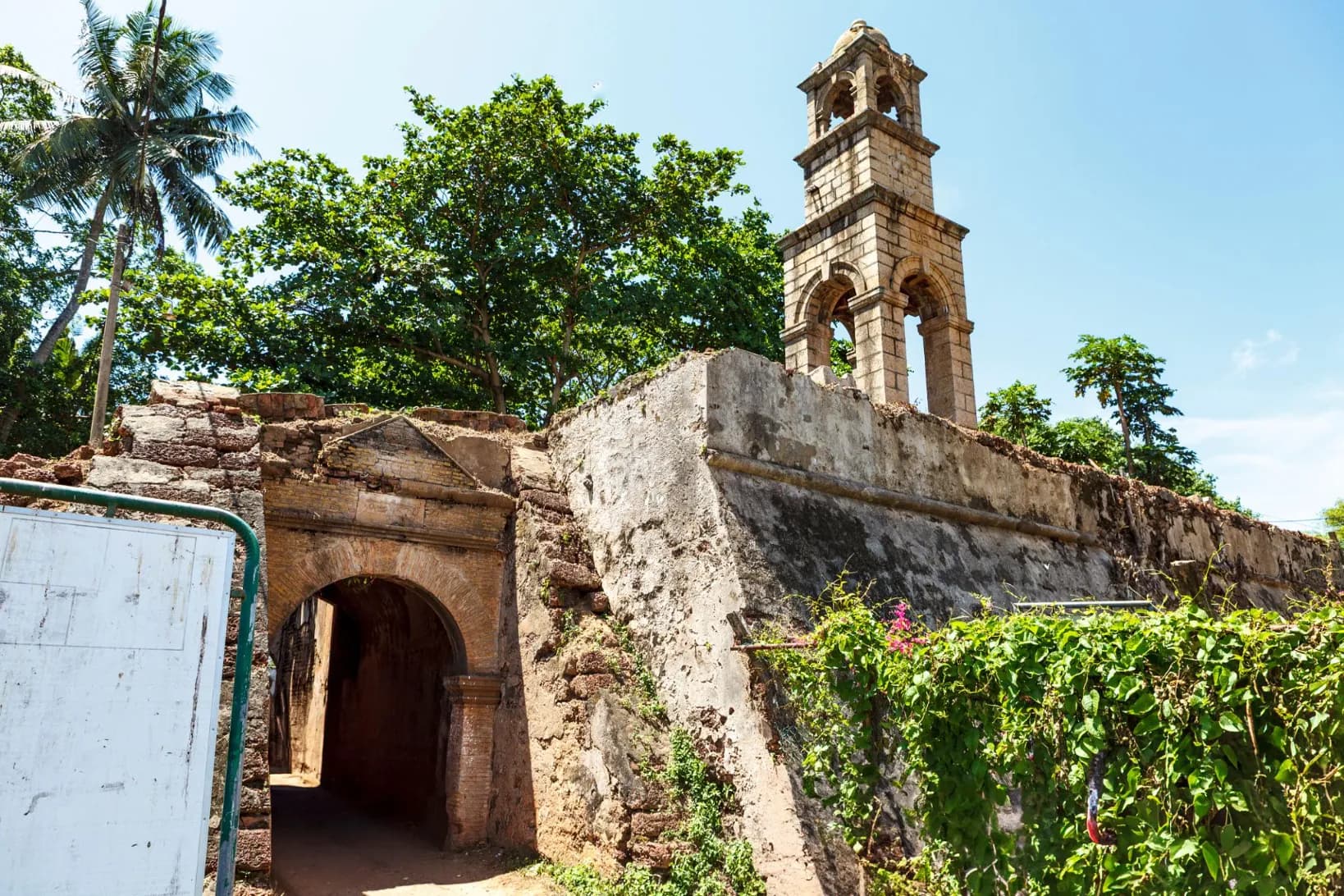
Christmas entered Sri Lanka through European colonial rule, beginning with the Portuguese in the 16th century, followed by the Dutch and later the British. Each colonial power left a distinct imprint on how Christmas was observed.
The Portuguese introduced Roman Catholic Christmas rituals, emphasising midnight Mass, nativity scenes, and communal feasting. The Dutch reinforced Protestant traditions, particularly among the Burgher community, bringing structured church services and home-based celebrations. The British expanded Christmas beyond church walls, embedding it into social clubs, schools, plantations, and civil administration.
Over time, Christmas became both a religious observance and a social season, blending colonial customs with local rhythms, ingredients, and relationships.
Church-Centred Celebrations in Old Ceylon
In Old Ceylon, Christmas revolved around the church. Midnight Mass was the emotional and spiritual centre of the season, especially in Catholic communities along the western and southern coasts.
Families prepared for weeks—cleaning homes, sewing new clothes, and preparing food in advance. Churches were decorated with simple greenery, oil lamps, and handmade stars. Choirs practised carols in Sinhala, Tamil, English, Portuguese Creole, and Dutch-inflected hymns, reflecting the island’s layered linguistic history.
Unlike today’s rushed schedules, Christmas church services were unhurried affairs, followed by long conversations, shared food, and visiting neighbours well into the early hours of Christmas morning.
Colonial Homes and Christmas Domestic Rituals
Christmas in Old Ceylon was deeply domestic. Colonial-era homes—bungalows, townhouses, and plantation residences—became spaces of quiet ritual rather than spectacle.
Decorations were minimal but meaningful: fresh flowers, handmade paper stars, candles, and occasionally a small Christmas tree for British families. Gifts were modest—books, sweets, or handmade items—often exchanged privately rather than displayed.
The emphasis was not on abundance but on order, hospitality, and togetherness. Visiting neighbours, offering food, and maintaining open homes throughout the season were considered essential social duties.
Food Traditions: Where Colonial and Local Flavours Met
Food remains one of the strongest colonial legacies in Sri Lankan Christmas celebrations. In Old Ceylon, Christmas meals reflected a fusion of European recipes and local ingredients.
British-style roasts were adapted using local poultry and spices. Plum pudding, rich with dried fruits and spices, became a festive staple. Dutch and Burgher households prepared breudher, love cake, and rich butter cakes influenced by European baking traditions but infused with local cashew, treacle, and spice blends.
Alcohol also played a role—homemade wines, arrack-based punches, and spiced toddy were common, especially in Burgher and plantation communities. These food traditions laid the foundation for the modern Sri Lankan Christmas table, where roast chicken sits comfortably beside rice, curries, and cutlets.
The Burgher Community and Christmas Culture
No discussion of Christmas in Old Ceylon is complete without acknowledging the Burgher community. As descendants of Portuguese and Dutch settlers, Burghers preserved European Christmas customs while adapting them to Sri Lankan life.
Christmas among Burgher families was marked by strong musical traditions, formal dinners, and carefully maintained recipes passed down through generations. Carol singing, piano music, and social gatherings at clubs or private homes were central features.
Many Christmas practices now considered “Sri Lankan”—such as rich Christmas cakes, afternoon visits with food parcels, and extended festive seasons—were shaped significantly by Burgher domestic culture.
British Influence: Clubs, Schools, and Public Celebrations
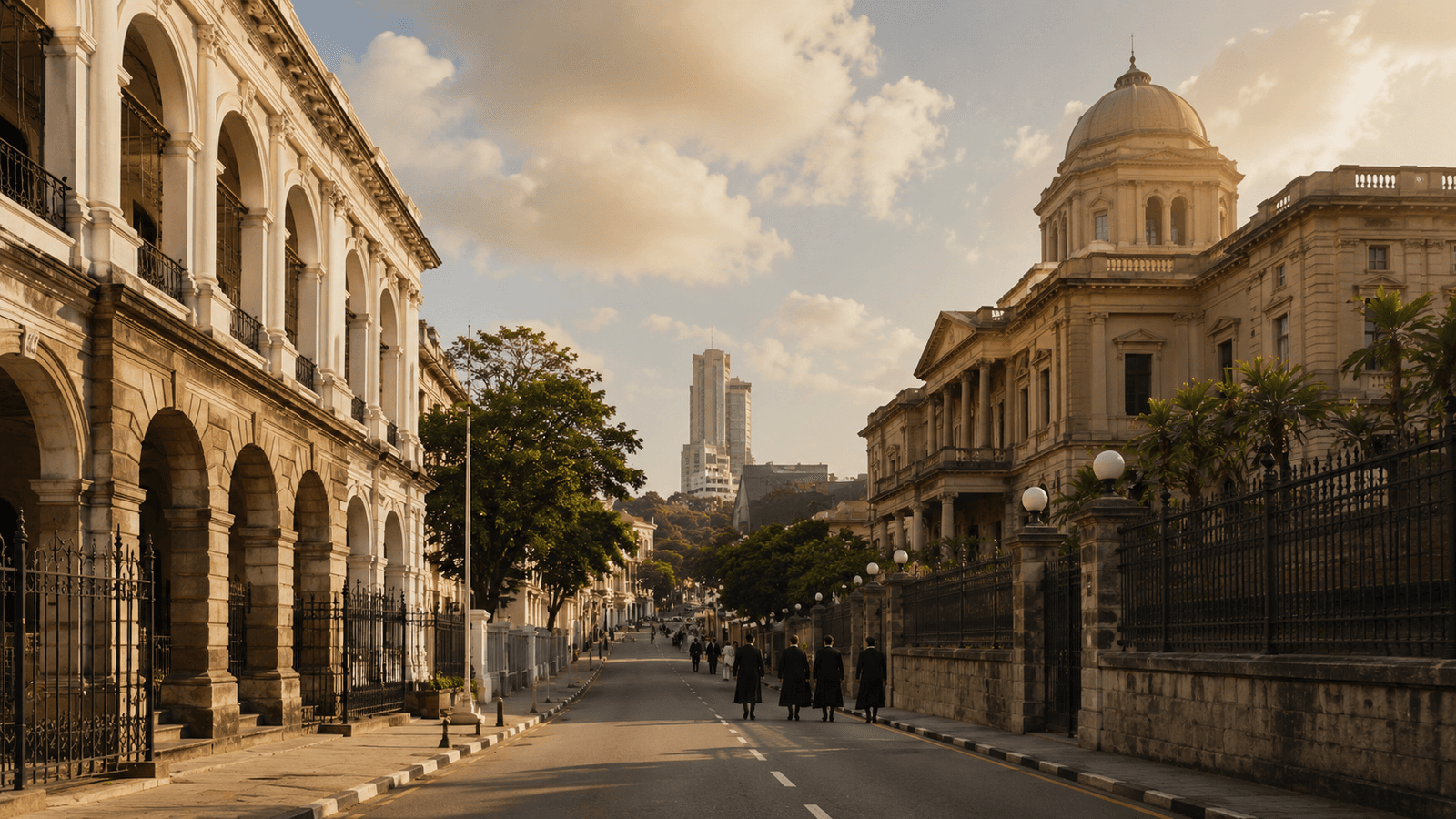
Under British rule, Christmas expanded into public and institutional life. Colonial clubs hosted Christmas balls, dinners, and dances. Schools held Christmas concerts, nativity plays, and prize-giving ceremonies before closing for the holidays.
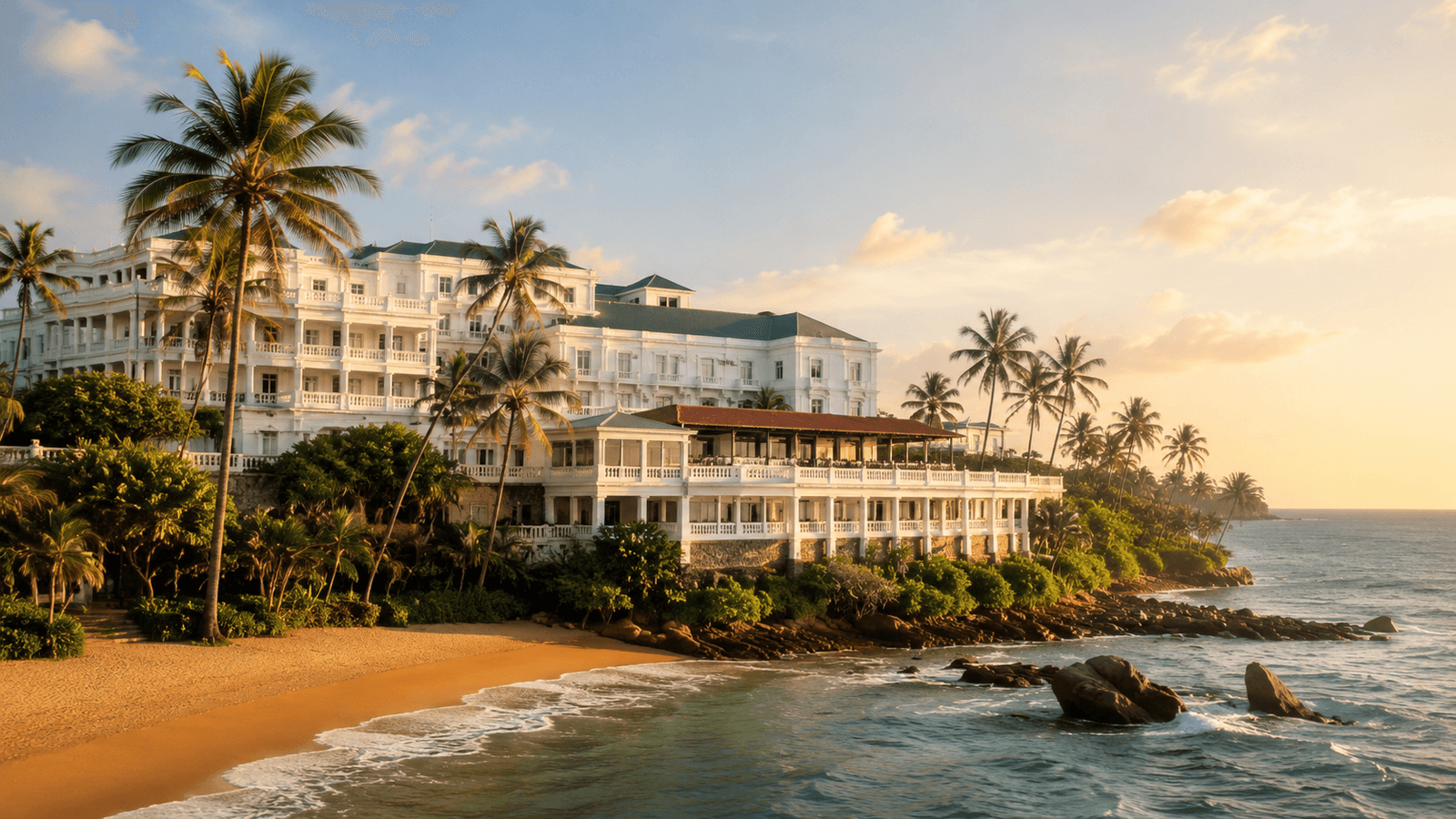
Plantation estates observed Christmas as both a social and administrative pause. Estate bungalows hosted gatherings for planters and staff, while workers often received bonuses or special meals. These practices reinforced Christmas as a season of pause, generosity, and community—an idea that still resonates in modern Sri Lanka.
Carols, Music, and Storytelling
Music was central to Christmas in Old Ceylon. Carols were not merely performances but shared experiences. Families gathered around pianos, harmoniums, or simple instruments, singing late into the night.
Storytelling also played a role. Elders recounted Christmas memories, biblical stories, and family histories, reinforcing a sense of continuity across generations. This oral tradition helped embed Christmas as a family-centred celebration rather than a consumer event.
Non-Christian Participation and Cultural Integration
One of the most distinctive aspects of Christmas in Sri Lanka—rooted in Old Ceylon—is the participation of non-Christian communities. Neighbours visited one another regardless of religion, sharing food and goodwill.
This inclusive approach was shaped during colonial times, when diverse communities lived in close proximity in towns, plantations, and coastal settlements. Christmas became a social festival as much as a religious one, a characteristic that continues today.
What Has Changed—and What Has Endured
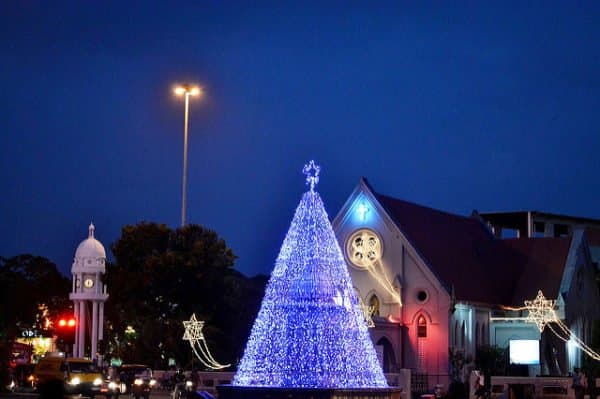
Modern Christmas in Sri Lanka is louder, brighter, and more commercial. Decorations are elaborate, gifts are larger, and celebrations often extend beyond the home into hotels and public spaces.
Yet many Old Ceylon traditions endure. Midnight Mass remains central. Christmas food is still homemade in many households. Visiting relatives, feeding neighbours, and keeping homes open during the season continue to define the Sri Lankan Christmas spirit.
The core values—hospitality, restraint, togetherness, and quiet joy—remain deeply rooted in the colonial-era traditions that shaped Christmas on the island.
Why Old Ceylon’s Christmas Still Matters
Understanding Christmas in Old Ceylon offers more than historical insight. It provides a reminder that celebrations do not need excess to be meaningful. The traditions that survived were those grounded in relationships, shared labour, and cultural exchange.
In a fast-paced modern world, these older practices offer a counterpoint—inviting reflection, gratitude, and intentional celebration.
Click on here “Christmas Among Sri Lanka’s Burgher Community: A Heritage of Dutch-Portuguese Legacy, Food, and Traditions”