Chronicles of Sri Lanka: Memory, Power, and Sacred History
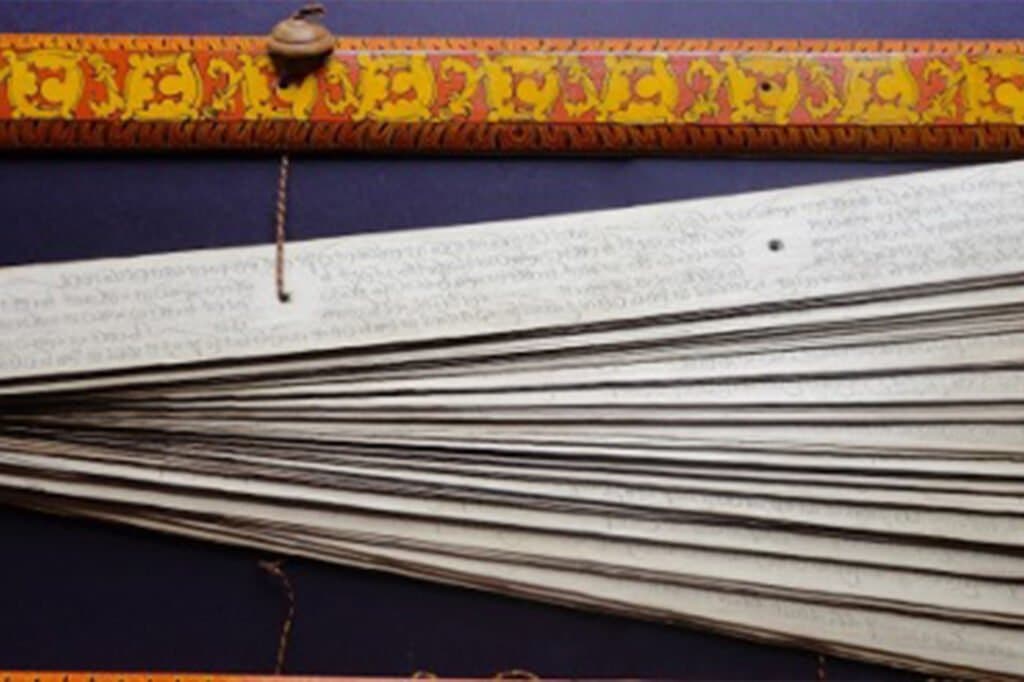
Sri Lanka’s historical consciousness was shaped not through stone inscriptions alone, but through chronicles—texts that blended memory, faith, kingship, and moral order. These works were not neutral records. They were carefully composed narratives that explained why rulers ruled, how Buddhism was protected, and what the island believed about itself.
Among the most influential are Dīpavaṃsa, Mahāvaṃsa, Cūḷavaṃsa, Rajavaliya, and Pujavaliya.
Together, they form a layered narrative tradition spanning over a millennium.
The Purpose of Chronicles in the Sri Lankan Tradition
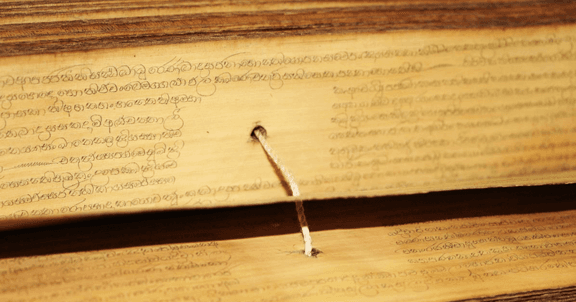
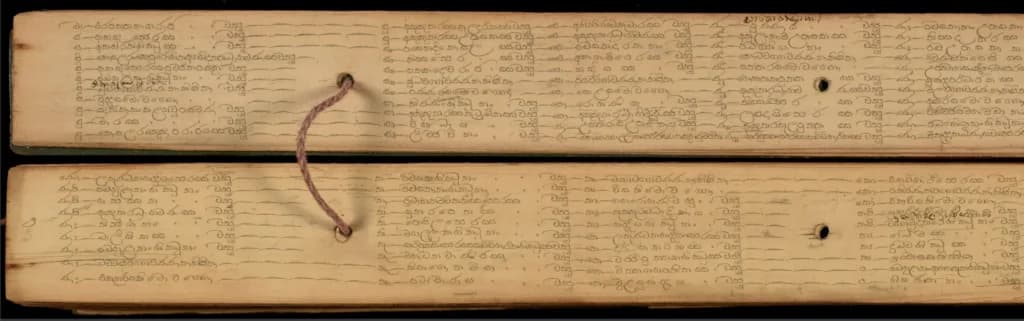
Sri Lankan chronicles were written primarily by Buddhist monks, often under royal patronage. Their purpose extended beyond recording events. They legitimised kingship, reinforced Buddhist values, and positioned the island as a sacred land chosen to preserve the Dhamma.
History here was moral and didactic. Good rulers prospered because they supported Buddhism; bad rulers fell because they failed to do so. This worldview shaped how events were selected, framed, and remembered.
Dīpavaṃsa: The Earliest Chronicle
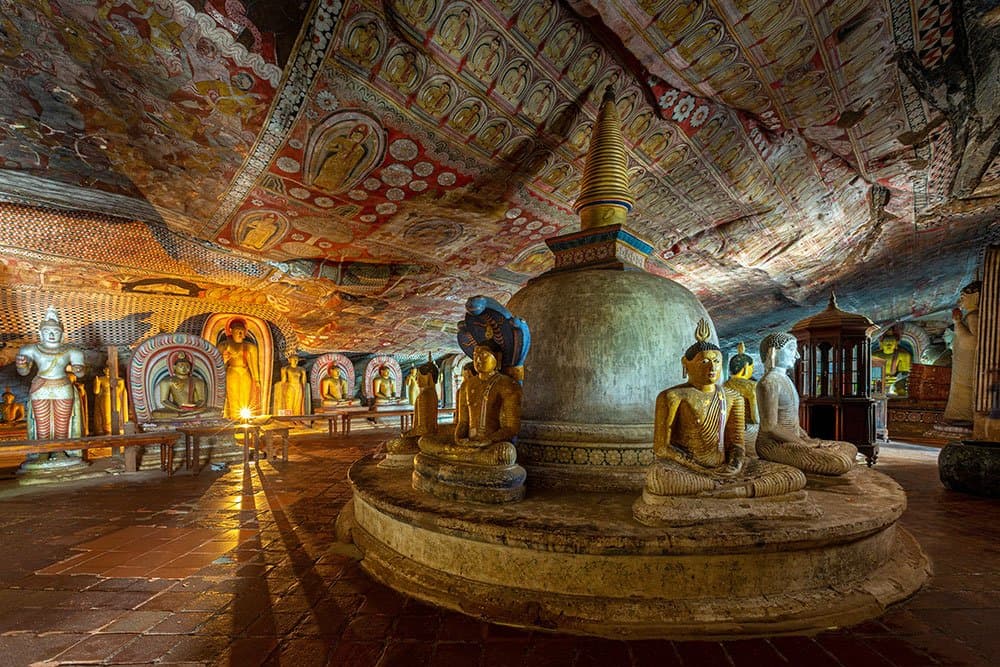
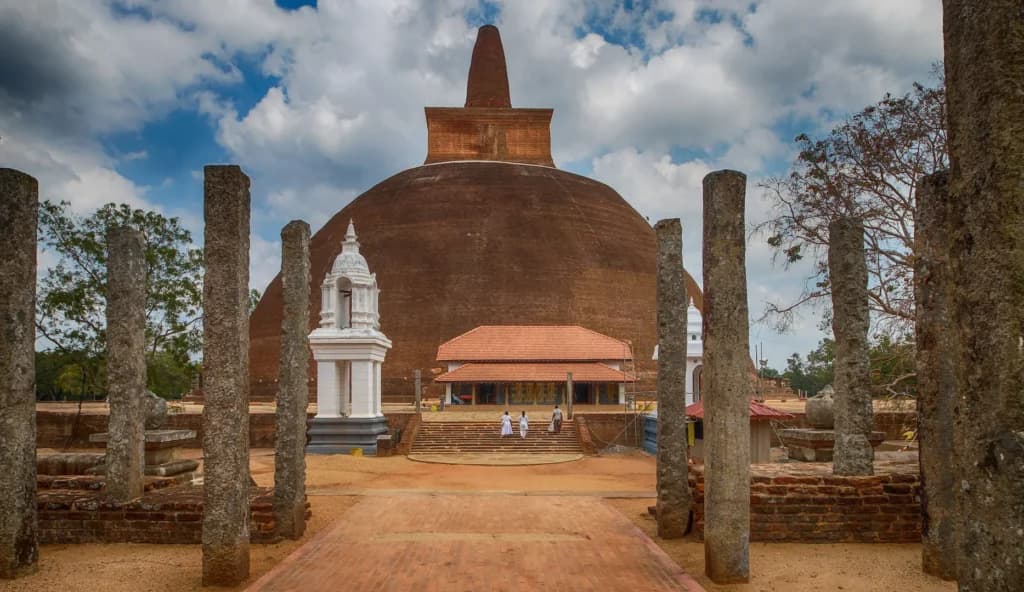
The Dīpavaṃsa (“Chronicle of the Island”), compiled around the 4th century CE, is the earliest surviving historical text of Sri Lanka. Written in Pali verse, it is austere in tone and structure.
Its focus is narrow but foundational: the arrival of Buddhism, the lineage of kings from Vijaya onward, and the establishment of monastic traditions. The narrative is sparse, sometimes repetitive, and clearly intended for monastic audiences rather than literary appreciation.
Despite its limitations, the Dīpavaṃsa is invaluable. It preserves early traditions before later embellishment and provides the skeletal framework upon which later chronicles expanded.
Mahāvaṃsa: History as Sacred Narrative
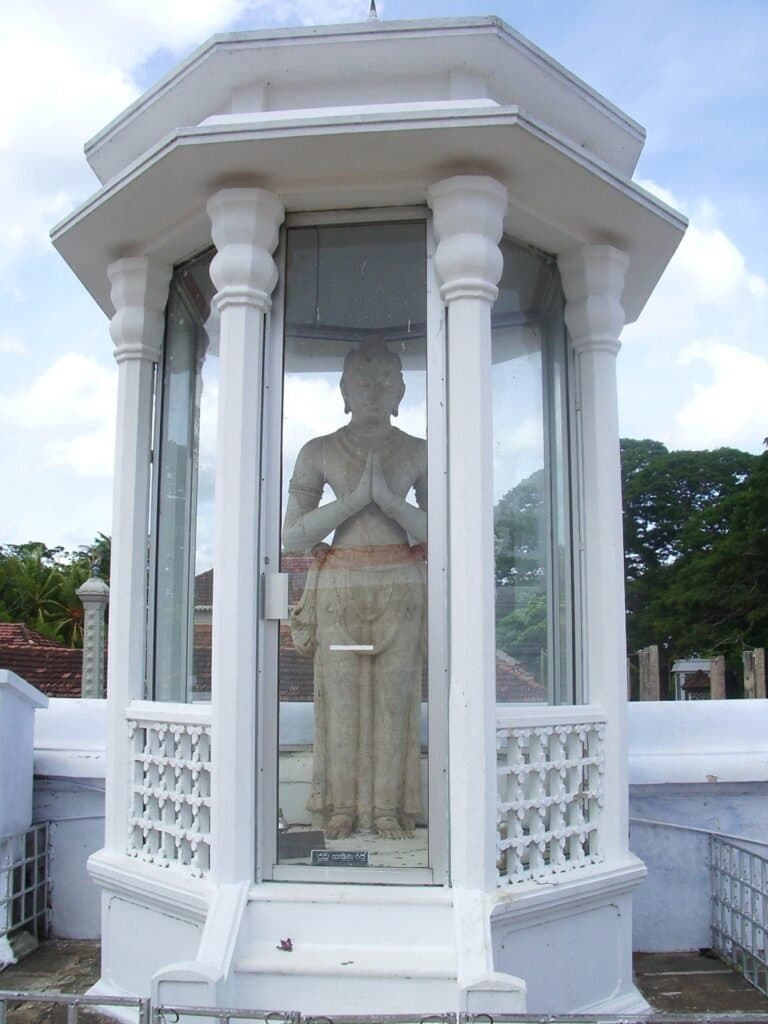
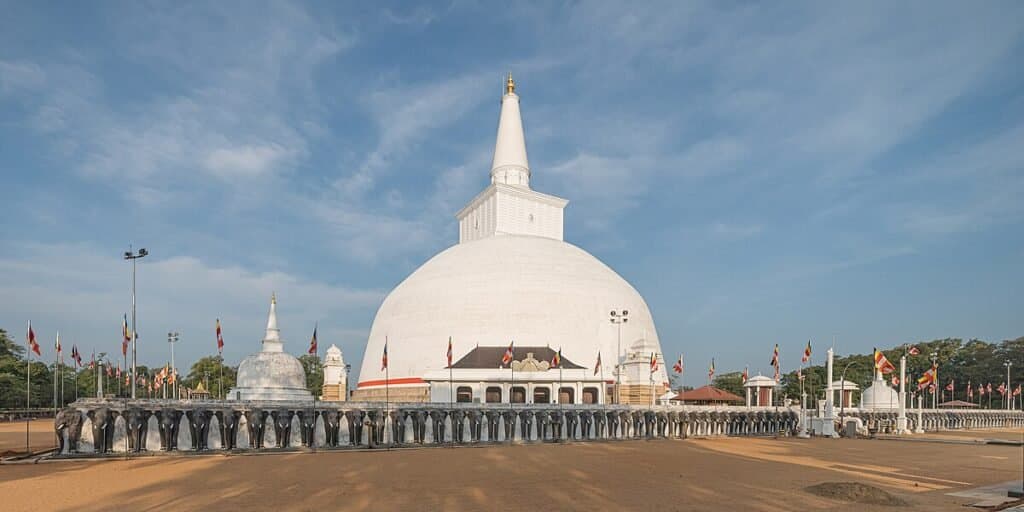
The Mahāvaṃsa (“Great Chronicle”), composed in the 5th century CE by the monk Mahānāma, transformed Sri Lankan historiography. Where the Dīpavaṃsa was restrained, the Mahāvaṃsa was expansive, poetic, and ideologically confident.
It presented Sri Lanka as a divinely sanctioned land for Buddhism, linking the Buddha himself to the island through prophecy and myth. Kings such as Dutugemunu were elevated into moral heroes, their wars justified as acts of religious preservation rather than conquest.
The Mahāvaṃsa shaped national consciousness for centuries. Even today, its narratives influence popular understandings of identity, sovereignty, and religious duty.
Cūḷavaṃsa: Continuity and Complexity
The Cūḷavaṃsa (“Lesser Chronicle”) is not a single work but a series of continuations written between the 13th and 18th centuries. It extends the historical record from the end of the Mahāvaṃsa through periods of political fragmentation, South Indian invasions, and shifting capitals.
Unlike its predecessors, the Cūḷavaṃsa reflects a more complex and unstable political world. Power is contested, rulers are imperfect, and the tone becomes less triumphalist. Yet the underlying moral logic remains intact: legitimacy still flows from Buddhist patronage.
Its value lies in continuity. Without the Cūḷavaṃsa, Sri Lanka’s written historical tradition would have fractured, leaving long periods obscured.
Rajavaliya: History in the Vernacular
The Rajavaliya (“Lineage of Kings”), written in Sinhala rather than Pali, marks a significant shift. It brought historical narrative out of the monastic elite and closer to the lay population.
While drawing heavily from earlier chronicles, the Rajavaliya simplifies, adapts, and occasionally reshapes events to suit popular understanding. Myth and folklore sit comfortably alongside historical episodes. The emphasis is less on doctrinal purity and more on royal succession and moral exemplars.
This text played a crucial role in embedding historical memory within Sinhala literary culture, making the past accessible beyond temple libraries.
Pujavaliya: Devotion as History
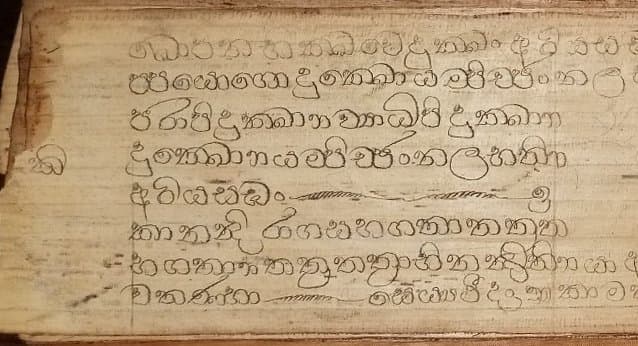
The Pujavaliya occupies a distinct space among the chronicles. Rather than focusing on kings, it centres on acts of devotion—offerings, temple building, and merit-making.
Written in Sinhala prose, it highlights how ordinary individuals, not just rulers, contributed to the preservation of Buddhism. In doing so, it democratises religious history. Merit becomes the true engine of continuity, transcending political instability.
The Pujavaliya reminds us that Sri Lankan historical consciousness was not only about power and conquest, but about faith lived daily.
Fact, Faith, and Interpretation
Modern historians approach these chronicles with caution. Dates are debated, numbers exaggerated, and motivations moralised. Yet dismissing them as “mythical” misses the point.
These texts reveal how Sri Lanka understood itself. They show what was valued, feared, justified, and remembered. In many ways, they are closer to cultural truth than to empirical record.
Why These Chronicles Still Matter
The influence of these chronicles did not end with their composition. Colonial administrators used them to reconstruct timelines. Nationalist movements drew upon them for identity. Contemporary debates on history, religion, and statehood still echo their narratives.
Understanding these texts is essential to understanding Sri Lanka itself—not just its past, but its present tensions and aspirations.
Conclusion: A Living Historical Tradition
The Dīpavaṃsa, Mahāvaṃsa, Cūḷavaṃsa, Rajavaliya, and Pujavaliya are not relics. They are living texts, continually reinterpreted and contested. Together, they form one of South Asia’s most sustained historical traditions—one where history, faith, and identity are inseparable.
To read them is not merely to look backward, but to see how narratives shape nations.
Click on here “Cemetery Stories of Colonial Ceylon”