Colonial Ports and Forgotten Harbour Towns
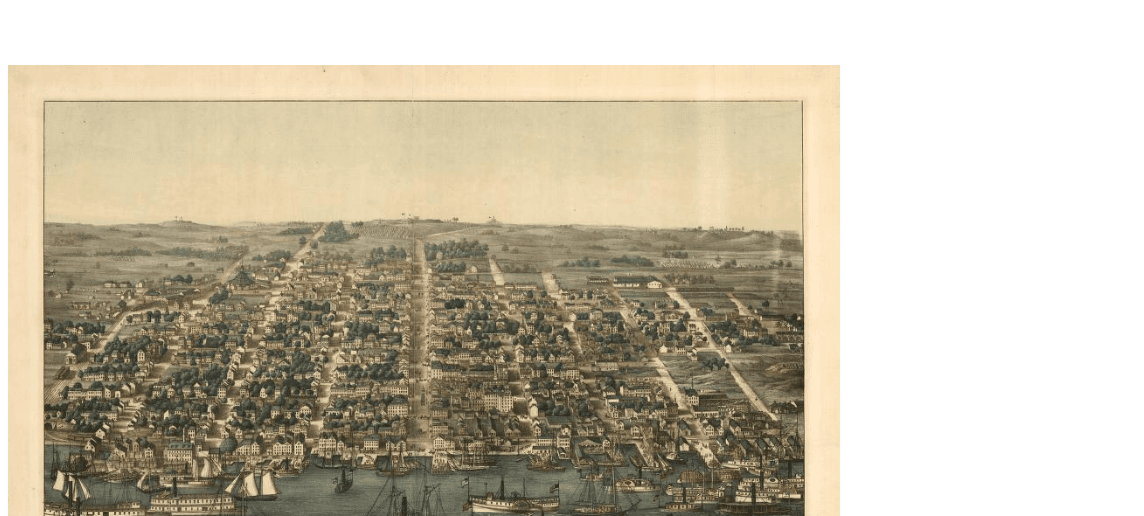
Ports have always been more than points of arrival and departure. They are places where cultures meet, economies are shaped, and histories quietly accumulate. Across Asia, Africa, and the Indian Ocean world, colonial ports once functioned as vital arteries of empire. Ships carried spices, tea, rubber, textiles, people, ideas, and power through these harbours. Over time, some ports grew into major global cities, while others slowly faded into obscurity, bypassed by new trade routes, modern infrastructure, or political change.
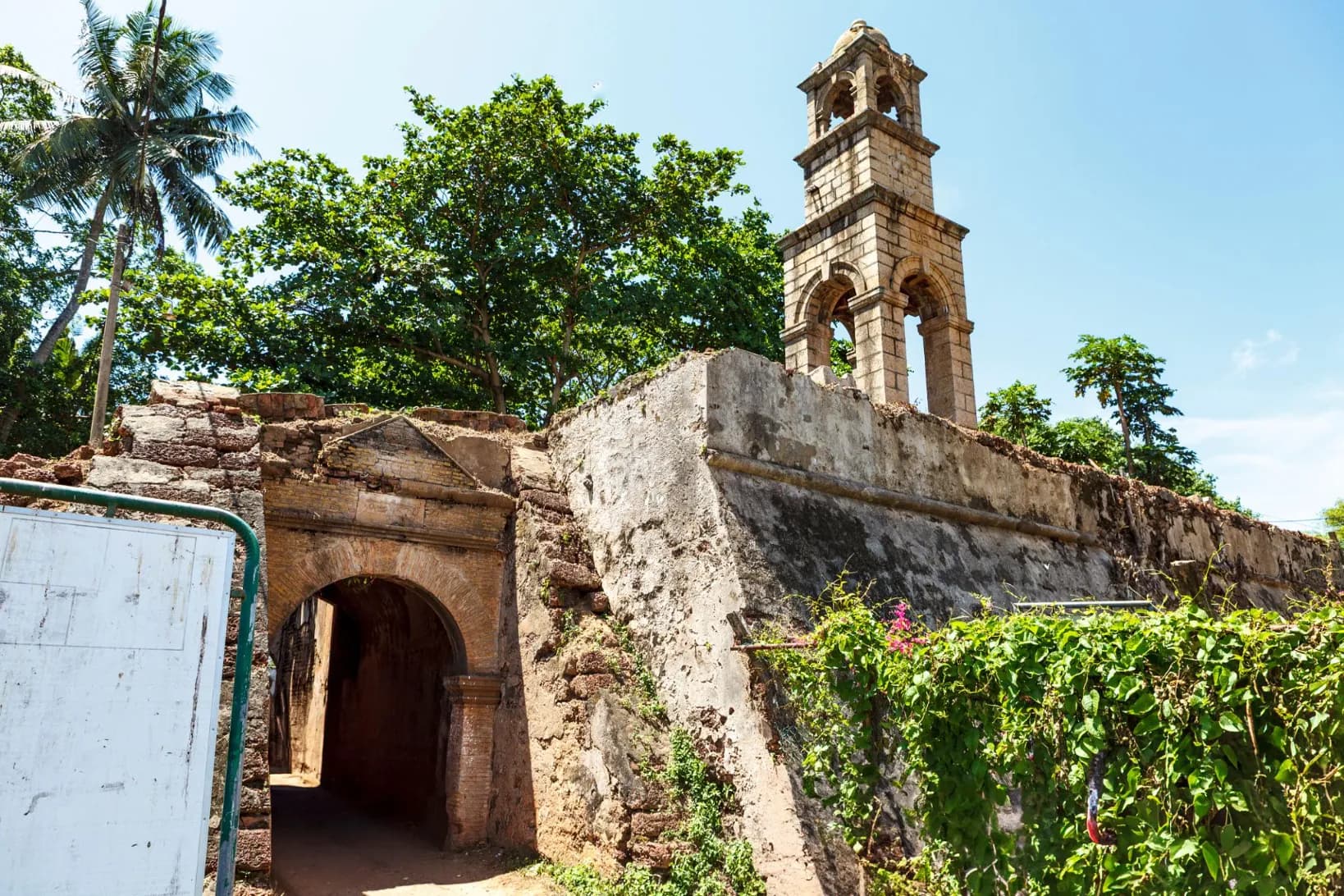
Today, many former colonial ports still bear the physical and emotional traces of their pasts. Warehouses stand empty, lighthouses rust, and old customs houses watch over calm waters that once bustled with activity. These forgotten harbour towns offer a quieter, more reflective way of understanding colonial history—one that exists beyond textbooks and monuments.
The Strategic Importance of Colonial Ports
Colonial empires were built on maritime dominance. Control of ports meant control of trade, taxation, military movement, and communication. Natural harbours were prized for their deep waters, protection from monsoons, and proximity to inland resources. European powers carefully selected port locations that allowed them to project influence far beyond the shoreline.
Ports served as gateways between local economies and global markets. Raw materials flowed outward, manufactured goods flowed inward, and administrative systems developed around docks and warehouses. Over time, these ports became centres of governance, with forts, customs offices, courts, and residences for colonial officials clustered nearby.
However, this strategic importance also made ports vulnerable. When trade patterns shifted or empires declined, the towns that depended entirely on maritime relevance often struggled to adapt.
Ports as Cultural Crossroads
Colonial ports were among the most culturally diverse spaces of their time. Sailors, merchants, labourers, missionaries, soldiers, and migrants from different continents passed through them. Languages mixed, cuisines evolved, and religious practices overlapped. In many harbour towns, mosques stood near churches and temples, reflecting the layered identities of port communities.
Intermarriage and long-term settlement created hybrid cultures that did not exist elsewhere. Clothing styles, architecture, and social customs blended local traditions with foreign influences. Even today, in many forgotten port towns, surnames, food, and festivals quietly reflect centuries of global interaction.
These cultural exchanges were not always equal or peaceful. Power imbalances, exploitation, and segregation shaped daily life. Yet ports remained places where the boundaries between “local” and “foreign” were constantly negotiated.
Architecture That Tells Silent Stories
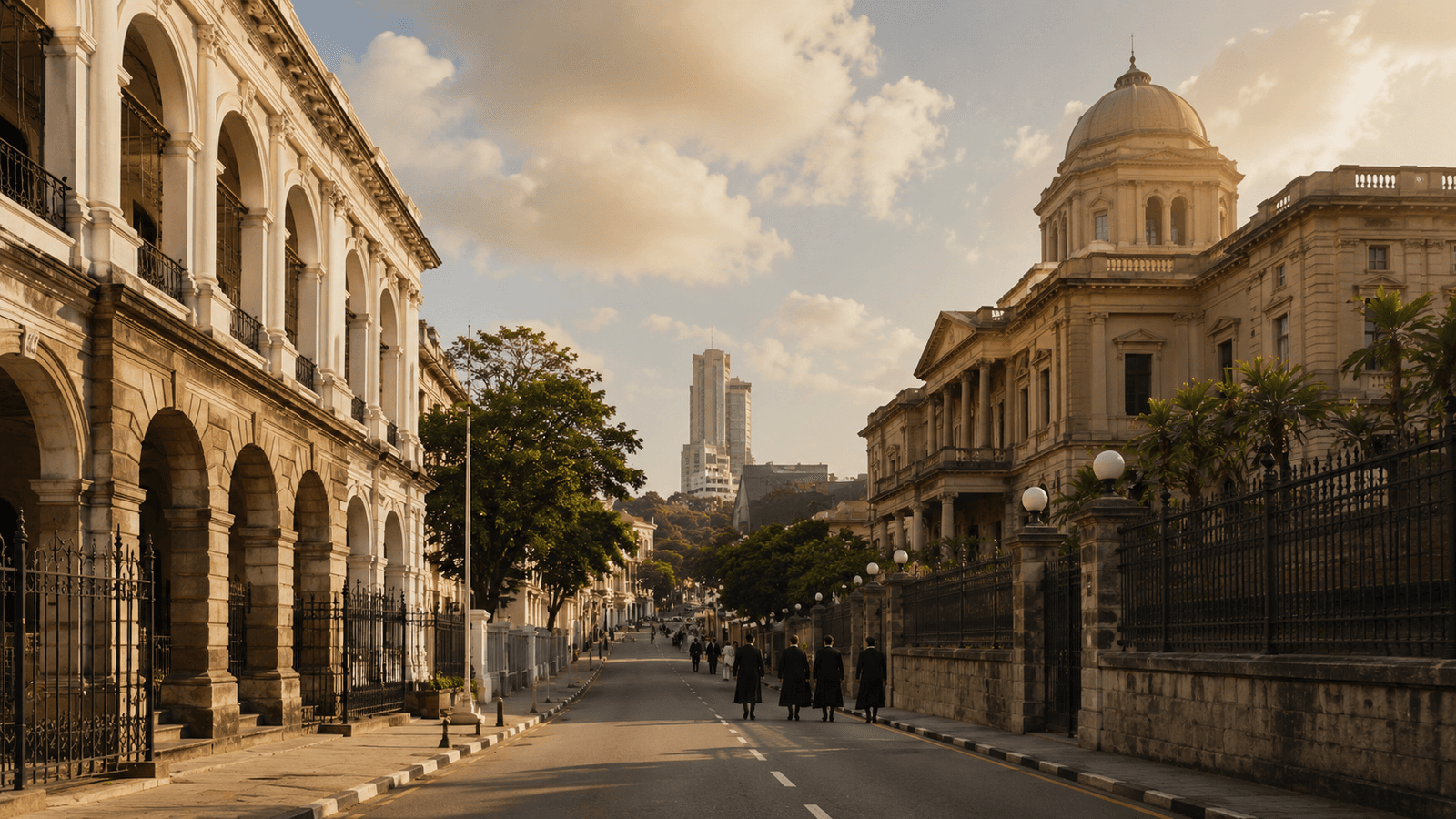
One of the most striking features of old harbour towns is their architecture. Colonial-era buildings were designed to serve trade and administration: godowns for storage, offices for shipping agents, barracks for soldiers, and grand homes for officials. Practicality often dictated design, but aesthetics were never absent.
Verandas, high ceilings, arched windows, and thick walls reflected adaptations to tropical climates. European styles merged with local materials and craftsmanship, creating unique architectural forms. Over time, these structures aged alongside the towns themselves.
In forgotten ports, many of these buildings now stand abandoned or repurposed. Paint peels, roofs sag, and wooden shutters creak in the sea breeze. Yet these structures remain valuable historical records, offering insight into how colonial power physically shaped coastal landscapes.
The Rise and Decline of Harbour Towns
Not all ports were destined to become major cities. Some flourished briefly before fading. Changes in shipping technology, such as the shift from sail to steam, altered port requirements. Deeper harbours, better rail connections, and modern container facilities became essential, leaving smaller or less adaptable ports behind.
Political changes also played a role. Independence movements, shifting borders, and new national priorities often redirected investment to different locations. Ports that once thrived under colonial rule sometimes lost relevance in post-colonial economies focused on internal development rather than export-driven trade.
Natural factors contributed as well. Silting harbours, coastal erosion, and environmental degradation made some ports less usable over time. Without sustained investment, these towns gradually slipped into quiet decline.
Lives Built Around the Harbour
For generations, harbour towns shaped daily life. Fishing, dock labour, boat building, and trade-related services provided livelihoods for entire communities. Children grew up watching ships arrive from distant lands, while elders passed down stories of storms, voyages, and foreign visitors.
When ports declined, these communities faced difficult transitions. Skills tied to maritime economies became less relevant, and younger generations often migrated inland or abroad in search of opportunity. What remained were ageing populations and memories of busier days.
Yet many harbour towns retain strong communal identities. Festivals, oral histories, and local traditions continue to centre around the sea, even when economic dependence has diminished.
Colonial Memory and Selective Preservation
In major cities, colonial heritage is often carefully curated—restored buildings, museums, and guided tours frame the past in controlled narratives. Forgotten harbour towns, by contrast, exist largely outside formal preservation efforts. Their histories survive through lived memory rather than official recognition.
This neglect can be both a loss and a form of authenticity. Without heavy commercialisation, these towns offer unfiltered encounters with history. Visitors walk through streets that have changed little in decades, encountering everyday life rather than staged heritage.
At the same time, lack of preservation puts many sites at risk. Without documentation or restoration, significant structures and stories may disappear entirely, taking nuanced histories with them.
Economic Reinvention and Tourism Pressures
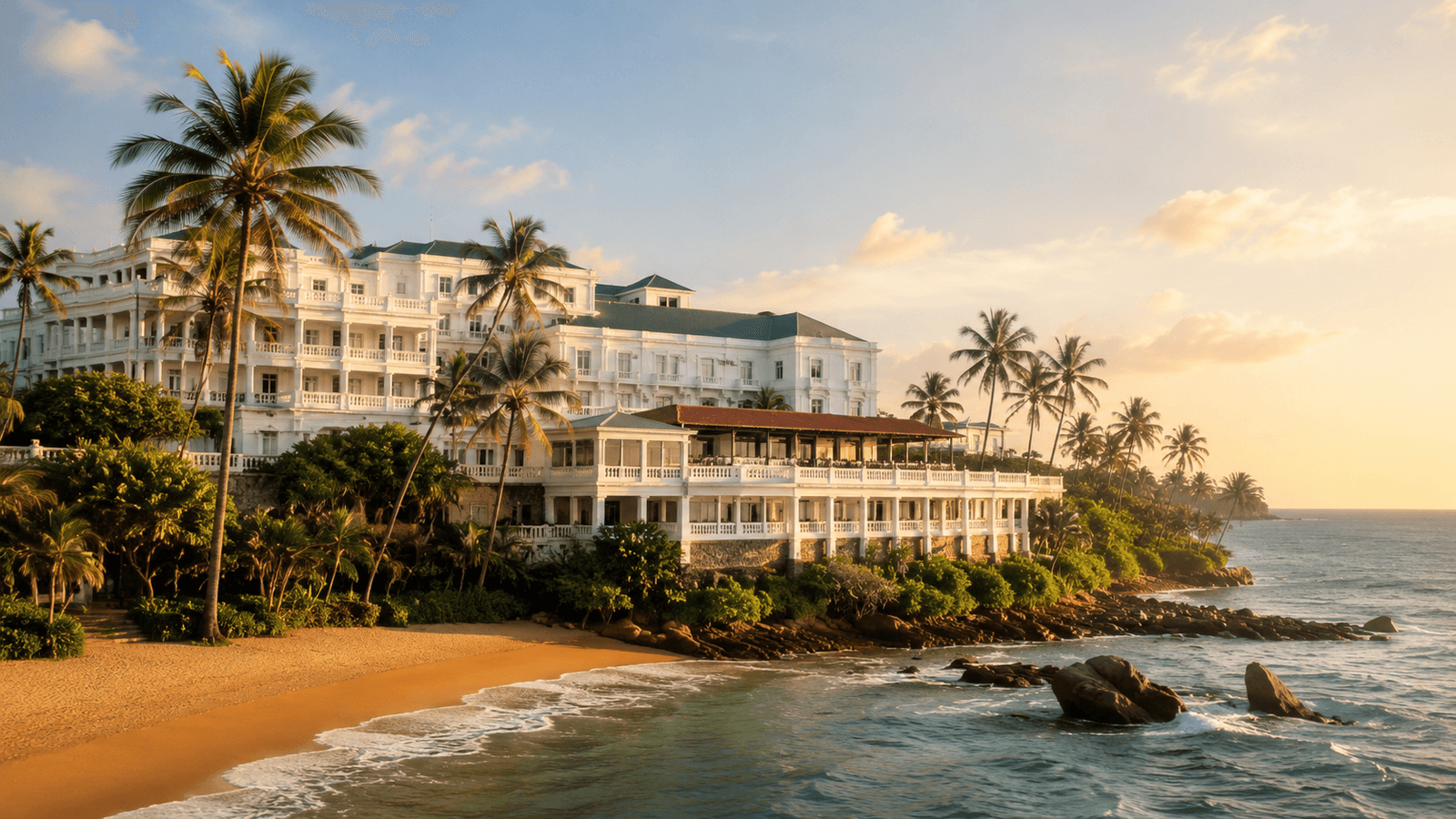
In recent years, some forgotten ports have attracted renewed interest. Heritage tourism, creative industries, and slow travel movements see value in these quieter coastal spaces. Old warehouses become cafés, boutique hotels, or galleries. Harbours are cleaned, promenades built, and festivals revived.
While revitalisation can bring economic benefits, it also raises concerns. Gentrification may displace long-standing communities, and sanitised narratives can oversimplify complex colonial pasts. The challenge lies in balancing development with respect for local history and social realities.
Successful reinvention tends to involve community participation, ensuring that residents are not merely backdrops to tourism but active stakeholders in shaping their town’s future.
Harbour Towns as Windows into Global History
Forgotten colonial ports offer a unique lens through which to view global history. They reveal how international trade networks operated on a human scale and how global forces affected small communities. Unlike capitals or major cities, these towns show the everyday workings of empire—mundane, repetitive, and deeply personal.
Studying these ports helps move beyond simplified narratives of coloniser and colonised. It highlights collaboration, resistance, adaptation, and survival. Harbour towns remind us that history is not only written in grand events but also in routines, labour, and local relationships.
Why These Places Still Matter
In an era of rapid urbanisation and digital connectivity, forgotten harbour towns offer lessons in impermanence. They show how economic relevance shifts and how communities adapt—or struggle—when the world moves on. They also prompt reflection on whose histories are preserved and whose are allowed to fade.
These towns matter because they hold stories that complicate our understanding of colonialism. They are spaces of exploitation and opportunity, loss and creativity, stagnation and resilience. Preserving their memory is not about nostalgia but about acknowledging the layered realities that shaped modern societies.
Looking Forward Without Erasing the Past
The future of colonial harbour towns does not lie in returning to their former roles but in reimagining their place in the present. Thoughtful conservation, inclusive development, and honest storytelling can allow these towns to evolve while retaining their historical integrity.
By listening to local voices and recognising the value of overlooked spaces, it becomes possible to honour the past without being trapped by it. Forgotten harbour towns, quiet as they may seem, still have much to teach about movement, connection, and change in a globalised world.
Click on here “Lives Behind the Bungalows”