The Lost Fishing Villages of Batticaloa’s Coastline
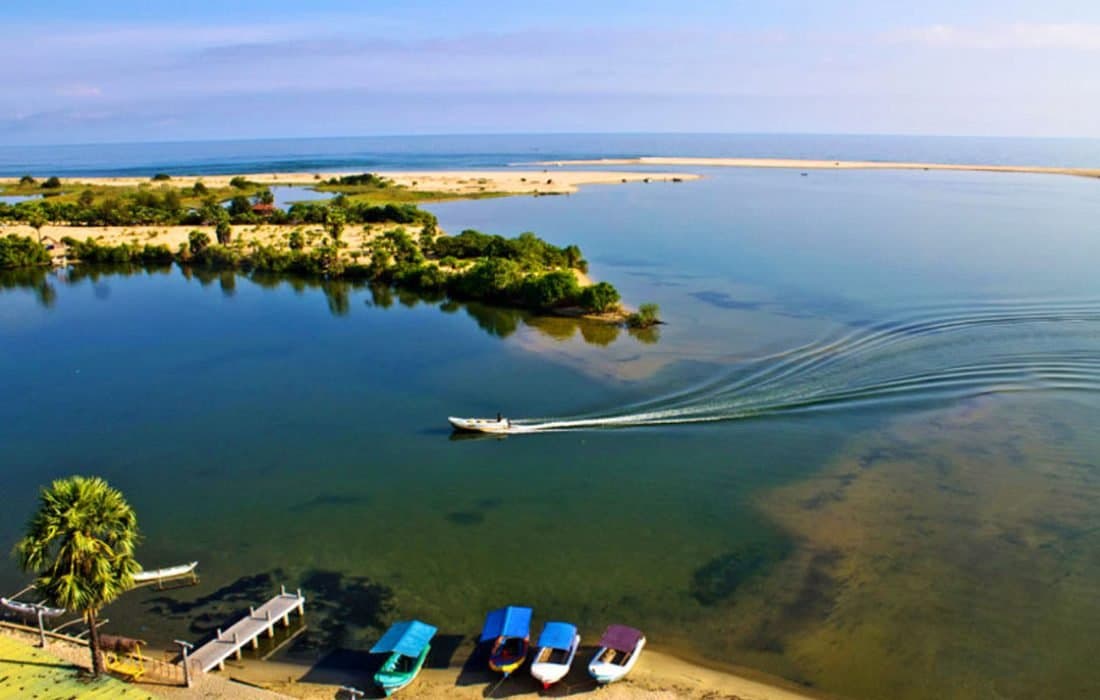
The Lost Fishing Villages of Batticaloa’s Coastline | Batticaloa is known for its lagoons, golden beaches, and a rhythm of life shaped by the ocean. But scattered along this long stretch of Eastern coastline are small fishing villages—some still standing, some washed away by the sea, and some slowly disappearing. These are places that rarely make it into travel guides. Yet they hold stories of migration, storms, resilience, forgotten traditions, and people who have lived with the sea for generations.
This article explores these “lost” fishing villages—what happened to them, how communities adapted, and why they deserve to be remembered and protected.
Where the Land Meets the Sea: A Fragile Border
Batticaloa’s coastline is beautiful but extremely vulnerable. The land is flat, the soil is sandy, and many villages sit just a few metres away from the water. Seasonal tides, monsoon winds, and cyclones can reshape the shoreline overnight.
Historically, villages were built close to the sea because fishermen needed direct access to the water. Boats were pulled onto the shore. Nets were dried on the sand. Families lived in lightweight huts that could be rebuilt after storms.
This closeness to the sea was essential—but it also exposed these communities to constant risk.
Villages That Once Existed
Over the decades, several fishing hamlets along the Batticaloa coastline have shrunk, relocated inland, or disappeared entirely. Old fishermen still speak of these places:
- Nasivantheevu and its traditional lagoon fishermen
- Palameenmadu, now partly swallowed by erosion
- Kallady’s old beachfront settlements, reshaped after cyclones
- Sinna Uppodai, where families moved further inland after repeated flooding
- Navalady, devastated by the 2004 tsunami
Some of these names survive only in memory, old land deeds, or church records. What once were lively communities—children running on the beach, women repairing nets, and men returning at dawn with their catch—slowly faded away.
The Turning Point: Tsunami 2004
The biggest single event that erased entire villages was the Indian Ocean Tsunami.
Batticaloa’s coastline was hit with enormous force. Waves rose over coconut trees and swept through settlements where homes were simple and fragile. Families who lived for generations by the sea lost everything within minutes.
Villages like Navalady and parts of Kalmunai North saw mass displacement. Some communities were moved permanently inland into new housing schemes. Others tried to rebuild near the ocean but could not return to the same location.
The coastline changed, both physically and socially.
Erosion, Sand Mining, and Climate Impact
Not all villages disappeared overnight. Many are fading slowly.
Erosion
Batticaloa’s natural coastline shifts each year. Erosion eats away at the sandy shore, often taking homes and coconut plantations with it. Villages like Palameenmadu and Kallady have lost metres of land to the sea over the last two decades.
Unauthorized Sand Mining
Illegal and excessive sand mining weakens the natural barrier between land and sea. The coastline becomes more fragile, making villages even more vulnerable to storms.
Rising Sea Levels
Climate experts note that Sri Lanka’s eastern coast is experiencing gradual sea-level rise. For a fisherman living five metres from the water, even small changes are significant. The ocean slowly creeps forward, swallowing gardens, wells, and eventually homes.
Lives Built Around the Lagoon and the Ocean
Batticaloa has a unique relationship with both saltwater and lagoon water. Some villages depend on lagoon fishing—crab, prawn, mullet—while others rely on deep-sea fishing.
The daily routine in these settlements is timeless:
- Men push their vallams or oru boats into the early-morning waves
- Women sort the catch and prepare it for the market
- Nets are mended under the shade of palmyrah trees
- Children learn the currents and wind patterns long before they learn to read
- Evening brings a gathering on the beach, sharing stories and weather updates
Even villages that have vanished physically continue to live in memory through these traditions.
When a Village Disappears: Human Impact
Losing a village is not just losing land—it is losing identity.
Loss of Community Structures
Temples, churches, kovils, and mosques often act as the heart of a village. When communities are relocated inland, they lose this centre of culture and connection. New settlements rarely recreate that same spirit.
Loss of Livelihood
If a fisherman is relocated even 1 km inland, his work becomes harder. Pulling boats to the shore, storing nets, and moving equipment is not practical. Many families abandon fishing entirely.
Loss of Heritage
Several old fishing techniques—pushing nets from the shore, operating lagoon traps, night fishing under moonlight—are slowly disappearing as younger generations seek different careers.
A disappearing village means disappearing knowledge.
Survivors of the Coastline: Villages Holding On
Not all is lost. Many fishing communities on the Batticaloa coast continue to survive, even thrive, despite challenges.
Kallady and Dutch Bar
These areas still maintain strong lagoon and sea-fishing traditions. New generations are learning deep-sea techniques using modern boats.
Vakarai
Once affected by conflict and natural disasters, Vakarai’s fishing sector is now a source of regional economic activity. The community rebuilt itself through sheer determination.
Puthukuduirippu
Seasonal fishing still thrives, with families maintaining their connection to the sea.
The resilience of these villages shows how deeply coastal identity is rooted in place, culture, and livelihood.
Women: The Silent Backbone of Fishing Villages
In Batticaloa’s fishing communities, women play crucial roles:
- Drying fish (karavadu)
- Sorting daily catches
- Managing household finances
- Repairing and washing nets
- Selling fish in markets
- Maintaining community networks
Even when villages disappear, women ensure that traditions and recipes survive—especially the art of preparing dried fish, shrimp, and crab.
Their strength keeps the culture alive even when the geography changes.
Why These Lost Villages Matter
Cultural Memory
These villages hold centuries of Tamil, Muslim, and mixed coastal heritage—songs, rituals, prayers for safe fishing, boat-building traditions, and food culture.
Environmental Lessons
The stories of eroded villages are lessons in environmental responsibility.
Human Resilience
Communities rebuilt themselves despite displacement, war, and natural disaster.
Remembering these villages isn’t nostalgia—it is recognition of a people who lived in harmony with the sea.
The Future: Can the Coastline Be Saved?
Batticaloa still has a chance to protect its remaining fishing villages through:
- Sustainable coastal management
- Controlled sand mining
- Stronger disaster-preparedness systems
- State support for relocated communities
- Preserving lagoon ecosystems
- Supporting traditional fisherfolk
Without this, more villages may disappear—not suddenly, but silently, one high tide at a time.
Conclusion
The “lost fishing villages” of Batticaloa are not just about vanished land—they are about forgotten communities, shifting coastlines, and the fragile relationship between humans and nature. These villages remind us that coastal life is beautiful but vulnerable, and that the stories of those who lived by the sea deserve to be told and preserved.
Their memory is a map of resilience—one that should guide how we protect Batticaloa’s coastline for generations to come.
Click on here “Beruwala’s Golden Mile at Sunrise: A Quiet Traveller’s Guide to Photography Spots”