Forgotten British Rest Houses in the Hill Country: Stories Behind Their Architecture
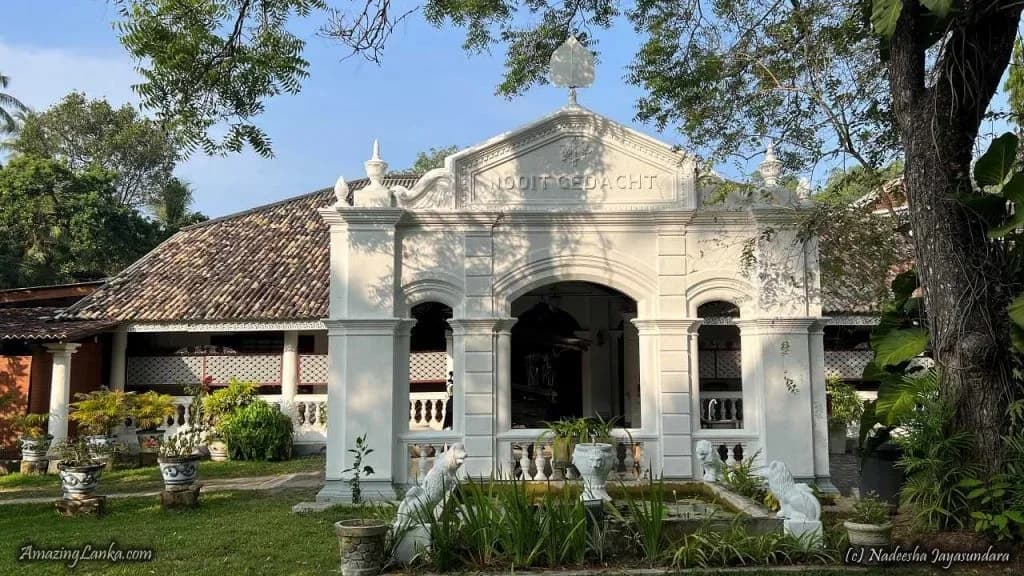
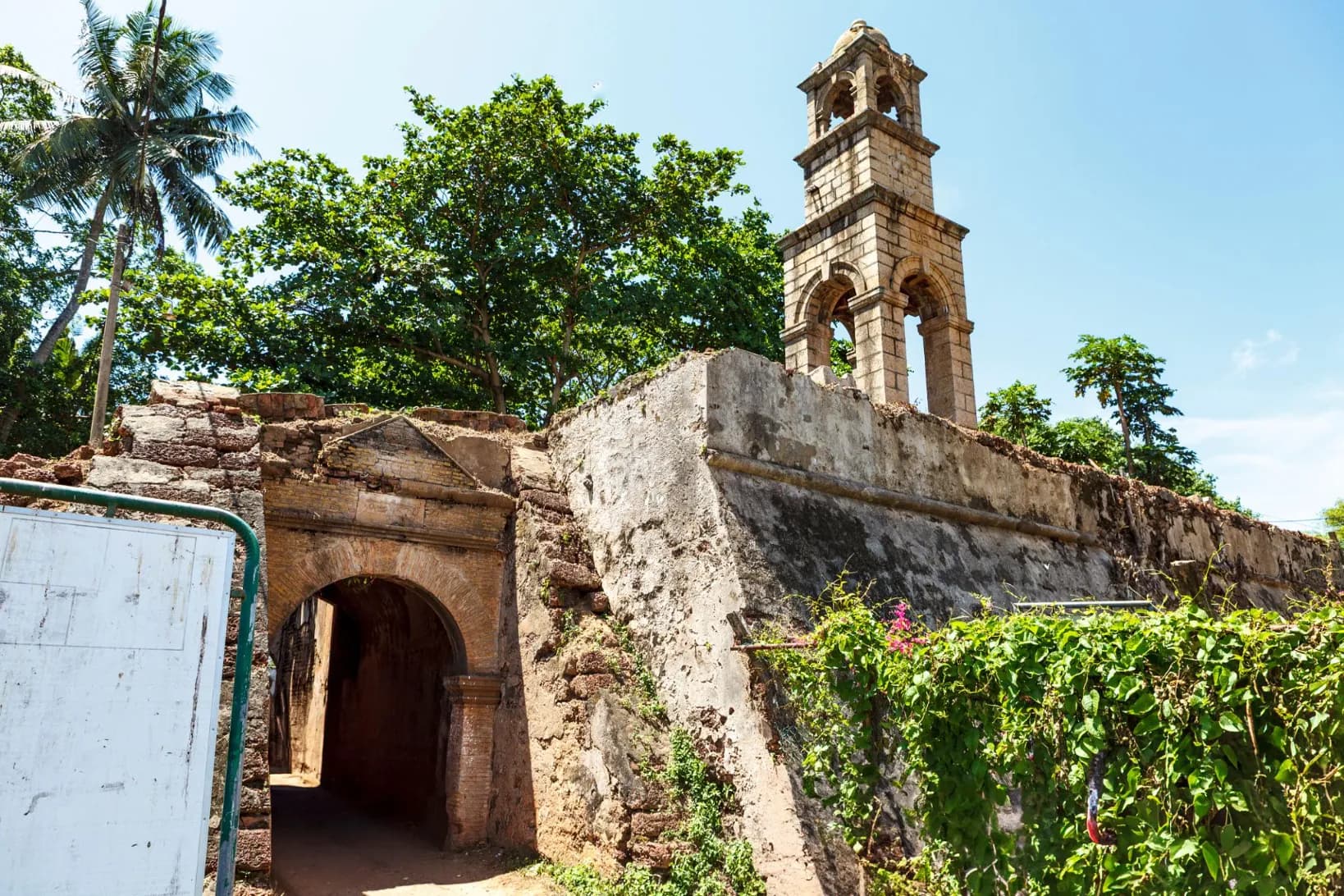
Sri Lanka’s hill country is full of places where time seems suspended between mist, moss, and memory. Among these are a string of old British rest houses — quiet roadside lodges built during the colonial era to serve travelling officers, planters, surveyors, and sometimes royalty. Many of these buildings still stand, often half-forgotten, softened by ferns and wrapped in mountain air, with stone walls that have witnessed over a century of stories.
This article takes a deeper look at these forgotten rest houses: how they came to be, the architectural influences that shaped them, the lives that passed through them, and why they still matter as cultural and architectural artefacts in Sri Lanka’s highlands.
Origins: Why the British Built Rest Houses in the Hill Country
When the British consolidated control over the island in the early 19th century, the hill country was still remote and difficult to access. Roads were scarce, bridges were few, and the steep terrain made long-distance travel extremely slow. Administrative officers travelling between Colombo, Kandy, Badulla, Nuwara Eliya, and outstation plantations needed stops where they could rest, eat, and sometimes stay overnight.
Rest houses — or dak bungalows, as inspired by those in British India — were introduced as part of a broader transportation and administrative system. Their purpose was practical:
- To support government travel and inspections
- To assist surveyors and road-building teams
- To facilitate mail and message transportation
- To offer accommodation for planters expanding the tea and coffee industries
- To establish British presence in remote areas
By the mid-1800s, rest houses appeared along key routes: Ramboda, Gampola, Nawalapitiya, Haputale, Badulla, and Nuwara Eliya. Many were built near rivers, railway lines, or strategic viewpoints, combining utility and scenery.
A Hybrid Architectural Style: British Form Meets Highland Climate
Though built by the British, the rest houses evolved into a distinctive architectural style adapted to the hill country’s wet, cool climate.
1. Stonework and Masonry Walls
In many rest houses—such as those in Haputale and Nuwara Eliya—the outer walls were carved from local granite or laterite. The thickness of these walls controlled temperature, keeping interiors warm at night and cool by day.
2. High Timber Ceilings
Most rest houses had ceilings raised far higher than typical homes. This was both aesthetic and functional. The high ceilings reduced dampness and improved ventilation, particularly important in mist-heavy climates.
3. Wide Verandas
Long verandas wrapped around most hill country rest houses. They sheltered travellers from sudden rain and gave wide views of valleys, rivers, and tea estates. Many verandas had wooden balustrades and arches that echoed British bungalow styles.
4. Clay Tile Roofing
Red Kandyan clay tiles (Uva tiles in the east, Kandyan tiles in Nuwara Eliya and Kandy) were used because they resisted heavy rain and cold temperatures better than metal sheets. The pitched roofs also allowed rainwater to slide off quickly.
5. Central Fireplaces
British officers accustomed to English winters installed stone fireplaces in almost every rest house located above 1,000m elevation. The fireplaces became social spaces—where planters shared news, officers reviewed reports, and travellers warmed themselves after riding through cold night winds.
6. Symmetry and Colonial Aesthetics
Many buildings kept classical British proportions:
- Balanced, geometric layouts
- Rectangular floor plans
- Central halls
- Matching window arrangements
Yet they blended with Sri Lankan craftsmanship—carved wooden beams, local stone floors, and doors made from jak or teak.
The People Who Passed Through: Unrecorded Stories from the Highlands
Rest houses were social hubs long before hotels existed in the hills. The stories behind their walls are often more fascinating than their architecture.
Planters and the Rise of Tea Culture
Before tea became an industry, coffee planters used these rest houses during long journeys from Colombo to estates in Haputale, Nuwara Eliya, and Bandarawela. When coffee blight destroyed plantations in the 1870s, tea pioneers like James Taylor and Sir Thomas Lipton travelled these same routes.
At night, rest houses became meeting points for planters to exchange updates:
- crop failures
- labour shortages
- weather patterns
- new estate techniques
Letters carried by horsemen and rail guards were often read aloud here first.
Surveyors and Cartographers
The mapping of the hill country depended heavily on these shelters. Surveyors lived for months in mountainous terrain surrounded by thick jungle, leeches, and heavy rain. Rest houses served as safe bases where they collected supplies, dried instruments, and documented their work.
Travelling Magistrates and Colonial Officers
Many officers travelled between Kachcheries (administrative offices) conducting inspections. Their diaries mention:
- meals served by rest house keepers
- encounters with wild animals
- long evenings in front of fireplaces
- views of mist drifting through valleys
Some officers left sketches of landscapes pinned to the walls—simple charcoal drawings now lost to time.
Ordinary Travellers
Bullock cart drivers, railway workers, and early local travellers also used these spaces. For many, rest houses were the only secure place to sleep during dangerous journeys through elephant- and leopard-dominated areas.
Famous Hill Country Rest Houses and Their Forgotten Histories
1. Ramboda Rest House
One of the earliest built in the hill region, Ramboda Rest House overlooked sheer cliffs and waterfalls. Its location on the old military road between Kandy and Nuwara Eliya made it a strategic stop for governors and army officers.
Stories include:
- sightings of massive tuskers in the surrounding valleys
- travellers hearing the Kotmale wind howl like a whistle at night
- British officers sketching the adjacent waterfall, one of the earliest recorded drawings of Ramboda Falls
2. Haputale Rest House
Built near the ridge that Sir Thomas Lipton often visited, this rest house gave panoramic views of plains stretching to the south coast.
Its guestbook reportedly included entries by early tea barons and explorers who described:
- sudden storms sweeping across the ridge
- railway workers blasting tunnels for the up-country line
- the first electric lights introduced to the region
Click on here “Surfing for Beginners in Nilaveli: Why It’s Sri Lanka’s Most Underrated Surf Spot”
3. Badulla Rest House
Located beside the Badulu Oya, this rest house combined colonial style with Kandyan influence. It served as a key hub for officers heading to Uva’s plantations.
Its verandas were known for:
- moonlit dinners overlooking the river
- long conversations about rebellion rumours during the 1818 Uva-Wellassa uprising
- meetings between chiefs and British administrators
4. Nuwara Eliya Rest House
Often overshadowed by the Grand Hotel and Hill Club, the rest house here predated both. It was one of the first places where British families stayed before the town grew into “Little England.”
Records show:
- early governors stopping here on their way to hunting trips
- the original rest house keeper known for the best mutton stew in the highlands
- snow-like frost covering the gardens on rare winter mornings
Inside the Rest Houses: Interiors That Blended Practicality and Charm
Even today, stepping inside an untouched rest house feels like stepping into another century.
Timber Furniture
Chairs and tables were usually made from local jak, teak, or ebony. Designs were simple:
- straight lines
- modest carvings
- no unnecessary ornamentation
They were built to endure humidity and heavy use from travellers.
Long Dining Tables
These were common in the central hall. Meals were served communally:
- rice and curry for local travellers
- soups, stews, and bread for British officers
- coffee from surrounding plantations
Oil Lamps and Later Kerosene
Electricity came late to the hill country. Until then, evenings in rest houses were lit by flickering yellow lamp light, casting shadows across high ceilings and stone floors.
Mounted Maps and Notice Boards
Walls often displayed:
- survey maps
- estate charts
- railway progress updates
- handwritten notices from the Government Agent
These made the rest houses unofficial communication centres.
Decline: How These Structures Faded from Memory
Several factors contributed to their gradual disappearance.
1. Modern Roads Reduced Their Purpose
With better highways and faster travel, long-distance rest stops became less essential.
2. Hotels Replaced Their Function
By the 1950s–70s, modern hotels in Nuwara Eliya, Ella, and Bandarawela attracted travellers seeking comfort beyond the minimalism of rest houses.
3. Lack of Conservation Awareness
Architectural heritage was not always prioritised. Many rest houses were left to weather, neglect, and economic downturns.
4. Changing Ownership and Management
Some were transferred from government departments to local authorities without preservation plans. Maintenance suffered.
5. Nature Reclaimed Them
The hill country climate — mist, rain, creeping vines — slowly softened wooden beams and cracked masonry.
Why These Rest Houses Still Matter Today
1. Architectural Heritage
They represent a rare fusion of:
- British colonial architecture
- Sri Lankan building materials
- highland climatic adaptation
This hybrid style is culturally unique to the island.
2. Historical Memory
Every rest house is a physical archive of stories:
- coffee and tea pioneers
- colonial administration
- early travel routes
- railway development
- local community interactions
3. Cultural Identity
They are reminders of a chapter in Sri Lanka’s history where the highlands transitioned from forested isolation to one of the world’s most important plantation regions.
4. Tourism Potential
With restoration, these structures could become:
- boutique stays
- heritage museums
- experiential travel hubs
- cultural research sites
Several countries — India, Malaysia, Vietnam — have revived colonial rest houses into thriving heritage hotels. Sri Lanka could follow the same path.
A Path Forward: Preserving What Remains
Saving these rest houses requires more than restoration. It requires a complete vision.
Restoring with Authenticity
Any conservation effort should:
- repair stone walls with original masonry techniques
- use reclaimed timber where possible
- preserve fireplaces, verandas, and tile roofing
- avoid modernisation that erases character
Integrating Local Communities
Rest houses can be revived through:
- community-run management
- local craft workshops
- partnerships with historical researchers
- eco-tourism and guided treks
Documenting Oral Histories
Many families in hill country towns have stories passed down from:
- former rest house keepers
- cooks
- railway workers
- planters
- surveyors
Recording these ensures the intangible heritage isn’t lost.
Creating Heritage Trails
The rest houses could form part of curated travel routes:
- The Old Military Road Trail
- The Planters’ Journey Route
- The Hill Country Mapping Trail
Each would blend architecture, landscape, and narrative.
Conclusion: The Architecture That Remembers
The forgotten British rest houses of Sri Lanka’s hill country are more than buildings. They are storytellers. They reveal how the British travelled, how the highlands developed, and how architecture adapted to climate, culture, and landscape.
Even in decay, they retain dignity — stone walls streaked with moss, verandas open to wind and rain, fireplaces cold but intact. Reviving them is not about nostalgia. It is about preserving a chapter of Sri Lanka’s architectural evolution and understanding the layered histories that shaped the hill country.
For travellers, historians, architects, and locals, these rest houses offer a rare chance to step into the past and experience the world as it existed more than a century ago — quiet, mist-covered, and full of stories waiting to be rediscovered.