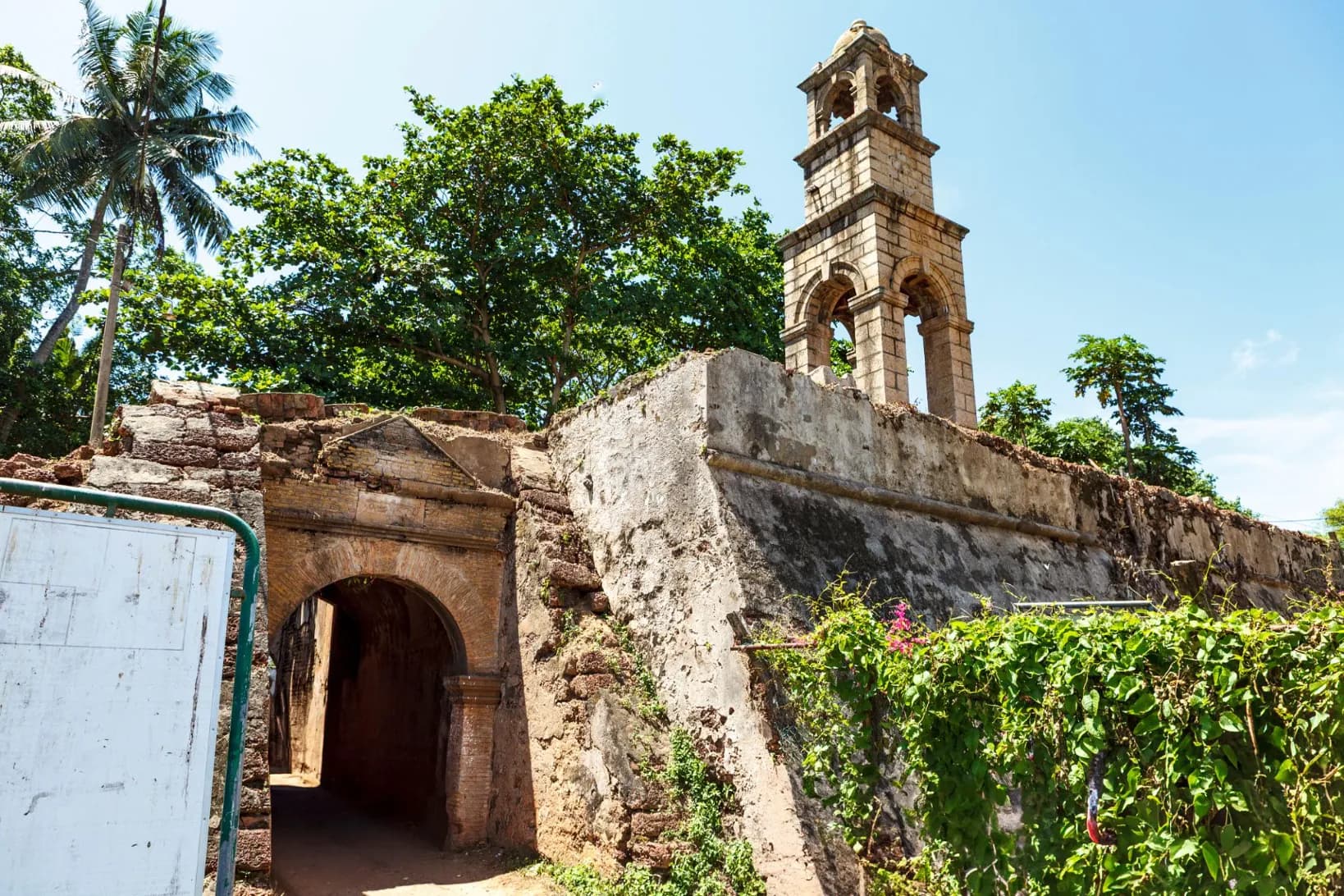
From Colonial Hunting Grounds to National Parks: How Landscapes of Power Became SpacGame reserves historyes of Protection
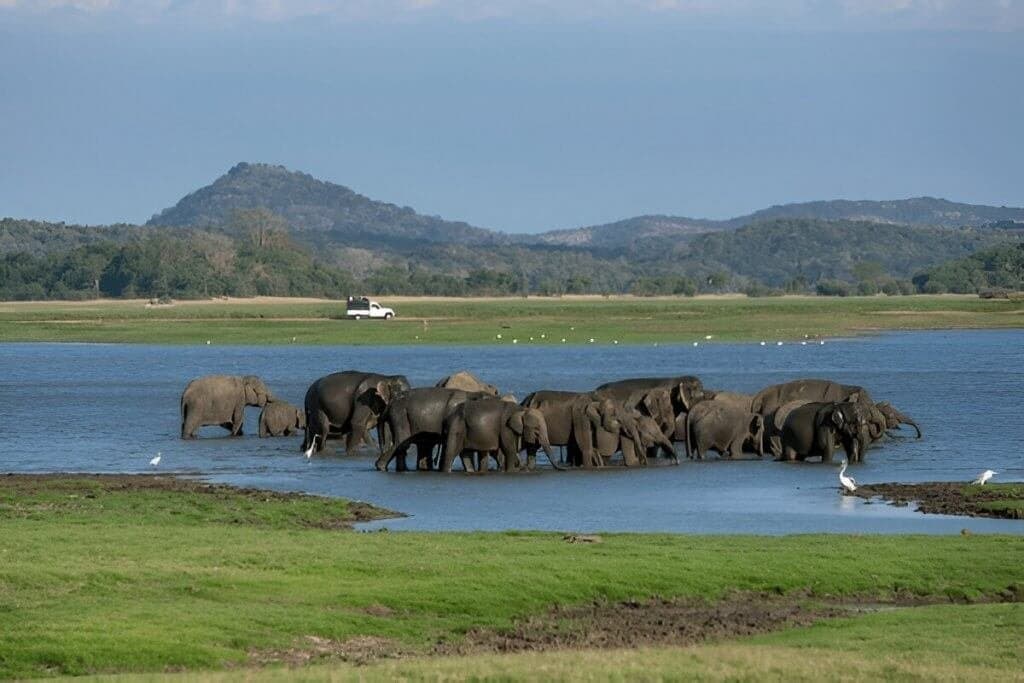
The story of national parks in many former colonies is not a simple tale of environmental awakening. It is layered with power, privilege, displacement, and slow transformation. Across Asia, Africa, and parts of the Americas, landscapes once reserved for colonial hunting elites have gradually been reimagined as protected natural spaces. These areas, originally shaped by domination and exclusivity, now stand as symbols of conservation, ecological responsibility, and national identity.
This transformation did not happen overnight. It unfolded through political change, shifting moral frameworks, scientific intervention, and public pressure. Understanding this journey helps us see national parks not as neutral green spaces, but as living landscapes shaped by history.
The Colonial Obsession with Hunting and Control
During the height of European colonial expansion, hunting was not merely a leisure activity. It was an assertion of authority. Big-game hunting symbolised dominance over land, wildlife, and people. Colonial officers, planters, and visiting aristocrats viewed forests and grasslands as playgrounds rather than ecosystems.
Animals such as elephants, tigers, leopards, deer, and buffalo were hunted as trophies. The kill itself mattered less than the proof of conquest: skins, tusks, horns, and photographs. Hunting expeditions were carefully documented, often exaggerated in memoirs and travelogues that reinforced colonial myths of bravery and masculinity.
Access to these lands was tightly controlled. Indigenous communities who had lived alongside wildlife for generations were suddenly criminalised for subsistence hunting or traditional land use. Colonial laws redefined forests as state property, stripping local people of both access and authority.
Game Reserves: Conservation or Convenience?
By the late nineteenth and early twentieth centuries, wildlife populations in many colonies had declined sharply. Overhunting by colonial elites, combined with habitat destruction for plantations, railways, and settlements, began to threaten the very animals colonisers prized.
In response, colonial governments introduced game reserves. On the surface, these appeared to be early conservation efforts. In reality, they were often designed to regulate hunting, not stop it. Licences, quotas, and seasonal restrictions ensured that elite hunting could continue sustainably for a select few.
These reserves were rarely about biodiversity. Predators were still culled, “problem animals” were eliminated, and ecosystems were manipulated to favour game species. Conservation existed only insofar as it preserved colonial privilege.
Displacement and the Human Cost of Preservation
One of the most overlooked aspects of colonial conservation is displacement. As forests and plains were declared reserves, villages were relocated, grazing rights revoked, and traditional livelihoods disrupted. Communities that had coexisted with wildlife through rotational farming, seasonal movement, and cultural taboos were reframed as threats to nature.
This created a lasting tension between conservation authorities and local populations. Protected areas became symbols of exclusion rather than shared heritage. In many regions, resentment towards national parks today can be traced directly to these colonial-era removals.
The idea that nature must be “empty” to be protected was a colonial construct, one that ignored centuries of sustainable human–environment relationships.
The Shift After Independence
Political independence marked a turning point, but not an immediate break from colonial conservation models. Newly independent states inherited legal frameworks, forest departments, and reserve boundaries drawn by colonial administrations.
However, the meaning of these spaces began to change. Hunting by elites became politically uncomfortable. National pride increasingly aligned with preservation rather than conquest. Wildlife, once trophies of empire, were reframed as national assets.
In many countries, former game reserves were redesignated as national parks. Laws banning hunting replaced licensing systems. Conservation became linked to scientific research, tourism, and international environmental movements.
The Rise of Scientific Conservation
Post-independence conservation increasingly relied on ecology and biology rather than sport. Researchers began studying animal behaviour, migration patterns, and ecosystem balance. This shift transformed how protected areas were managed.
Predators, once considered nuisances, were recognised as essential. Wetlands, grasslands, and forests were understood as interconnected systems. Fire management, invasive species control, and habitat restoration became part of park strategy.
This scientific framing helped justify strict protection, but it also reinforced centralised control. Decisions were often made by experts far removed from local communities, perpetuating some of the old power imbalances in a new form.
Tourism Replaces the Trophy
As hunting declined, wildlife tourism emerged as a major economic alternative. Safaris replaced shooting parties. Cameras replaced rifles. Lodges replaced hunting camps.
Tourism transformed the narrative around wildlife. Animals were no longer valuable dead, but alive and visible. Elephants, leopards, birds, and landscapes became sources of foreign exchange and national branding.
While tourism brought funding and global attention, it also introduced new pressures. Infrastructure development, vehicle congestion, and commercialisation sometimes threatened the very ecosystems parks aimed to protect.
Still, tourism played a crucial role in making conservation politically and economically viable in post-colonial states.
Reckoning with Colonial Legacies
In recent decades, conservation has entered a period of reflection. Scholars, activists, and policymakers have begun questioning the colonial foundations of national parks. Who benefits from protection? Who bears the cost? Whose knowledge counts?
There is growing recognition that excluding communities often undermines conservation goals. When people feel alienated from protected areas, illegal logging, poaching, and encroachment increase. Conversely, when communities are partners, stewardship improves.
This has led to experiments in community-based conservation, buffer zones, co-management, and indigenous land rights recognition. While progress is uneven, the conversation itself marks a significant shift.
National Parks as Symbols of Identity
Today, national parks occupy a powerful place in post-colonial identity. They represent natural heritage, resilience, and continuity beyond human politics. School textbooks, tourism campaigns, and national celebrations often feature iconic landscapes and animals.
This symbolism contrasts sharply with their origins. What began as playgrounds for empire have become shared spaces of pride and responsibility. The land remains the same, but its meaning has changed.
However, this transformation is incomplete. The past still echoes in boundaries drawn without consent, laws written without consultation, and narratives that prioritise wildlife over people rather than alongside them.
The Future: Beyond Protection Toward Coexistence
The next phase of conservation requires moving beyond the idea of parks as isolated fortresses. Climate change, urban expansion, and population growth make ecological connectivity and human coexistence unavoidable realities.
Wildlife corridors, community stewardship, adaptive management, and indigenous knowledge are no longer optional additions. They are essential tools for survival.
Former colonial hunting grounds have already undergone one profound transformation. The challenge now is ensuring the next one is more just, inclusive, and sustainable.
Conclusion: Landscapes That Remember
National parks are often marketed as timeless wilderness, but they are deeply historical spaces. Every trail, boundary, and regulation carries traces of past decisions and power structures.
Understanding the journey from colonial hunting grounds to national parks allows us to engage with conservation more honestly. It reminds us that protecting nature is not only about animals and forests, but also about people, memory, and responsibility.
Only by acknowledging where these landscapes came from can we decide, collectively, where they should go next.
Click on here “Lives Behind the Bungalows”