Growing Up in Old Colombo School Memories, Convents and the Childhood Spirit of a City
Cities are not only built with roads, skyscrapers, and traffic. They are built with laughter, childhood memories, friendships, discipline, teachers, playgrounds and the kind of quiet emotional attachments that stay with us for life. Colombo is one such city. Behind its fast-paced present lies a deeply nostalgic past a time when school days shaped identity, character and community in ways that feel beautifully irreplaceable.
For generations of Sri Lankans, growing up in Colombo meant more than simply living in the capital. It meant being part of a childhood that combined discipline, warmth, culture, spirituality, and a unique school experience that left a lifelong imprint.
This is a journey into that world.
Schools That Were Not Just Schools They Were Worlds
Long before shopping malls, digital classrooms, tuition marathons and international curricula, Colombo’s schools were emotional foundations. When you stepped through their gates, you didn’t just enter an institution you entered a world with its own rhythm, values and soul.
Convent schools like Holy Family Convent, St. Bridget’s Convent, and prestigious institutions like St. Peter’s, Royal College, St. Joseph’s, Ladies’ College, Wesley, St. Thomas’, and many others did much more than teach lessons. They built personalities.
Children woke up early, dressed neatly, polished their shoes, carried books carefully, and began their day not just with studies but with respect. Morning prayers, hymns echoing gently, orderly assemblies, and the reassuring presence of teachers gave each day a sense of purpose.
There was structure but also enormous tenderness.
Teachers weren’t only educators. They were guardians, disciplinarians, second mothers and moral anchors. Their voices still echo in many hearts, reminding former students of kindness, firmness and love delivered in equal measure.
Childhood Discipline, Grace and Simplicity
Life was simpler then.
School bags felt lighter. Friendships felt honest. Happiness came from shared ice cream at the canteen, recess laughter, class jokes whispered quietly, borrowing pencils, last-minute homework panic, and the thrill of school events.
Convent life in particular shaped entire generations of Sri Lankan girls creating women who were strong yet gentle, disciplined yet warm, confident yet humble. Uniforms symbolised unity rather than control. Rules weren’t suffocation they were guidance. Respect wasn’t demanded it was naturally felt.
Students learned:
• how to sit with grace
• how to speak kindly
• how to respect elders
• how to balance ambition with humanity
Values weren’t taught through books alone they were lived through daily experience.
School Life Beyond Classrooms
Growing up in old Colombo didn’t mean endless exams alone. Schools were alive with cultural events, concerts, plays, choir performances, sports meets, fetes, debates, science exhibitions and community gatherings.
These events didn’t just entertain they built confidence, teamwork and joy.
Children learned to:
• perform without fear
• speak on stage
• organise events together
• cheer for friends
• celebrate success gracefully
• accept defeat with dignity
Sports made students brave. Music made them soulful. Friendships made them grounded. These experiences crafted individuals who would later become leaders, artists, professionals, parents and inspiring members of society.
And even decades later, former students remember the smell of the school hall, the sound of applause, the tension before results, and the unforgettable joy of achievement.
The City Around the Schools
Colombo of the past also shaped these childhoods.
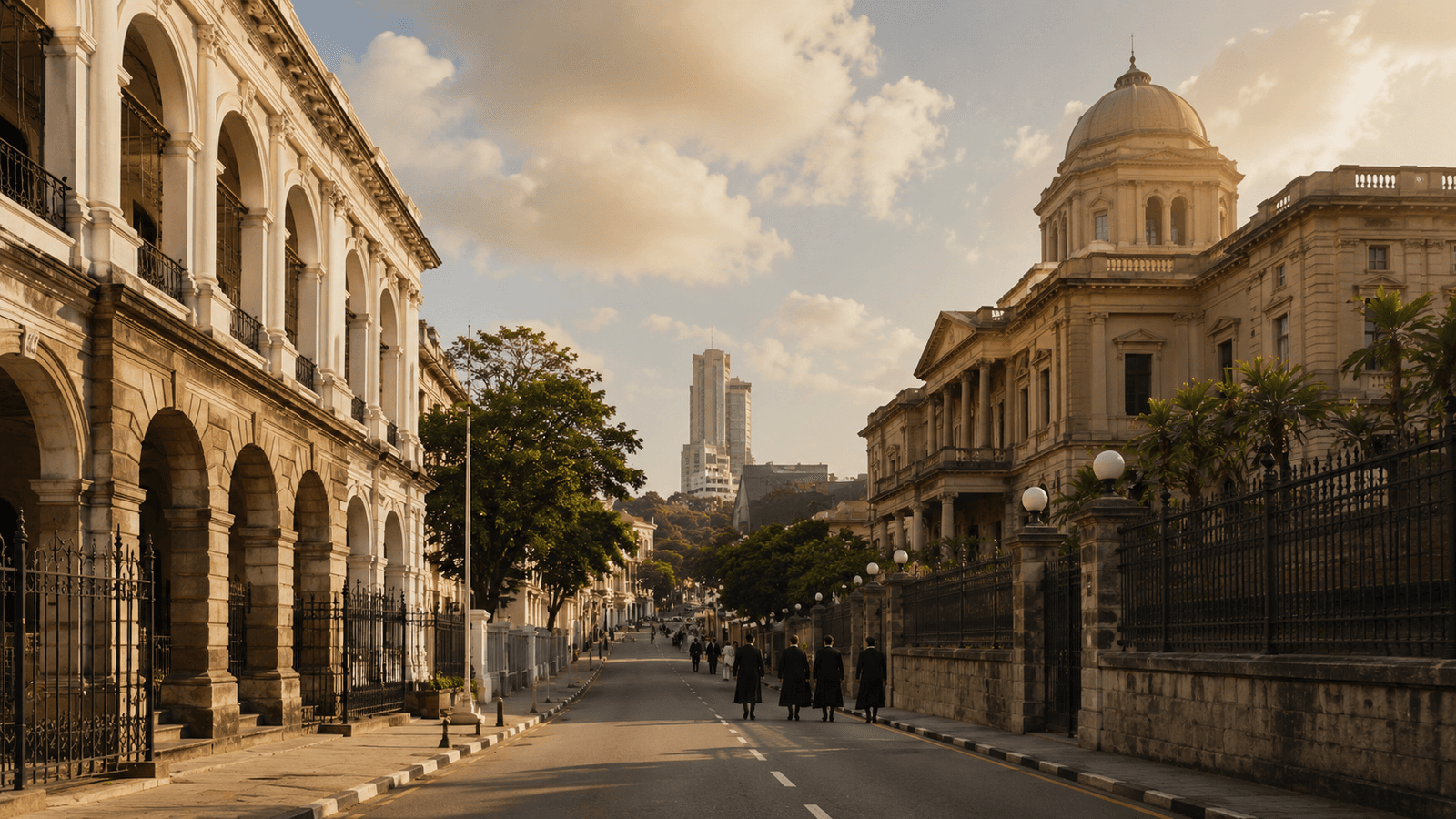
Quiet tree-lined streets, elegant colonial buildings, neighbourhoods that felt close-knit, familiar bakeries, corner shops, convent bells ringing in the afternoon, and children walking home or waiting at school gates with excited chatter created an atmosphere that felt safe and human.
Parents trusted communities.
Neighbours knew each other.
Teachers and families shared respect.
Life felt connected.
The city didn’t just house schools.
It embraced their spirit.
Nostalgia — What We Lost, What We Still Carry
Modern Colombo is energetic, ambitious and rapidly evolving. Schools today are more competitive, digital, globally connected and academically intense. Children have more opportunities but often less emotional space.
Looking back, nostalgia doesn’t mean wishing to return to the past.
It means appreciating what it gave us.
Old Colombo school life taught:
• humility
• emotional strength
• discipline
• creativity
• faith
• community
• character
It gave friendships that survive decades.
Memories that remain vivid.
Values that quietly guide lives even today.
Every time former students walk past their old school gates, something softens inside. A smile appears without effort. Because childhood never really leaves us. It simply lives quietly in the background warm, familiar and deeply comforting.
School Heritage as Living History
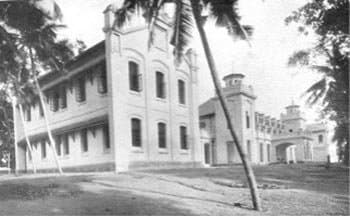
Today, many of these Colombo schools stand not only as educational institutions but as living heritage landmarks. Their architecture, classrooms, chapels, playgrounds, and iconic buildings hold emotional history.
For travellers, alumni and heritage enthusiasts, these spaces are cultural treasures. For the diaspora, they are anchors to identity. For current students, they are guardians of legacy.
Walking inside them feels like stepping into a memory that continues to breathe.
Why These Stories Matter
In a world growing faster every day, remembering childhood Colombo keeps us grounded. It reminds us that education is not just academic achievement it is emotional shaping. It teaches us that discipline can coexist with warmth. That values last longer than grades. That kindness matters as much as intelligence.
Colombo’s school culture shaped a generation of confident, compassionate Sri Lankans and continues to influence countless lives across the world. That is legacy.
That is heritage.
That is something worth celebrating
Click on here “Two Countries, One Heart Sri Lankan Families of the Colonial Era and Their Beautiful Stories of Identity”