Horton Plains: Understanding the Plateau Ecosystem Before World’s End
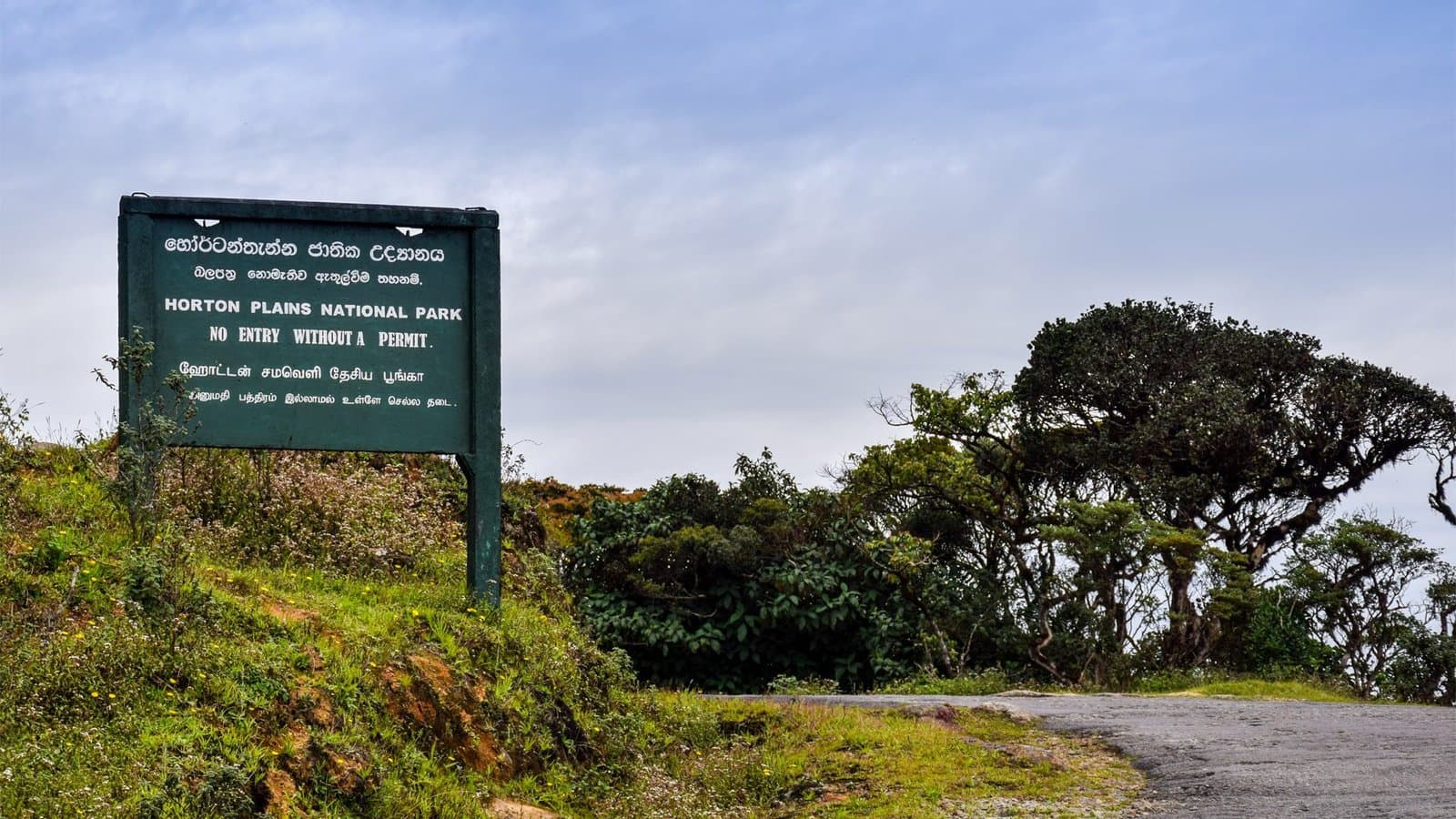
Horton Plains is one of Sri Lanka’s most extraordinary natural landscapes—a high-elevation plateau where cloud forest, open grassland, icy streams, and rare wildlife all coexist in a delicate ecological balance. Before reaching the dramatic viewpoint known as World’s End, visitors walk through a complex, living ecosystem shaped by altitude, temperature, wind, and centuries of evolution.
Understanding this ecosystem is not only useful for travellers; it is essential for appreciating why Horton Plains is protected as a UNESCO World Heritage Site and why the plateau remains one of the most sensitive environments in the island’s biodiversity network.
This article explores the key ecological features of the Horton Plains plateau, the species that depend on it, the climatic forces that shape it, and how travellers can help protect this fragile environment.
The High-Altitude Plateau: A Unique Landscape
Horton Plains lies at about 2,100–2,300 metres above sea level—one of the highest continuously vegetated areas in Sri Lanka. Its elevation is what makes the plateau fundamentally different from other ecosystems in the region.
Key characteristics of the plateau:
- Low temperatures (often dropping below 5°C at dawn)
- High wind exposure, especially over open grasslands
- Morning mist and persistent cloud cover
- Intense sunlight when clouds clear, adding to evaporation
- Thin, nutrient-poor soils that are easily eroded
These factors combine to create an environment where only specially adapted plants and animals can survive.
The Cloud Forest: The Heart of Horton Plains
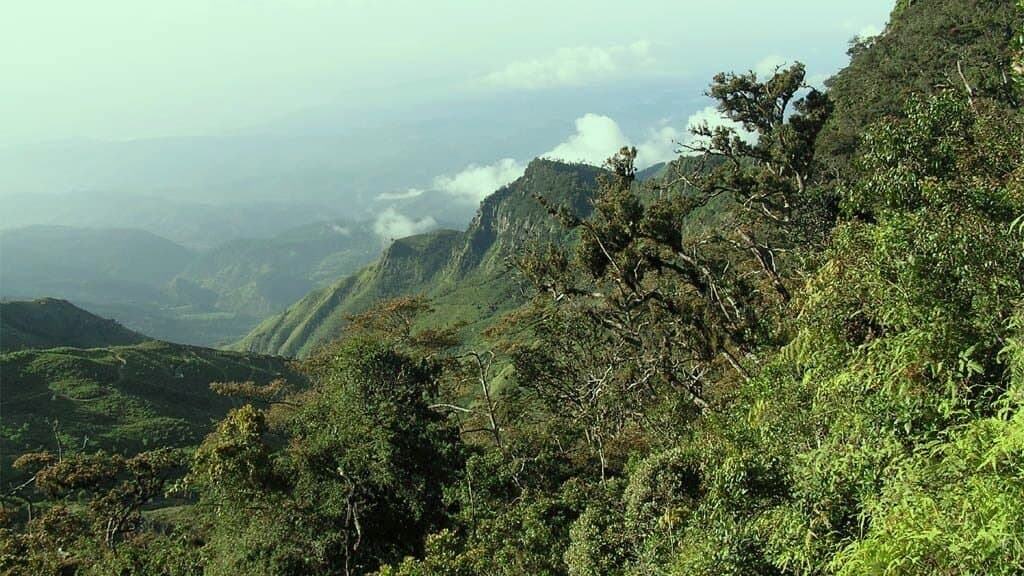
Around the entrance and along sheltered valleys, the landscape is dominated by montane cloud forest. These forests are short, stunted, and moss-covered—very different from the tall lowland rainforests of the island.
Unique features of the cloud forest:
- Gnarled, twisted trunks shaped by wind and cold
- Thick layers of moss, lichens and epiphytes, which help trap moisture
- Slow-growing canopy species, some hundreds of years old
- High endemism, meaning many plants grow only here
Cloud forests act like giant sponges. They capture moisture from mist and rain, releasing it slowly into the streams and rivers that feed much of southern Sri Lanka. Horton Plains is therefore a critical watershed, supplying water to the Mahaweli, Kelani and Walawe river systems.
Flora of the cloud forest
Key species include:
- Calophyllum walkeri (Walpile)
- Syzygium species (wild berries)
- Strobilanthes shrubs
- Rhododendron arboreum ssp. zeylanicum, Sri Lanka’s native rhododendron
These plants have adapted to cold temperatures, low nutrients, and limited sunlight. They grow slowly but form one of the most stable ecosystems in the island.
The Montane Grasslands: A Wind-Shaped World
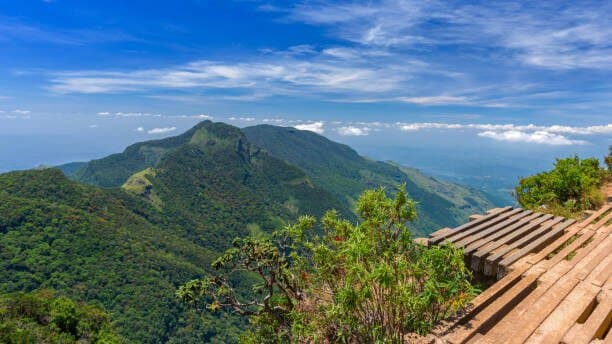
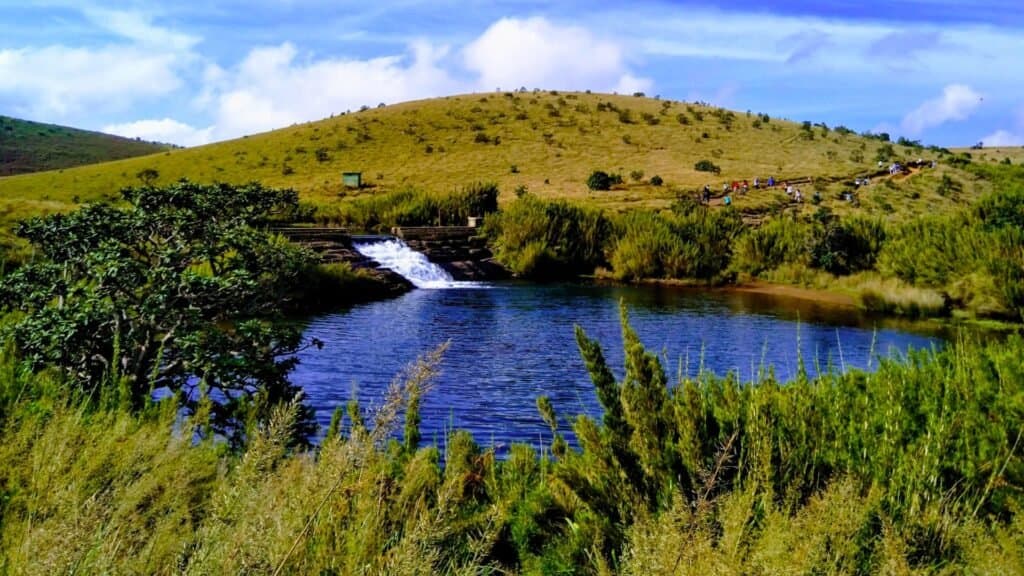
Once the forest thins, the path opens into golden-brown grasslands stretching across the plateau. These open plains are not natural savannas—they are believed to be shaped by ancient climatic conditions and maintained through frost, soil chemistry, and historical fire cycles.
Why grasslands dominate:
- Extreme frost damages forest seedlings
- Shallow soils support tough grasses better than trees
- Strong winds limit canopy development
- Waterlogged patches restrict root growth
These grasslands are crucial habitats for grazing mammals and bird species that rely on open spaces.
Wildlife of the Plateau
Horton Plains is one of the best places in Sri Lanka to observe high-altitude wildlife in its natural habitat. Many species here are endemic and adapted to cold conditions.
Mammals
- Sambar Deer (Rusa unicolor)
The most iconic species in Horton Plains. They graze mainly at dawn and dusk and often wander near pathways. - Purple-faced Langur (montane subspecies)
This subspecies is darker, fluffier, and more cold-adapted than its lowland relatives. - Leopard (Panthera pardus kotiya)
Sightings are rare, but a stable population exists within the plains and around forest fringes.
Birds
The plateau is a birdwatching hotspot, especially for endemics:
- Sri Lanka Bush Warbler
- Dull-blue Flycatcher
- Yellow-eared Bulbul
- Sri Lanka Wood Pigeon
Early morning is the best time for sightings.
Reptiles and amphibians
Cold temperatures limit reptile diversity but support several unique amphibian species, especially stream-dwelling frogs like Pseudophilautus.
Rivers, Streams and Bakers Falls
As moisture from the cloud forest drains across the plateau, it forms ice-cold streams cutting through grasslands and forest patches. These streams support species that cannot survive in warmer lowland waters.
Bakers Falls, a highlight along the trail, is fed by these streams. Mist from the falls feeds mosses and ferns that cling to nearby rock faces, creating a cool microclimate with its own biodiversity.
Ecological Pressures and Threats
Despite being a protected area, the plateau faces significant environmental pressures.
1. Invasive species
Plants like gorse (Ulex europaeus) and eucalyptus threaten to overwhelm native flora. Removal efforts are ongoing but slow.
2. Human-induced stress
- Littering along the trail
- Trampling of grasslands
- Feeding wildlife, which alters behaviour
- Off-trail hiking, which damages soil
- Unregulated tourism during peak periods
3. Climate change
Warming temperatures threaten high-elevation species adapted to colder conditions. Cloud forests are particularly vulnerable—if the cloud base rises, the forest could lose its moisture source.
The Path to World’s End: A Living Classroom
The walk to World’s End is more than a scenic hike. It is a journey through several habitat zones, each representing a chapter in the plateau’s ecological story.
What visitors experience along the trail:
- Mist rising across open plains
- Cold winds sweeping across the valleys
- Shifting light patterns as clouds move overhead
- Sudden bird calls from hidden perches
- The scent of wet grass, lichen, and forest earth
- Crystal-clear streams running over dark rock
By the time the trail reaches World’s End, the plateau suddenly drops almost 900 metres down to the lowlands—a breathtaking reminder of how dramatic Sri Lanka’s terrain can be.
On clear mornings, the view stretches all the way to the southern coastline. On misty days, the landscape disappears into white clouds. Both experiences reveal different aspects of the plateau’s climate.
Why Horton Plains Matters
Horton Plains is not simply a tourist destination. It is an ecological powerhouse.
Its importance includes:
- Water security: It feeds three major river systems.
- Biodiversity protection: It hosts rare, endangered, and endemic species.
- Carbon storage: Cloud forests are slow-growing but store significant carbon.
- Climate regulation: The plateau influences regional weather patterns.
- Scientific value: It is a natural laboratory for studying montane ecosystems.
Preserving this plateau is essential for Sri Lanka’s environmental future.
Responsible Travel: How Visitors Can Protect Horton Plains
Because the ecosystem is fragile, even small actions matter.
Key guidelines:
- Stay on designated trails.
- Avoid stepping into grasslands or stream banks.
- Do not feed animals under any circumstances.
- Carry out all rubbish.
- Minimise noise to avoid disturbing wildlife.
- Respect plant life—no picking, breaking or removing.
- Visit early morning to avoid crowd pressure and to witness the natural behaviour of wildlife.
Even one visitor’s choices can help preserve the plateau’s integrity.
Final Thoughts
Horton Plains is more than a scenic landscape—it is a living, breathing ecosystem shaped by cold winds, ancient forests, rare water sources, and centuries of natural evolution. Understanding this complexity deepens the experience of reaching World’s End. It reminds us that the beauty of the plateau exists because countless interdependent species, soils, and climates hold it together.
To walk through Horton Plains is to walk through one of Sri Lanka’s last untouched wilderness zones. With respect, awareness, and responsible behaviour, visitors can ensure that this high-altitude miracle continues to thrive for generations to come.
Click on here “The Rituals of Sri Lankan Home Cooking: Why Every Spice Has a Story”