How DITWA Rainfall Patterns Are Changing the December Tea-Picking Season
How DITWA Rainfall Patterns Are Changing the December Tea-Picking Season | December used to be one of the most dependable months in Sri Lanka’s hill country. The air stayed cool, mornings felt crisp, and tea estates across regions like Nuwara Eliya, Hatton, Talawakelle, Haputale, Bandarawela, and Maskeliya moved in a rhythm everyone understood—pluck, weigh, transport, with just enough sunshine between short rains to keep leaf quality steady.
But in recent years, many estates have been experiencing a different December: sudden heavy downpours, longer wet spells, sharper temperature swings, and fewer “predictable” dry windows. Under the shadow of the DITWA weather shifts, tea is still being harvested—but the way it’s picked, handled, and even planned has started to change. For travellers, it also means the December tea country experience is evolving: different landscapes, different work patterns on estates, and new realities behind the postcard-perfect slopes.
Why December matters so much for tea in Sri Lanka
Sri Lanka’s tea isn’t just a crop—it’s a living chain of timing. December typically sits inside a valuable period where many tea-growing areas aim for steady plucking rounds and consistent factory output. When rainfall becomes more irregular, the entire chain gets pressured.
Tea bushes respond quickly to water and temperature. If rain arrives in heavy bursts, growth can surge—but plucking becomes harder. If rain stretches across days, leaf moisture rises and transport becomes slower. And if wet conditions trigger fungal risks or soil damage, estates must adjust how and when they pluck.
December also matters because it’s a high travel month. Visitors head to the hills for cool weather, scenic train rides, and estate experiences. When rainfall patterns shift, both tea work and traveller expectations shift with them.
What “changing rainfall patterns” looks like on tea estates
DITWA-linked rainfall changes aren’t only about “more rain.” It’s also about how the rain arrives.
Some commonly reported changes on estates include:
- Shorter dry windows between showers
- Sudden intense rain events that flood drains and estate paths
- Longer stretches of damp conditions where sunshine doesn’t fully “reset” the fields
- Mist-heavy mornings that hold moisture on the leaf
- More frequent “stop-start” weather that interrupts plucking rounds
For tea, this matters because leaf quality depends on timing and handling. Even if the bush grows well, the wrong harvest conditions can reduce quality grades, slow production, or raise costs.
How heavier December rains affect the plucking itself
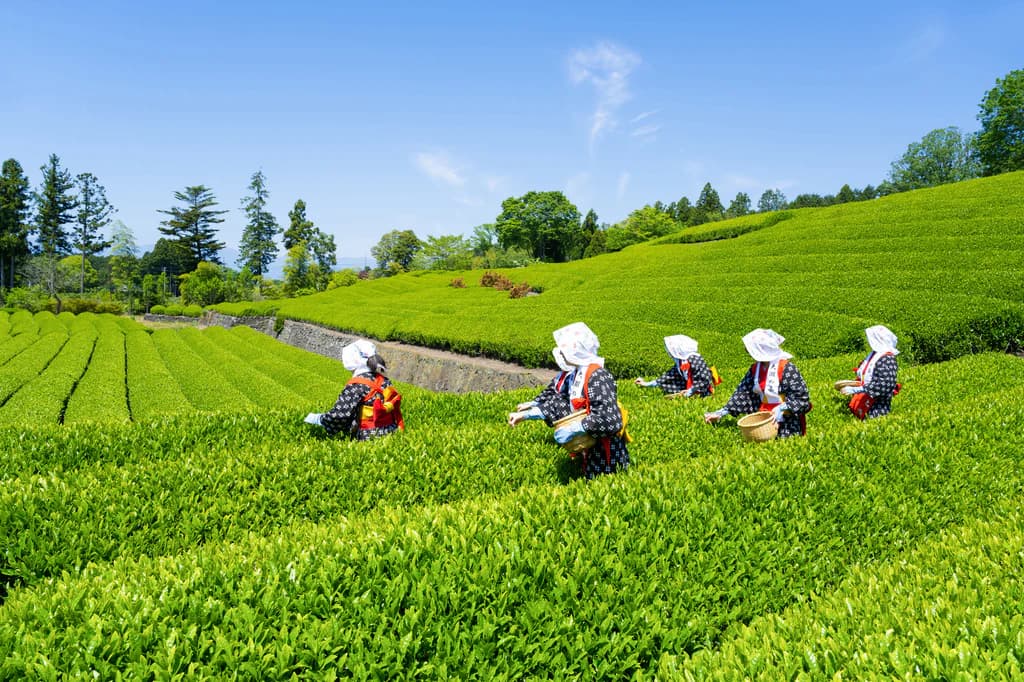
Tea plucking is precision work. Pluckers aim for the right leaf standard—often the “two leaves and a bud” ideal—while maintaining consistent rounds across sections.
When rains intensify or become frequent:
- Plucking becomes physically harder: slopes get slippery, paths degrade, and moving baskets safely is tougher.
- Leaf can bruise more easily: wet leaves handled under pressure can get damaged faster, affecting oxidation and flavour.
- Plucking rounds may change: managers may shorten or adjust rounds depending on growth surges after rain.
- Work windows shrink: plucking may pause during heavy rain to protect workers and reduce leaf damage.
For travellers hoping to “watch tea plucking,” the experience can be less predictable in December now. Some mornings may be perfect; other days may shift to factory-focused activities instead.
Quality shifts: what wet-weather leaf does to flavour and grading
Tea quality isn’t only about the bush—it’s about the leaf arriving at the factory in good condition.
With wetter Decembers:
- Higher leaf moisture can complicate withering (the first key step in many black tea processes).
- Transport delays can lead to leaf heating in bags if not handled well, reducing quality.
- More bruising during wet handling can change the chemical profile of the leaf.
- Increased disease pressure (like fungal issues) can affect leaf health and yield over time.
The result can be more variation in batches—meaning estates may produce excellent teas, but with less consistency across the month.
Click on here “Sri Lanka’s Coastal Christmas Menu: From Seafood Curries to Forgotten Colonial Desserts”
The estate logistics problem: roads, routes, and transport time
Tea estates depend on internal roads and footpaths. Leaf is usually moved from field to collection points, then on to the factory. When December rain is heavier or more frequent, that movement becomes the bottleneck.
Common issues include:
- Mud-softened estate roads slowing tractors and small vehicles
- Minor landslides or slope slips blocking estate routes
- Drainage overflow cutting off footpaths
- Delays that reduce the freshness window of leaf delivery
This also affects travellers. A tea estate visit in December may involve route changes, limited access to certain viewpoints, or a shift in “where” you can walk safely on the property.
Worker routines and welfare: the human side of December rains
Tea is labour-intensive, and rain doesn’t only change the crop—it changes daily life for workers.
During unstable rainy Decembers:
- Pluckers may face more stop-start workdays
- Wet conditions can increase fatigue and risk of slips
- Some estates adjust working hours to catch drier windows
- Protective gear and safe-path maintenance become more important
- Day-to-day earnings can fluctuate if plucking time reduces
For responsible travellers, it’s a reminder that hill country beauty comes with real labour behind it. If you’re visiting estates, choosing ethical operators and being respectful around workers matters more than ever.
How estates are adapting: smarter field and factory decisions
Across tea regions, adaptation has become part of December planning.
Some practical shifts include:
- Drainage upgrades: better side drains, cleared channels, reinforced edges on estate roads
- Field zoning: plucking sections prioritised based on access and slope safety during wet spells
- Faster leaf handling: improved collection timing, more frequent transport runs when possible
- Factory process tweaks: adjusting withering times, airflow, and monitoring leaf moisture more closely
- Replanting and soil protection: contour planting, ground cover, and erosion control in vulnerable sections
These adaptations cost money and require planning, but they help maintain both yield and quality under changing rainfall behaviour.
What this means for travellers visiting tea country in December
Tea country in December is still worth visiting—often stunning, misty, and cinematic. But the experience is evolving.
Here’s what you may notice now:
- Hills can look greener and more dramatic due to frequent moisture
- Sunrise viewpoints may be hidden behind mist more often
- Estate walks may be shorter or rerouted for safety
- You might see quicker, more urgent harvesting during brief dry windows
- Factory tours may become the “main event” if plucking pauses due to rain
If you plan well, you can still get that classic estate experience—just with a more weather-aware approach.
Tips for photographing tea estates during a wetter December
If December rain is part of the story, lean into it.
Try:
- Shooting mist layers across slopes for depth
- Using rain-wet leaves for close-up texture shots
- Capturing workers under umbrellas or rain covers (only from a respectful distance and with permission where appropriate)
- Looking for reflective puddles on estate paths for cinematic frames
- Timing factory shots when leaf arrivals are happening quickly between showers
The new December tea season can produce visuals that are more dramatic than the old predictable sunshine version.
The bigger picture: tea resilience in a changing climate season
Tea has survived wars, economic shocks, and generational transitions—but climate variability is a different kind of challenge because it disrupts the rhythm itself. DITWA rainfall shifts, especially when they alter December’s predictability, force estates to become more adaptive and more precise.
For Sri Lanka, tea remains a national identity product—economically and culturally. For travellers, understanding what’s changing makes the visit deeper: you’re not only seeing a beautiful landscape; you’re witnessing a living industry adjusting to a new seasonal reality.