How Jaffna Reinvented Its Street Food: From Odiyal Kool to Modern Fusion Cuisine
Jaffna’s food identity is one of the strongest in Sri Lanka. Earthy, unapologetically bold, and deeply tied to tradition, the flavours of the peninsula have survived migration, conflict, and globalisation. Yet over the last decade, something remarkable has happened. Jaffna’s culinary story has shifted from home kitchens and kovils to food trucks, café counters, and trendy fusion pop-ups.
This shift isn’t merely about modernisation; it is about how a region protects heritage while confidently reinventing it. The new generation of Jaffna chefs, home-bakers, and street vendors are not abandoning their roots—they are re-expressing them.
Below is a deeper look into how Jaffna transformed classic dishes like Odiyal Kool, Kool Pittu, and Jaffna Kool Varai into modern, exciting, and globally inspired street food.
The Roots of Jaffna Cuisine: A Legacy Written in Fire and Earth
Traditional Jaffna cooking is built on humble ingredients cooked with intensity—pungent spices, firewood, cast-iron pots, and slow simmering. The flavours rely on three pillars:
1. Earthy bases
Millets, odiyal (palm root flour), jak, homemade rice noodles, and fresh seafood from the northern coast.
2. Heat and depth
Jaffna chilli powder, crushed garlic, pepper, tamarind, curry leaves, and aromatic roasted spices.
3. Community cooking
Large pots for family feasts, temple events, and harvest celebrations.
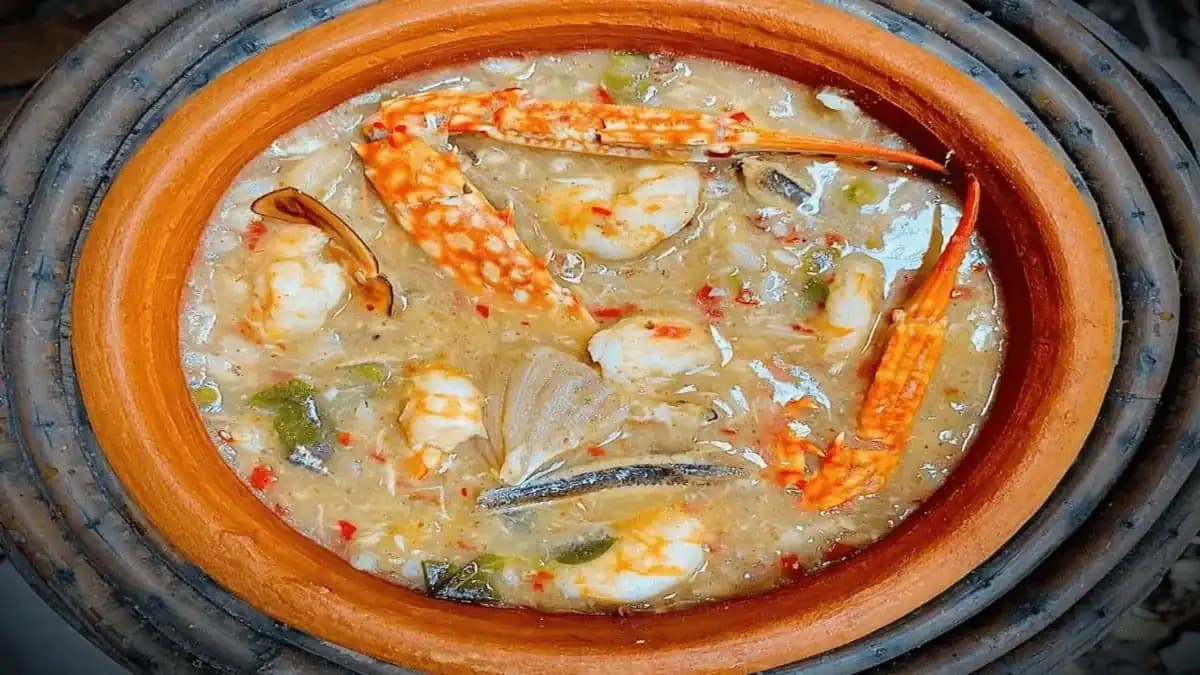
The region’s most iconic dish, Odiyal Kool, embodies all of this—a thick, dark purple seafood soup made with odiyal flour, long beans, murunga leaves, crab, cuttlefish, and chunks of locally caught fish. It was never “street food” in the modern sense. It was communal food—made slowly, shared widely.
Yet the new generation has begun reshaping this classic.
From Tradition to Trend: Why Jaffna’s Food Scene Started Evolving
Several forces have driven Jaffna’s shift from traditional food to fusion street cuisine.
1. The post-war return of tourism
After 2009, visitors began exploring the peninsula again. Tourists wanted authentic Jaffna flavours, but they also wanted quick, accessible formats. Vendors responded by simplifying long recipes into fast-serving street dishes.
2. Youth migration and global influence
Young people from Jaffna studied or worked in Colombo, Australia, Canada, and Europe—absorbing new techniques. When they returned home, they brought ideas for wraps, tacos, noodles, and bowls that could still carry Jaffna’s signature heat.
3. Social media culture
Instagram and TikTok accelerated the movement. Visual, vibrant foods like Kool shots, crab rolls, and spicy ice-cream became shareable content. Jaffna suddenly found an audience far beyond its borders.
These shifts paved the way for a culinary renaissance.
Odiyal Kool Reimagined: The Star of Jaffna’s Street Food Revolution
Of all the dishes reinvented, Odiyal Kool has undergone the most dramatic transformation.
Odiyal Kool Shots
Small cups served hot—almost like espresso shots—but filled with the thick, spicy broth. They are now sold in busy market streets and night food fairs.
Kool Noodles
Vendors have started tossing Kool broth with flat noodles, crab meat, and coriander. This creates a hybrid dish resembling spicy ramen but rooted in Jaffna flavours.
Kool Tacos and Wraps
A newer trend is using Kool-thickened seafood as a filling for soft wraps with onions, lime, and green chilli. It’s fast, flavourful, and perfect for street crowds.
Odiyal Croquettes
Ground odiyal mixed with crab, onions, and curry leaves, rolled into balls, fried, and served with spicy mayo. It’s local flavour wrapped in a global street food form.
These variations keep the essence of Kool intact but make it accessible for younger audiences who don’t often sit down for a full traditional meal.
Click on here “Tea Pickers’ Cultural Lives: Music, Festivals, and Traditions in the Estates”
The Rise of Modern Fusion: What Young Jaffna Food Entrepreneurs Are Creating
Across Jaffna town, Kopay, Nallur, and Point Pedro, a wave of small eateries and street vendors are redefining what “Jaffna food” can be.
1. Peninsular Burgers and Rolls
Crab burgers with Jaffna spice aioli
Prawn rolls with karapincha butter
Hot butter cuttlefish sliders
The idea: take Western street staples and infuse them with northern spice profiles.
2. Spicy Jaffna Kottu Variations
Mutton bone-marrow kottu
Crab curry kottu
Jaffna chilli garlic kottu
Kottu—originally not a northern staple—has been reinterpreted to match Jaffna’s intensity.
3. Karai Cuisine Pop-Ups
Traditional clay-pot (karai) dishes are being served in small tapas portions:
- Karai prawn bites
- Mini fish curry bowls
- Jaffna chicken liver fry
These are perfect for food festivals and night markets.
4. Ice-Cream and Dessert Experiments
Palmyrah jaggery ice-cream
Tamarind sorbet
Nelli-lime popsicles
Chilli-dark chocolate kulfi
Young vendors are experimenting with flavours that were previously confined to herbal drinks or temple sweets.
5. Vegan and Healthy Jaffna Bowls
Millet bowls with seeni sambol
Avocado-odhiyal mix bowls
Jackfruit poriyal and red rice bowls
These appeal to health-conscious consumers while retaining the region’s earthy identity.
Street Food Culture Expands: Food Trucks and Night Markets
Jaffna’s night markets have quietly become one of the most exciting culinary scenes in the country. Food trucks now line up near KKS Road, University areas, beach fronts, and temple festival grounds.
What’s new on the streets
• Grilled squid with Jaffna butter
• Mutton churros (yes—deep fried strips of spiced mutton dough)
• Spicy crab popcorn
• Palmyrah pancake pockets
• Jaffna masala fries
The energy at these markets reflects a shift: young people are claiming food entrepreneurship as a path to independence.
Women Are Leading the Reinvention
A powerful yet often overlooked part of this transformation is the role of women.
Many home cooks who once sold only vadai and sambal jars through WhatsApp groups now run:
• Kool delivery services
• Crab bun stalls
• Palmyrah-based dessert kiosks
• Home-style lunch packs with modern twists
These women bring authenticity and innovation together—not diluting heritage, but packaging it for the new generation.
Cultural Identity Maintained: What Hasn’t Changed
Despite all the innovation, certain principles remain untouched:
The spice profile
Jaffna chilli is still the backbone.
Palm-based ingredients
Odiyal, palmyrah jaggery, thal pinattu, and karupan flour remain central.
Seafood as identity
Crab, cuttlefish, dried fish, and prawns continue to define the region.
The communal spirit
Food—old or new—still anchors festivals, kovil celebrations, and street gatherings.
Jaffna’s food revolution hasn’t erased heritage; it has reframed it.
Where Jaffna Street Food Is Heading Next
The next phase of Jaffna’s culinary evolution is already emerging.
1. Gourmet fusion restaurants
Expect more cafés and bistros that present Jaffna flavours with high-end plating.
2. Packaged ready-to-eat products
Odiyal Kool packets, spice-mix sachets, crab-roll kits, and millet snacks are appearing in supermarkets.
3. Culinary tourism
Food-focused tours, cooking classes, palmyrah workshops, and market walks are rising.
4. Diaspora-driven global expansion
Toronto, London, and Melbourne—cities full of northern diaspora—are already seeing Jaffna fusion dishes enter mainstream menus.
Conclusion: A Region Reinventing Itself Without Losing Its Soul
Jaffna’s street food evolution is more than a trend. It is a cultural response to change—migration, modern lifestyles, tourism, and the global palate. The transformation from Odiyal Kool to tacos, noodle bowls, gourmet rolls, and fusion ice-creams is not a rejection of tradition but a reaffirmation of it.
The flavours remain bold. The identity remains unmistakably northern.
But the expression has become younger, faster, and globally aware.
Jaffna has not just kept its culinary heritage alive—it has reinvented it with confidence.