Interfaith Acts of Kindness: How Temples, Kovils, and Churches Support DITWA-Affected Families

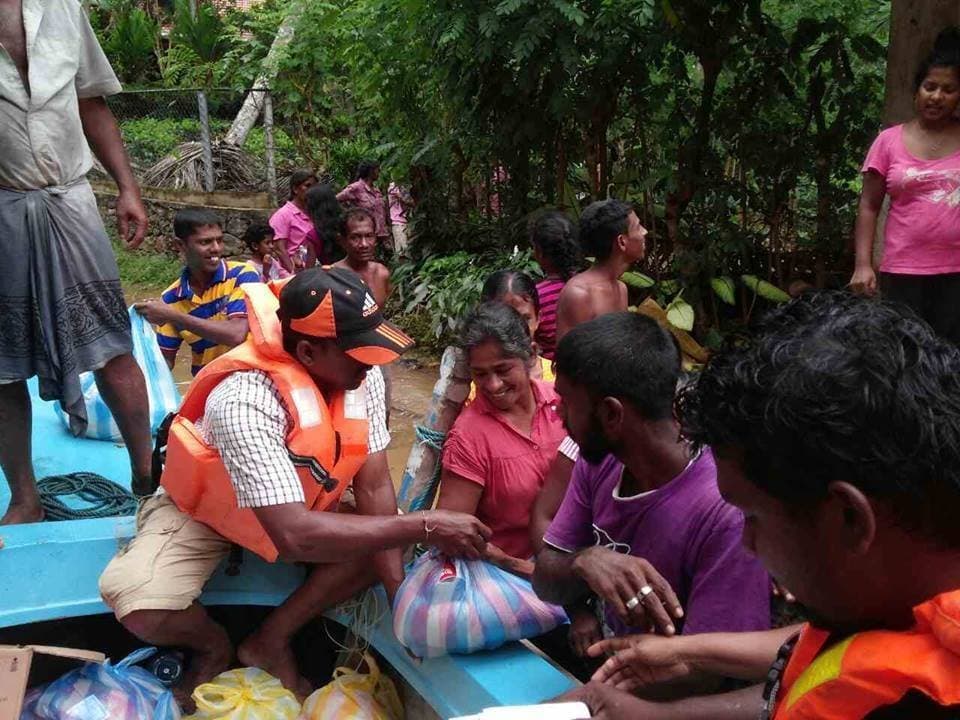
Interfaith Acts of Kindness: How Temples, Kovils, and Churches Support DITWA-Affected Families | When Cyclone DITWA swept across parts of Sri Lanka, it left behind more than damaged homes and flooded roads. It disrupted livelihoods, displaced families, and tested the emotional resilience of entire communities. Yet, amid the loss and uncertainty, a quieter story unfolded — one of compassion that crossed religious boundaries. Temples, kovils, and churches stepped beyond ritual roles to become centres of relief, shelter, and human solidarity.
This article explores how Sri Lanka’s religious institutions came together in practical, deeply human ways to support DITWA-affected families, revealing an often-overlooked strength of the island: interfaith kindness during crisis.
Faith Spaces Becoming Emergency Sanctuaries
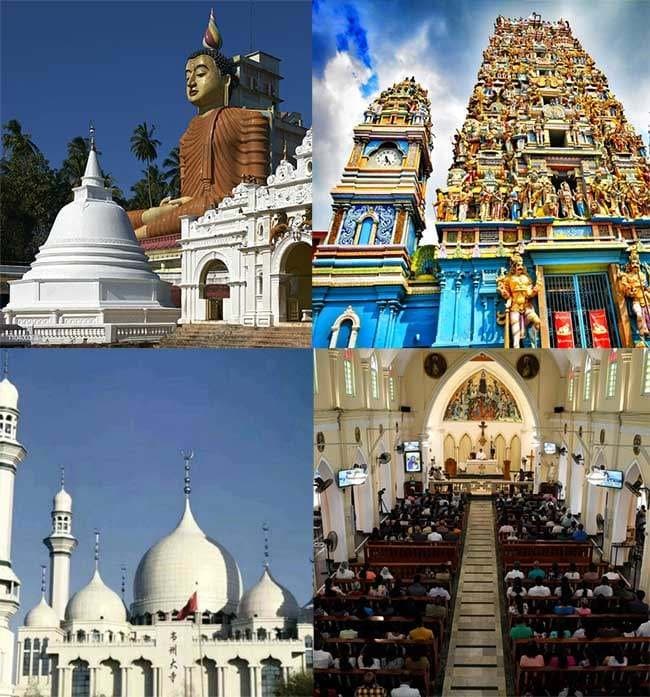
In many affected districts, the first safe places people ran to were not formal relief camps but familiar religious spaces. Buddhist temples opened sermon halls to displaced families. Hindu kovils allowed community kitchens to operate within temple premises. Churches transformed parish halls into temporary shelters overnight.
These spaces worked because people trusted them. Families felt safe sleeping on temple floors or church pews, knowing they were among neighbours, volunteers, and clergy who understood their needs. The role of faith leaders here was not symbolic; it was logistical and immediate.
Monks coordinated shelter arrangements, priests managed donation registers, and pastors organised volunteer shifts — all without waiting for formal directives.
Community Kitchens That Served Everyone
One of the most visible expressions of interfaith cooperation after DITWA was the rise of shared community kitchens. In several towns, food preparation crossed religious lines entirely.
A kovil kitchen cooked vegetarian meals that were distributed through nearby churches. Temple volunteers helped pack dry rations donated by Christian organisations. Church youth groups delivered meals to elderly Buddhist households unable to travel.
Importantly, food was not segregated by belief. There were no labels, sermons, or conditions. Meals were served based on need alone — a quiet but powerful rejection of division at a time when unity mattered most.
Shared Volunteer Networks Across Faiths
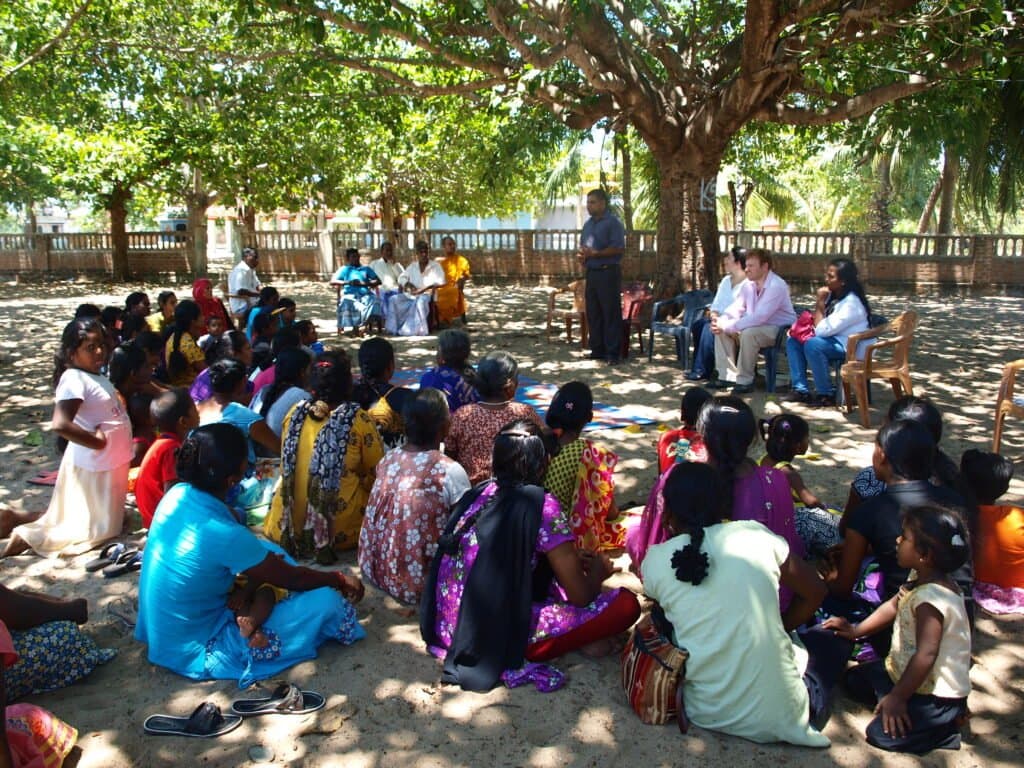
DITWA relief saw an unusual blending of volunteer groups. University students, civil defence volunteers, women’s societies, and youth groups affiliated with religious institutions worked side by side.
It was common to see:
- Young men from temples assisting church-run medical camps
- Church volunteers helping clean flooded kovil compounds
- Hindu and Buddhist women jointly managing clothing distribution points
These collaborations were often informal but effective. Social media and WhatsApp groups helped coordinate supply shortages and urgent requests faster than official channels. Faith institutions acted as trusted nodes within these networks.
Emotional and Psychological Support Beyond Aid
Disasters affect more than physical safety. Anxiety, grief, and uncertainty linger long after floodwaters recede. Religious leaders played a critical role in offering emotional stability, regardless of faith.
Monks sat with grieving families who had lost homes. Priests listened to parents worried about children missing school. Pastors organised prayer gatherings open to all, focusing not on conversion but on collective healing.
In many cases, people found comfort simply in being heard. These interactions restored dignity to those who felt powerless — an aspect of recovery that rarely appears in official damage reports.
Religious Institutions as Information Hubs
During the immediate aftermath of DITWA, misinformation spread quickly. Temples, churches, and kovils became trusted sources of verified updates.
Notice boards displayed relief schedules, donation points, and health advisories. Loudspeaker announcements informed villagers about clean water distribution and medical visits. Clergy coordinated with local officials to relay accurate instructions in Sinhala and Tamil.
Because these institutions were embedded within communities, their messages carried credibility. This reduced panic and ensured that aid reached intended recipients more efficiently.
Women-Led Initiatives Within Faith Communities
Women played a central role in interfaith relief efforts. Women’s committees attached to temples, church mothers’ unions, and kovil women’s groups mobilised quickly.
They organised:
- Hygiene kit distribution for women and children
- Safe spaces for nursing mothers
- Clothing sorting systems that respected privacy and dignity
These women understood cultural sensitivities and practical needs, ensuring that aid was not just available but appropriate. Their leadership quietly shaped the effectiveness of grassroots recovery.
Teaching Children Compassion Through Action
For many children, DITWA was their first experience of loss or displacement. Religious institutions helped frame the disaster as a lesson in empathy rather than fear.
Sunday schools, dhamma classes, and kovil learning centres involved children in simple acts — packing meals, drawing cards for affected families, collecting school supplies. These activities helped children process the event while learning values of kindness beyond religious identity.
In a society often worried about future divisions, these early lessons in shared humanity matter deeply.
Long-Term Recovery and Rebuilding Support
While emergency relief fades quickly, some faith institutions continued support long after media attention shifted. Temples helped families rebuild boundary walls and wells. Churches assisted with school enrolment and uniforms. Kovils coordinated small livelihood grants for affected traders.
These were not large-scale development projects but targeted interventions based on intimate knowledge of local needs. Faith institutions understood which families were still struggling even months later — and acted quietly, without publicity.
A Reflection of Sri Lanka’s Shared Moral Core
Sri Lanka’s religious diversity is often discussed in political or historical terms. DITWA revealed another truth: at the community level, compassion frequently overrides division.
The interfaith response was not perfect or uniform, but it was genuine. It showed that temples, kovils, and churches are not just places of worship — they are social safety nets woven into everyday life.
In moments of crisis, these institutions reminded communities that humanity comes before identity.
What These Acts Mean for the Future
As climate-related disasters become more frequent, Sri Lanka will need resilient, localised response systems. The DITWA experience suggests that faith-based institutions can play a constructive role when guided by inclusivity and cooperation.
Supporting interfaith disaster preparedness, volunteer training, and coordination frameworks could strengthen future responses — without undermining secular governance.
The lesson is simple: when compassion is shared, recovery is faster and deeper.
Click on here “Moonlight in the Hills: Rare Night Views and Festive Activities Across the Upcountry”