Letters, Diaries & Handwritten Memories How Sri Lankans Preserved Life, Love, and History
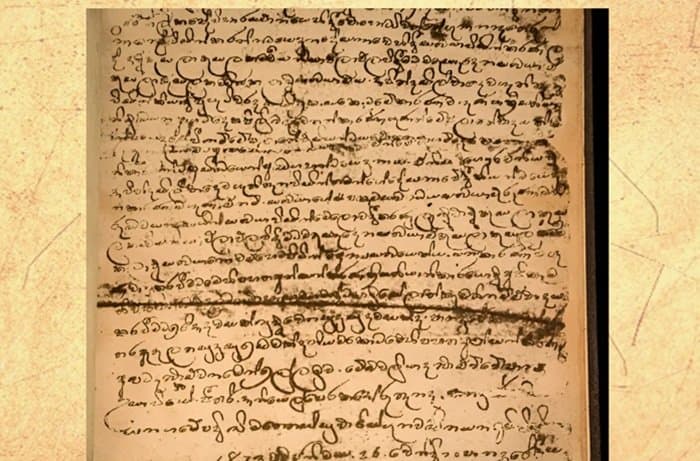
Before screens, notifications, and cloud storage, Sri Lankans preserved their lives in ink. Not for an audience. Not for validation. But for memory. Across generations, handwritten letters, private diaries, school notebooks, and carefully folded notes carried emotions that were never meant to be optimised or archived digitally. They were slow, deliberate, and deeply personal. And today, they remain some of the most intimate historical records we have of how Sri Lankans loved, struggled, dreamed, and endured.
In an age that values speed and visibility, these fragile paper memories remind us that history was once written quietly, one page at a time.
Writing as a Way of Living, Not Performing
For much of Sri Lanka’s past, writing was not a public act. It was private, functional, and emotional.
Letters were written because there was no other choice. Diaries were kept because there was no audience. Handwritten records were maintained because memory mattered more than immediacy.
A letter sent from Colombo to Jaffna could take days or weeks to arrive. A diary entry written at night by lamplight might never be read by anyone else. This slowness shaped how people expressed themselves. Words were chosen carefully. Feelings were thought through before being committed to paper. Silence existed between sentences.
Writing was not reactive. It was reflective.
Love Letters in a Culture of Restraint
In a society shaped by formality, family structures, and unspoken rules, handwritten love letters became safe spaces for emotion.
Young couples often expressed feelings on paper that they could never say aloud. Letters passed discreetly through siblings, neighbours, or trusted friends. Some were hidden inside textbooks or folded into sari blouses. Others were kept locked away for decades.
These letters were rarely dramatic. They spoke of missing someone, worrying about their health, asking about studies, promising patience. Love was expressed through concern, duty, and quiet longing rather than grand declarations.
In many cases, these letters outlived the relationships themselves. Marriages arranged, paths changed, lives moved on. But the ink remained.
Diaries as Silent Witnesses to Women’s Lives
For Sri Lankan women especially, diaries were often the only place where unfiltered truth existed.
In households where obedience was expected and sacrifice normalised, personal notebooks became spaces of honesty. Women wrote about exhaustion, resentment, ambition, grief, joy, and frustration. They recorded pregnancies, miscarriages, illnesses, household routines, and moments of loneliness that had no language elsewhere.
These diaries rarely framed themselves as important. Yet they now offer invaluable insight into the emotional labour women carried silently across generations.
They document not only what women did, but how they felt about doing it.
School Exercise Books as Historical Archives
Many Sri Lankan families still possess old school exercise books filled with neat handwriting, red pen corrections, and carefully dated lessons. At first glance, they appear ordinary. But collectively, they tell a powerful story.
They show how children were educated across eras. What languages were prioritised. How colonial influence shaped curricula. How discipline, morality, and patriotism were taught through writing.
Margins filled with doodles, pressed flowers, or personal notes reveal the humanity behind structured education. Even mistakes preserved in ink reflect a time when learning was permanent and effort visible.
These notebooks are time capsules of everyday intellectual life.
Handwritten Records of Work, Trade, and Survival
Beyond emotion, handwriting also preserved livelihoods.
Farmers kept handwritten logs of rainfall, planting cycles, and harvest yields. Shop owners recorded debts in ledgers written entirely by hand. Midwives noted births and deaths long before formal registries were accessible.
During periods of economic hardship or political instability, handwritten records became tools of survival. They tracked what was owed, what was promised, what had been lost, and what still mattered.
In many rural households, these records remain the only documentation of land ownership, labour agreements, or family contributions.
War, Displacement, and Letters That Never Arrived
Sri Lanka’s history of conflict has left behind countless letters that were never delivered.
Some were written by soldiers. Others by families waiting for news. Some were written in refugee camps, unsure if there would be an address to send them to.
These letters carry urgency and uncertainty. They speak of fear, hope, resilience, and longing for normalcy. Many were never read by their intended recipients. Yet they survive as evidence of lives interrupted but not erased.
In these pages, history is not abstract. It is personal, fragile, and human.
The Physicality of Memory
Unlike digital communication, handwritten materials age visibly.
Paper yellows. Ink fades. Pages tear. Handwriting changes over time. These imperfections matter. They show the passage of years, the pressure of hands, the conditions under which something was written.
A hurried letter looks different from a carefully composed one. A diary written during illness differs from one written in youth. The physical object carries context that digital text cannot replicate.
To hold an old letter is to hold time itself.
Why These Memories Matter Now More Than Ever
Today, much of life is documented but little is preserved.
Messages disappear. Accounts are deleted. Platforms change. Cloud storage fails. What feels permanent often is not.
Handwritten memories, despite their fragility, have endured precisely because they were tangible. They were kept in boxes, trunks, cupboards, and prayer drawers. They were rediscovered accidentally, not algorithmically.
As Sri Lanka modernises rapidly, these records offer grounding. They remind us that identity is built not only on national narratives, but on individual lives quietly lived.
Reclaiming the Value of Slow Documentation
There is a renewed interest in journaling, letter-writing, and analogue memory-keeping. Not out of nostalgia alone, but because people are seeking depth over noise.
For Sri Lankans, reconnecting with handwritten traditions is also a way of reclaiming cultural continuity. It honours ancestors who documented their lives without expecting permanence, yet achieved it anyway.
Writing by hand forces presence. It slows thought. It creates space for honesty. And it leaves behind something real.
Passing These Stories Forward
Many families possess letters and diaries but treat them as clutter or private relics. Yet with care and consent, these materials can become bridges between generations.
They can teach younger Sri Lankans how previous generations navigated love, duty, ambition, and loss. They can humanise history beyond dates and events.
Preservation does not require publication. Sometimes it simply requires recognition.
Click on here “The Elegance of Old Ceylon Tea Culture: More Than a Drink, It Was a Way of Life”