Midnight Mass Traditions in Sri Lanka: Community, Culture, and Silent Resilience After the Storms
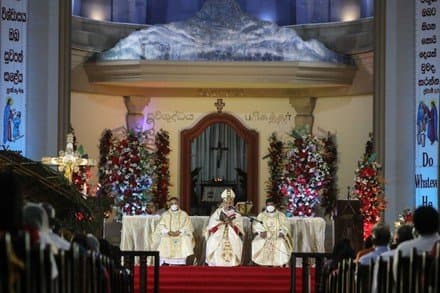
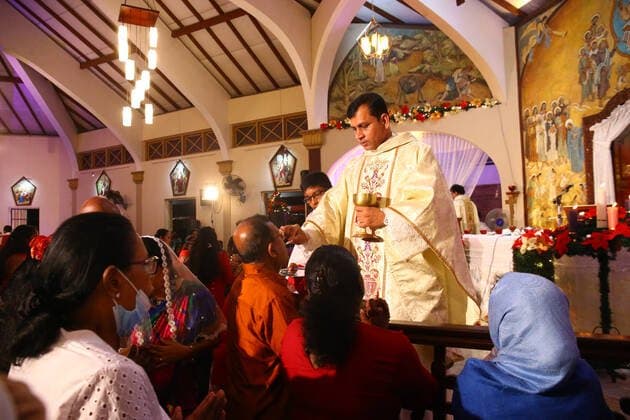
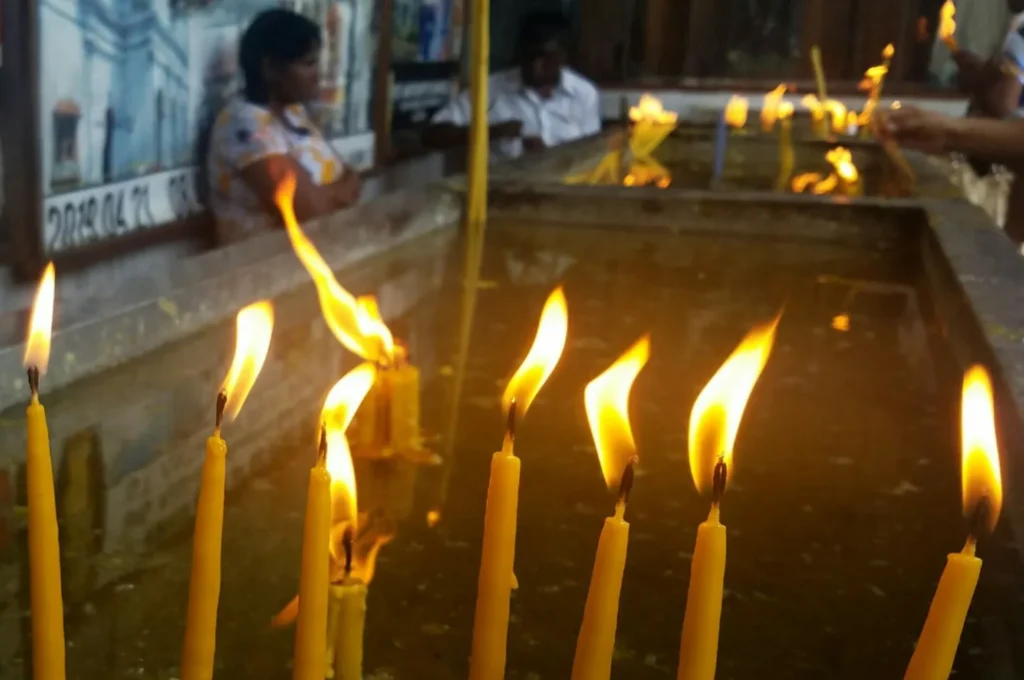
Midnight Mass Traditions in Sri Lanka: Community, Culture, and Silent Resilience After the Storms | On Christmas Eve in Sri Lanka, something quietly powerful happens after sunset. Streets grow calmer, homes switch off their fairy lights, and families step out dressed in white, cream, or soft pastels. Churches—large cathedrals in cities and small chapels in coastal villages—begin to glow. Midnight Mass is not just a religious service here; it is a shared cultural moment that blends faith, memory, and collective endurance.
In a year marked by storms, floods, and uncertainty, Midnight Mass takes on deeper meaning. It becomes less about spectacle and more about presence—about showing up, together.
A Tradition Rooted in History and Adaptation
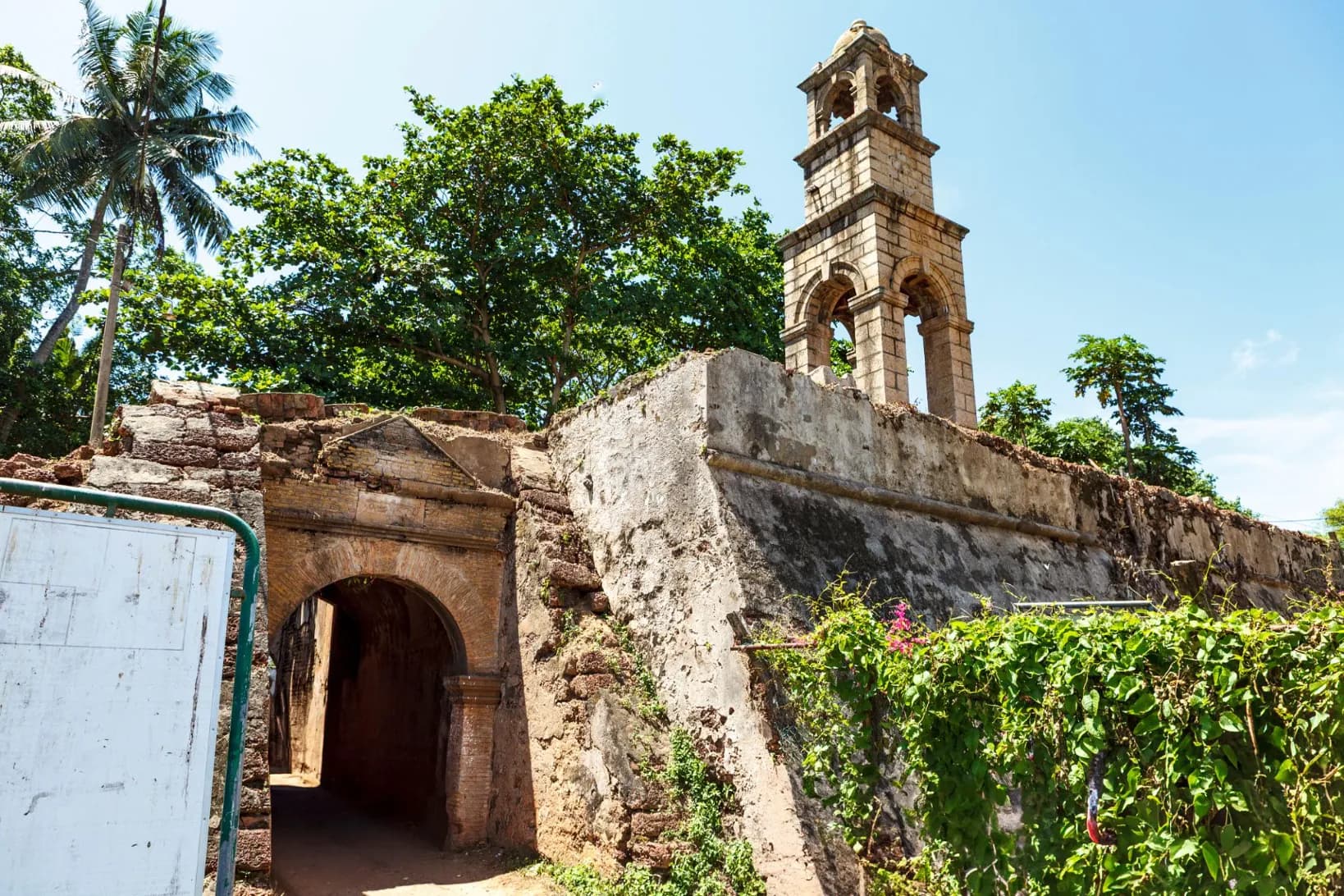
Christianity in Sri Lanka dates back centuries, shaped by Portuguese, Dutch, and British influences. Yet Midnight Mass as it exists today is distinctly Sri Lankan. Latin hymns coexist with Sinhala and Tamil carols. Colonial-era churches stand beside modest village shrines built with community labour.
Over time, the ritual adapted to local rhythms. Midnight Mass often starts late—sometimes close to midnight, sometimes after—allowing families to complete household traditions first. In fishing villages, it has long followed the return of boats. In plantation areas, it respects long travel times. This flexibility reflects a faith that bends with life rather than demanding separation from it.
Preparing for Midnight: Homes, Hearts, and Hands
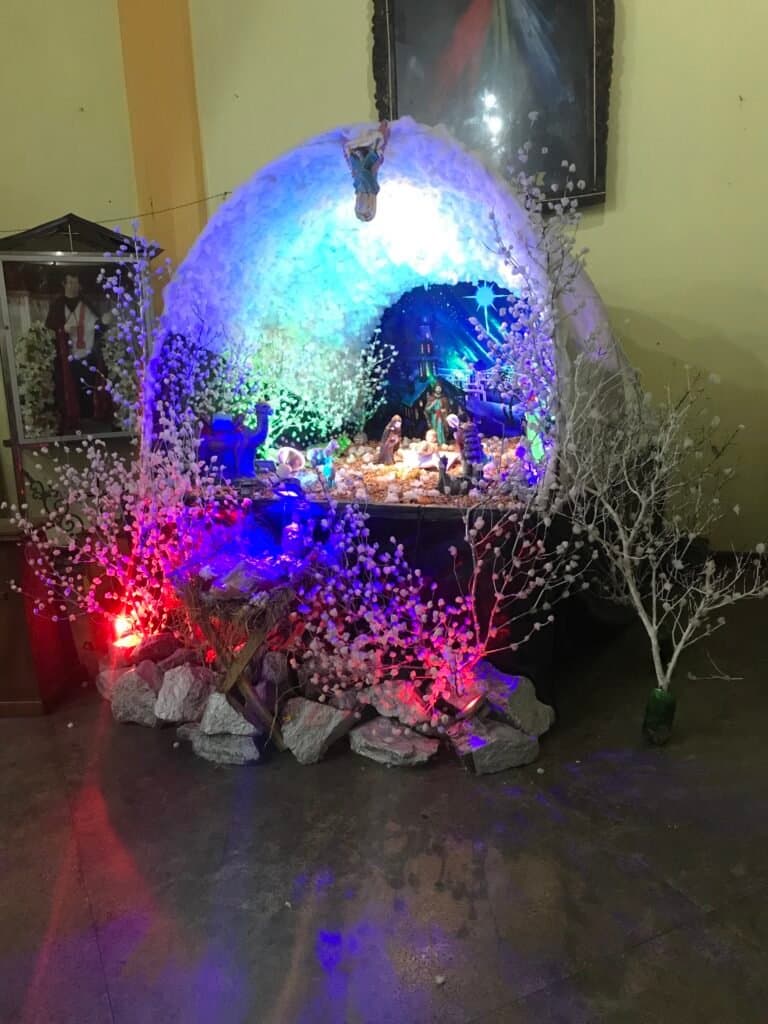
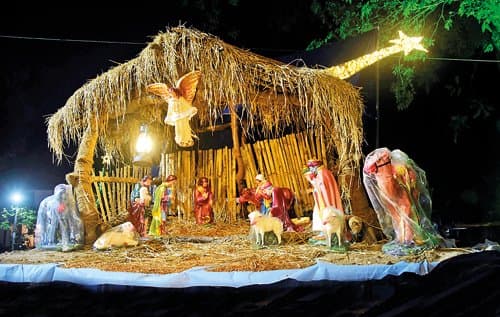
The preparation for Midnight Mass begins long before Christmas Eve. Homes are cleaned not just for guests, but symbolically—to welcome peace. Cribs are arranged carefully, often handmade, using moss, coconut fibre, and clay figurines passed down through generations.
Food is prepared earlier in the day: breudher baked slowly, love cake wrapped tightly, and savouries portioned out to share after Mass. Even families facing hardship tend to set something aside. In Sri Lanka, Christmas food is rarely eaten alone.
After storms and floods, these preparations become acts of quiet defiance. A smaller cake. A simpler crib. But still, something. The insistence on normalcy is itself a form of resilience.
Click on here “Sri Lanka’s Coastal Christmas Menu: From Seafood Curries to Forgotten Colonial Desserts”
The Church as a Community Shelter—In More Ways Than One
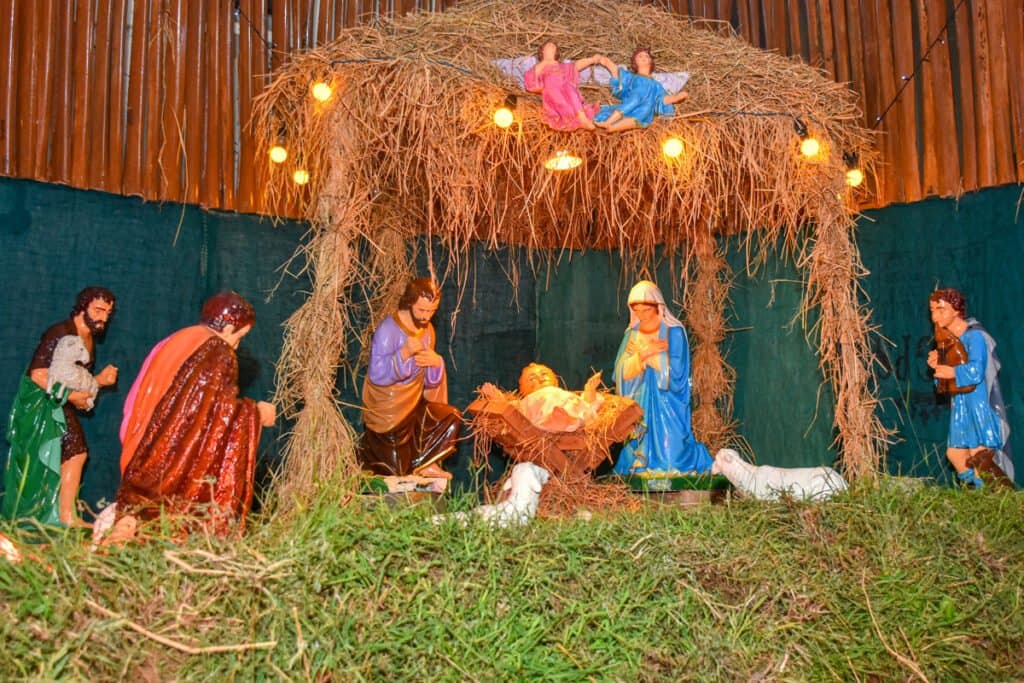
For many Sri Lankans, the church is more than a place of worship. It is a community anchor. During recent storms, churches served as shelters, distribution centres, and coordination points for relief. Midnight Mass, therefore, is also a moment of collective gratitude and mourning.
You see it in subtle ways:
- Extra candles lit for those who lost homes.
- Names whispered silently during prayers.
- Priests adjusting sermons to acknowledge shared suffering without dwelling on despair.
There is rarely overt political commentary. Instead, the message centres on endurance, compassion, and continuity. The birth narrative—fragile, uncertain, yet hopeful—resonates strongly in a country that has weathered repeated disruptions.
Music That Carries Memory
Music is central to Midnight Mass in Sri Lanka. Choirs practise for weeks, often without professional training. Carols move seamlessly between languages, reflecting the island’s layered identity.
Silent Night sung in Sinhala carries a different weight. Tamil hymns echoing in stone churches in the North feel especially poignant. Even English carols, familiar and colonial in origin, are reinterpreted through local voices and harmonies.
After disasters, choirs are sometimes smaller. Instruments may be missing. But the singing continues. Slightly imperfect, deeply human, and profoundly moving.
Midnight Itself: Stillness, Candles, and Collective Breath
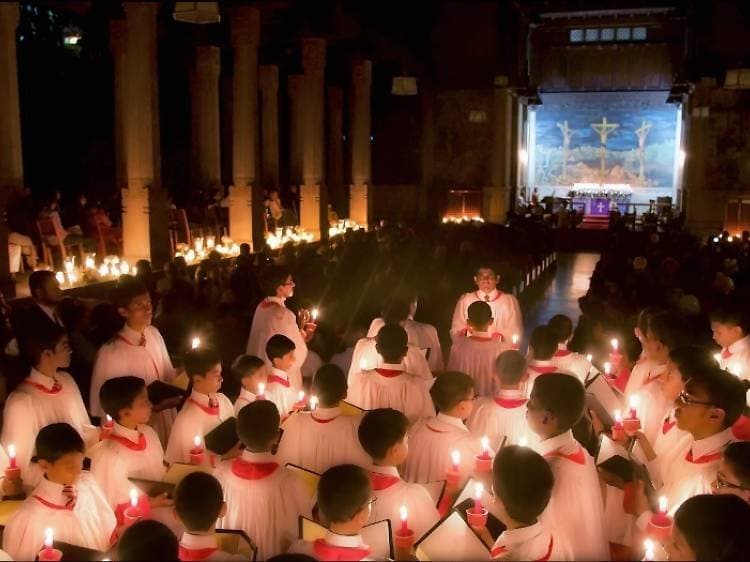
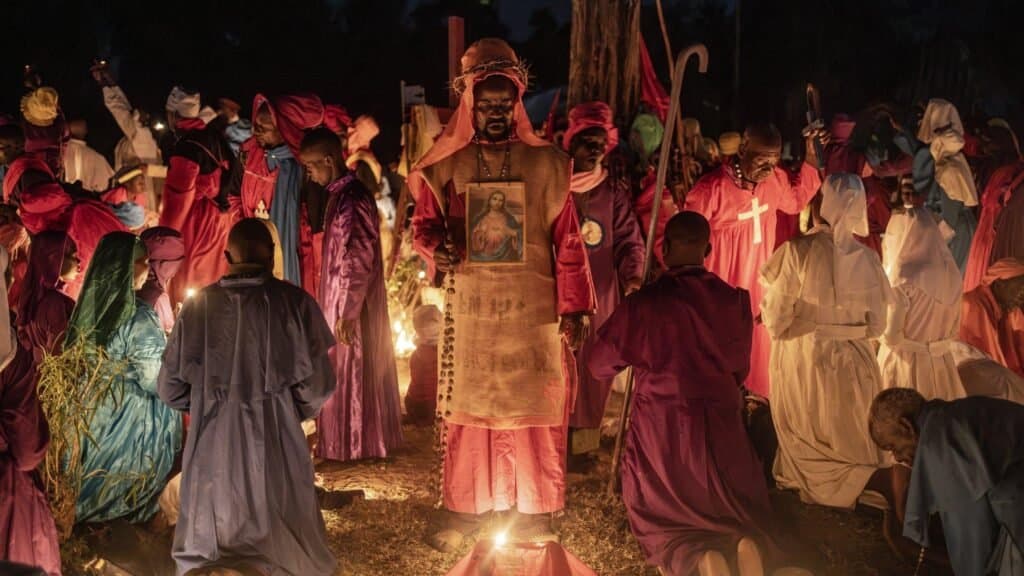
As the clock edges towards midnight, churches fall into a distinctive stillness. Phones are silenced. Conversations fade. Candles are lit one by one, passed along pews until the space glows softly.
This moment transcends denomination. Even those who attend only once a year feel it. The hush is not imposed—it emerges naturally. It is a shared pause, a collective breath.
After storms, this stillness feels heavier, but also more necessary. It is one of the few moments in the year when an entire community allows itself to stop.
After Mass: Sharing, Walking Home, Returning to Life
When Midnight Mass ends, there is no rush. People linger. Hands are shaken. Neighbours who barely spoke all year exchange quiet greetings. Food is shared—sometimes lavish, sometimes minimal, always offered with sincerity.
Walking home in the early hours of Christmas morning is part of the ritual. Roads are quieter than usual. The air is cooler. Conversations are softer. For a brief window, life feels suspended between hardship and hope.
In flood-affected areas, this walk may pass damaged homes or temporary repairs. The contrast is stark, but the act of walking together matters.
Silent Resilience: Why Midnight Mass Still Matters
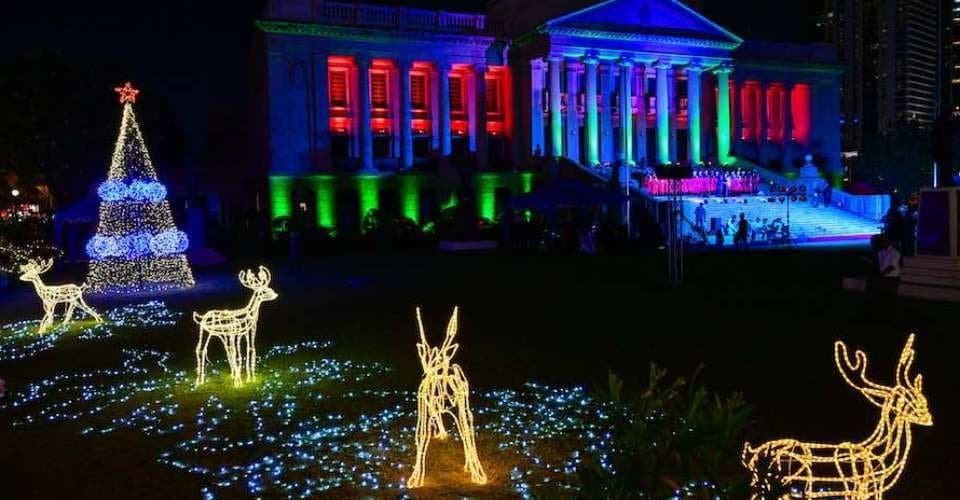
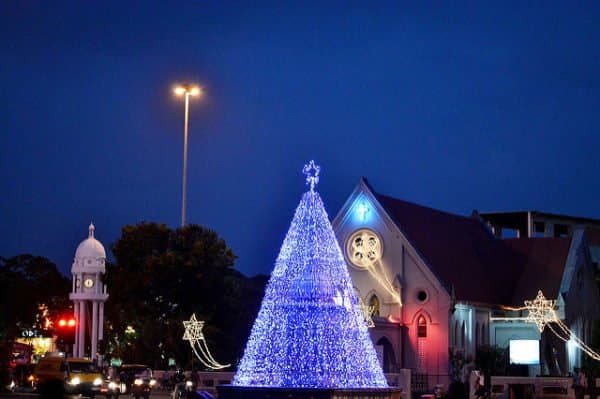
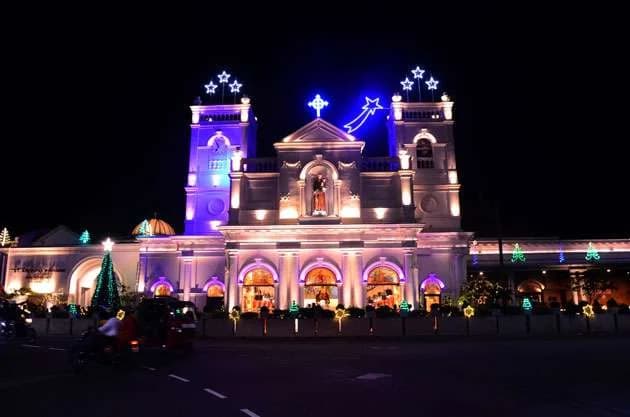
Midnight Mass in Sri Lanka has never been about grandeur alone. Its power lies in consistency. Through economic crises, natural disasters, and social change, the ritual remains.
Not because everything is fine—but because gathering, even briefly, affirms something essential: community endures.
For many Sri Lankans, especially after storms, Midnight Mass is not an escape from reality. It is a way of standing inside it—together—without collapsing under its weight.
In that sense, the tradition is not just religious or cultural. It is quietly radical. It insists on light, even when darkness feels justified.
A Tradition That Carries Forward
As Sri Lanka continues to navigate uncertainty, Midnight Mass remains a thread connecting past, present, and future. Children raised on candlelight and carols grow into adults who understand, instinctively, the value of showing up.
Not loudly. Not performatively. But faithfully.
In churches across the island, at midnight, that faith still gathers—softly glowing, resilient, and unbroken.