Moonlight in the Hills: Rare Night Views and Festive Activities Across the Upcountry
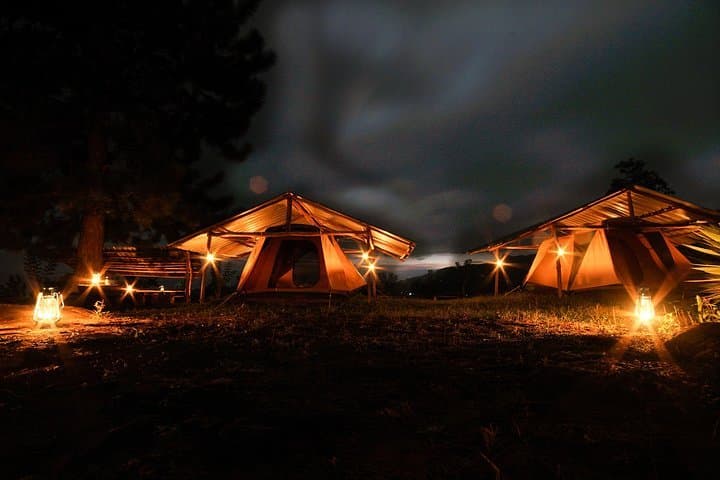
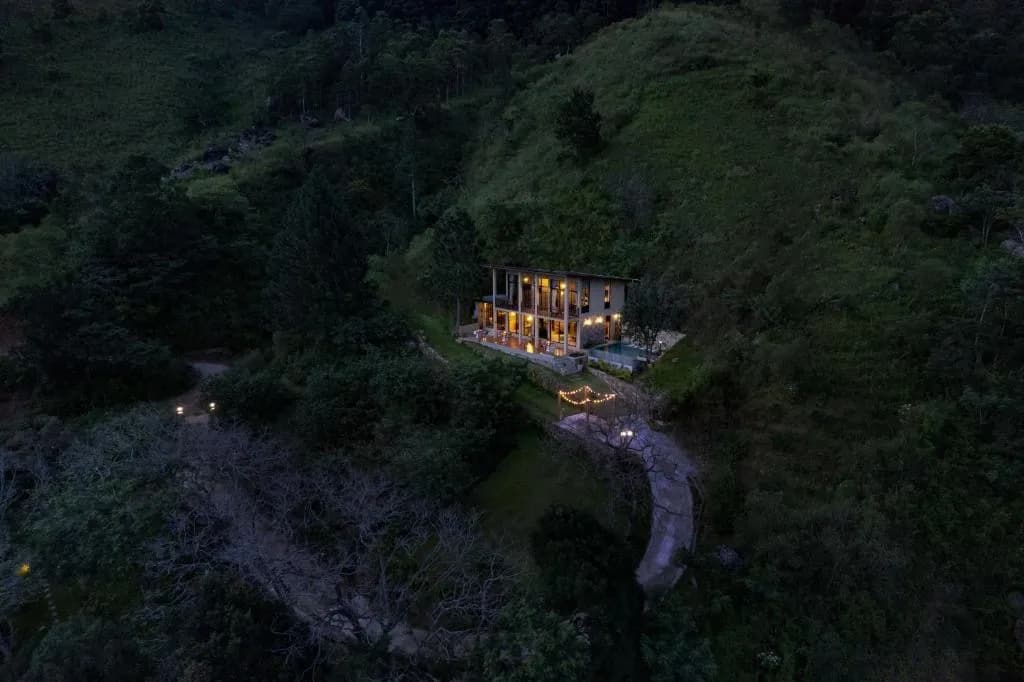
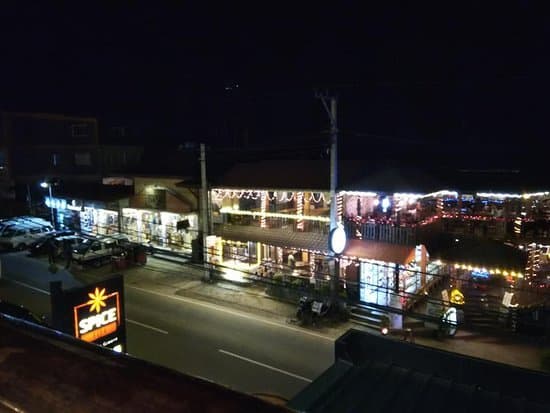
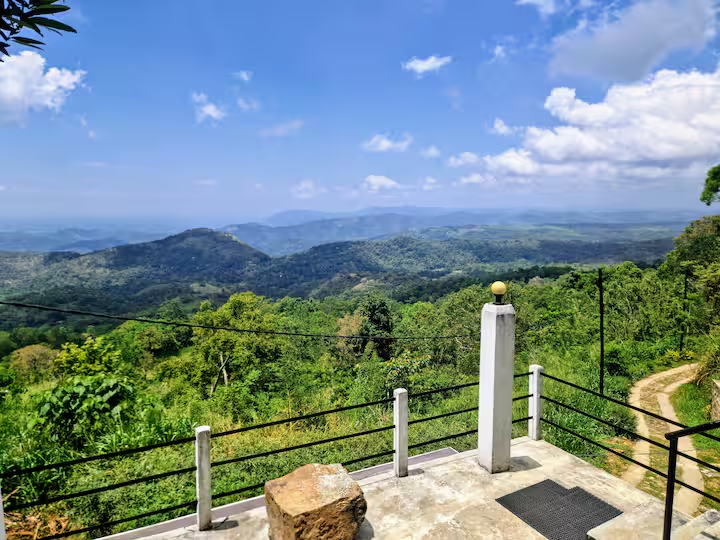
When the sun dips behind the ridges of Sri Lanka’s central highlands, the upcountry reveals a quieter, more intimate personality. Under moonlight, the hills soften, mist drifts like silk, and towns glow in scattered constellations. This is a side of the hill country rarely documented—experienced mostly by locals, late travellers, and those who choose to stay awake long after dusk.
Night in the upcountry is not about loud nightlife or neon excess. It is about stillness, cool air, distant laughter, temple bells, church choirs, estate lamps, and the slow rhythm of mountain life continuing after dark. From festive village gatherings to solitary viewpoints above sleeping valleys, the hills after sunset offer moments that feel almost private.
The Moon as a Guide Through the Highlands
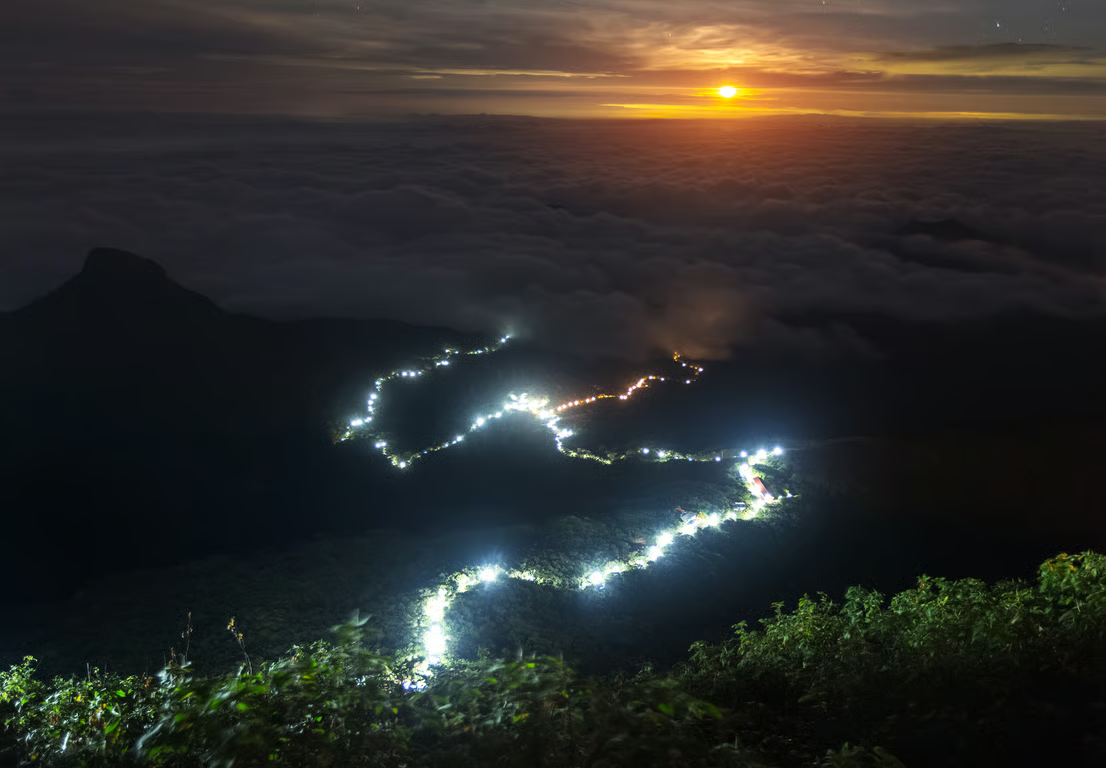
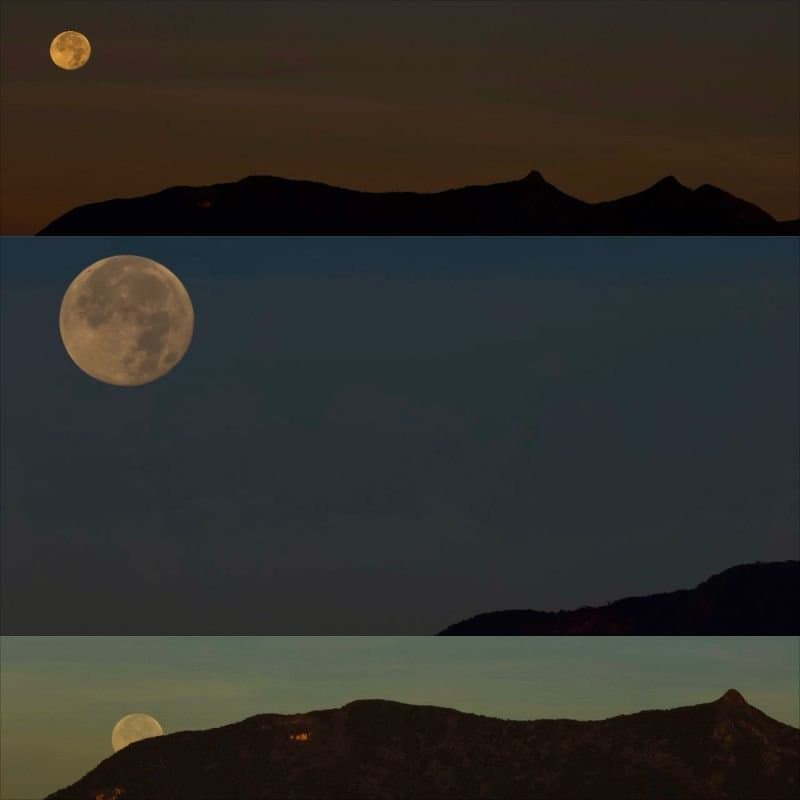
In the upcountry, moonlight plays an unusually dominant role. With lower light pollution and higher elevation, the moon illuminates entire valleys, tracing tea rows and ridge lines. On full moon (Poya) nights, the hills seem sculpted rather than shadowed.
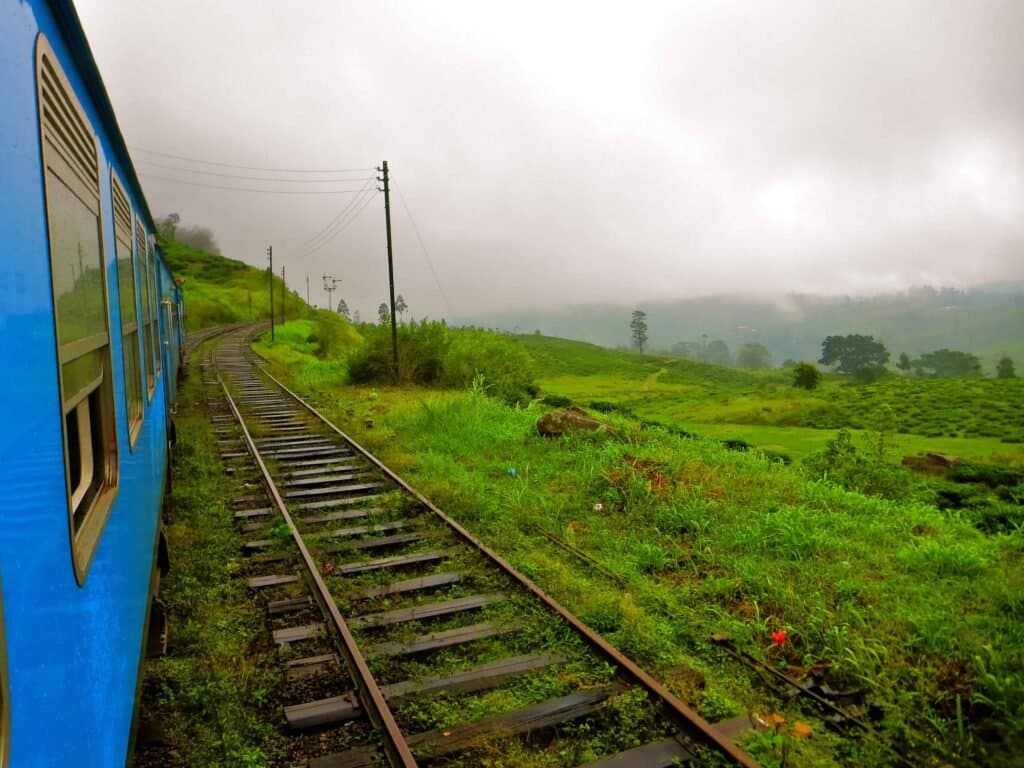
Travelling after dark here feels different. Roads wind through blackened forests before opening suddenly to silver-lit plains. Tea factories glow like islands of light, and distant train horns echo longer in the cold air. The moon does not merely light the landscape—it defines it.
Haputale After Dark: Silence with a View
Haputale is known for its daytime viewpoints, but few speak of its night-time atmosphere. Once shops close and traffic fades, Haputale becomes almost monastic.
From high ridges, you can see chains of lights stretching toward Bandarawela and beyond. The air smells faintly of eucalyptus and wood smoke. Locals gather quietly near small cafés, sipping tea and speaking softly, as if respecting the stillness around them.
On clear nights, the moon reveals layers of hills receding into darkness, creating depth impossible to notice during the day. It is one of the rare places where silence feels expansive rather than empty.
Ella by Night: When the Valley Breathes
Ella’s popularity often overshadows its subtler moments, but night transforms the town completely. Once the last trains pass and cafés dim their lights, Ella becomes a balcony over darkness.
Moonlit clouds drift through the valley, sometimes hiding entire hillsides, sometimes revealing them dramatically. From quieter lanes and viewpoints away from the main strip, you can see lights far below—villages tucked into folds of land, living their own unseen routines.
Occasionally, festive sounds float up: a birthday celebration, a small gathering, guitar music echoing faintly. It feels less like entertainment and more like overhearing life itself.
Nuwara Eliya Nights: Colonial Calm and Seasonal Cheer
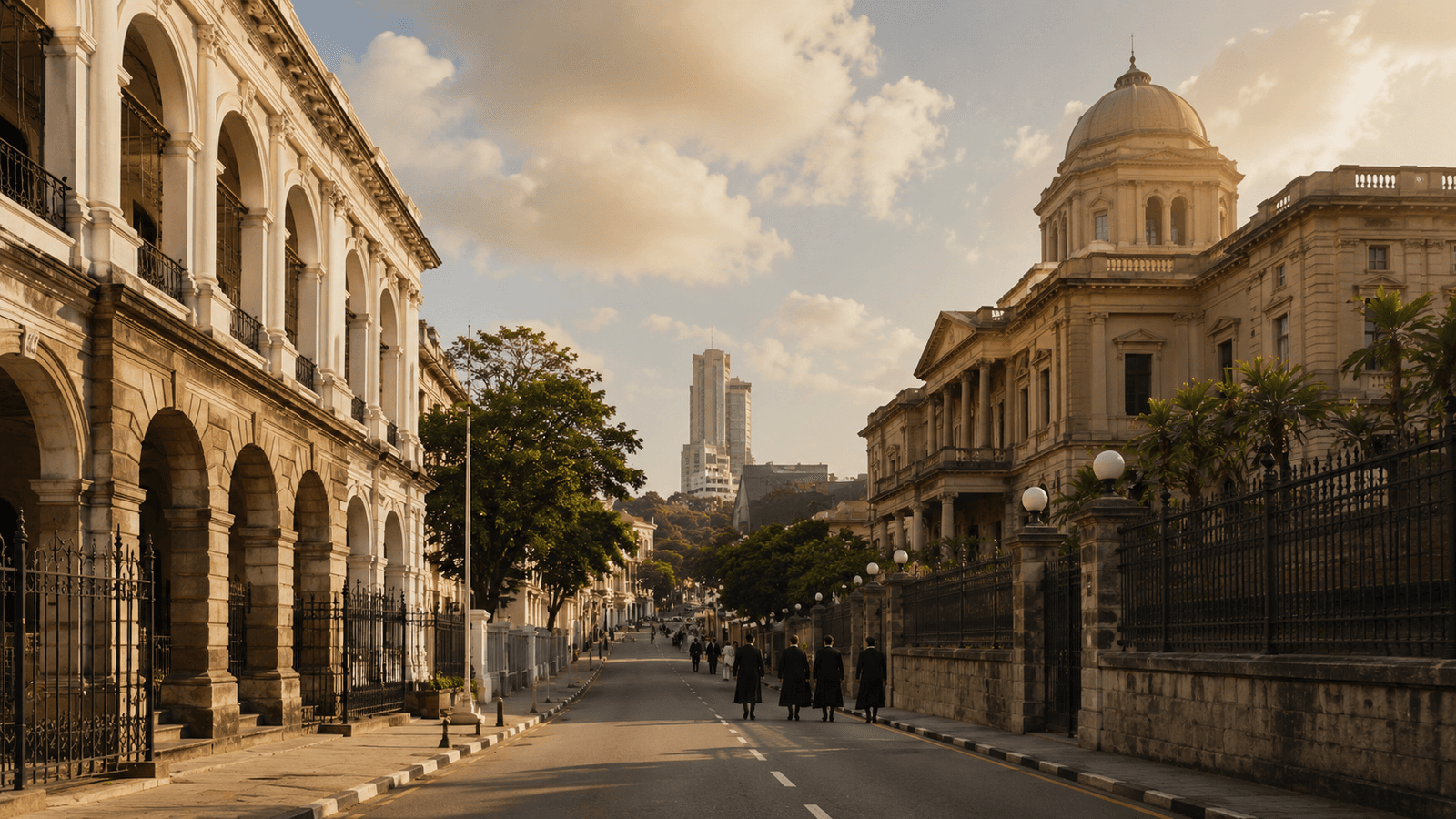
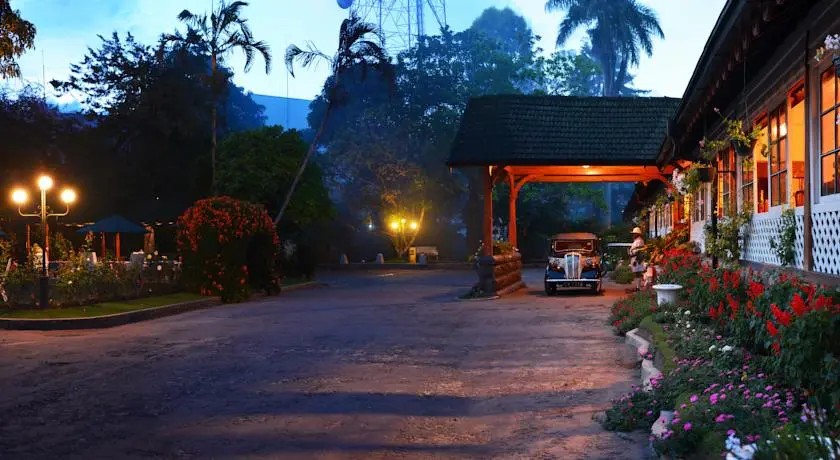
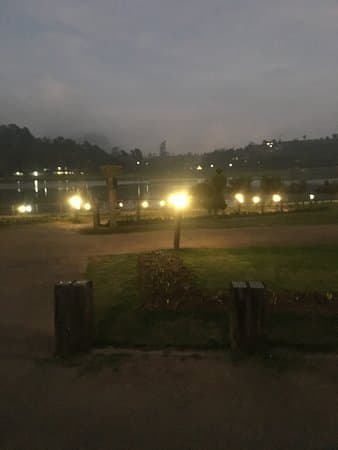
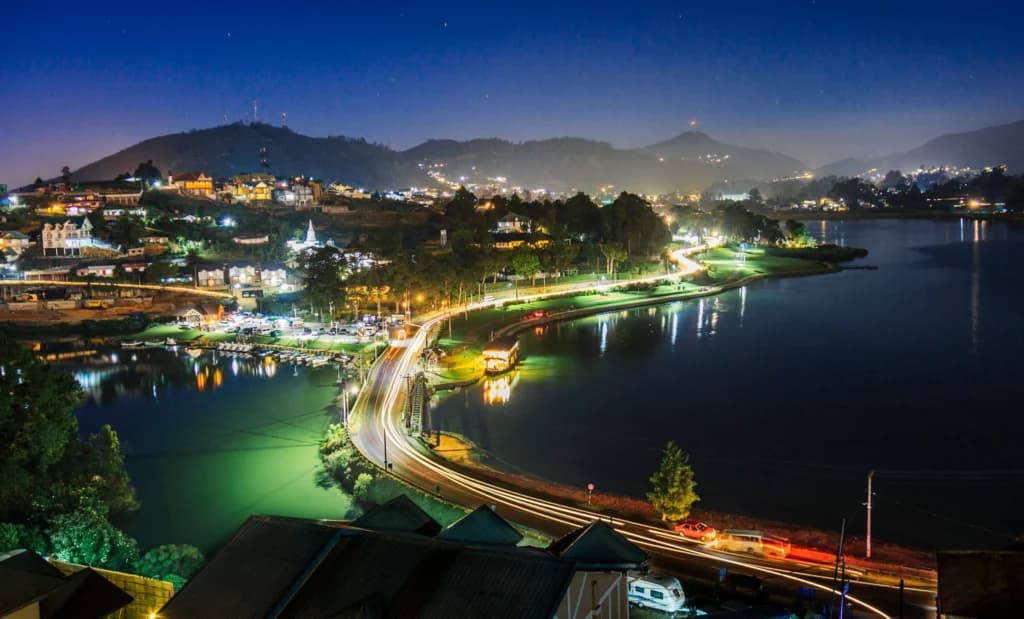
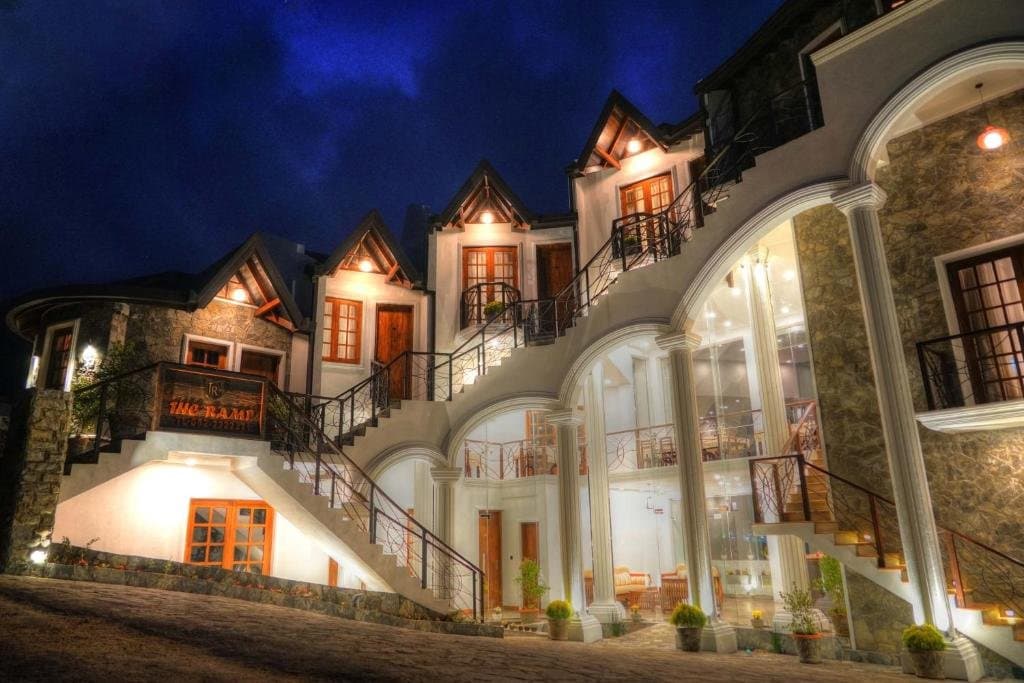
In Nuwara Eliya, night carries a different character. Colonial-era buildings glow softly under street lamps, and mist thickens as temperatures drop. During December and April seasons, the town takes on a festive undertone—low-key but unmistakable.
Church choirs practise for Christmas, hotel lawns host restrained evening gatherings, and local families stroll bundled in sweaters. The moon reflects off wet roads, and the gardens seem frozen in time.
Unlike coastal nightlife, Nuwara Eliya’s evenings invite slow walks, quiet conversations, and early dinners followed by long rests. It is nostalgia made physical.
Village Festivities After Sunset
Beyond towns, upcountry villages come alive after dark in ways rarely seen by visitors. Temple peraheras, church feasts, and community celebrations often begin in the evening, lit by strings of bulbs and oil lamps.
Drums echo across valleys, fireworks briefly illuminate tea fields, and entire communities gather under temporary canopies. These are not tourist performances—they are lived traditions, rooted in faith, gratitude, and seasonal rhythms.
If you happen upon such an event, you will likely be welcomed with curiosity rather than spectacle. The warmth of these gatherings contrasts beautifully with the cold night air.
Tea Estates Under Moonlight
Few experiences rival walking near a tea estate at night. Rows of tea bushes appear endless under moonlight, their curves exaggerated by shadows. Estate bungalows glow faintly, and the hum of generators or distant conversations drifts through the stillness.
Some estates hold small night-time functions—staff gatherings, seasonal dinners, or cultural evenings. Even without an event, the sheer quiet of the estates at night feels ceremonial.
The hills here do not sleep; they simply lower their voices.
Stargazing and Cold-Air Evenings
On especially clear nights, stars compete with the moon. Away from towns, constellations appear sharper, and the Milky Way sometimes reveals itself faintly above ridges.
Wrapped in a jacket, with breath visible in the air, these moments feel grounding. Phones stay in pockets. Conversations slow. The upcountry at night encourages presence in a way few places do.
Practical Notes for Night Explorers
Night travel in the upcountry requires care. Roads can be foggy, wildlife crossings are common, and temperatures drop sharply. Yet with preparation, evenings become the most memorable part of the journey.
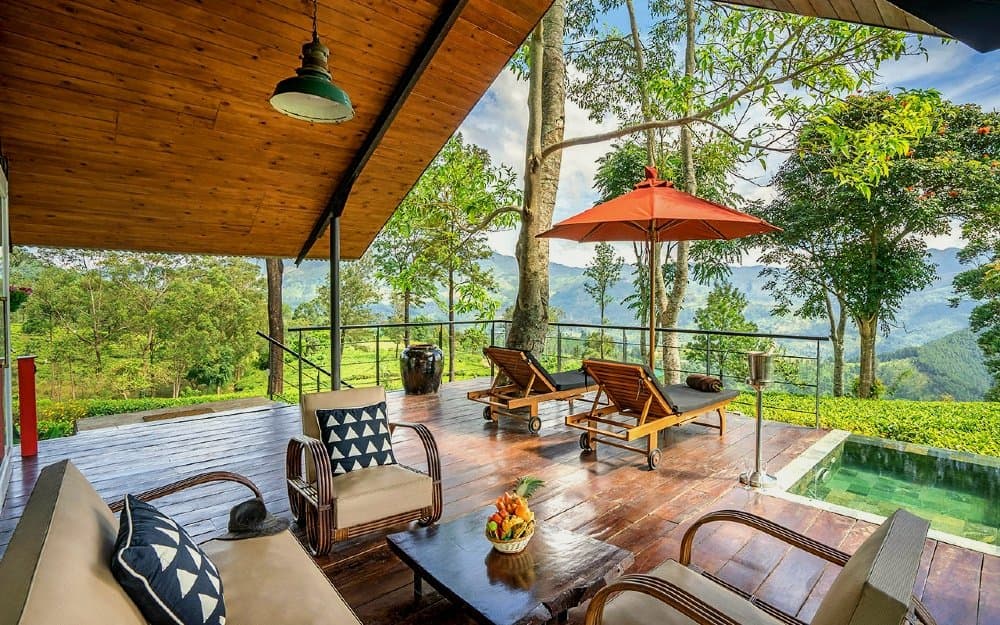
Choose accommodation with viewpoints, carry warm layers, and respect local rhythms—quiet is valued here after dark. Avoid chasing “nightlife” expectations; the reward lies in observation, not activity.
Why the Hills Shine After Sunset
Moonlight in Sri Lanka’s upcountry reveals truths daylight often hides: patience, continuity, and calm. It is not dramatic in the obvious sense. Instead, it offers depth—layers of life unfolding quietly, illuminated just enough to be seen but never fully explained.
For travellers willing to slow down, stay awake, and step outside after dark, the hills offer something rare: nights that feel meaningful without demanding attention.
Click on here “Bhakthi Gee Across the Island: The Music, the Faith, and the Community Stories”