Negombo Dutch Port: A Simple Guide to Its History, Fort, Canal and Lagoon
Negombo Dutch Port is one of the most interesting historic areas on Sri Lanka’s west coast. Today, it is not seen as one large “port” building. Instead, it is better understood as the old colonial waterfront area around Negombo Lagoon, the Dutch Fort, the Dutch Canal, the fish market and the harbour. Together, these places tell the story of how Negombo became important for trade, fishing and colonial power.
Negombo is located close to Sri Lanka’s main international airport, which makes it one of the first places many travellers see when they arrive in the country. The town sits around a lagoon and has a long beach, fishing communities, churches, canals and old colonial remains. It was also once important because of its natural port and cinnamon trade.
Where is Negombo Dutch Port?
Negombo is a coastal city in the Western Province of Sri Lanka. It is located north of Colombo and close to Bandaranaike International Airport. Because of this location, Negombo is often used as a first or last stop by travellers visiting Sri Lanka. But beyond the beach hotels, Negombo has a deep history connected to the sea, the lagoon and colonial trade.
The old Dutch port area is mainly connected to the mouth of the Negombo Lagoon, where boats moved between the sea and inland waterways. This area includes the Dutch Fort, the canal network, the old harbour and the fish market. The lagoon was important because it gave boats a sheltered place to come in from the sea. It also connected local fishing, inland trade and coastal transport.
Why Negombo Was Important in the Past
Negombo became important because of two main reasons: cinnamon and the lagoon.
Long before modern tourism, Negombo was known for cinnamon. Sri Lankan cinnamon was highly valued by foreign traders, and Negombo’s location helped make it a useful trading point. The lagoon and natural port made it easier for boats to move goods, while the surrounding region supported fishing, agriculture and trade. Audley Travel notes that Negombo’s profitable cinnamon crop and natural port made it valuable to different rulers and colonial powers, including the Portuguese, Dutch and British.
The lagoon also shaped everyday life. It supported fishing communities, boat transport and seafood trade. Even today, Negombo is well known for prawns, crabs, fish and its active fish market. The old port identity is still visible through boats, nets, seafood sellers and lagoon-side activity.
Portuguese Beginnings and Dutch Control
The Dutch Fort in Negombo did not begin as a Dutch building. It was first built by the Portuguese. The Portuguese used it as a defensive point to protect their interests near Colombo and along the west coast. Love Sri Lanka states that the Dutch Fort in Negombo, also known as Negombo Fort, was originally built by the Portuguese about 30 kilometres north of Colombo to defend their stronghold city.
In the 17th century, the Dutch fought the Portuguese for control of key coastal areas in Sri Lanka. Negombo was important because of cinnamon, the lagoon and its coastal position. According to Love Sri Lanka, the Dutch captured the fort in 1640, the Portuguese later regained it, and the Dutch recaptured it again soon after.
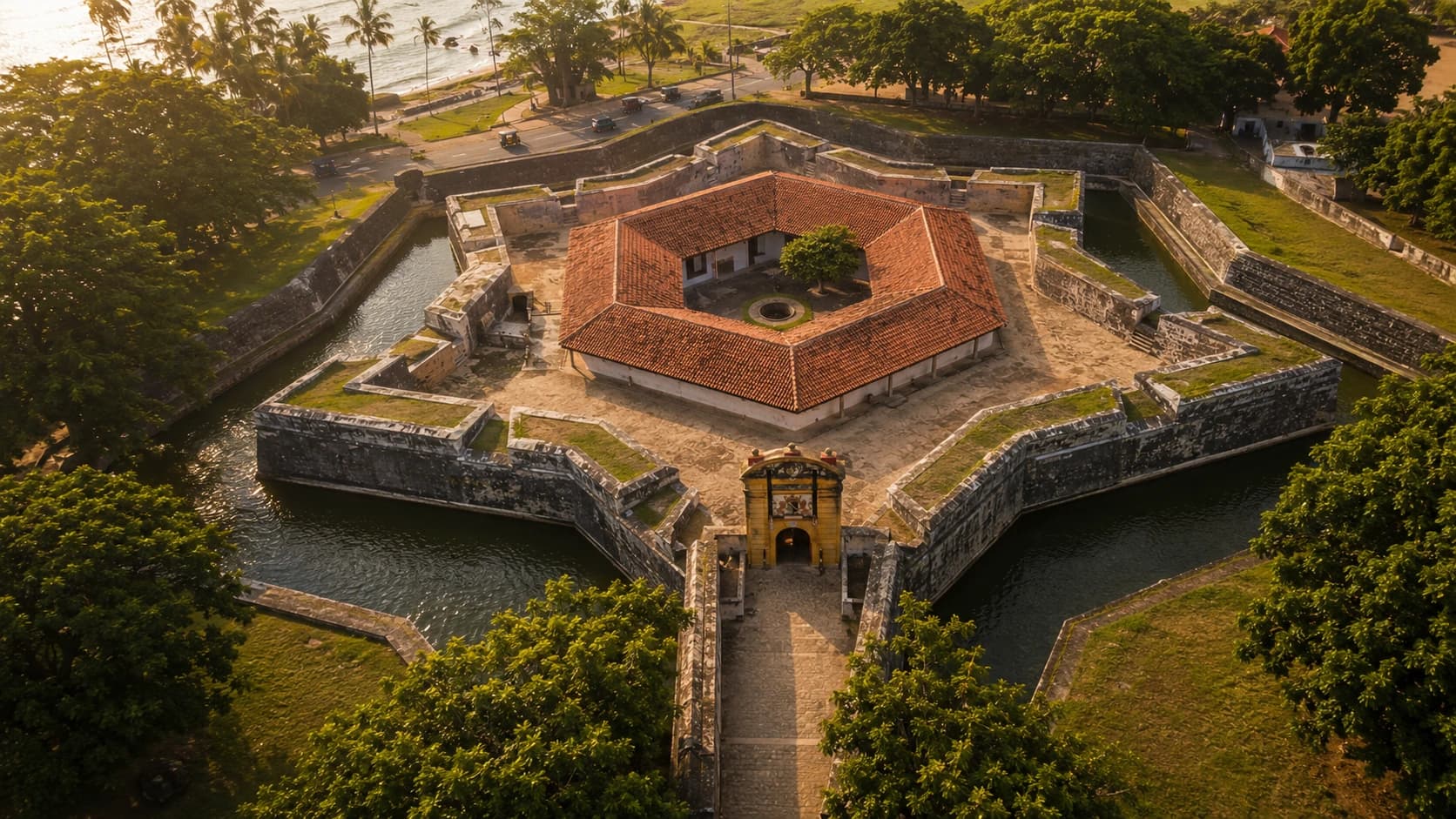
After gaining control, the Dutch rebuilt the fort in 1672. They changed it from its earlier simple square form into a stronger fort design. The fort was part of a wider Dutch system of coastal control, which included forts, ports, canals and trading posts.
The Dutch Fort Today
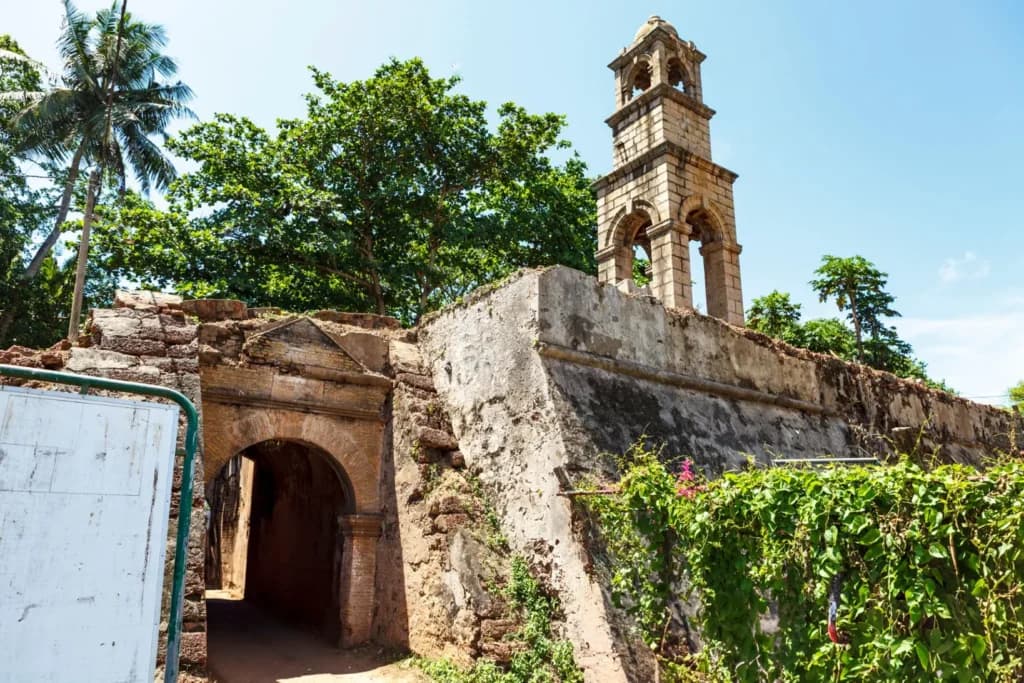
Today, only parts of the old Dutch Fort remain. The fort is not a large preserved monument like Galle Fort. Instead, it is a smaller, more ruined historic site. But it still has strong heritage value.
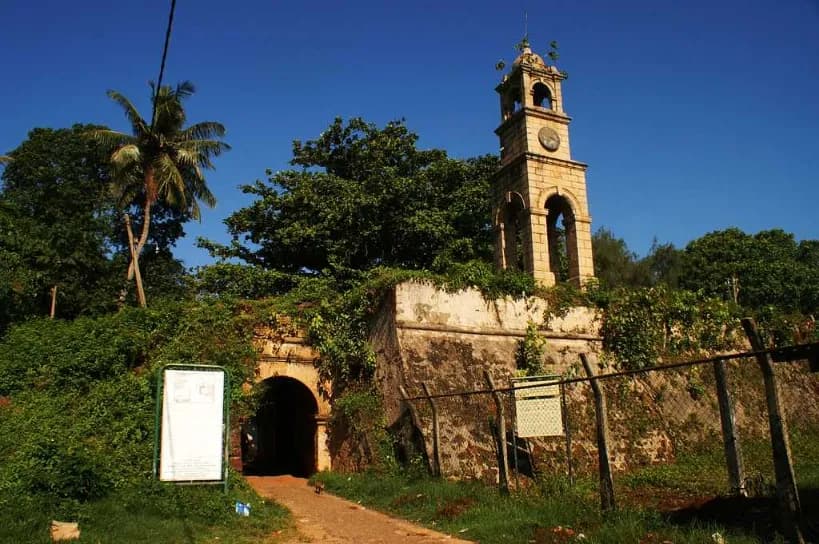
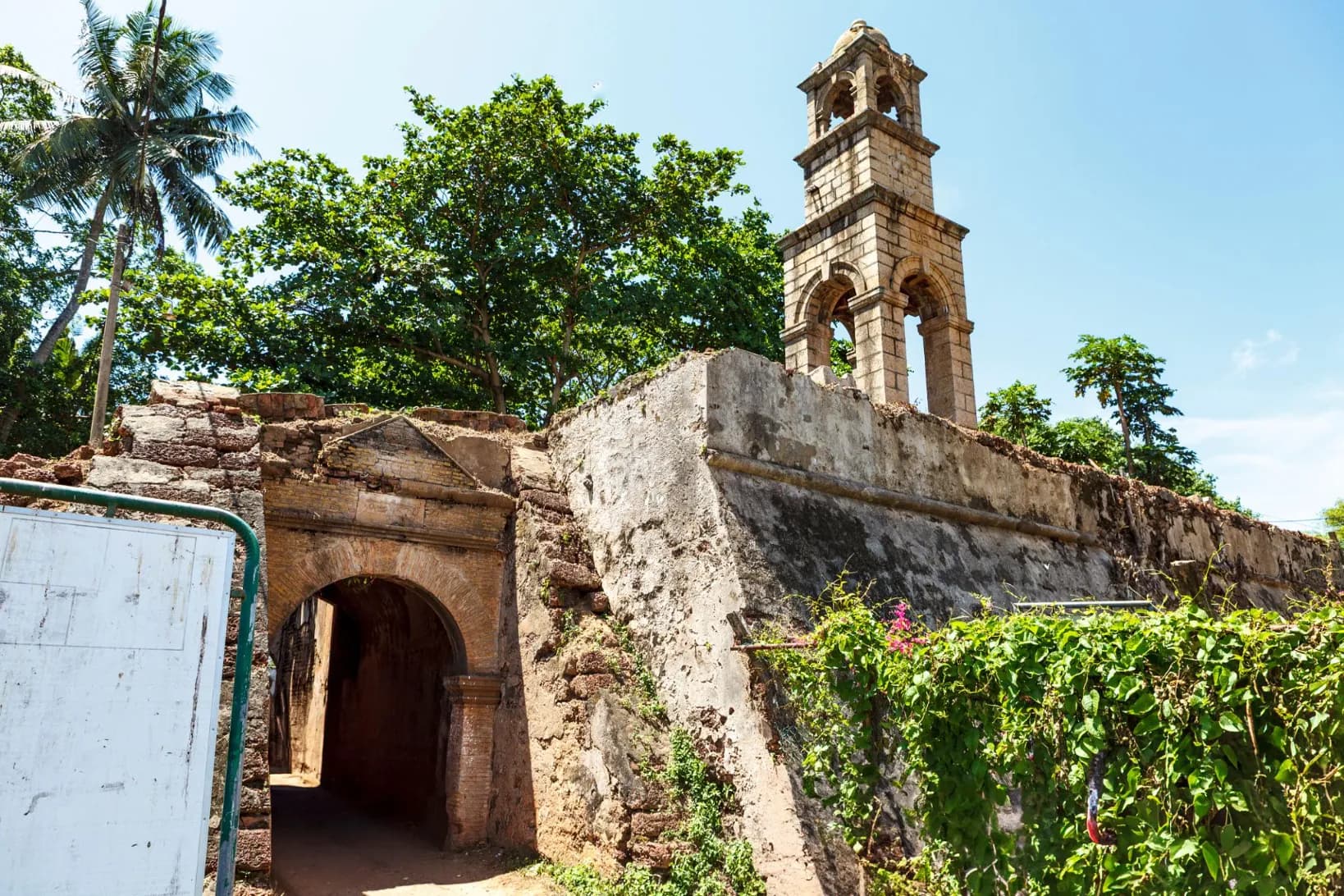
The most visible parts are the arched gateway, the eastern rampart, the mounds of old bastions, and the clock tower. Sri Lanka 800 Route notes that the arched gateway has a granite slab marked 1678, and that the clock tower belongs to the British period.
The British took over the fort in 1796. Later, in the late 1800s, they demolished much of the old fort and used the stones to build a prison. Because of this, the original fort layout is no longer complete. Love Sri Lanka explains that the British took over the fort without opposition and later rebuilt it as a prison, with only parts such as the eastern rampart and recessed gateway remaining today.
This is why visitors should not expect a large restored colonial fort. The Negombo Dutch Fort is more of a historic remnant. It gives a small but powerful glimpse into Negombo’s colonial past.
Dutch Fort and the Prison Site
One important detail about the Dutch Fort is that part of the area is still connected to institutional use. A conservation project description by DutchCulture says that a considerable part of the central court inside the fort is occupied by the Department of Prisons, and this has affected the original layout and historic character of the site.
Because of this, access may be limited in some areas. Visitors can usually see the gateway and outer remains, but they may not be able to freely walk through the full original fort site. Still, the gateway, rampart and clock tower are worth seeing, especially for people interested in colonial history, architecture and photography.
The Dutch Canal and Hamilton Canal
The Dutch port story cannot be separated from the canal system. Negombo is strongly linked with the Dutch Canal, also known today as the Hamilton Canal in certain sections.
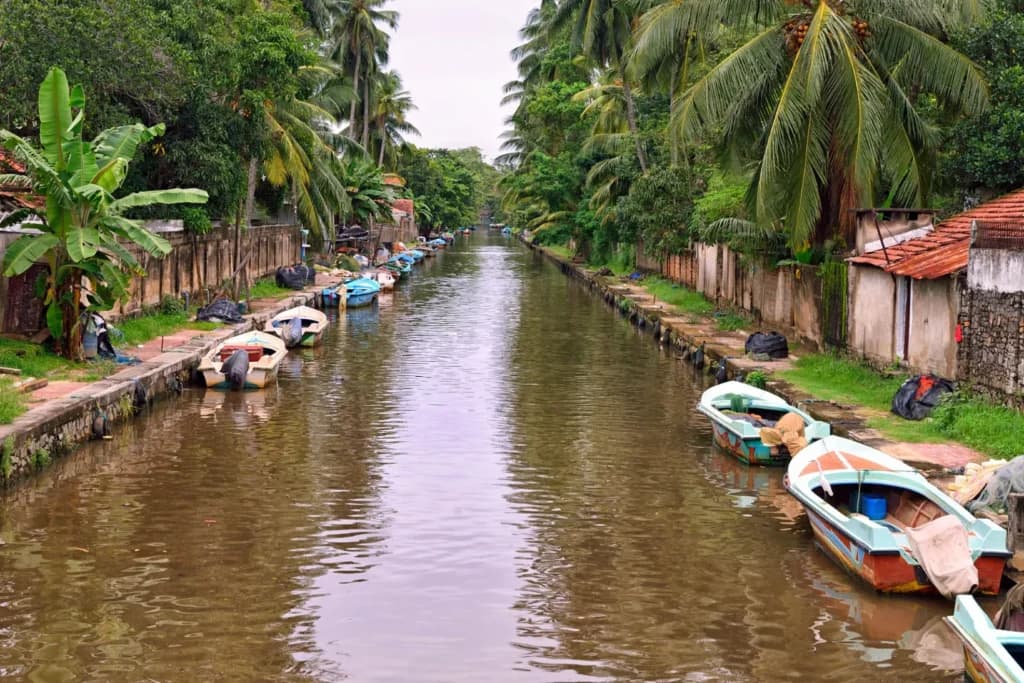
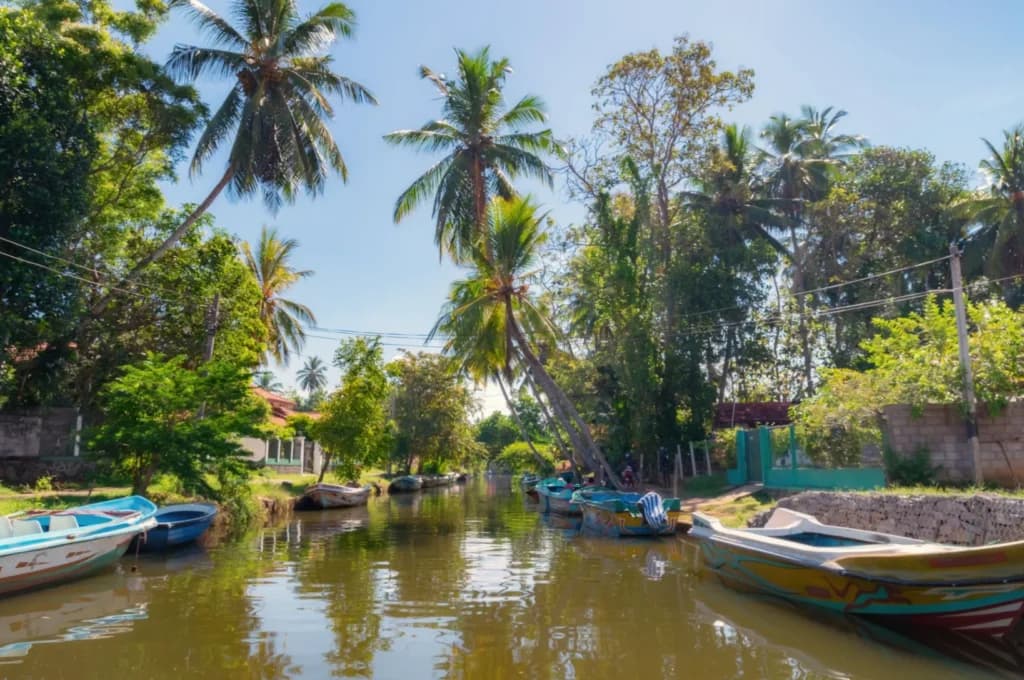
During the Dutch period, canals, dams and waterways were used for practical purposes. The Dutch wanted to drain salt water away from rice fields and also move cinnamon by barge to seaports in Negombo. Love Sri Lanka explains that this system of waterways became known as the Dutch Canal and formed an important connection between ports within Dutch territory.
Later, after the British took control of Ceylon, a new canal was built in 1802 between Colombo and Negombo. It was supported by Gavin Hamilton, the Government Agent of Revenue and Commerce, and became known as the Hamilton Canal. It ran parallel to the older Dutch Canal, closer to the sea, and was completed in 1804.
This is why there is sometimes confusion. Many people call it the Dutch Canal because of the earlier Dutch waterway system, but the Hamilton Canal itself was a British-period construction connected to the older Dutch canal network.
Negombo Lagoon and Fishing Life
Negombo Lagoon is the heart of the old port story. It is a large estuarine lagoon in south-west Sri Lanka. It is fed by small rivers and the Hamilton Canal, also known as the Dutch Canal, and it connects to the sea through a narrow channel near Negombo city.
The lagoon covers about 35.02 square kilometres and is surrounded by settlements, rice fields, coconut plantations and grassland. It is also known for mangroves, water birds and fishing.
This lagoon is not just scenery. It supports the local economy. Fishing is still a major part of Negombo’s identity. Lagoon prawns and crabs are especially popular, and the nearby fish market continues the area’s old connection with the sea.
What Visitors Can See Today
A visitor to the Negombo Dutch Port area can explore several nearby places in one trip. The Dutch Fort gateway is a good starting point. From there, the lagoon, fish market and canal areas are close by. Visitors can also see fishing boats, seafood sellers, old streets, churches and colonial-era remains.
The Dutch Fort is compact, so it does not take a long time to visit. It is best combined with other Negombo experiences, such as a walk near the lagoon, a visit to the fish market, a boat ride along the canal or an evening near the beach. Sri Lanka 800 Route also notes that the fort pairs naturally with nearby landmarks such as St Mary’s Church and the fish market by the lagoon.
For photography, the area is especially interesting because it mixes old stonework, water, fishing boats and local life. The fort ruins show the colonial past, while the canal and lagoon show how Negombo still lives around water.
Why Negombo Dutch Port Matters
Negombo Dutch Port matters because it shows how geography shaped history. The lagoon made Negombo useful for boats. Cinnamon made it valuable for trade. The Portuguese, Dutch and British all wanted control of the coast because trade routes were powerful. The fort, canal and harbour were not just buildings or waterways. They were tools of power, defence and commerce.
Today, the area is also important for tourism. It gives visitors a different side of Negombo beyond the beach. Many people arrive in Negombo only for a short stay before or after a flight. But if they spend a little more time, they can discover a layered story of colonial history, fishing culture, waterways and local life.
Conclusion
Negombo Dutch Port is not a single monument, but a historic coastal zone shaped by the lagoon, fort, canal and harbour. The Portuguese began the fort, the Dutch rebuilt and strengthened it, and the British later changed much of the site. The Dutch Canal and Hamilton Canal added another layer to the story by connecting Negombo to wider trade and transport routes.
Today, the remaining Dutch Fort gateway, the canal, the lagoon and the fish market still carry the memory of Negombo’s past. For travellers, it is a simple but meaningful place to understand how Sri Lanka’s western coast was shaped by trade, colonial rule, fishing and water-based life. Negombo may be famous for its beach, but its old Dutch port area tells a much deeper story.