Night Sounds of Sinharaja: What Really Happens After Sunset in the Rainforest
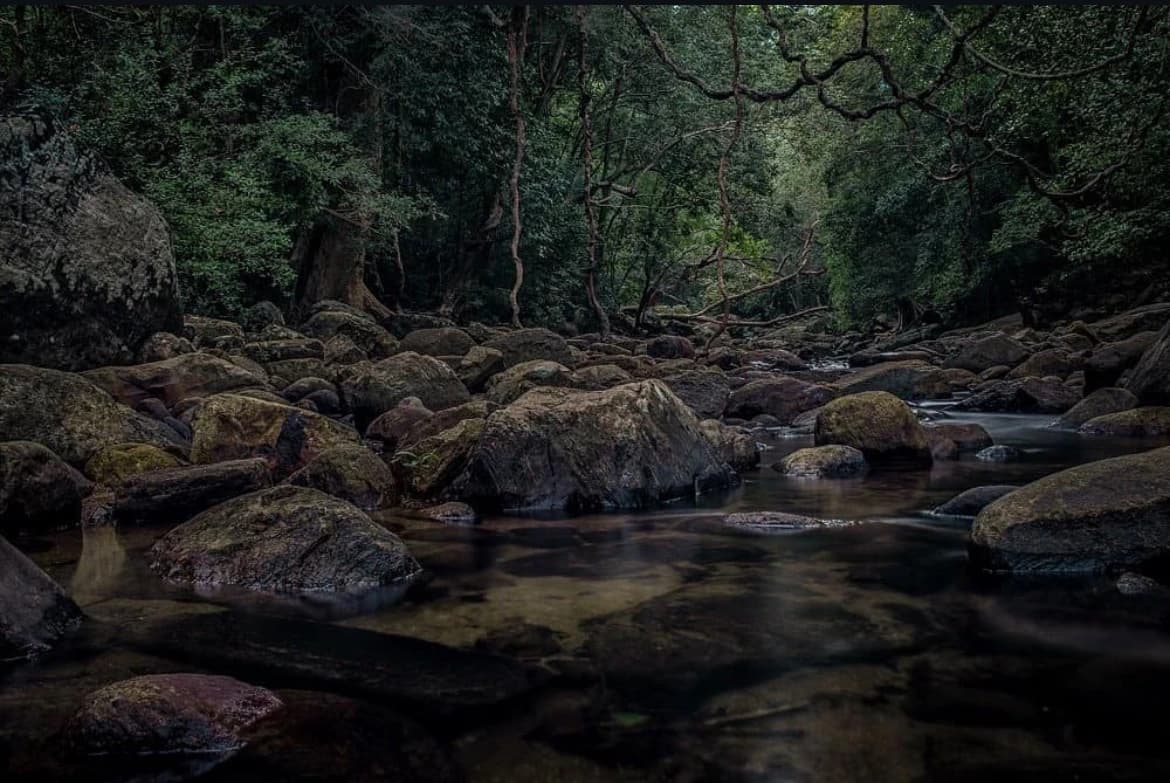
Sinharaja Rainforest changes character after dark. What is a lush green UNESCO World Heritage Site during the day becomes something entirely different once the last rays of light fade beyond the canopy. The forest does not go silent — it awakens. Every leaf, every branch, every pool of water becomes a stage for sounds, rhythms, and behaviours that remain hidden to daytime visitors.
This article explores the secret nightlife of Sinharaja: the creatures that emerge, the sounds that define the forest after sunset, and the behaviours that only reveal themselves in darkness. If you have ever wondered what a rainforest feels like after dusk — this is your guide.
1. The Shift From Day to Night: A Dramatic Biological Change
As evening settles over Sinharaja, the forest undergoes a major ecological shift known as crepuscular transition. Day-active species retreat to their nests, hollows, or undergrowth. Nocturnal species slowly claim the forest.
Sunset triggers:
- a drop in temperature
- a spike in humidity
- heavier scent trails from forest floor mammals
- increased movement from amphibians
- heightened vocalisations from insects
This twilight moment is incredibly short — usually 15–20 minutes — but it marks the beginning of a completely new soundscape.
The forest you knew at 4 pm is not the same forest at 7 pm.
2. The Night Orchestra Begins: Insects Take Over the Soundscape
At night, Sinharaja belongs to insects. Their combined sounds create an unbroken audio wall — a natural white noise that defines the rainforest.
2.1 Crickets: The First Musicians of the Night
Crickets begin the evening chorus with rhythmic chirps. Each species has its own tempo, pitch, and pattern. If you listen closely, you can hear:
- slow, steady pulses
- rapid high-pitched trills
- intermittent chirps from territorial males
Crickets set the base layer for all other night sounds.
2.2 Cicadas: The Rainforest’s Alarms
While cicadas dominate the day, some nocturnal species activate at night. Their piercing calls rise and fall in waves, sometimes reaching over 100 decibels — louder than many machines.
When a predator approaches, some cicadas abruptly stop. That sudden silence can be more startling than the noise.
2.3 Katydids: The Metallic Echo
Katydids produce a distinctive ticking, clicking, or metallic “kri-kri-kri” sound. Their songs travel long distances and often confuse visitors who think it’s a mechanical noise or device.
Together, these insects form a continuous soundtrack that lasts until dawn.
3. The Amphibian Choir: Night Belongs to Frogs
Sinharaja is one of the richest amphibian habitats in Asia. Over 40 species of frogs, many endemic, become active as soon as darkness settles.
3.1 Tree Frogs Near Waterways
Listen near streams and you’ll hear:
- high-pitched peeps
- bubble-like pops
- soft croaks echoing from branches
Tree frogs often perch on leaves dripping with condensation, calling out to attract mates.
3.2 The Iconic Kiri-hiththa Call
The kiri-hiththa (hourglass frog) has one of the most recognisable calls: a nasal, drawn-out “eeeeep!“. It echoes strongly in the understory and often forms the dominant sound near forest edges.
3.3 Shrub Frogs Hidden in Low Bushes
Babbling “tsk-tsk-tsk” calls come from shrub frogs camouflaged beautifully among leaf litter. These tiny frogs contribute heavily to Sinharaja’s nighttime biodiversity.
The frog chorus is one of the forest’s most enchanting features — creating a layered, rhythmic pattern that feels both calming and ancient.
4. Mysterious Mammals on the Move
Most mammals in Sinharaja are nocturnal or crepuscular, which means the forest floor becomes unexpectedly busy at night.
4.1 Giant Squirrels and Civets
Civets roam the undergrowth searching for fruits, insects, and small prey. Their movement is subtle — soft footsteps, rustling leaves, and the occasional grunt.
Giant squirrels also move during early night hours, especially near fruiting trees. Their communication includes:
- low growls
- whistle-like calls
- sudden bark-like alarm notes
4.2 Pangolins: The Silent Foragers
Pangolins are almost impossible to see, but unmistakable if you hear them:
- slow scratchings
- leaf rustling as they search for ants
- occasional huffing sounds
Because they move heavily, they create larger disturbances in leaf litter compared to small mammals.
4.3 Bats: High-Frequency Hunters
Sinharaja is home to fruit bats and insectivorous bats. You won’t hear their ultrasonic calls, but you’ll hear:
- wing flaps
- branches shifting
- occasional squeaks
- sudden drops in the insect chorus as bats swoop in to hunt
Their presence significantly shapes the night ecosystem.
5. Reptiles Rule the Dark: The Stealth Hunters
Reptiles become surprisingly active at night. The cooler climate allows them to hunt without overheating.
5.1 Snakes
Many snakes in Sinharaja hunt under the cover of darkness:
- Hump-nosed vipers move slowly through damp leaf litter
- Cat snakes slither near low branches
- Green pit vipers remain motionless but alert
Their movement creates:
- soft dragging sounds
- faint rustles
- sudden crackles when they strike at prey
5.2 Geckos and Lizards
House geckos around forest lodges and larger forest geckos make chirping or clicking sounds. They thrive at night due to the overwhelming insect population.
6. Nocturnal Birds Break the Silence
The rainforest might seem like a quiet place for birds at night — but a few species dominate the darkness.
6.1 The Serendib Scops Owl
Endemic and rare, this tiny owl produces a single, rhythmic “poo-ooo” call. It is haunting, minimalistic, and distinctive.
6.2 The Chestnut-backed Owlet
Though typically active at dawn and dusk, it occasionally vocalises at night. Its “krreeew-krreeew” call pierces through the insect chorus.
6.3 Nightjars on Open Trails
Nightjars may rest on forest paths or clearings. Their calls include:
- tremolo whistles
- churring sounds
- soft hoots
The sound of a nightjar suddenly flying off when you approach can be startling — the wings create a powerful whirr.
7. Rain, Wind, and Leaves: The Weather Soundtrack
The rainforest’s physical environment contributes as much to the soundscape as the animals.
7.1 The Drip Symphony
At night, condensation forms rapidly. You hear constant:
- water droplets hitting leaves
- slow trickles down tree trunks
- rhythmic plinks on the forest floor
7.2 Wind Moving Through Multi-Layered Canopy
Because Sinharaja has several canopy layers, wind produces distinct levels of noise:
- high canopy: soft roaring
- mid-canopy: swishing
- understory: gentle fluttering
This layered effect is soothing and immersive.
7.3 The Crack of Branches
Occasional snapping branches may indicate:
- monkeys settling in
- heavy mammals passing
- natural tree shedding
In the silence of night, even small breaks echo dramatically.
Click on here “THE SECRET WATERFALLS OF NUWARA ELIYA: A TRAVELLER’S GUIDE TO HIDDEN CASCADES”
8. Glowing, Flashing, Moving: Night Visuals Without Touching Them
Even though the focus here is on sound, Sinharaja’s night visuals enhance the acoustic mystery.
You may see:
- fireflies blinking among low shrubs
- mushrooms glowing faintly in bioluminescent patches
- spider eyes shining under torchlight
- mist drifting across beams of moonlight
These visuals often accompany specific sounds, creating a multidimensional experience.
9. Predation After Dark: The Sound of the Hunt
Night is when most hunting happens in the rainforest.
9.1 Silent Approaches
Predators rely on stealth. You may hear:
- sudden silence from insects
- quick rustles in the undergrowth
- abrupt stops and starts
9.2 The Chase
Rare but audible if close:
- frantic leaf scattering
- wings flapping violently
- alarm calls from small animals
9.3 The Kill
Very quick. Often only the aftermath is audible:
- short squeaks
- crunching leaves
- movement stopping abruptly
This is the raw, unfiltered reality of a rainforest ecosystem.
10. Why the Night Soundscape Matters for Science
Researchers study Sinharaja’s night sounds for several reasons:
10.1 Indicator of Ecosystem Health
A loud, complex soundscape means:
- high biodiversity
- active breeding
- minimal human disruption
10.2 Bioacoustics Helps Track Species
Scientists place audio recorders to identify:
- declining frog populations
- owl territories
- insect density changes
10.3 Night Sounds Predict Rainfall & Climate Behaviour
Certain frog or insect calls intensify before rain. Others fade before storms.
Night sound monitoring allows researchers to study:
- microclimate shifts
- pollution effects
- forest regeneration
11. Night Walks in Sinharaja: What You Need to Know
A guided night walk is the safest way to experience this soundscape.
11.1 Essential Tips
- Always go with an accredited guide.
- Wear covered shoes.
- Carry a soft beam torch (avoid blinding animals).
- Keep noise minimal.
- No touching or picking up wildlife.
11.2 What You Can Expect
Night walks bring:
- close encounters with frogs and geckos
- smaller nocturnal mammals
- glowing fungi
- the full rainforest soundscape
The experience is safe as long as you follow instructions.
12. The Psychological Effect of Sinharaja at Night
The rainforest at night triggers deep human instincts:
- heightened auditory focus
- mild fear mixed with awe
- increased sensitivity to small sounds
- a sense of ancient wilderness
Many travellers describe the experience as meditative — a natural immersion that resets the mind.
Sinharaja’s darkness is not empty. It is alive.
13. Why You Should Experience Sinharaja After Sunset
Most visitors leave the rainforest by late afternoon. Only a few choose to stay until dusk or join a guided night walk. Yet the nighttime atmosphere is arguably the most authentic expression of the rainforest.
At night, you witness:
- the forest’s true biodiversity
- the harmony and chaos of nature
- the hidden rhythms of creatures rarely seen
- a soundscape unchanged for thousands of years
If you want to understand Sinharaja, you must hear it in the dark.
Conclusion: The Real Sinharaja Lives at Night
The night in Sinharaja is not silent, empty, or frightening. It is vibrant, structured, and surprisingly organised. Each creature has a role, each sound has a purpose, and together they form one of the richest natural choruses on Earth.
After sunset, Sinharaja reveals a side that most people will never experience — a world defined by sound, shadow, and ancient ecological patterns. To hear this orchestra is to listen to the rainforest breathing.
It is the purest version of wilderness Sri Lanka still holds.