Old Ceylon’s Christmas Rituals: Colonial, Indigenous, and Faith Traditions That Still Survive Today
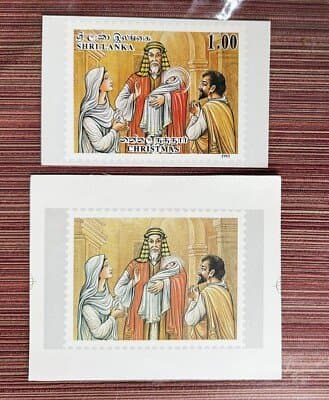
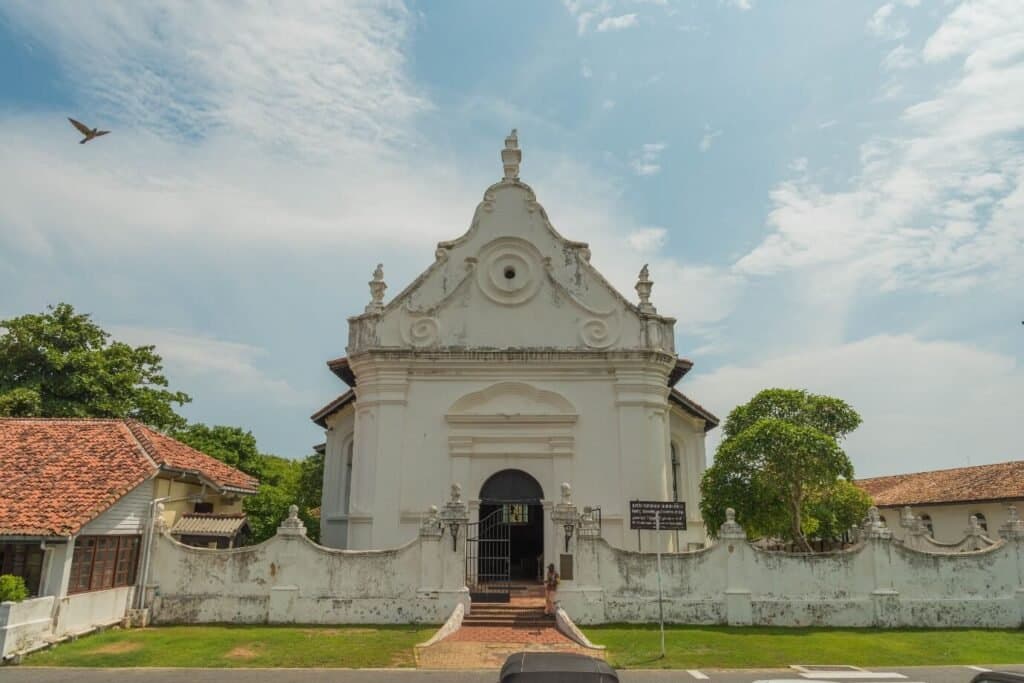
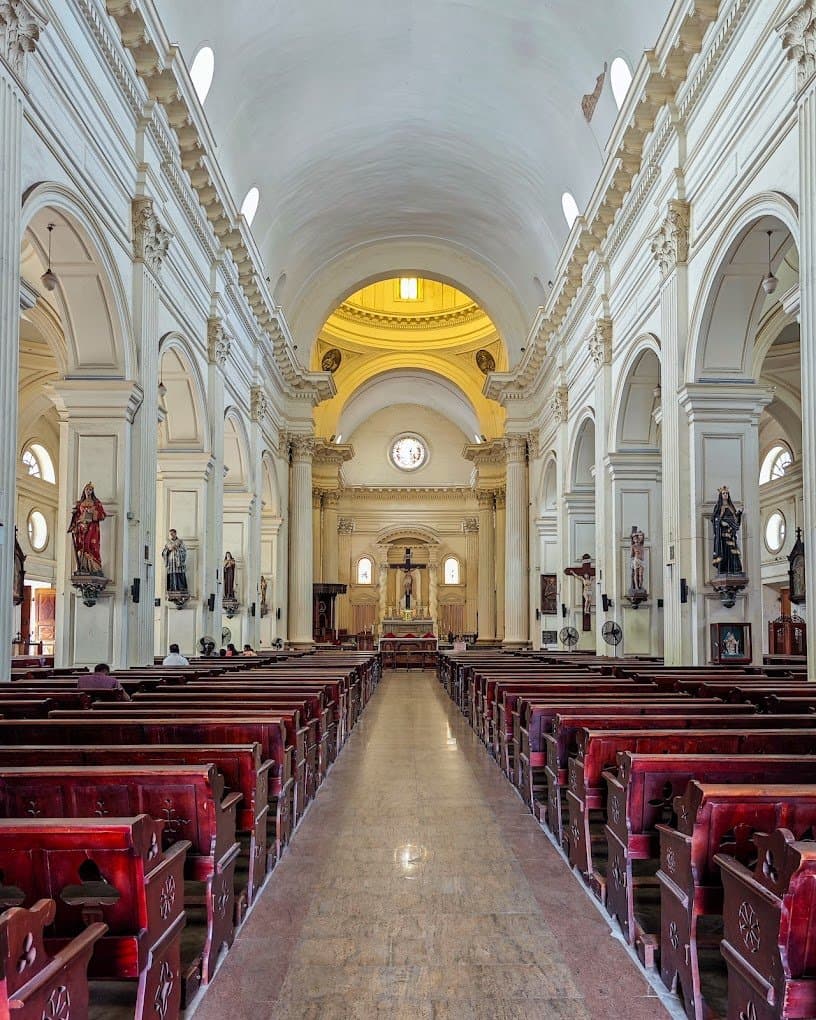
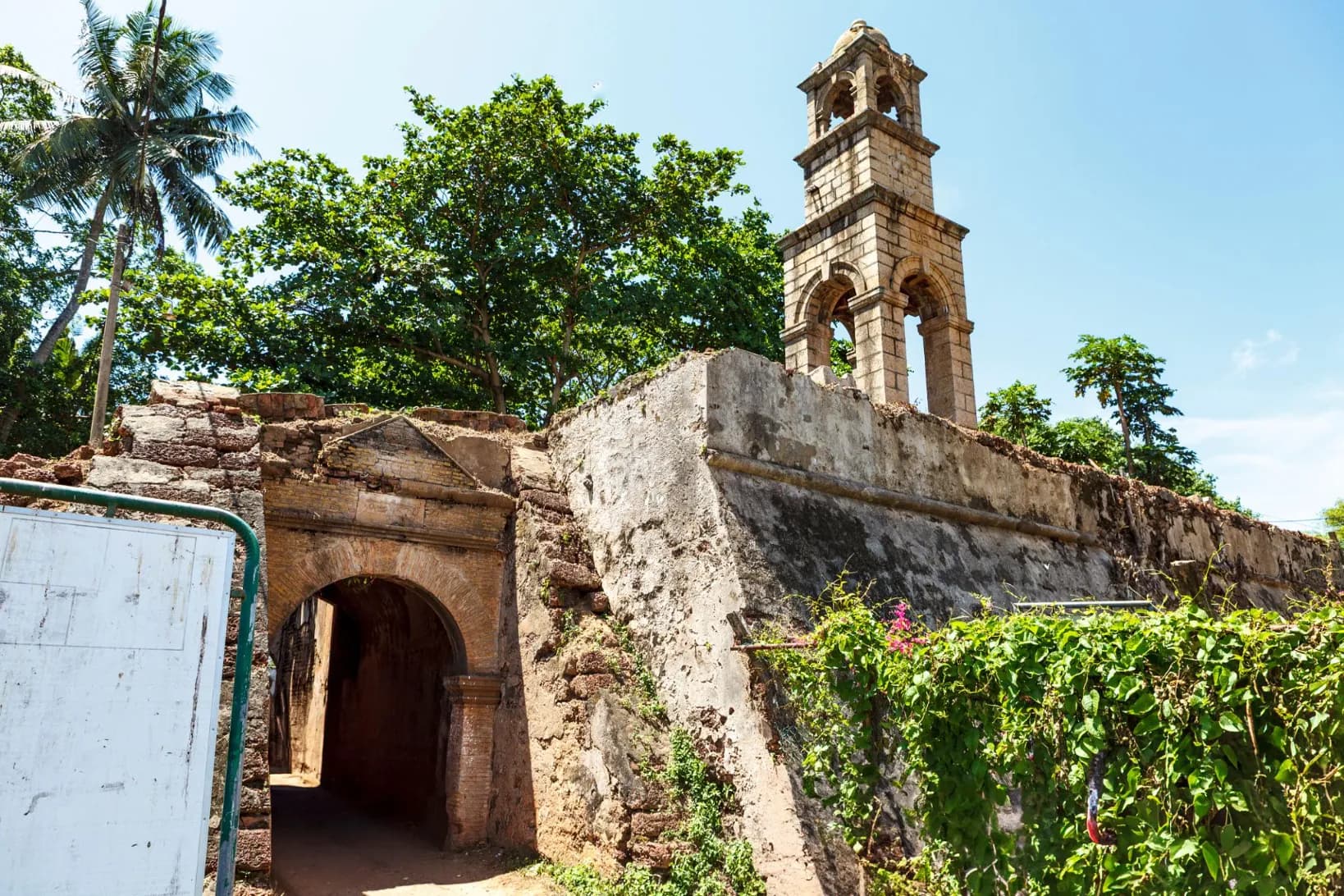
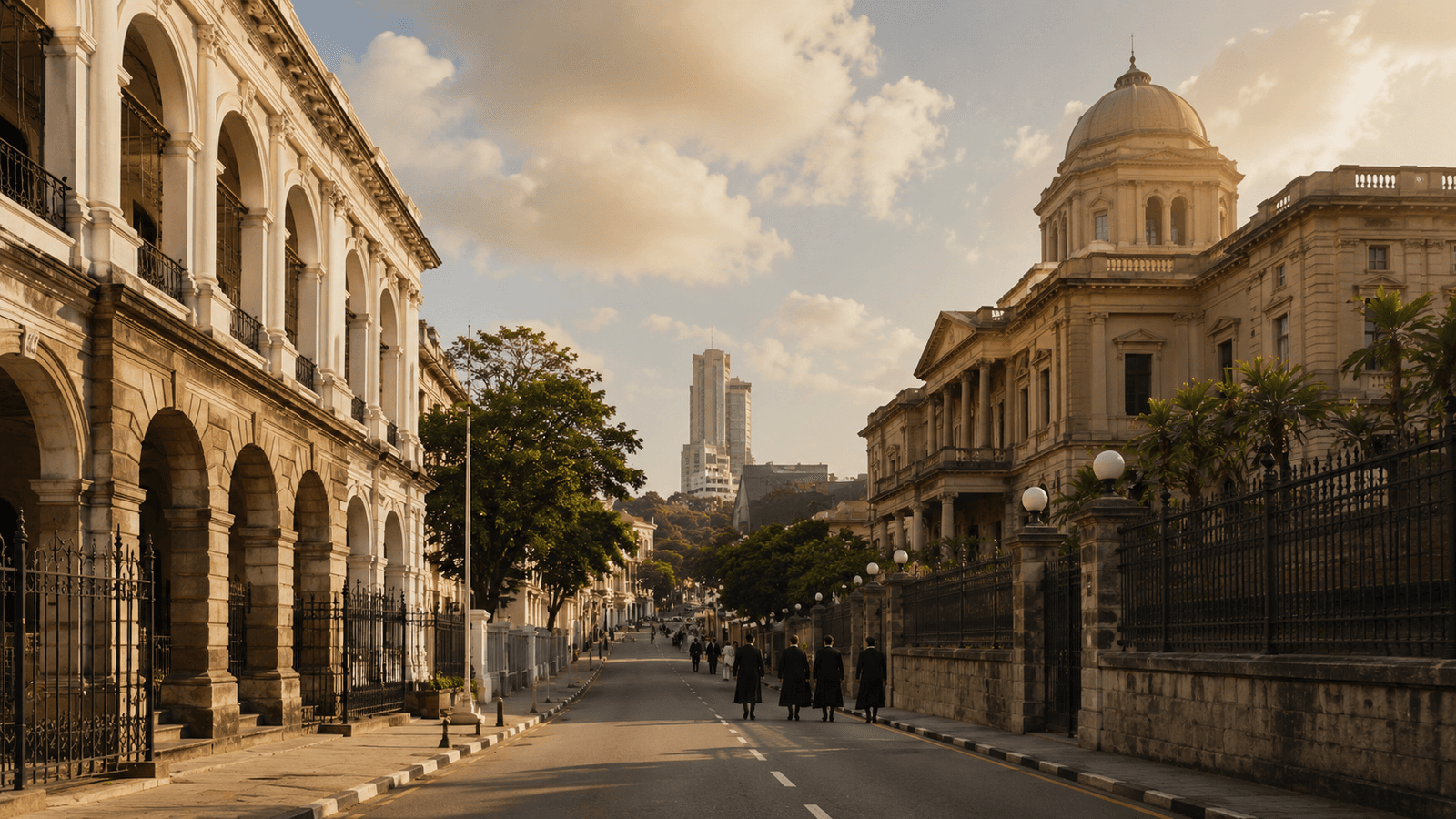
Christmas in Sri Lanka was never a single story. Long before fairy lights and hotel buffets, the season unfolded quietly through church bells, handwritten invitations, oil lamps, and food prepared over several days. In Old Ceylon, Christmas evolved as a layered ritual—shaped by colonial customs, adapted by local communities, and grounded deeply in faith.
What survives today is not always obvious. Some traditions remain visible, others are woven invisibly into how Sri Lankans still gather, cook, worship, and give. This is a journey into those surviving rituals—where colonial formality met indigenous warmth, and faith anchored celebration.
Christmas Under the British: Order, Etiquette, and Domestic Ritual
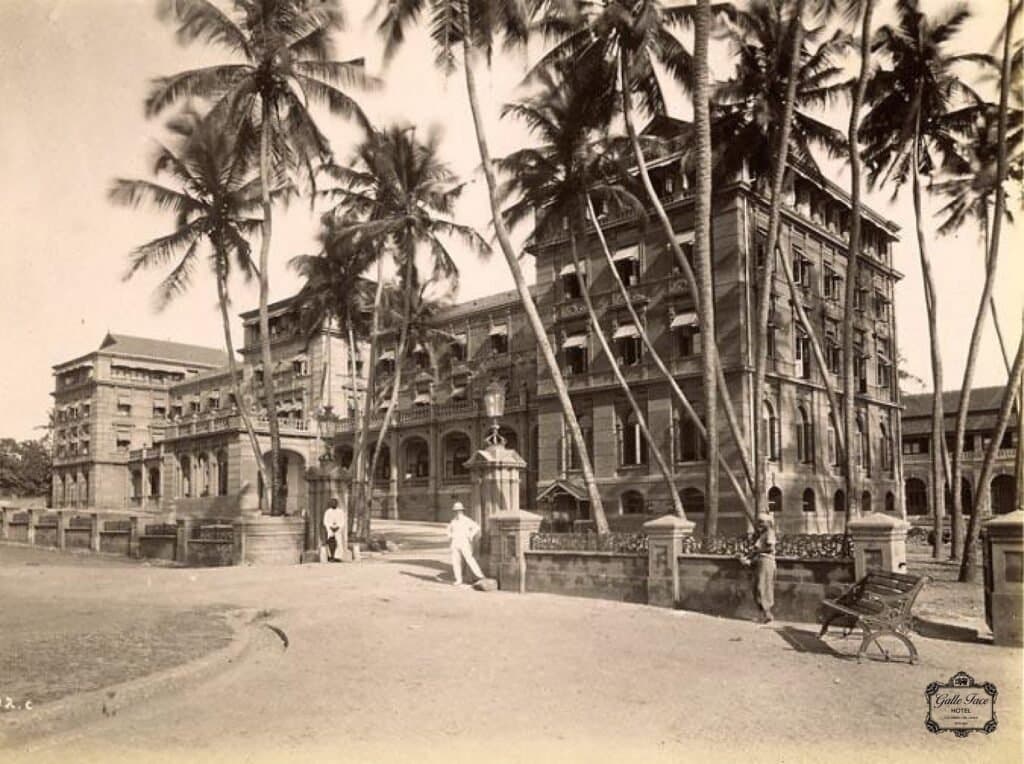
British colonial households in Ceylon treated Christmas as a disciplined domestic affair rather than a loud public festival. The emphasis was on order, hospitality, and propriety.
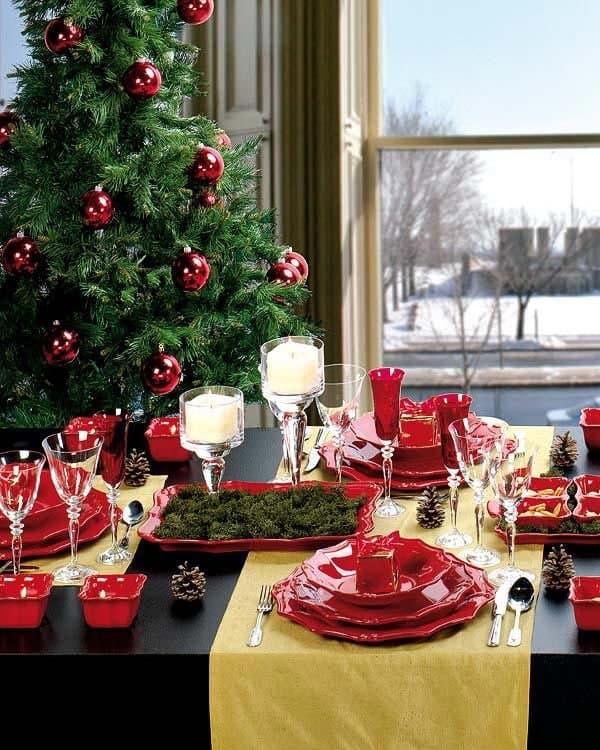
Homes were cleaned days in advance. Dining tables were set formally, often with white linen, candles, and modest floral arrangements sourced from gardens. Christmas lunch followed a structured timetable—soups, roasts, puddings—served with near-military punctuality.
Yet, this rigidity softened in Ceylon. Tropical produce replaced imported ingredients. Roast meats were seasoned with local spices. Christmas puddings were steamed longer to withstand humidity. Even today, the Sri Lankan Christmas table reflects this fusion—formal in structure, local in flavour.
Church as the Centre of Christmas Life
For Catholic and Anglican communities, the church was the axis around which Christmas revolved. Midnight Mass was not optional; it was the defining moment of the season.
Families walked together to church, often barefoot, dressed in freshly stitched white clothes. Oil lamps lined pathways. Choirs rehearsed for weeks. Bells announced Christmas before dawn broke.
This centrality of church life remains unchanged. Even in urban Colombo, rural parishes still treat Christmas as a sacred vigil first, celebration second—a hierarchy inherited directly from Old Ceylon.
Indigenous Adaptations: When Villages Made Christmas Their Own
Outside colonial enclaves, Christmas absorbed village rhythms. Sinhala and Tamil Christian communities reshaped the festival to align with existing social customs.
Food was prepared collectively. Homes remained open to neighbours regardless of religion. Sharing was informal and continuous rather than scheduled.
One key indigenous survival is the concept of non-invited hospitality—the expectation that anyone who arrives during Christmas is fed. This tradition predates colonialism and mirrors older village norms around almsgiving and communal meals.
Food Rituals That Quietly Endured
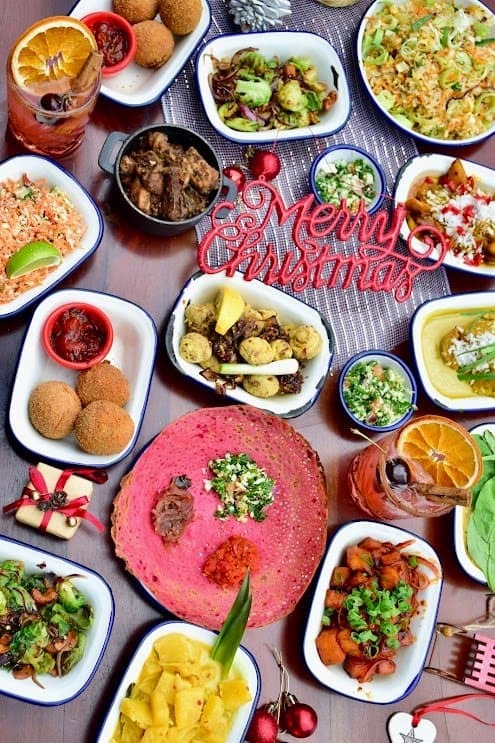
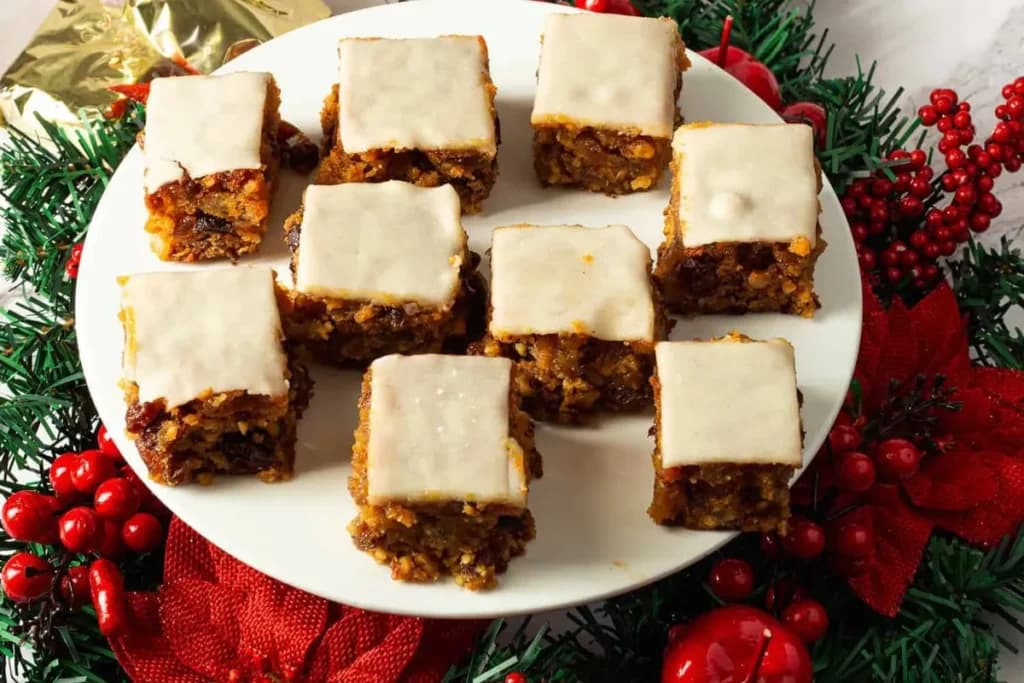
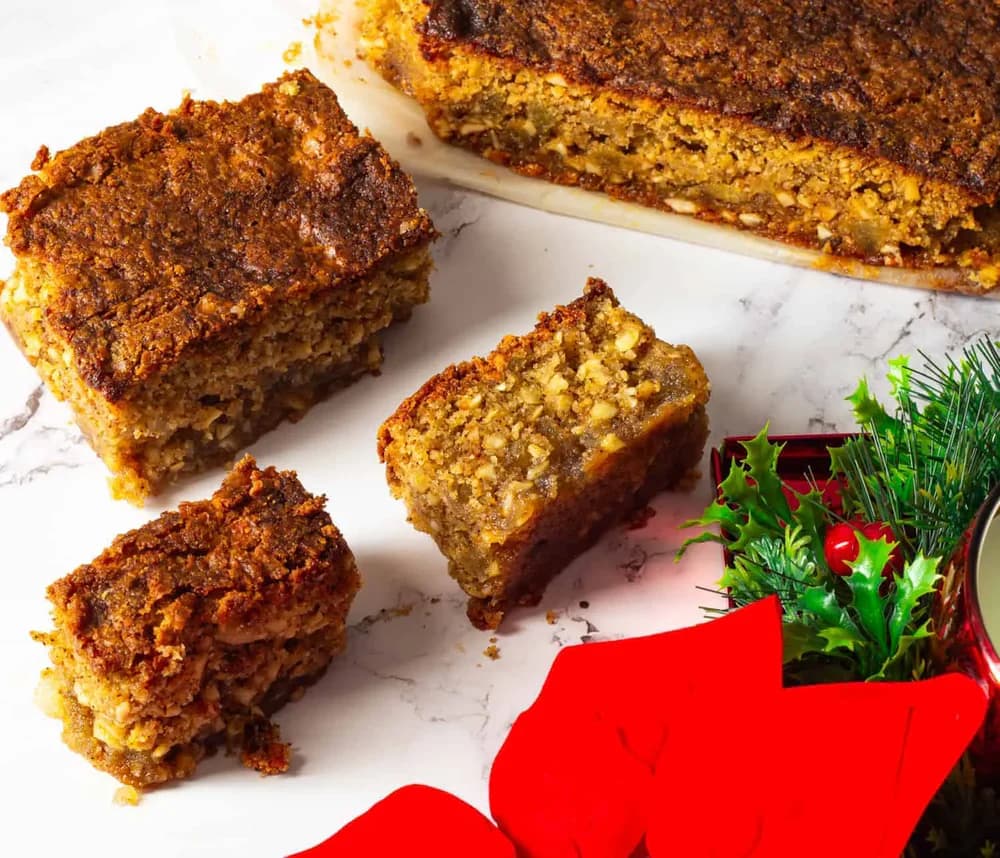
While menus changed, the ritual around food did not. Christmas cooking was slow, deliberate, and communal.
Cakes were baked days ahead. Love cake, breudher, and ribbon cake became markers of generosity rather than indulgence. Recipes were guarded, handwritten, and passed through generations—often unchanged.
Even today, many households still bake at home despite easy availability. The act of baking itself is the ritual, echoing Old Ceylon kitchens where Christmas food symbolised care, patience, and abundance.
Christmas Visiting: The Lost Art of Calling
In Old Ceylon, Christmas was the season of calling—short, polite visits made throughout the day. Guests stayed briefly, were offered cake and wine, exchanged blessings, and moved on.
This practice shaped Sri Lanka’s enduring Christmas etiquette: no long invitations required, no obligation to entertain extensively. Although fading in cities, it survives strongly in smaller towns and coastal communities.
The ritual reinforced social bonds without excess—an understated tradition worth preserving.
Decorations Before Commercialisation
Before plastic trees and imported ornaments, decoration was restrained and symbolic.
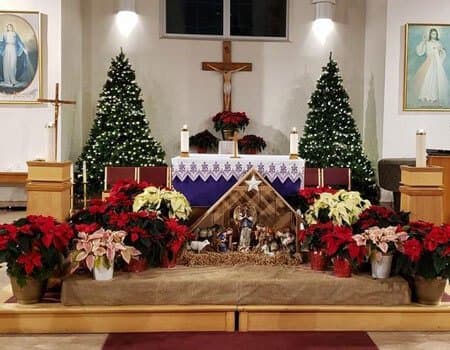
Holly was replaced with local greenery. Paper stars were handmade. Nativity scenes were crafted from clay, wood, or reused materials. Cribs were central, not decorative extras.
Many churches and homes still follow this older aesthetic—simple, faith-led, and tactile—especially outside commercial centres.
Music: Hymns Over Performance
Christmas music in Old Ceylon was participatory, not performative. Carol singing happened in churches, homes, and along village roads, often without instruments.
Languages blended freely—Latin hymns, Sinhala verses, Tamil prayers, and English carols coexisted. This multilingual worship remains one of Sri Lanka’s most unique Christmas inheritances.
Even today, spontaneous carol groups walking through neighbourhoods reflect this older, communal form of celebration.
The Enduring Ethos: Restraint, Faith, and Shared Space
What truly survives from Old Ceylon’s Christmas is not a specific dish or decoration, but an ethos:
- Celebration without excess
- Faith before festivity
- Community before spectacle
In a time of commercial pressure, these quieter traditions continue—sometimes unnoticed, but deeply embedded in how Sri Lanka still experiences Christmas.
Why These Traditions Still Matter
These rituals offer something modern celebrations often lack: meaning without noise. They remind us that Christmas was never meant to impress—it was meant to gather, ground, and give.
Old Ceylon’s Christmas lives on not as nostalgia, but as living practice—visible in midnight church aisles, home-baked cakes, open doors, and unspoken generosity.
Click on here “Interfaith Acts of Kindness: How Temples, Kovils, and Churches Support DITWA-Affected Families”