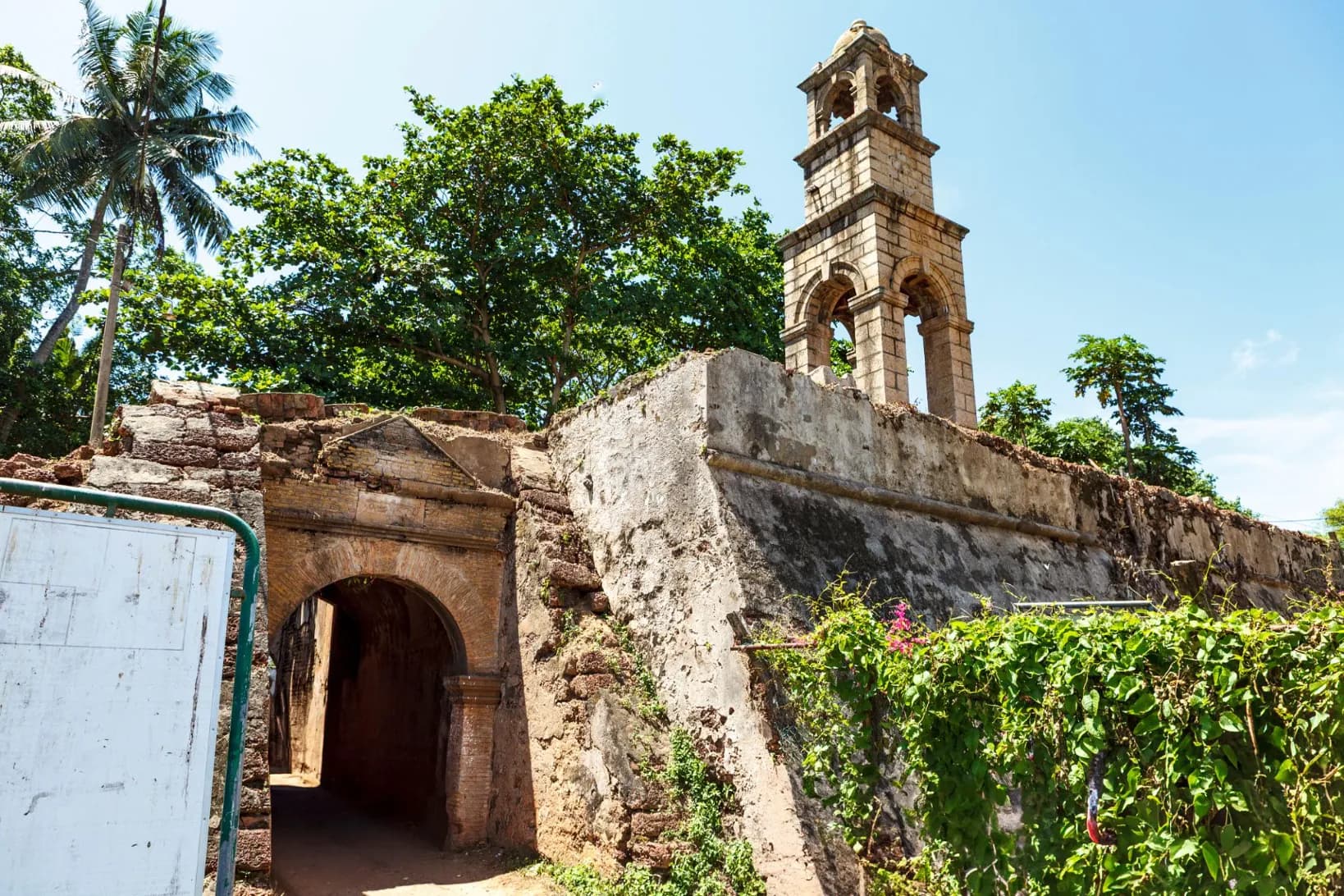
Secrets of Wilpattu’s Villu Lakes: Nature’s Own Water Maze
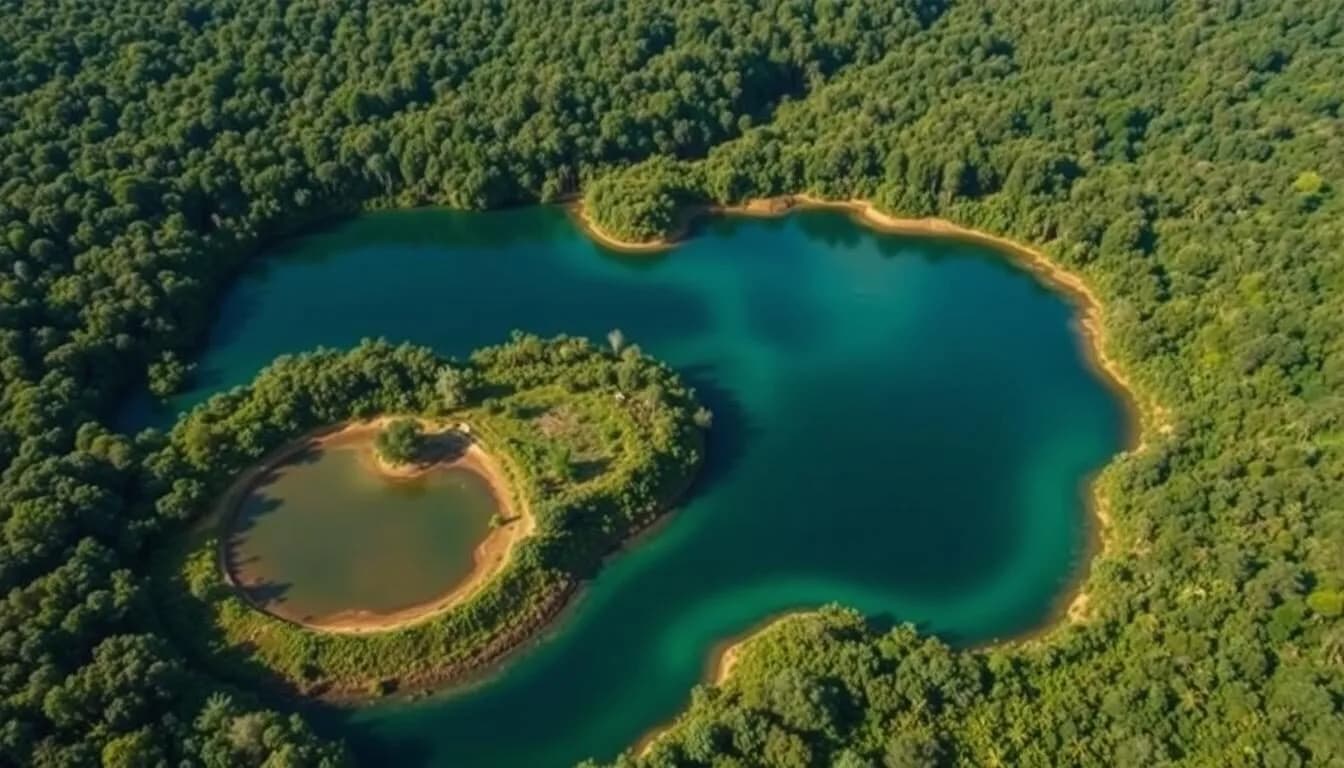
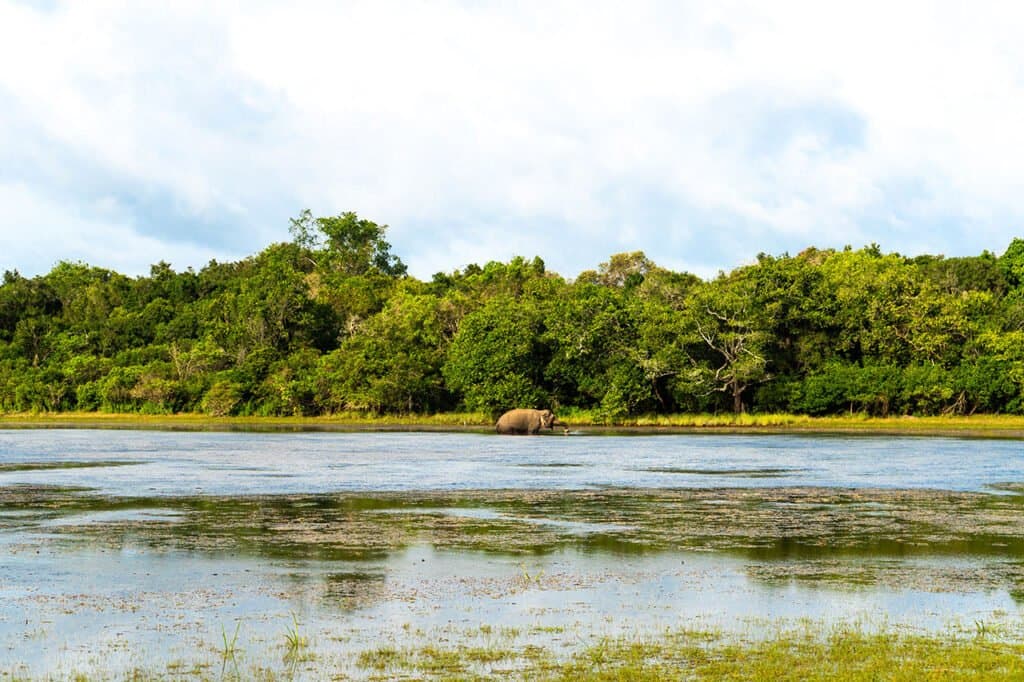
Secrets of Wilpattu’s Villu Lakes: Nature’s Own Water Maze | Wilderness in Sri Lanka often brings to mind misty mountains, cascading waterfalls, or the golden savannahs of Yala. But deep in the northwest lies a landscape unlike any other — a mysterious water labyrinth shaped not by rivers, but by nature’s quiet, ancient artistry.
WILPATTU’s villus — its iconic natural lakes — are once again a trending topic as travellers and conservationists rediscover their ecological magic, cultural history, and hidden fragility.
These shallow, sand-rimmed basins form one of the most unusual wetland systems in South Asia. Their formation, seasonal rhythms, wildlife influence, and cultural myths create a narrative far more complex than a typical wildlife park story. This is Sri Lanka’s most enigmatic water maze — a place where lakes appear and vanish, forests breathe with the monsoon, and every villu hides a secret of its own.
What Exactly Is a Villu? The Hidden Hydrology Behind the Mystery
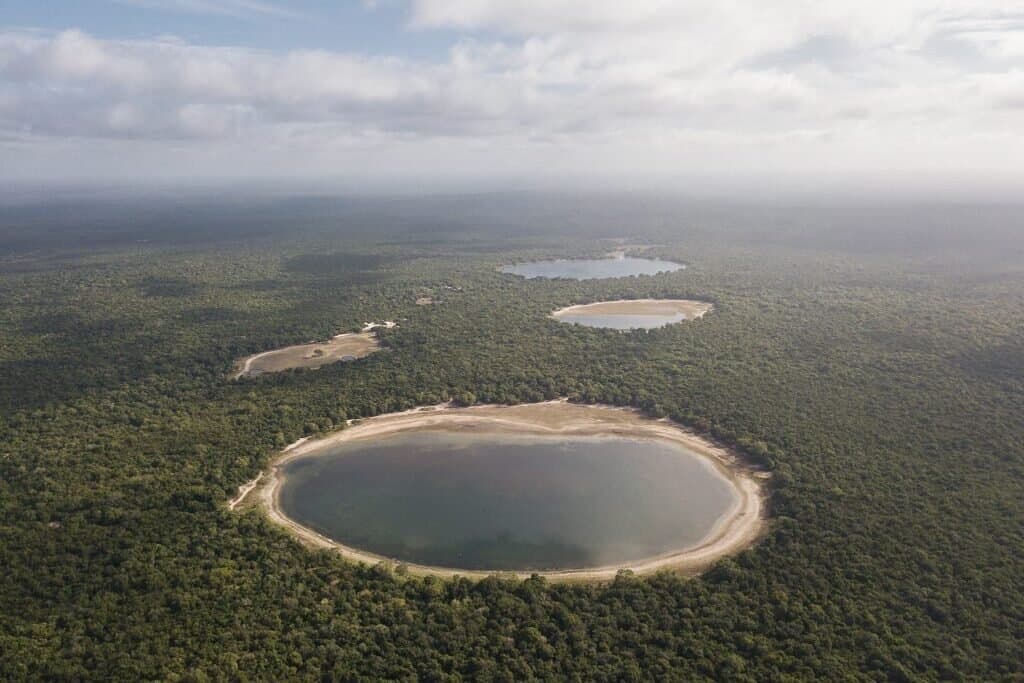
A villu is not a lake, not a pond, and not a marsh — it is a unique hydro-ecological formation found almost exclusively in Wilpattu.
Scientifically, villus are shallow depressions lined with clay, allowing them to collect and retain monsoon rainwater. But unlike most wetlands, they have:
- No river inflow or outflow
- No permanent water source
- Naturally filtering sandy rims that keep the water clean
- A changing shoreline depending on rainfall
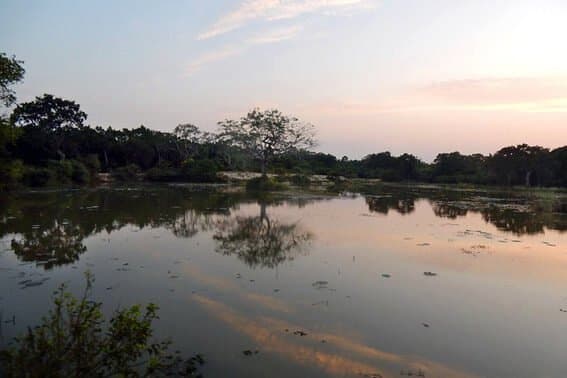
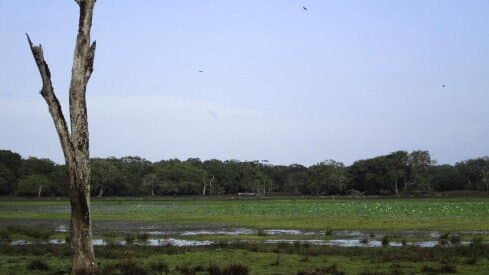
During the dry season, many villus shrink or disappear, leaving behind cracked clay beds. With the first northeast monsoon, they refill dramatically, becoming huge reflective pools bordered by rich grasslands.
This water cycle is what makes Wilpattu a living, breathing maze — never the same shape twice.
A Wildlife Highway: Why Animals Depend on the Villus
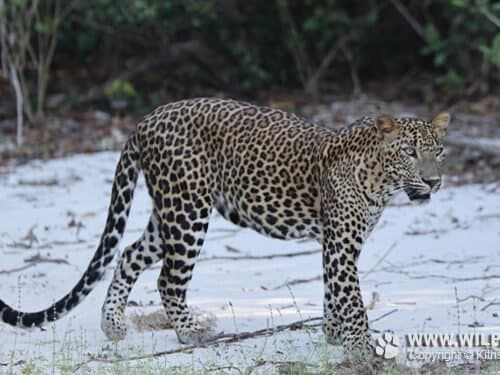
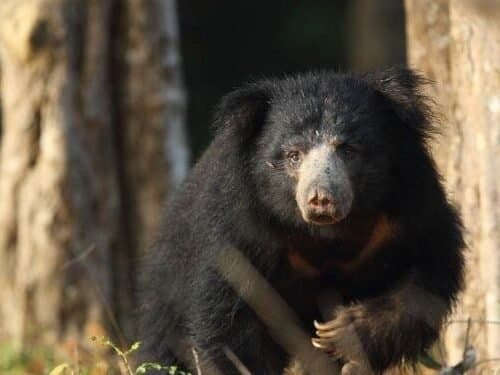
Wilpattu’s wildlife movements revolve entirely around the location and seasonality of these lakes.
1. The Villus as Leopard Territory Hubs
Leopards prefer villu edges because prey gather there. The flat, open spaces give big cats visibility for stalking, while the surrounding scrub provides immediate cover.
This is why some of the most famous leopard sightings — Ikirigollawa Villu, Maradanmaduwa, Kumbuk Villu — happen in predictable patterns every year.
2. The Villus as Sloth Bear Supermarkets
Sloth bears, iconic to Wilpattu, rely on fruiting trees that flourish in the moist soil around the villus. Termite mounds also thrive in these environments, making the villu edges prime feeding grounds.
3. Elephant Water Stations
While Wilpattu does not have massive elephant herds like Minneriya or Udawalawe, the elephants here rely heavily on the villu network to survive dry months.
Their movements show an intricate understanding of which villu retains water the longest — a natural map passed down across generations.
The Villu Maze: Why Wilpattu’s Layout Is Unlike Any Other Park
What makes Wilpattu truly extraordinary is its seemingly random but highly functional arrangement of lakes.
The villus are spread across three main clusters:
- Talawila–Maradanmaduwa region
- Kokkare Villu–Kumbuk Villu belt
- Periya and Kalagedi villu chains toward the coast
These clusters behave like ecological circuits. As one villu dries, animals shift to the next, maintaining a natural balance of grazing, hunting, and water usage.
This system creates:
- Multiple microhabitats
- Distinct animal movement corridors
- A self-regulating food web
No other park in Sri Lanka has such an internally interconnected water-driven landscape.
The Cultural and Historical Stories Hidden Beneath the Water
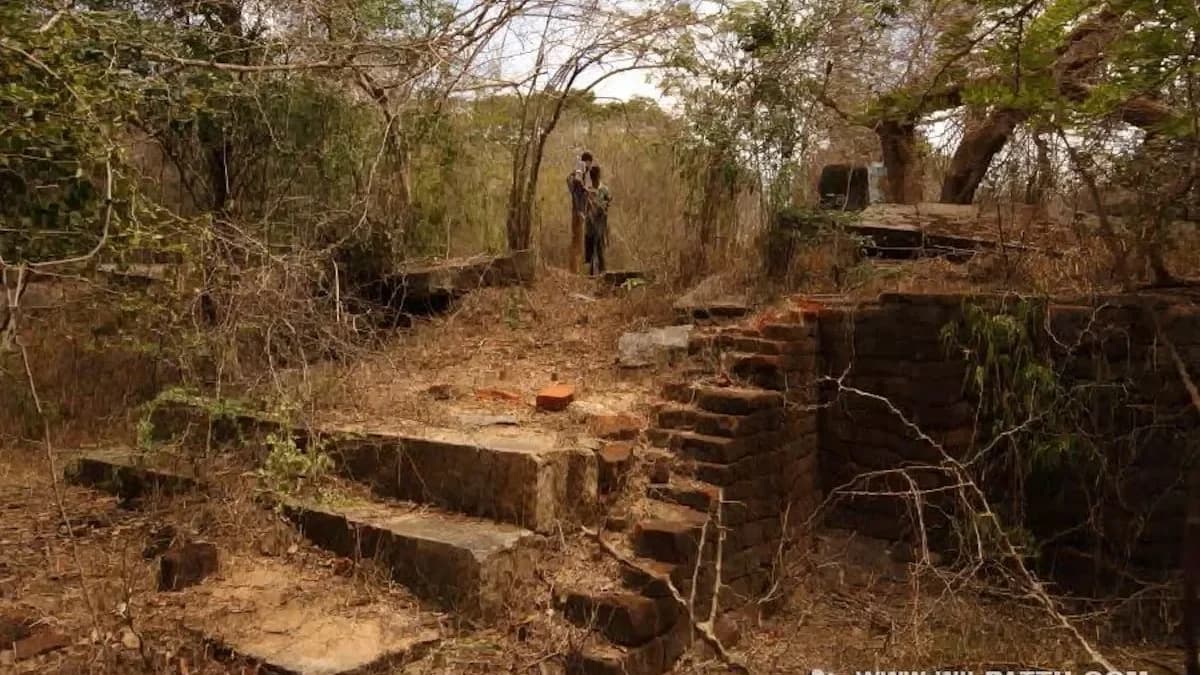
Wilpattu is often marketed purely as a wildlife park, but its human stories run far deeper.
1. The Legend of Kuveni
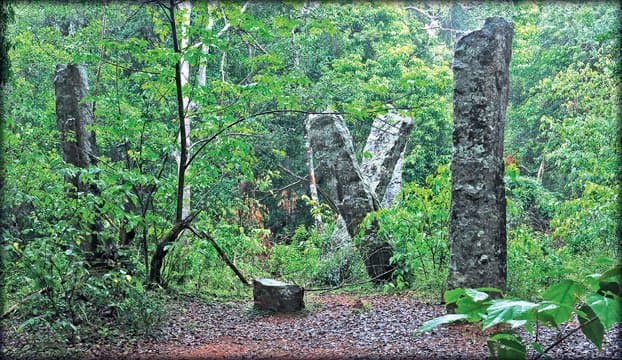
Local folklore says Queen Kuveni — the Yaksha queen abandoned by Prince Vijaya — fled north into Wilpattu’s forests.
Some villagers still believe certain villus were once settlements or ritual sites tied to her story.
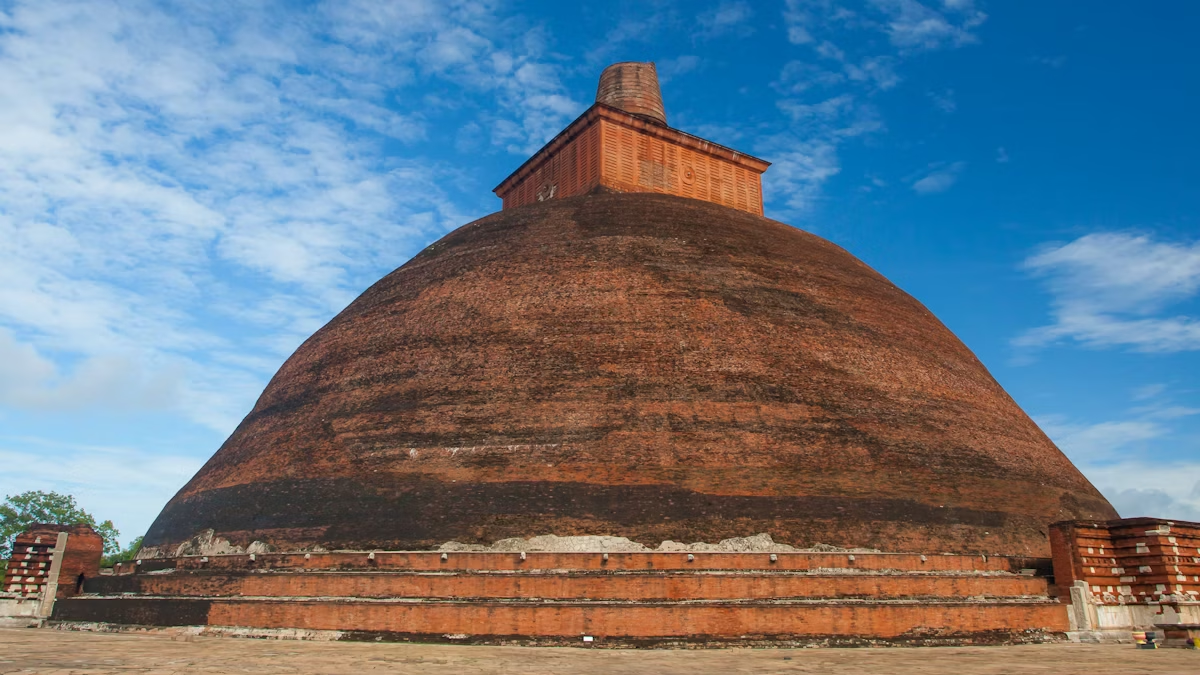
2. Archaeological Finds
Excavations around Pomparippu and nearby regions have uncovered:
- Ancient urn burials
- Iron Age settlements
- Evidence of trade and early agriculture
These findings suggest that Wilpattu’s villu system supported human life thousands of years before it became a national park.
3. Ancient Water Knowledge
Old communities in the region understood the villu cycles intimately, using them for seasonal farming, grazing, and water collection.
Their knowledge of rainfall patterns mirrors what ecologists study today.
Why Are the Villus Trending Now? The New Conservation Spotlight
Wilpattu’s villus are receiving fresh national attention because:
1. New Research on Hydrology and Wildlife
Recent ecological studies highlight how climate change affects villu water retention.
Shorter monsoons mean quicker drying periods, stressing both predators and prey.
2. Debates Over Human Activity
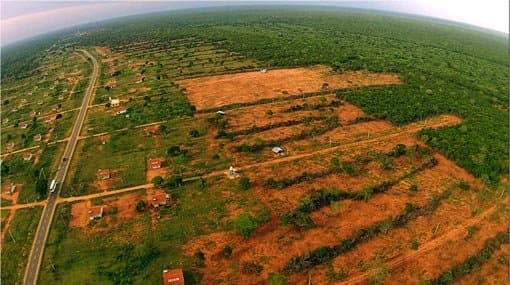
Deforestation, encroachment, and land-use issues around the park have sparked public conversations about protecting this delicate system.
Since villus depend only on rainfall, even small disruptions to the surrounding forest cover can destabilise them.
3. A Tourism Shift to “Slow Wildlife Travel”
Travellers today are seeking quieter, less commercialised experiences.
Wilpattu, with its long silences, dense forests, and dramatic water landscapes, fits the trend perfectly.
This combination of science, activism, and travel interest has placed the villu lakes back in the national discourse.
Click on here “The Ancient Water Systems of Sri Lanka: Why They Are Opening Up Again – And What They Reveal About Sigiriya and Beyond”
Inside a Villu: A Changing World Beneath the Water’s Surface
Each villu is home to a complete mini-ecosystem:
- Fish and amphibians that survive in fluctuating water levels
- Migratory birds such as painted storks, spoonbills, and egrets
- Crocodiles that shift between villus with astonishing precision
- Water plants that bloom after each monsoon, reviving the food chain
The villu’s shallow depth and sandy filtration create unusually clear water, which supports nutrient cycles unmatched in many wetlands.
But this fragility is also its weakness — a single failed monsoon can collapse the system temporarily.
Threats to Wilpattu’s Villu Network
1. Climate Variability
Inconsistent monsoon patterns mean villus fill later and dry earlier.
2. Deforestation on the Periphery
Even small-scale clearing affects groundwater and run-off, reducing water reaching the villus.
3. Illegal Access Roads
Past controversies involving land clearing and new roads created fragmentation and altered wildlife corridors.
4. Over-tourism Risk
If not managed well, increasing visitor numbers could disturb sensitive species that rely on the villu edges.
The Future of Wilpattu’s Water Maze
For Sri Lanka, Wilpattu is more than a tourist attraction.
The villus symbolise ecological intelligence — nature’s ability to create balance without rivers, tanks, or human engineering.
Preserving them means:
- Protecting forest cover
- Regulating movement around sensitive zones
- Studying long-term water cycles more closely
- Supporting community-led conservation
If done right, Wilpattu will remain one of the world’s most unique living water mazes, a rare blend of wilderness, myth, and natural design.
Conclusion: The Villu Lakes Are Wilpattu’s Beating Heart
The secrets of Wilpattu’s villu lakes lie not in their beauty alone, but in the silent work they do — shaping wildlife patterns, sustaining ancient landscapes, and reminding us of nature’s quiet genius.
As Sri Lanka reconnects with this storied park, the conversation is shifting from simple sightseeing to deeper appreciation and protection.
The villu maze, with all its mystery, is finally receiving the recognition it deserves.