Why Sri Lanka Is Perfect for the New Slow Travel Trend in 2026
In 2026, travel is moving away from rushed checklists and packed multi-stop itineraries. More travellers are choosing longer stays, fewer destinations, and more meaningful local experiences over the pressure to “see everything” in a few days. Travel trend coverage for 2026 consistently points toward trips built around depth, calm, overland journeys, wellness, and genuine connection to place rather than speed alone.
That shift makes Sri Lanka feel unusually well-timed. This is a country where a journey can still unfold through train windows, village roads, tea country mornings, coastal pauses, and conversations that happen naturally when you are not in a rush. While Tripping Sri Lanka already features adjacent themes like cycling for slow travel, spiritual journeys, quaint beach escapes, and slow-travel honeymoons, I did not find an article framed specifically around Sri Lanka as a perfect match for the 2026 slow travel movement itself.
Slow travel is not just a trend. It is a reaction.
The rise of slow travel says something important about how people feel now. Many travellers are tired of holidays that feel like admin. They are stepping back from itineraries packed with alarms, transfers, queues, and the pressure to collect destinations like trophies. In their place comes a different priority: staying longer, moving less, spending more intentionally, and actually feeling where you are. That is exactly why slow travel has become one of the clearest travel conversations going into 2026.
Sri Lanka fits that mindset naturally because the island is compact without feeling small. You do not need massive distances to feel a shift in mood, climate, cuisine, or scenery. Within one country, travellers can experience coastline, highlands, heritage towns, wildlife edges, sacred spaces, and rural life without constantly boarding flights or chasing exhausting connections. That creates the ideal conditions for travel that feels layered, unhurried, and emotionally memorable.
The island rewards travellers who stay longer
Sri Lanka is often marketed as a place where you can “do it all” quickly. But its real magic appears when you resist that urge. A longer stay in fewer places changes the experience completely. Instead of rushing from Colombo to Sigiriya to Ella to Yala to Galle in one breathless loop, slow travellers can choose just two or three bases and let each one reveal itself properly.
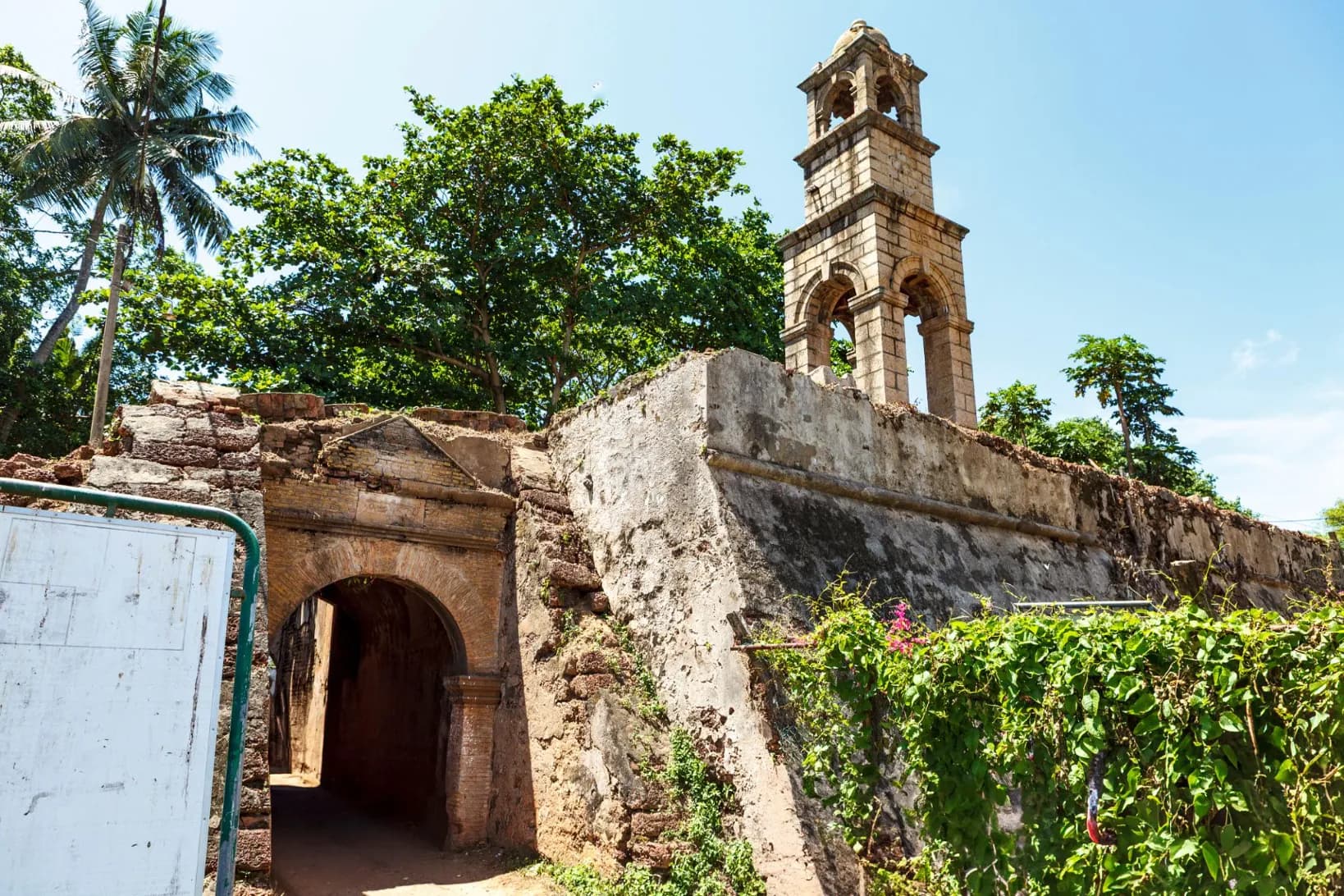
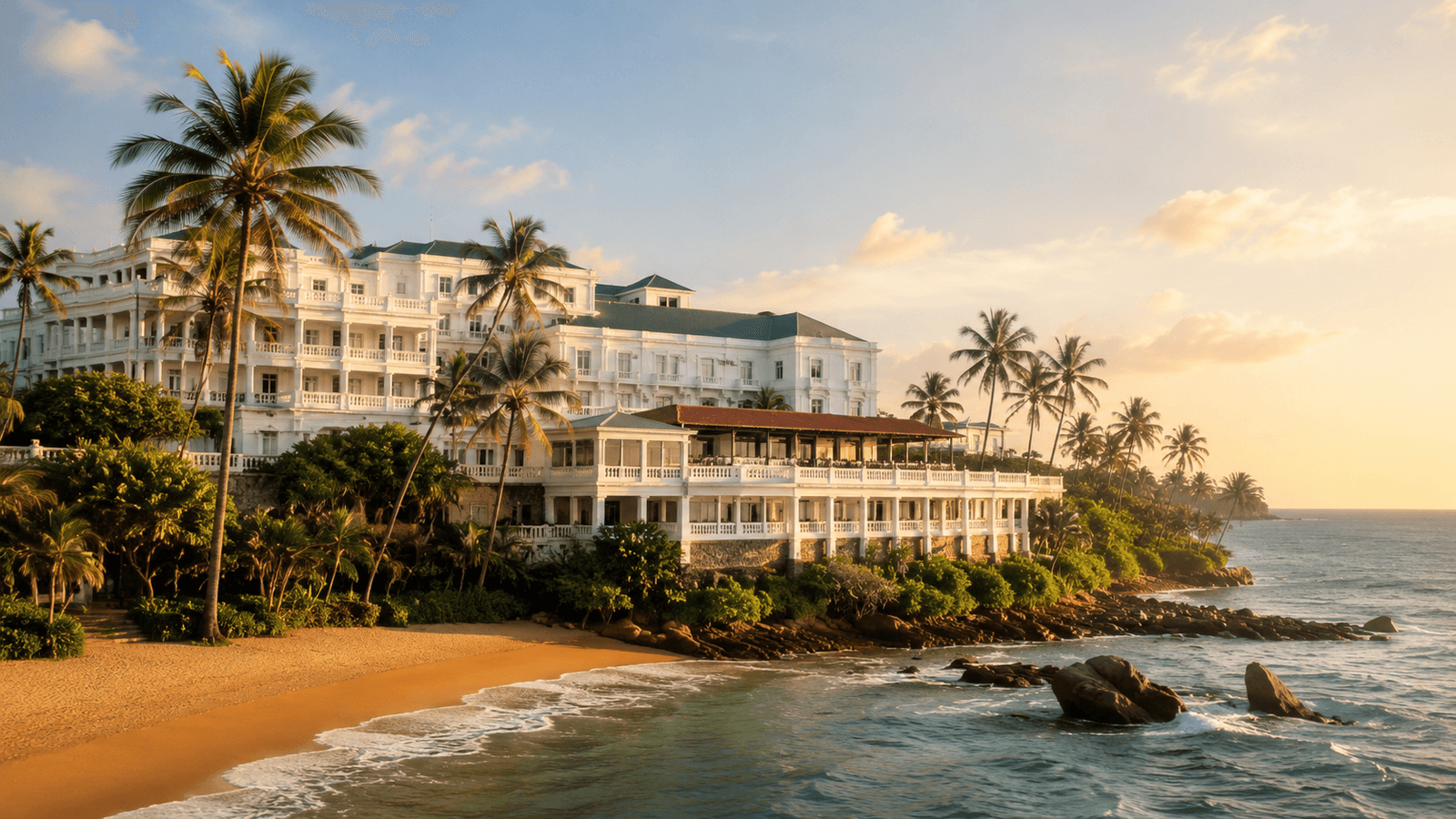
Stay in the hill country long enough and the landscape stops being just scenic. You begin to notice the rhythm of mist, rain, tea-plucker routes, station platforms, and quiet afternoon light. Spend extra days on the south coast and it stops being only about beaches. You notice fishing routines, temple sounds, roadside fruit stalls, sleepy cafés, and the difference between one bay and the next. In rural areas, an extra day often means the difference between observing local life and actually entering it. Slow travel turns places from backgrounds into experiences.
Local trains make the journey part of the destination
One reason Sri Lanka works so well for slow travel is its railway culture. In many destinations, transport feels purely functional. In Sri Lanka, trains often become part of the emotional core of the trip. The hill-country lines in particular invite travellers to watch forests, villages, bridges, fields, and changing weather unfold at a human pace. Travel trend reports for 2026 also show renewed interest in rail journeys and scenic overland travel, which makes Sri Lanka’s train experience especially relevant right now.
But the deeper value of the train is not only the view. It is the tempo. You cannot fully control the rhythm of a train journey, and that is part of the appeal. You sit longer. You notice more. You eat what is sold at the station. You share space. You watch schoolchildren, vendors, workers, families, and everyday life move around you. In a slow itinerary, the train is not lost time. It is lived time.
Village life offers what fast tourism cannot
Slow travel is closely tied to authenticity, community-based experiences, and meaningful connection. Sri Lanka’s village landscapes make this possible in a way many travellers now actively seek. Travel commentary for 2026 shows growing interest in culturally immersive stays and trips that slow down enough for visitors to connect with local communities rather than skimming past them.
Village life in Sri Lanka can mean many things: a morning near paddy fields, a homestay meal cooked with produce from the garden, time spent by a tank, a bicycle ride through small lanes, learning how a family lives, farms, cooks, prays, or marks the day. These are not always dramatic experiences, and that is the point. Slow travel values texture over spectacle. It looks for the ordinary moments that become unforgettable because they are real.
For many modern travellers, especially those burnt out by urban life, this kind of grounded experience feels more luxurious than a crowded schedule. Calm is no longer an afterthought. Calm has become part of the aspiration.
Sri Lanka’s best itineraries are calmer than people think
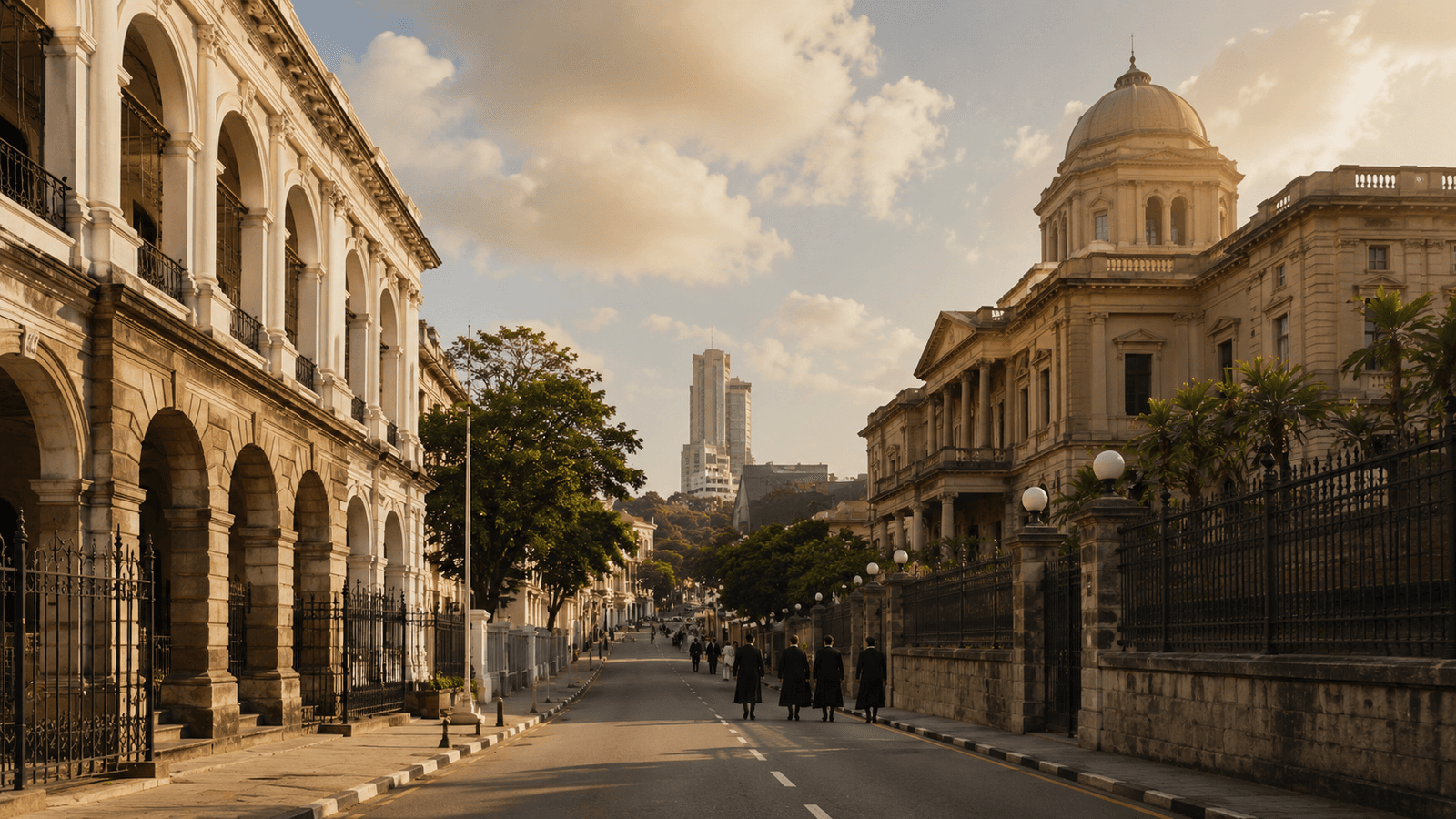
A slow itinerary in Sri Lanka does not mean doing nothing. It means doing less, better. Instead of five hotel check-ins in nine days, imagine a gentler structure: two nights in Colombo or Negombo to land softly, four nights in the hill country, then five nights in one coastal area. Or a cultural route built around one heritage base and one rural base rather than a nonstop triangle. Or a long south coast stay with day trips done selectively, not compulsively.
This is where Sri Lanka quietly excels. The island supports soft adventure, meaningful food experiences, temple visits, rail travel, craft encounters, nature walks, and beach rest within the same journey. It gives travellers enough variety to stay interested, but enough intimacy to stay grounded. That balance is rare.
It matches the wellness and meaningful travel mood of 2026
Another reason Sri Lanka aligns with slow travel is that the wider travel mood in 2026 is not just about moving slowly. It is also about feeling better while travelling. Trend coverage points to wellness, meaningful experiences, skill-based travel, and emotionally restorative trips as key themes shaping how people plan journeys now.
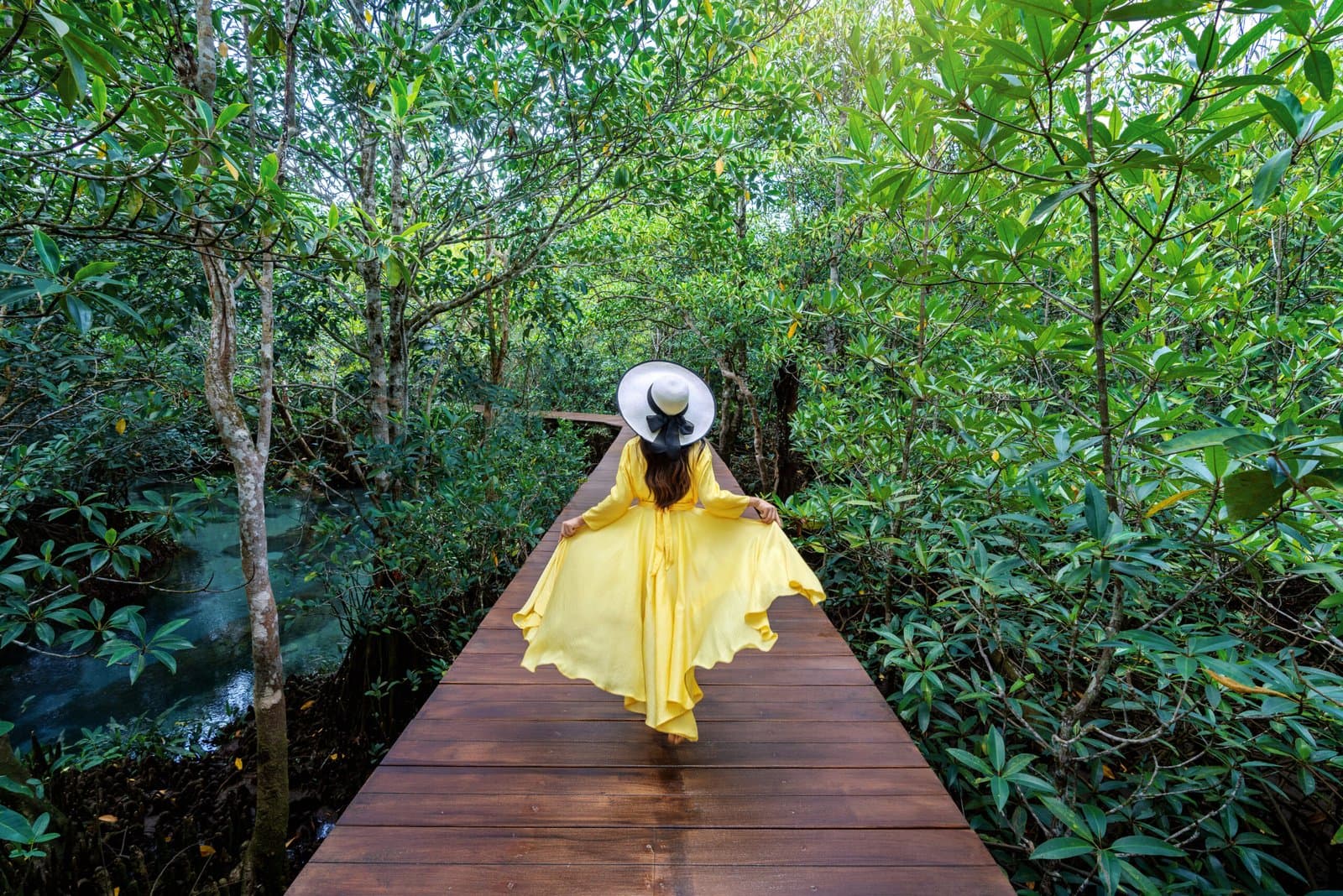
Sri Lanka naturally complements that mindset. Ayurveda, ocean air, mountain quiet, fresh food, spiritual sites, slower mornings, and warm hospitality all lend themselves to travel that feels restorative rather than draining. Even when travellers are active, the island often encourages a softer pace. A walk through a tea estate, an evening by a lagoon, a temple at sunrise, or a train ride through cloud-covered hills all deliver something fast tourism cannot: space to absorb the experience instead of racing through it.
A country that still allows discovery
One of the biggest strengths Sri Lanka has in the era of slow travel is that it can still feel personal. There are places on the island where travellers can pause without feeling swallowed by overtourism. Sri Lanka’s tourism sector has also been looking at future travel trends with an eye on authenticity, quieter experiences, and learning from destinations that are already under pressure from overtourism.
That matters. The future of travel is not just about where people go. It is about how they move through a place, how much they take from it, and what kind of relationship they create with it. Sri Lanka offers the possibility of travel that is scenic, soulful, and still human in scale.
Why Sri Lanka may be one of the best slow travel destinations of 2026
In a world of overstimulating itineraries, Sri Lanka offers a different kind of richness. It rewards patience. It rewards presence. It rewards travellers who choose fewer stops and deeper days. The trains are slower. The village roads are quieter. The best moments are often unscripted. And the country’s variety means a calm itinerary never has to feel empty.
That is why Sri Lanka is perfectly placed for the new slow travel trend in 2026. Not because it is trying to reinvent itself around a buzzword, but because the island has always been at its best when experienced gently. Longer stays, local trains, village life, and meaningful travel are not forced ideas here. They already belong.
For travellers who want more than a rushed holiday, Sri Lanka does not just fit the slow travel trend. It may be one of the places that explains why the trend matters in the first place.