Sri Lankan Festival Food Through December: From Kavum to Homemade Achcharu
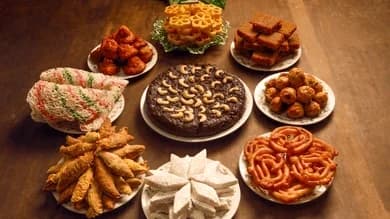
December in Sri Lanka is a season of contrasts. Streets glitter with Christmas lights while homes prepare for both festive parties and traditional year-end gatherings. Food becomes the centrepiece of every celebration—bridging cultures, religions, and regions across the island. From the sweetness of oil cakes like kavum and kokis to the tangy punch of homemade achcharu, December is a month where Sri Lankan kitchens come alive with colour, smell, and nostalgia.
This is a month where heritage and modern flavours merge beautifully. Some dishes travel from centuries-old village rituals, while others reflect the island’s evolving urban food culture. What unites all of them is the unmistakable joy of togetherness—eating, sharing, gifting, and celebrating.
A Season Built on Food and Memory
Food in December is more than something enjoyed; it’s something remembered. Every household has its own stories:
- The grandmother who still fries kavum on an iron pan,
- The neighbour who brings over kokis with perfect crisp,
- The cousin who shows up with an entire tub of mango achcharu,
- The family friend famous for their roast chicken at Christmas.
These foods become cultural anchors—reminding Sri Lankans at home and abroad of comfort, identity, and belonging.
The Sweet Icons: Kavum, Kokis and Kawum Varieties
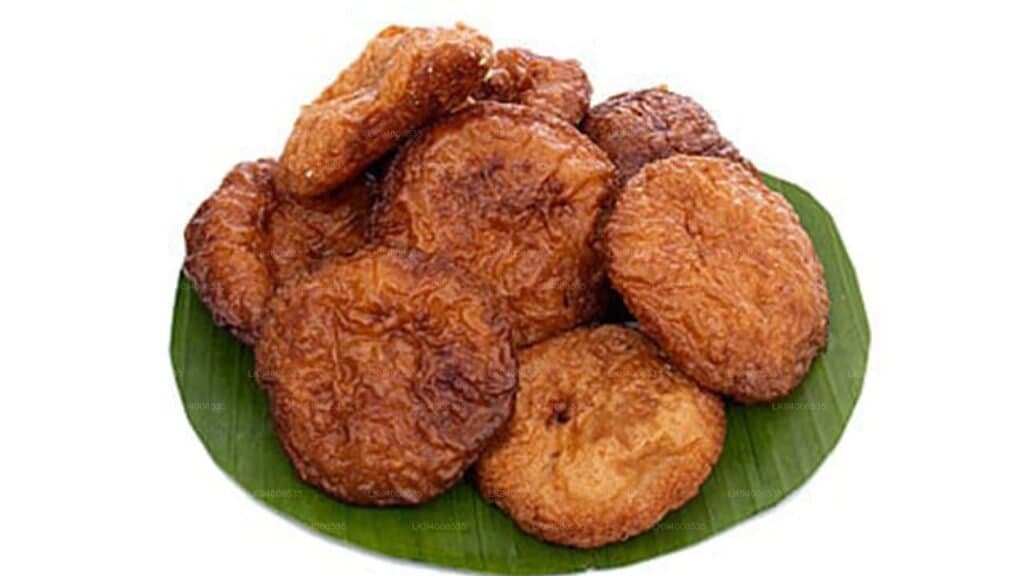
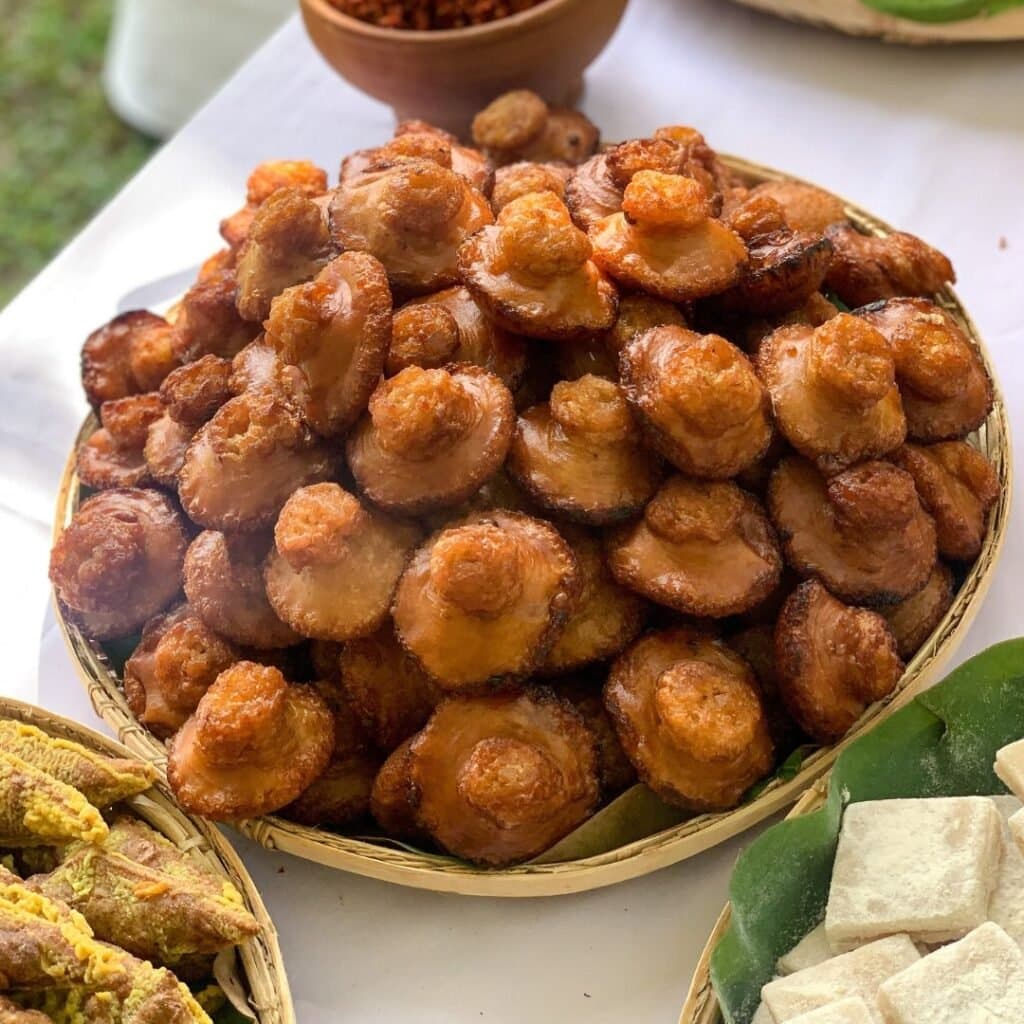
Even though kavum and kokis are traditionally known as Avurudu sweets, December brings its own wave of demand. Many households prepare them as part of year-end gift boxes, temple offerings, or simple feel-good treats.
Kavum: The Oil Cake That Defines Sri Lankan Heritage
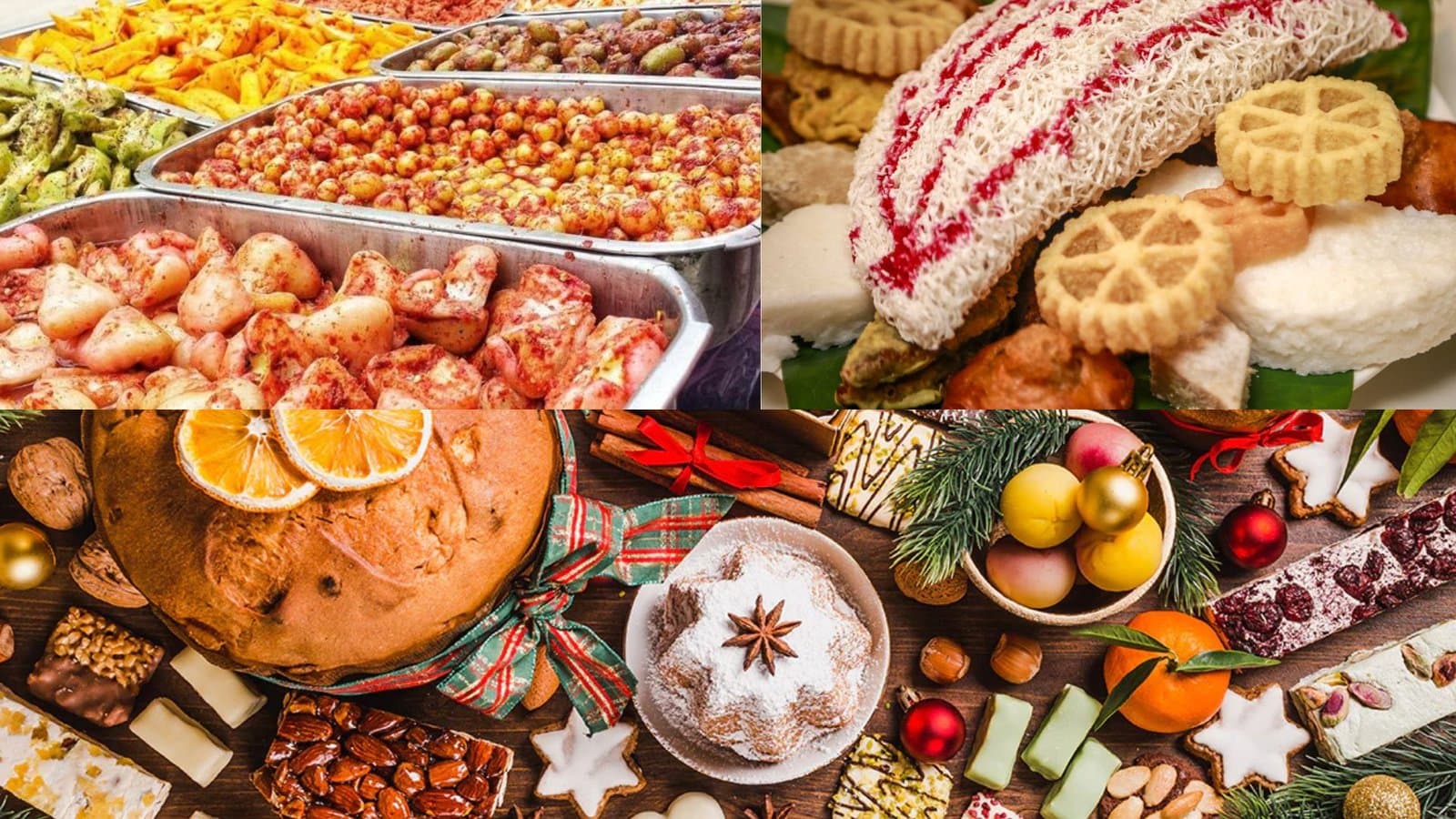
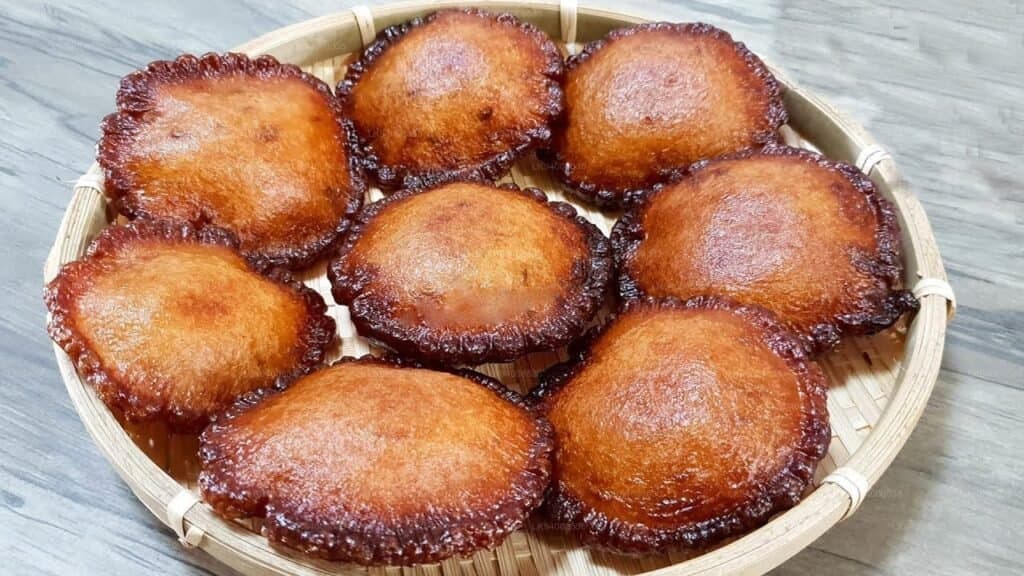
Kavum—especially mung kavum and naran kavum—carry a deep cultural identity. Made with rice flour, treacle, and green gram paste, they symbolise abundance and celebration. The deep-fried aroma fills homes, especially in rural areas where families gather to fry them in batches.
Kokis: The Crunch of Festive Mornings
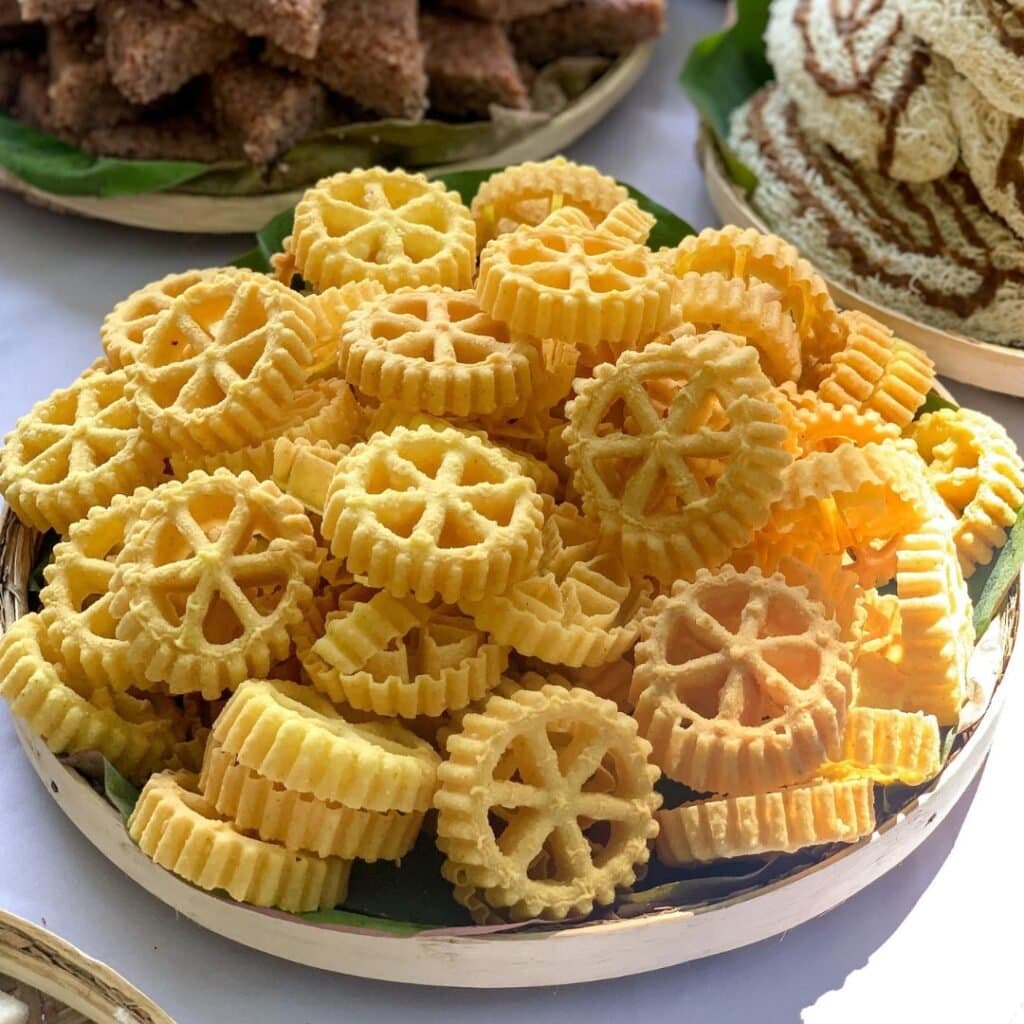
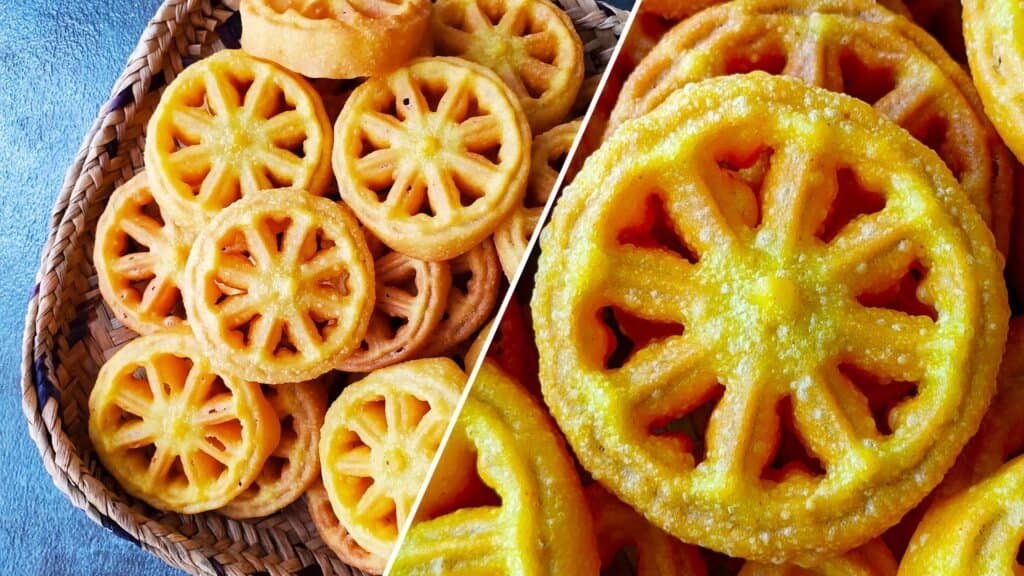
Kokis, though introduced centuries ago by the Dutch, has become ingrained in Sri Lankan tradition. The mould, the batter consistency, and the perfect golden shade are all small arts learned over time. In December, kokis often appears on mixed sweet plates or alongside milk tea during family gatherings.
Bibikkan: The Undisputed Star of Sri Lankan Christmas
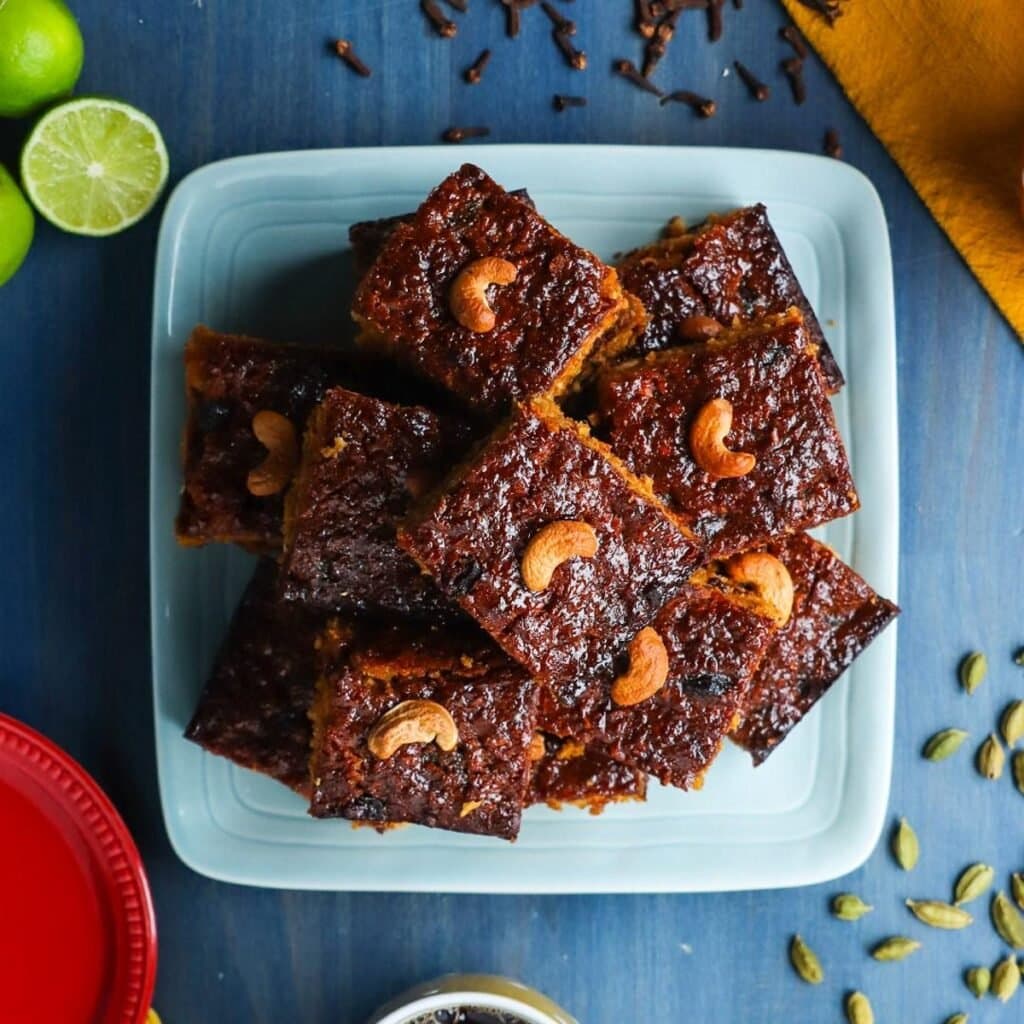
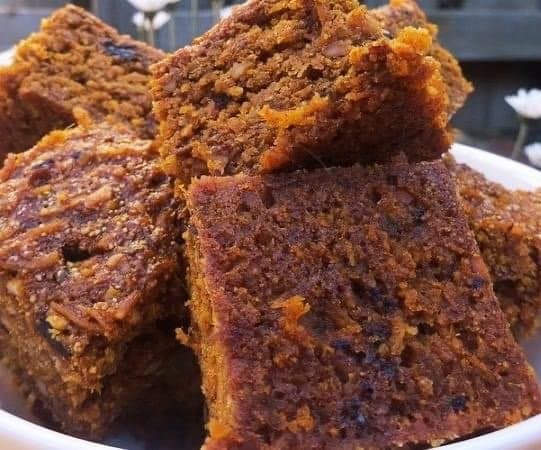
Bibikkan—also called Sri Lankan dark Christmas cake—brings together coconut, jaggery, ginger, cardamom, and semolina into a dense, aromatic slab. Known mostly in Colombo and coastal areas, bibikkan is an absolute December classic. No Christmas table feels complete without it.
Click on here “Tea Trails Beyond Tourism: How Climate Change is Rewriting the Future of Ceylon Tea”
December Savouries: Short-Eats, Rolls, Patties and Roast Chicken
While sweets dominate, savouries do not stay far behind.
Short-Eats for Every Gathering
Every party, office event, family lunch, or school break-up day plate includes the sacred trinity of Sri Lankan short-eats:
- Chicken rolls
- Fish patties
- Cutlets
Their familiar taste holds childhood memories—bite-sized comfort, always satisfying and always festive.
Roast Chicken and Buriyani: The December Family Classics
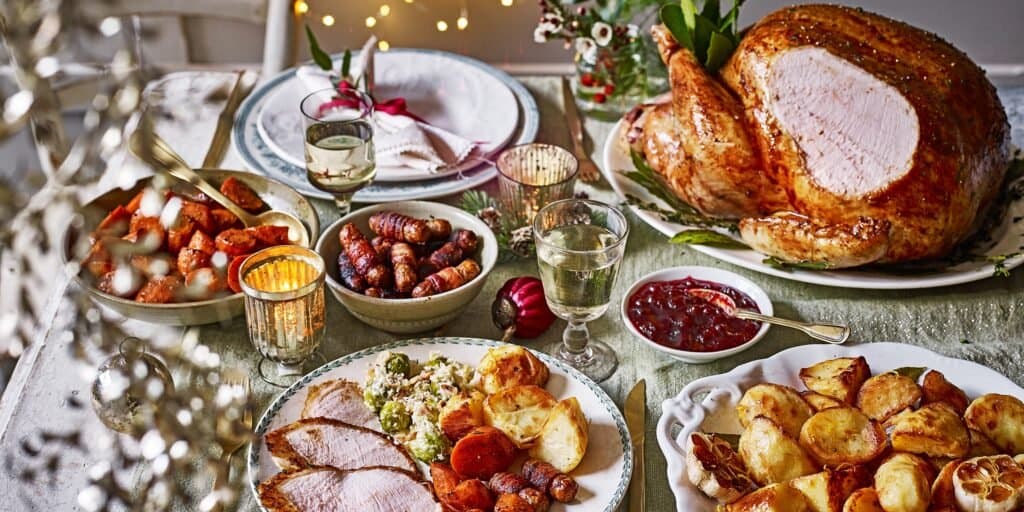
Sri Lankan Christmas meals often blend Western traditions with island flavours:
- Spiced roast chicken with gravy
- Yellow rice or buriyani
- Malay pickle
- Cashew curry
These dishes showcase the multicultural fabric of Sri Lanka—Portuguese, Malay, Muslim, Sinhala, and Burgher influences blending into a uniquely Sri Lankan festive table.
The Return of Homemade Achcharu
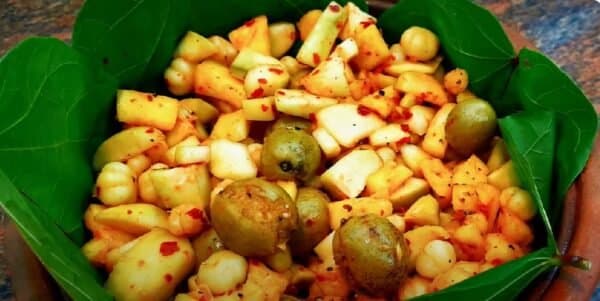
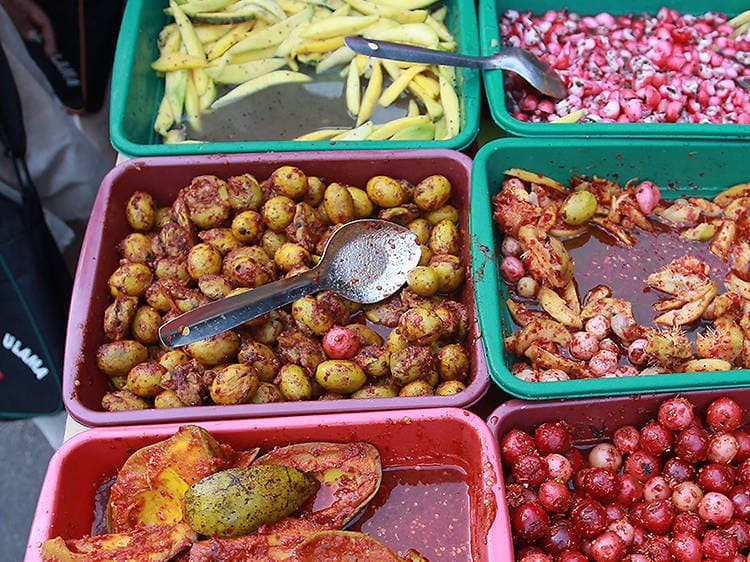
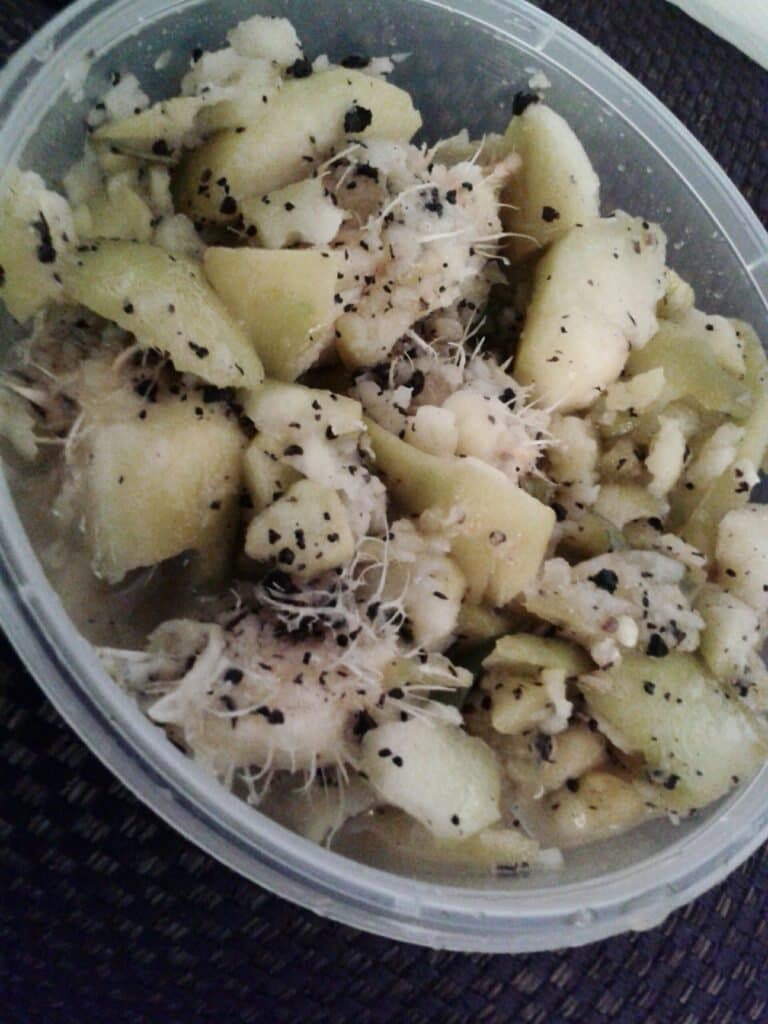
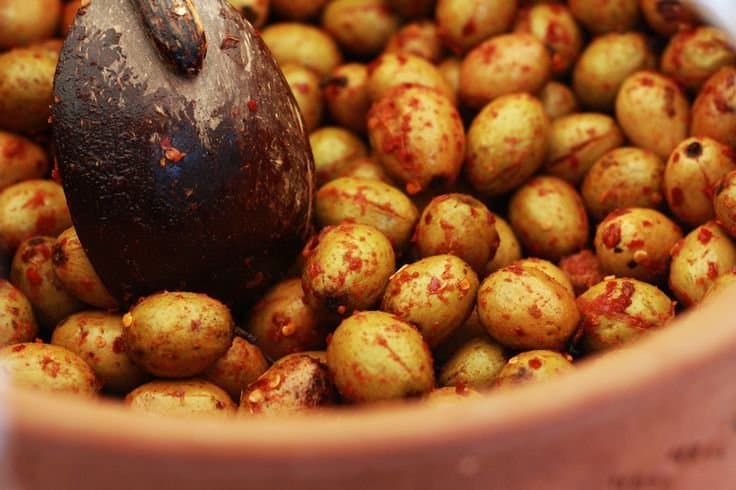
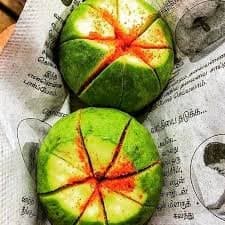
December is also the unofficial achcharu season. With schools closing and holidays beginning, achcharu becomes the snack of the month.
Mango Achcharu: The King of Tangy Treats
Green mango, chilli flakes, sugar, vinegar, mustard seeds, garlic—nothing captures Sri Lankan flavour quite like this mix. Mango achcharu appears everywhere from home kitchens to beach outings to New Year fireworks gatherings.
Pineapple Achcharu: A Sweet-Hot Favourite
Often served with roast chicken or enjoyed on its own, pineapple achcharu offers the perfect balance of tropical sweetness and spice.
Karawala Achcharu: A Coastal Signature
Though not as mainstream, dried fish achcharu is a December speciality in southern and eastern coastal homes. Sharp, salty, fiery—this dish pairs beautifully with rice during year-end lunches.
Homemade achcharu has also made a comeback on social media, with young creators adding twists like chilli-salt, passionfruit achcharu, and even achcharu mocktails.
Gifts, Hampers and the New Festive Food Economy
December has transformed traditional foods into a booming small-business opportunity.
Handmade Food Hampers
Many home bakers and food creators now sell:
- Kavum and kokis gift sets
- Bibikkan loaves
- Handmade jam, chutney and pickles
- Artisan roast chicken boxes
- Achcharu jars with customised labels
These reflect a new “support local” trend that began during the pandemic and continues through each festive season.
Fusion and Modern Twists
Urban café culture and Instagram trends have created fresh interpretations:
- Kavum cheesecake bites
- Kokis with chocolate drizzle
- Bibikkan brownies
- Spicy mango achcharu margaritas
- Buriyani-stuffed buns
- Roast chicken tacos with pol sambol
Sri Lankan flavours are evolving while still respecting tradition.
A Month of Togetherness, Tables and Tradition
December brings Sri Lankan families together in ways few other months can.
Kitchens stay busy not because they must, but because people enjoy cooking for one another. Food becomes the way to say:
“I remembered you.”
“Come over.”
“Let’s celebrate.”
“Let’s end the year on a sweet note.”
From kavum fried in warm kitchens to jars of achcharu exchanged among friends, the spirit of the season remains unmistakably Sri Lankan—warm, generous, full of flavour, and deeply rooted in community.
Why These Foods Matter More Than Ever
In a fast-changing world, traditional foods help preserve identity. They honour:
- Local ingredients
- Generational recipes
- Community values
- Shared memories
Whether it’s Christmas, year-end gatherings, office parties, or simple family dinners, Sri Lankan festival food keeps the spirit of connection alive. December’s dishes remind us of the island’s unmatched ability to celebrate diversity through a single table.
Conclusion
Sri Lankan festival food through December is not just about kavum or achcharu—it’s about storytelling. Each dish carries history, intention, and joy. Whether sweet, spicy, crispy, or tangy, these foods capture the essence of who we are as a nation.
As the year ends and festivities rise, these flavours continue to bind Sri Lankan families with love, tradition, and unforgettable taste.