Sri Lankan Sweetmeats with Flavours from the World
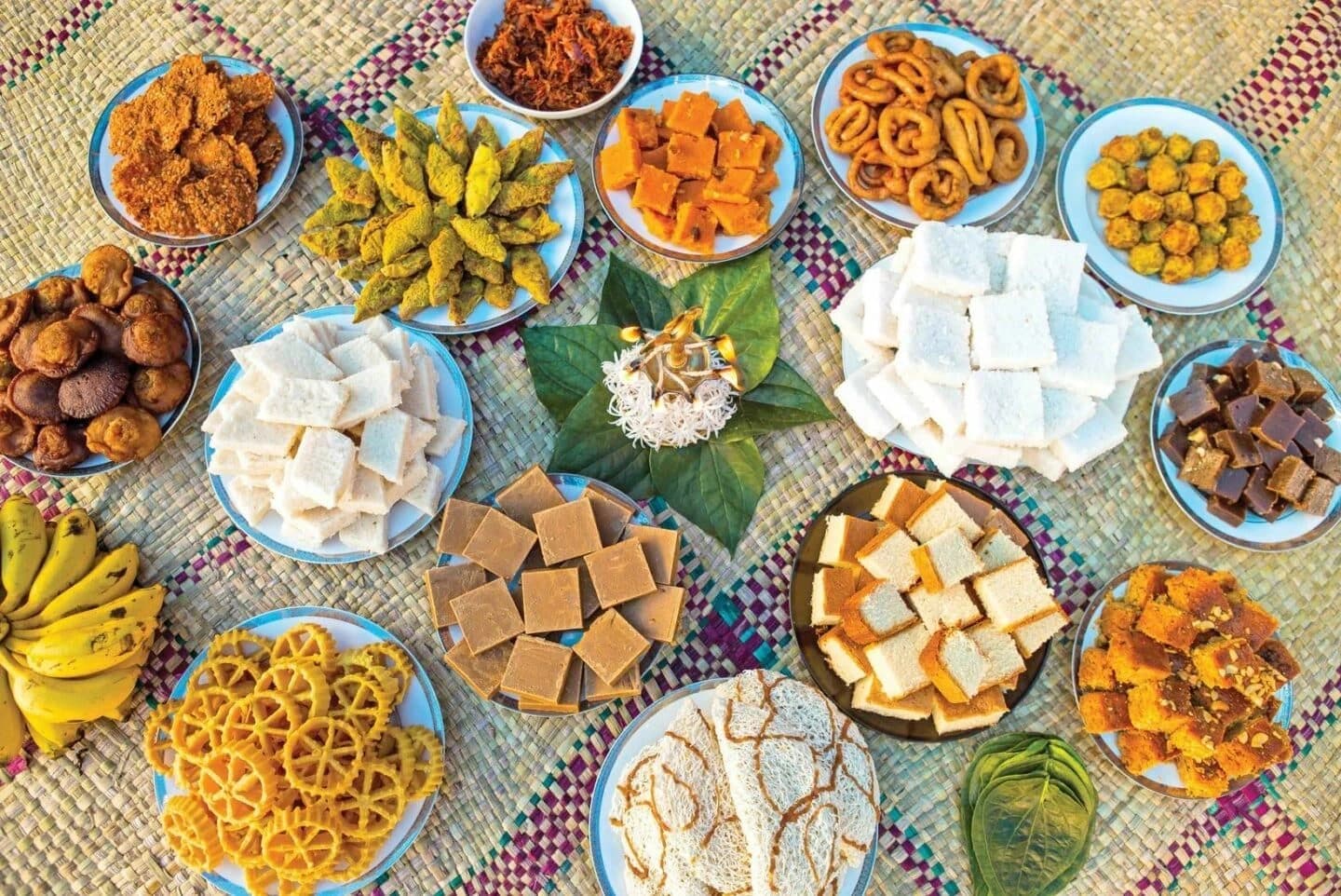
Sri Lanka’s sweetmeats hold a special place in the nation’s culinary identity. From kavum to kokis, aluwa to aggala, these traditional delicacies are deeply woven into the fabric of celebrations, rituals, and family gatherings. Yet, while they remain timeless, today’s global palate is influencing how Sri Lankans reinterpret their favourites. The result is a vibrant fusion: classic sweetmeats enriched with flavours, ingredients, and techniques borrowed from around the world.
This new wave of culinary creativity has given rise to fresh combinations—authentic at their core, adventurous in spirit. It’s a delicious evolution that respects heritage while embracing inspiration from afar. Here’s a deep dive into how Sri Lankan sweetmeats are being reimagined with international flavours, giving them fresh relevance in modern kitchens.
The Foundation: A Tradition Rooted in Taste and Meaning
To understand the fusion trend, it’s important to appreciate the legacy of Sri Lankan sweetmeats.
These treats were originally crafted with locally available ingredients: rice flour, kithul treacle, coconut, jaggery, gram flour, spices like cardamom and cloves. They symbolised abundance, prosperity, and cultural pride. Sweetmeats were once labour-intensive creations prepared by mothers, grandmothers, and community elders—recipes passed from one generation to the next without written measurement, guided purely by instinct.
But as global flavours infiltrated home kitchens, especially through travel, migration, and digital exposure, the canvas of Sri Lankan sweetmaking expanded. Today’s creators—from home bakers to boutique confectioners—are experimenting with the familiar forms of traditional sweets while giving them unexpected twists.
When Heritage Meets Global Influence
Fusion sweetmeats are not about replacing tradition; they are about enhancing it. They maintain the core essence of local favourites but layer them with flavours drawn from different culinary cultures—European, Middle Eastern, Asian, and even Latin American.
Each adaptation introduces new textures, colours, aromas, and taste profiles while preserving what makes Sri Lankan sweets truly Sri Lankan.
Below are some of the most exciting examples that illustrate how sweetmakers across the island are reinventing beloved classics.
Click on here “SUNRISE AT ELLA, SUNSET AT GALLE: EXPERIENCING SRI LANKA’S MOST MAGICAL MOMENTS”
1. Chocolate Kokis – A Sri Lankan-European Affair
Kokis—crispy, flower-shaped delights—have always been a favourite during Sinhala and Tamil New Year. Their mild sweetness and delicate crunch make them a perfect base for experimentation.
European-style chocolate glazing and fillings have transformed kokis into modern treats that appeal to younger generations. Dark chocolate-dipped kokis with a sprinkle of sea salt create a flavour contrast that elevates the simplicity of the original. White chocolate versions add creamy sweetness, and for a more global twist, some incorporate matcha, mocha, or ruby chocolate.
The key to their popularity lies in balance: the kokis retains its traditional crunch, while the cocoa elements introduce richness and indulgence.
2. Kithul-Treacle Crêpes – Sri Lanka Meets France
Pani walalu and kithul pani have long defined Sri Lankan sweetness. Pairing kithul with French-style crêpes has become a favourite at boutique cafés and home brunch tables.
Thin, buttery crêpes filled with grated coconut simmered in kithul treacle blend two worlds harmoniously. The earthy, deep sweetness of kithul complements the softness of the crêpe, creating a refined dessert with comforting familiarity.
Some variations add bananas flambéed in rum, a sprinkle of toasted nuts, or even mascarpone cream for extra indulgence.
3. Cardamom-Spiced Brigadeiros – Sri Lankan-Brazilian Fusion
Brigadeiros, Brazil’s iconic chocolate truffles, are traditionally made with condensed milk and cocoa. When infused with Sri Lankan spices such as cardamom, nutmeg, and cloves—or even flavoured with kithul syrup—they transform into something beautifully unique.
These truffles are small, rich, and intensely aromatic. The spices introduce a warmth that makes this Brazilian favourite feel surprisingly close to home. Rolled in toasted coconut or crushed cashews, they become a fusion sweet that merges two tropical cultures seamlessly.
4. Matcha Aluwa – Sri Lankan-Japanese Artistry
Aluwa, a simple confection of rice flour and sugar or jaggery, is known for its subtle, melt-in-the-mouth texture. Matcha—Japanese powdered green tea—adds an earthy bitterness that complements the sweetness perfectly.
Matcha aluwa not only tastes distinct but also offers a striking green tone that enhances festive platters. The Japanese influence adds refinement, while the Sri Lankan base keeps the sweet timeless.
Some versions even combine matcha with white chocolate or roasted sesame for a more layered flavour profile.
5. Turkish Delight Watalappan – Middle Eastern Notes on a Classic
Watalappan is already a blend of influences, rooted in Malay heritage and Sri Lankan identity. Its silky coconut-custard richness lends itself beautifully to reinterpretation.
The Turkish twist involves incorporating rosewater, pistachios, and even pomegranate syrup. The result is a fragrant, floral variation that softens the intensity of the original while introducing Middle Eastern charm.
Another version swaps jaggery for date syrup—a nod to Arabian cuisine—creating a deeper, fruitier sweetness.
6. Mexican Spiced Kevum – A Bold Global Fusion
Kevum (oil cakes) have a distinct flavour built on rice flour and kithul treacle. Adding Mexican chilli chocolate elements brings a bold new character to this age-old sweet.
Some fusion versions incorporate a hint of cinnamon and smoked chilli in the batter or drizzle spiced chocolate over freshly fried kevum. The interplay of spice and sweetness mirrors classic Latin American desserts while preserving the kevum’s traditional structure.
This is fusion at its most daring, yet surprisingly harmonious.
Why Fusion Works: A New Generation of Sweetmaking
The growing interest in fusion sweetmeats stems from several cultural shifts:
1. Evolving Palates
Younger Sri Lankans are exposed to global cuisines earlier and more frequently. They crave variety and novelty, even in their local food traditions.
2. Creative Home Baking Culture
Social media platforms, especially Instagram and TikTok, have encouraged experimentation, presentation, and innovation.
3. Café and Boutique Bakery Influence
Contemporary cafés across Colombo, Kandy, Galle, and Jaffna include reimagined local sweets to appeal to both locals and tourists.
4. Diaspora Impact
Sri Lankans living abroad merge their childhood favourites with flavours from their adopted countries, bringing new ideas back home.
Balancing Authenticity and Innovation
Fusion is exciting, but it succeeds best when respect for tradition is preserved.
Creators must retain the fundamental essence—texture, technique, key ingredients—while layering in flavours thoughtfully. When the final result still reminds you of its Sri Lankan roots, even beneath the international influence, the fusion feels natural instead of forced.
The beauty of Sri Lankan sweetmaking lies in its emotional connection. It’s not just taste—it’s memory, ritual, and shared identity. Fusion enhances this emotional value by introducing new opportunities for storytelling and creativity.
The Future of Sri Lankan Sweetmeats
We are entering a culinary era where tradition is not replaced but reimagined. The next decade may bring even more combinations:
- Tiramisu kokis with kithul espresso syrup
- Ube-infused kalu dodol inspired by Filipino flavours
- Saffron and pistachio aggala influenced by Persian desserts
- Coconut rum bibikkan blending Caribbean flair with Sri Lankan heritage
As long as the essence of Sri Lankan craftsmanship remains intact, these global inspirations will only enrich the country’s culinary heritage.
Final Thoughts
Sri Lankan sweetmeats have always been tied to history, family, and celebration. Introducing global flavours does not dilute this identity—it expands it. Each fusion creation becomes a reflection of Sri Lanka’s evolving cultural tapestry: open, curious, vibrant, and proud of its roots.
Whether dipped in chocolate, infused with spice, or inspired by faraway cuisines, these reinvented sweetmeats celebrate a beautiful truth: food evolves, but heritage remains.
Click on here “A HIKE FOR EVERYONE: THE 300KM TRAIL HIGHLIGHTING SRI LANKA’S TEA LEGACY”