
Surfing for Beginners in Nilaveli: Why It’s Sri Lanka’s Most Underrated Surf Spot
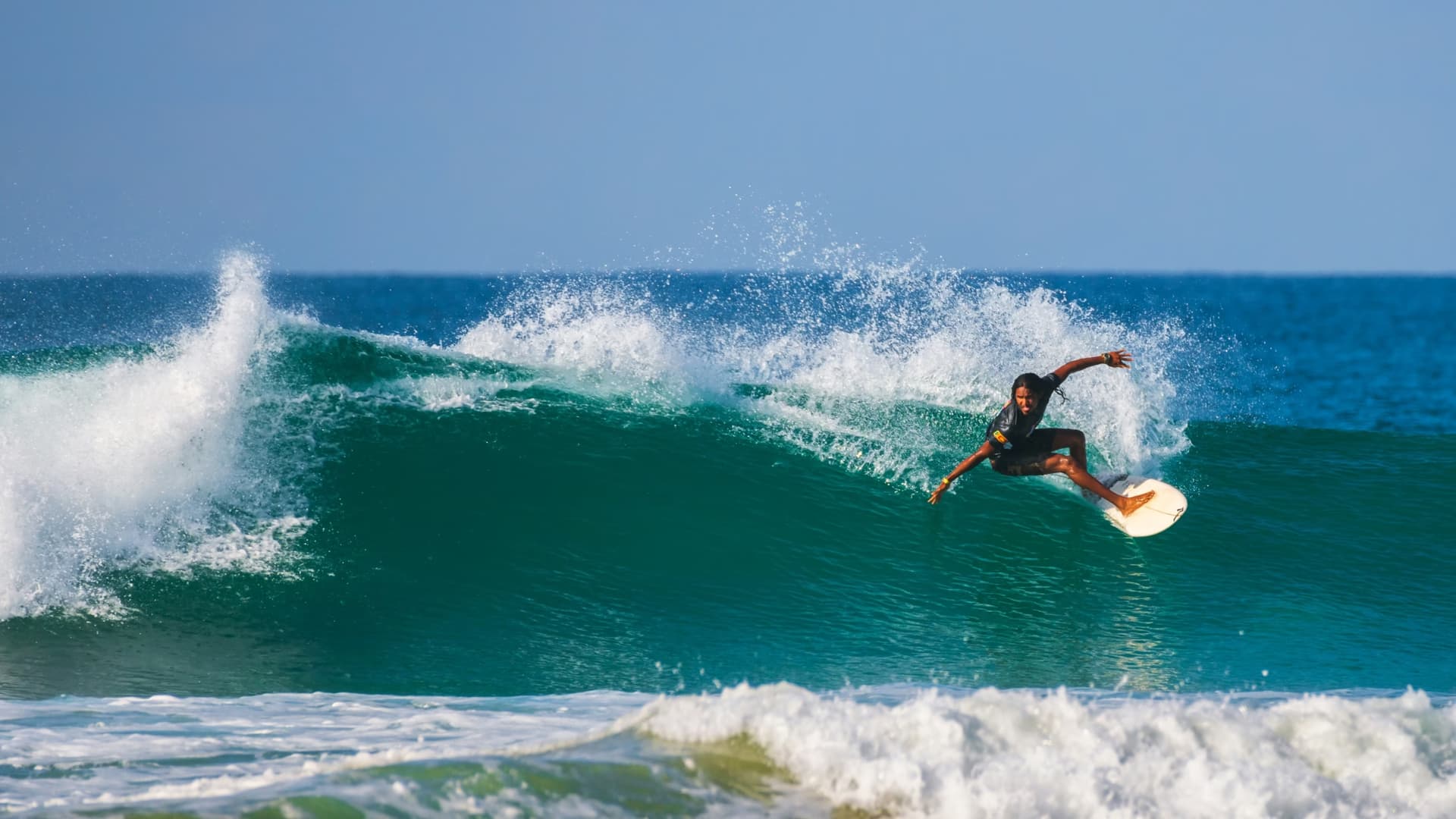
Nilaveli is usually known for its postcard-perfect coastline, gentle blue waters, and laid-back holiday atmosphere. Travellers visit for snorkelling at Pigeon Island, dolphin watching, and its famously uncrowded beaches. Yet very few know that this quiet stretch of the East Coast is also one of Sri Lanka’s most beginner-friendly surf zones.
While destinations like Arugam Bay, Weligama, and Hiriketiya dominate the conversation, Nilaveli quietly offers something rare: calm, forgiving waves, minimal crowds, and a setting perfect for first-timers who want to learn without pressure. Its surf scene hasn’t exploded—yet—which makes now the ideal moment to experience it before it becomes mainstream.
This guide breaks down why Nilaveli is a hidden gem for beginner surfers, what conditions make it ideal, the best months to learn, types of waves you’ll encounter, safety tips, and everything you need to plan your first surfing experience here.
Why Nilaveli Is Underrated Compared to Sri Lanka’s Popular Surf Spots
When travellers think of surfing in Sri Lanka, their minds usually jump to the southern and southeastern hotspots. These regions are heavily marketed, host big competitions, and have bustling surf schools lining the sand. Nilaveli, by contrast, has remained quietly confident—offering the same beauty but without the intensity.
The reasons it stays underrated are simple:
- It’s not traditionally known as a surf town.
- The East Coast only became consistently accessible and tourist-friendly in recent years.
- Surf culture here is young compared to the south’s established scene.
- Nilaveli’s calm waters make it seem more like a swimming beach than a surfing destination.
Yet these are exactly the reasons why beginners fall in love with it. Nilaveli gives learners what so many other places can’t—space, comfort, and consistency.
Wave Conditions: Gentle, Predictable, and Beginner-Safe
If you’re learning to surf, wave quality matters more than anything else. Nilaveli’s wave profile is uniquely suitable for first-timers.
1. Slow-breaking waves
Nilaveli’s waves don’t crash down suddenly. They rise slowly, break softly, and give beginners enough time to stand up and balance. This reduces fear and increases confidence.
2. Long, soft whitewater
Whitewater—the foamy part after a wave breaks—is perfect for practising pop-ups and balance. Nilaveli’s whitewater stretches long, allowing more time per ride.
3. Sandy bottom (no reef)
Many Sri Lankan surf beaches have reef breaks. Nilaveli, however, has a clean sandy seabed, lowering the risk of injuries and making wipeouts harmless.
4. Low wind in the morning
Early mornings bring smooth surf with minimal chop. This is ideal for learning techniques without battling rough conditions.
5. Consistent swell patterns in season
From May to September, the East Coast receives a steady stream of manageable swells, creating dependable practice conditions.
These characteristics mean you’re not fighting the ocean—you’re learning with it.
Best Time of Year for Beginner Surfing in Nilaveli
Nilaveli follows East Coast surf patterns, which are opposite to the south.
Peak season: May to September
During these months:
- Swells are friendly.
- The sea is calm but energetic enough for surfing.
- Visibility and weather are excellent.
Shoulder seasons
- April can offer transitional waves—gentle and warm.
- October sometimes sees the last workable swells before the monsoon shifts.
Avoid November–March
This period brings rough seas, unpredictable weather, and limited surf instruction. It’s better to surf in Weligama or Hikkaduwa during these months.
Who Should Learn Surfing in Nilaveli?
Nilaveli is ideal for:
- Complete beginners
- First-timers who fear big waves
- Kids and teens
- Travellers who want to learn privately without crowds
- Surfers who prefer calm, relaxed environments
- Families looking for safe introduction sessions
Because the waters are shallow for long distances, even weak swimmers can learn with proper guidance and life jackets.
Surf Schools and Instructors: What to Expect
Nilaveli is still building its surf identity, so you won’t find dozens of competing surf schools like in Weligama. But the few that operate here focus heavily on quality over quantity.
Expect:
- One-on-one or small-group lessons
- ISA-certified or locally trained instructors
- Safety briefings before entering the water
- Beginner-friendly soft-top boards
- Instruction on balance, paddling, and pop-ups on the beach before practising in water
Because beaches are not crowded, instructors can give you more personal attention—something rare in the south, where surf lessons often happen shoulder-to-shoulder with other groups.
The Beginner Surfing Experience: Step-By-Step
Here’s what a typical first-timer would experience in Nilaveli.
1. Land training (10–15 minutes)
You learn:
- Board positioning
- Correct paddling form
- Pop-up technique
- How to fall safely
2. Water entry and warm-up
Instructors guide you to waist-deep water, where you practise paddling into gentle waves.
3. Riding the whitewater
Your instructor may help push your board into a wave until you get the feel of timing.
4. First stand-up attempts
Nilaveli’s soft waves make this part less intimidating. Even if you fall, the sandy bottom ensures safety.
5. Building consistency
Within 1–2 hours, many beginners manage multiple clean rides.
6. Cool-down and feedback
Instructors analyse mistakes and give tips for next sessions.
Most learners say they felt unusually relaxed compared to other surf spots—no pressure, no rush, and no competitive crowd around.
Comparing Nilaveli with Other Beginner-Friendly Surf Spots
Nilaveli vs. Weligama
- Nilaveli: Uncrowded, gentle waves, quiet environment
- Weligama: Excellent surf but extremely crowded during peak season
Nilaveli vs. Hiriketiya
- Nilaveli: Beginner-focused, wide sandy bay
- Hiriketiya: Compact bay; beginners and advanced surfers often collide
Nilaveli vs. Arugam Bay
- Nilaveli: Soft and slow, perfect for pop-ups
- Arugam Bay: Powerful waves, better for intermediate/advanced surfers
If your priority is a calm, supportive atmosphere, Nilaveli wins.
Why Beginners Improve Faster in Nilaveli
Nilaveli has a learning advantage: fewer distractions and less stress. Beginners often pick up skills 30–40% faster because they feel safe in the water.
1. Low crowd pressure
You’re not worried about bumping into others.
2. More time on the board
Longer rides equal faster improvement.
3. Personalised instruction
Smaller surf schools mean more focused training.
4. Minimal wave anxiety
Slow, controlled waves help you build technique—not just survive waves.
5. Peaceful environment
Calm surroundings reduce mental pressure and boost confidence.
Beach Conditions and Safety: What Beginners Need to Know
Safety is one of Nilaveli’s strongest selling points.
Shallow entry
You can walk far before the water becomes deep.
No dangerous rip currents in main beginner zones
While any ocean can have currents, Nilaveli’s prime surf stretch has stable conditions during season.
Wide shoreline
Plenty of room for boards, warm-ups, and safe entry.
Clean sea with high visibility
This makes positioning and orientation easier.
Local lifeguards
During peak months, lifeguards patrol popular sections.
Still, always listen to your instructor—conditions can shift during monsoon transition periods.
Click on here “Kalpitiya Lagoon Mornings: A Close Look at Fishermen, Dolphins, and Salt Winds”
Gear You’ll Need for Surfing in Nilaveli
Most surf schools provide everything, but if you’re bringing your own gear, here’s what helps.
Essential
- Soft-top beginner surfboard (7’0–8’0 for most adults)
- Rashguard or UV shirt
- Board shorts or swimsuit
- Reef-safe sunscreen (very important on the East Coast)
- Water bottle and towel
Optional
- GoPro with a surf mount
- Surf ear plugs (if sensitive to water)
- Wetsuit top (early mornings can be a bit cool in May/June)
Surfing + Other Activities: Why Nilaveli Is Perfect for Multi-Activity Days
One major charm here is that your surf session doesn’t have to be the whole day. Nilaveli offers seamless transitions into other adventure or relaxation activities.
Snorkelling at Pigeon Island
Perfect after a morning surf, when the sea is clear and calm.
Dolphin and whale watching
Blue whales and spinner dolphins appear frequently during season.
Beach walks and swimming
Nilaveli’s shorelines are some of the safest for casual swimmers.
Kayaking and stand-up paddleboarding
Ideal in the lagoon areas and the quiet morning sea.
Sunset relaxation
Evenings are quiet and peaceful—ideal after an active day.
This combination makes Nilaveli ideal for families or mixed-interest travel groups.
Where to Stay: Best Areas for Beginner Surfers
Your best options are:
- Nilaveli Beach area – closest to surf schools
- Uppuveli – lively, good for restaurants and cafés
- Trincomalee town – budget stays and great food
If you want quick surf access, stay between Nilaveli and Kuchchaveli.
Photos/videos
Some schools offer GoPro footage for an extra fee.
Nilaveli is often slightly cheaper than the south, especially in the shoulder season.
Tips to Get the Most Out of Your First Surf Lesson
1. Choose early morning sessions
Best waves + best light + calmest sea.
2. Stretch beforehand
Especially hamstrings, lower back, and shoulders.
3. Apply sunscreen generously
The East Coast sun can be intense.
4. Stay hydrated
Surfing is more tiring than it looks.
5. Focus on pop-up technique
This is 80% of beginner performance.
6. Don’t rush to deep water
Master whitewater before moving to green waves.
7. Celebrate small wins
Standing even once is a great sign of progress.
The Cultural Charm: Why Learning in Nilaveli Feels Different
Nilaveli isn’t only about waves—it’s about atmosphere. You’re surrounded by:
- Quiet beaches with soft white sand
- Traditional fishing communities
- Warm hospitality
- Slower rhythm of life
- Fewer tourist crowds
- Cultural heritage in nearby Trincomalee
- Temples, forts, and viewpoints
Learning to surf here feels peaceful and grounding. You’re not in a commercial surf town—you’re in a coastal community that still feels local and authentic.
Final Thoughts: Nilaveli Deserves More Credit as a Beginner Surf Destination
Nilaveli isn’t loud or flashy. It doesn’t boast massive swells or world-class point breaks. But that’s exactly why it’s perfect for beginners.
Here’s what makes it truly special:
- Calm, predictable waves
- Uncrowded beaches
- Long sandy stretches
- Safe, shallow waters
- Relaxed surf schools
- Beautiful coastal scenery
- Ideal East Coast surf season
If you want to start your surfing journey in a place where you can take your time, breathe, learn, and enjoy the beauty of the ocean without pressure—Nilaveli is the spot.
For travellers, beginner surfers, and families looking for a gentle entry into Sri Lanka’s surf culture, Nilaveli isn’t just underrated. It might just be the best kept secret on the island.