Tea Pickers’ Cultural Lives: Music, Festivals, and Traditions in the Estates
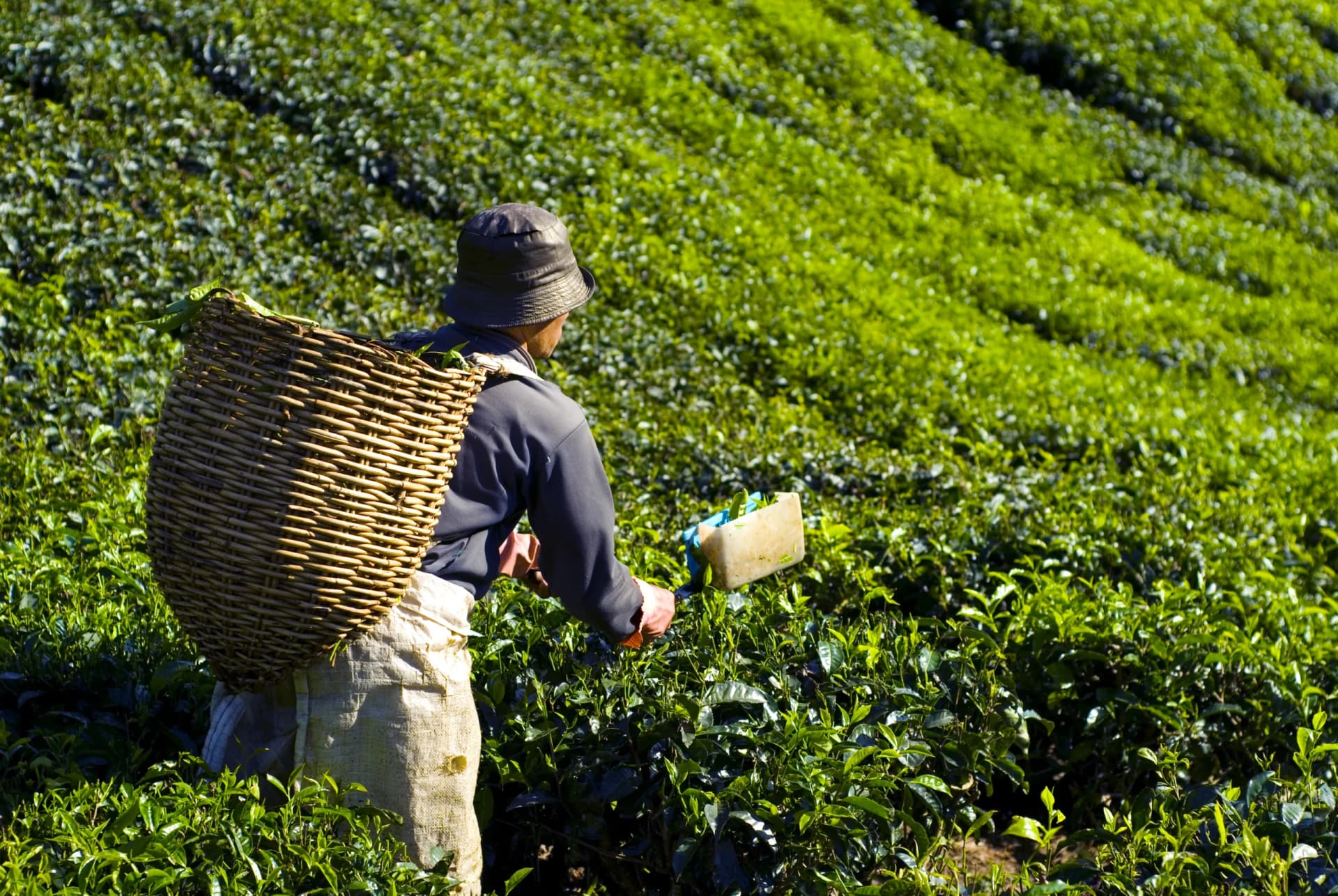
Tea is one of Sri Lanka’s most iconic exports, but the lives of the people behind this global industry remain less visible. The women who pick tea—along with the men and families who form estate communities—carry a cultural heritage that is rich, vibrant, and deeply rooted in history. Their traditions are not museum pieces; they are living, evolving expressions of identity shaped by migration, labour, resilience, and collective memory.
This article explores the cultural lives of Sri Lanka’s tea estate communities through their music, festivals, beliefs, and everyday practices—offering a deeper understanding of a world often overlooked beyond the tourist gaze.
1. A Heritage Born from Migration
The cultural identity of Sri Lanka’s estate communities traces back to the mid-19th century, when labourers from South India—mostly Tamil-speaking families—were brought by the British to work in the highlands. Over generations, these communities built distinct cultural rhythms shaped by the climate, isolation, and structure of estate life.
Despite facing social and economic challenges, estate families preserved aspects of their South Indian heritage: Tamil language, Hindu religious practices, drumming traditions, and folk songs. Yet their culture is not frozen in time. It is uniquely estate Tamil: a fusion of Indian roots, Sri Lankan influences, and adaptations created within the plantation environment.
2. Music as Memory, Rhythm, and Resistance
Music has always been central to the emotional and social life of estate communities. It is a form of storytelling, a way to express joy and sorrow, and a medium of shared identity.
2.1 Folk Songs of the Fields
Traditional tea-picking songs—“kavadi paattu,” “kooththu paattu,” and work chants—help keep rhythm during long, physically demanding workdays. Many of these songs:
- narrate stories of migration
- express longing for family left behind
- celebrate local gods and festivals
- speak of love, humour, and daily life
- offer subtle commentary on hardship and injustice
These songs bind pickers together during work, creating a collective beat that carries them through steep slopes and long hours.
2.2 Kooththu: The Estate’s Theatre Tradition
Kooththu, a Tamil folk performance that blends music, dance, and theatre, remains a powerful cultural pillar. Performed during festivals, school events, weddings, or special gatherings, it uses:
- rhythmic drumming
- colourful costumes
- lively storytelling
- satire and social commentary
Estate kooththu has evolved to include local themes—estate life, schooling, love stories, or even humorous commentary on supervisors and politicians.
2.3 Modern Music and the Influence of Cinema
Tamil cinema has had a transformative influence. Estate youth frequently break into kollywood songs, with mobile speakers and community halls becoming hubs for dance, karaoke nights, and film-inspired celebrations.
Music in estates today is a hybrid: part traditional, part modern, deeply expressive of a cultural identity that bridges generations.
3. Festivals: The Calendar of Community Life
Despite their demanding daily routines, estate communities maintain a rich festival calendar. Many of these celebrations are colourful, communal, and spiritually profound.
3.1 Deepavali: The Festival of Light and Hope
Deepavali is the most widely celebrated festival across estates. Homes are cleaned, decorated, and lit with small lamps. Women dress in vibrant sarees, prepare sweets, and visit neighbours. Temples hold special pooja, and many families sponsor dances and musical performances.
For estate workers, Deepavali is also symbolic—a celebration of resilience, light, and new beginnings.
3.2 Thai Pongal and Mattu Pongal
Pongal marks the harvest season, deeply connected to agricultural life. Though tea plantations differ from traditional farming, Pongal remains an emotional link to ancestral roots.
Families prepare sweet pongal in new clay pots, decorated with turmeric leaves. The community gathers around open fires, offering the first boiled milk to the sun god in gratitude.
Mattu Pongal, the next day, is dedicated to cattle. Estate workers honour cattle used for transport or field work, decorating them with flowers and paint.
3.3 Temple Festivals and Possession Rituals
Estate temples often host annual “kovil thiruvizha”— vibrant multi-day festivals with:
- drumming and nadaswaram music
- processions with chariots
- colourful garlands and decorations
- firewalking ceremonies
- offerings to deities like Murugan, Mariamman, and Pillaiyar
These festivals strengthen community bonds, often drawing relatives from other estates.
3.4 Christmas and New Year in the Estates
Many estate communities include Christians, and Christmas brings its own charm:
- small community choirs
- homemade decorations
- church services
- shared meals with neighbours
Similarly, Sinhala and Tamil New Year is celebrated widely, with games, music, and competition events organised by estate societies.
4. Rituals, Beliefs, and Everyday Spirituality
Beyond major festivals, estate families observe a range of daily and seasonal rituals.
4.1 The Central Role of Local Temples
Temples are more than religious spaces—they are social, cultural, and emotional centres. Families gather on Fridays for pooja, offer flowers and incense, and pray for protection, health, and prosperity.
4.2 Belief in Local Spirits and Guardian Deities
Estate folklore includes beliefs in:
- kattadi, or protective spirits
- amma deviyo, mother goddesses
- ancestral spirits
- local forest deities
Ritual specialists, often elderly men and women, perform ceremonies to seek protection during illness, drought, or personal conflict.
4.3 Life-Cycle Rituals
Important life events carry layers of cultural expression:
- Ear-piercing ceremonies (mottai kadhu) for young girls
- Coming-of-age rituals
- Naming ceremonies (thottil pooja)
- Wedding rites blending Hindu and estate customs
- Funeral rituals with drumming, chanting, and community support
These practices ensure cultural continuity across generations.
5. Women at the Heart of Cultural Continuity
Although estate women perform the most physically demanding labour, they also hold the cultural structure together.
5.1 Keepers of Language, Ritual, and Song
Women teach children songs, prayers, and stories; they organise home-bound rituals, festivals, and cooking traditions. Their vocal traditions—lullabies, wedding songs, and devotional chants—preserve the community’s ancestral voice.
5.2 Sarees, Flowers, and Craft Traditions
Handwoven sarees, jasmine garlands, and small craft items are part of everyday beauty practices. Women often gather in groups to decorate temple spaces or prepare festival items, turning routine labour into communal artistry.
5.3 Empowerment Through Culture
In recent years, women-led cooperatives have used cultural arts—dance, singing, handicrafts—to earn income and reclaim visibility. These projects highlight the cultural richness that has long existed but not always been celebrated.
6. Food as Culture, Memory, and Identity
Estate cuisine is a blend of South Indian and hill-country influences, adapted to local produce and affordability.
6.1 Staple Foods
Typical meals include:
- rice
- lentils (paruppu)
- coconut sambols
- seasonal vegetables
- roti or dosa made from wheat, rice or millet
- spicy curries with dried fish or eggs
Food is cooked over firewood stoves, filling small line rooms with a distinct aroma of spices.
6.2 Festival Dishes
During festivals, households prepare:
- sweet pongal
- murukku and laddu
- payasam
- sambar with vegetables
- homemade sweets shared across families
Festival meals are deeply symbolic, representing abundance, gratitude, and togetherness.
7. Dance, Attire, and Aesthetic Expression
7.1 Traditional Dance Forms
Estate communities practise a simplified form of Bharathanatyam and folk dance, often performed by schoolchildren during events. Cultural troupes travel across estates for competitions and district-level performances.
7.2 Clothing Traditions
Daily attire is practical: sarees for women, shirts and sarongs or trousers for men. But festival attire is bright, decorative, and expressive:
- women in vibrant sarees with bangles and jewels
- men in crisp veshti or formal wear
- children dressed in bright, embroidered outfits
Clothing becomes an expression of dignity and cultural pride.
8. Community Gatherings and Social Life
Despite demanding work hours, estate social life is incredibly vibrant.
8.1 Community Halls and Social Clubs
These spaces host:
- music nights
- sports matches
- youth competitions
- dance and drama practices
- political meetings
- women’s society gatherings
The hall is a communal heartbeat—connecting generations.
8.2 Storytelling and Shared Evenings
Elders often sit together in the evenings sharing:
- folktales from India
- migration stories
- estate legends
- ghost tales and spiritual lore
Younger generations absorb cultural wisdom through these nightly conversations.
8.3 Sports and Modern Hobbies
Cricket is wildly popular. Youth also engage in mobile photography, short video content, music remixes, and fashion trends—merging tradition with modern digital life.
9. Education, Art, and Emerging Cultural Change
Young people in estate communities are increasingly using education, arts, and community activism to shape new cultural narratives.
9.1 School Cultural Programs
Schools play a major role in preserving culture through:
- Tamil drama
- music bands
- literary competitions
- dance festivals
- art exhibitions
These programs elevate cultural pride and bridge generational gaps.
9.2 Rising Voice of Estate Youth
Today’s youth express identity through:
- spoken-word poetry
- social media platforms
- short films
- contemporary dance
- photography and storytelling
Their creative expressions highlight issues of identity, inequality, love, aspiration, and belonging.
10. Tea Estate Culture and Tourism: A Changing Landscape
There is growing interest in integrating estate culture into tourism—but with care. Many estates are exploring community-led tourism that respects dignity and privacy.
Potential avenues include:
- guided cultural walks
- music and dance showcases
- tea-making workshops
- food experiences
- handicraft sales
- storytelling evenings
Such projects can offer economic support while preserving authenticity—provided the community leads the narrative.
11. The Quiet Strength Behind the Slopes
Behind every cup of Ceylon tea is a community whose cultural world is rich, layered, and resilient. Their music carries memories. Their festivals light up misty hillsides. Their traditions blend ancient roots with modern change. Their stories, songs, and rituals form a cultural landscape as intricate and beautiful as the tea estates themselves.
These communities are not just workers—they are custodians of a unique heritage that deserves recognition, respect, and celebration.
Click on here “Surfing for Beginners in Nilaveli: Why It’s Sri Lanka’s Most Underrated Surf Spot”