Tea Trails Beyond Tourism: How Climate Change is Rewriting the Future of Ceylon Tea
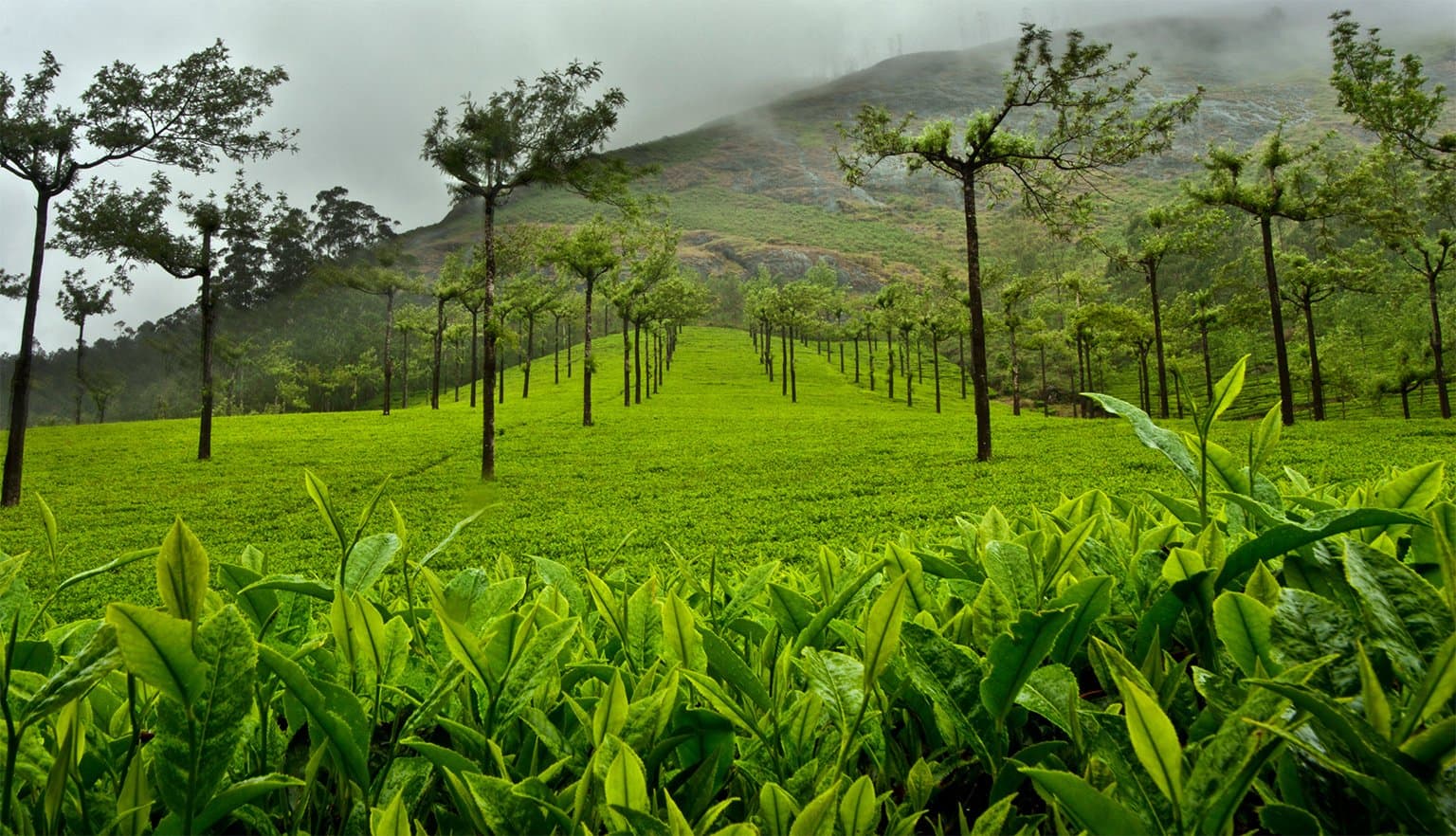
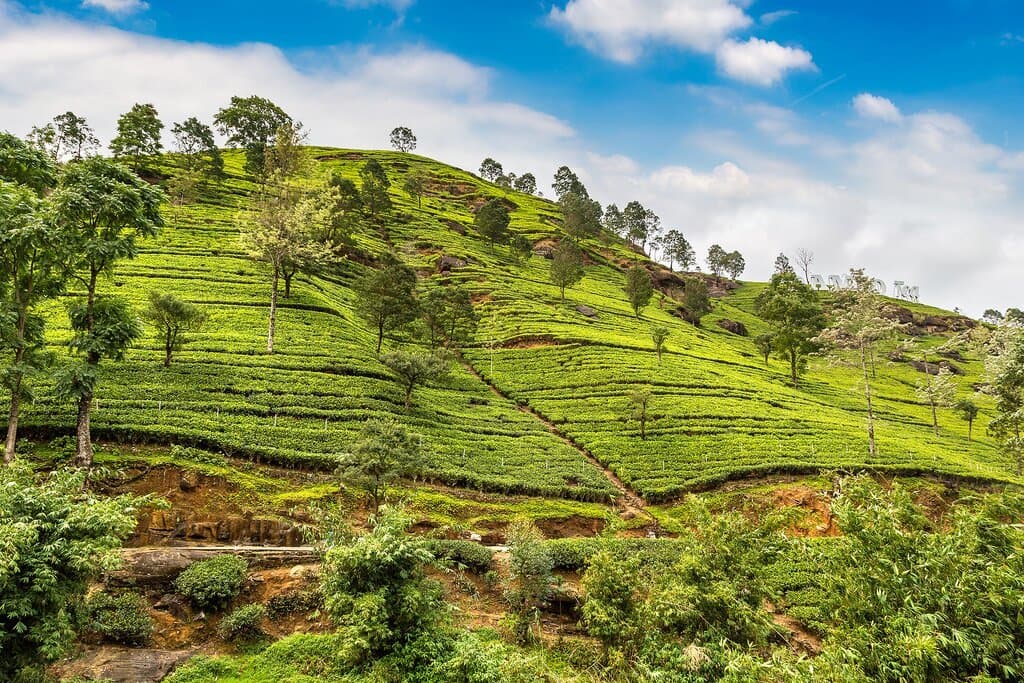
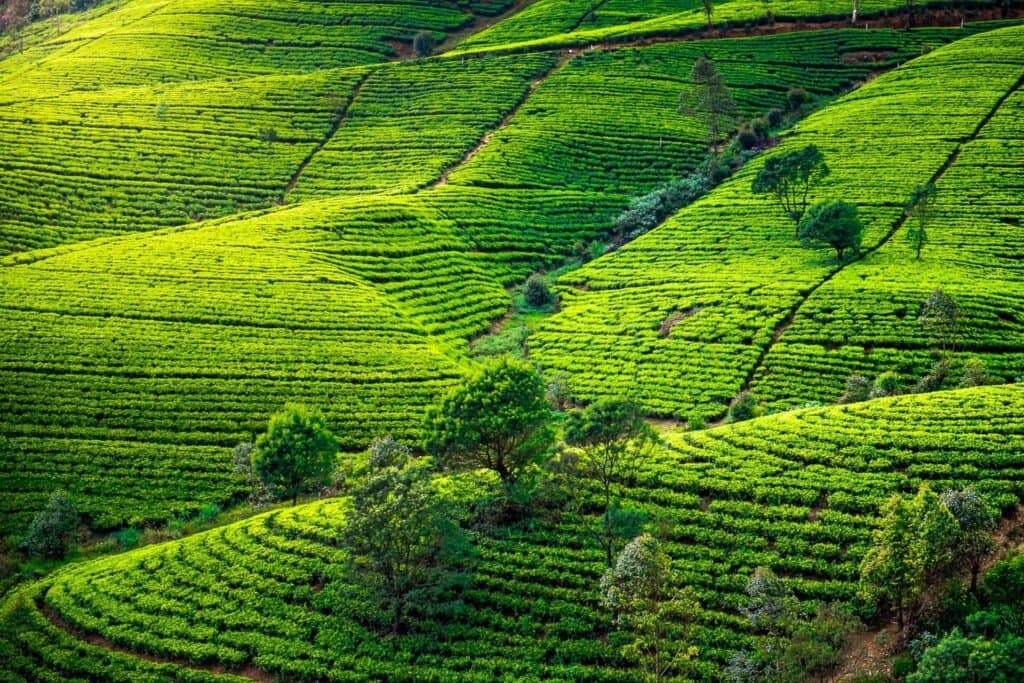
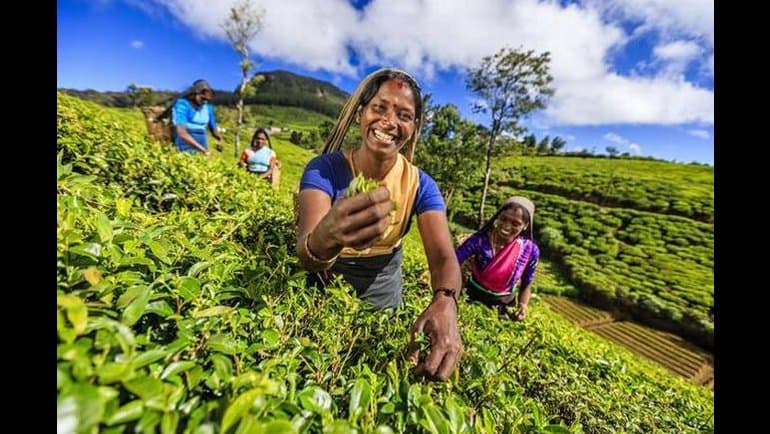
Tea Trails Beyond Tourism: How Climate Change is Rewriting the Future of Ceylon Tea | Sri Lanka’s tea country has always held a mythical place in the global imagination. Mist-covered mountains, emerald carpets of finely pruned bushes, estate bungalows from the colonial era, and the rhythmic movements of tea pluckers have long defined the island’s most iconic landscape. But beneath this postcard beauty lies a system under growing threat. Climate change is steadily reshaping the hills, rewriting rainfall patterns, destabilising soil, and forcing one of the world’s most respected tea industries into an urgent era of adaptation.
Today, Sri Lanka is no longer asking how to grow more tea. It is asking how to protect the land, people, and industry that built the name Ceylon Tea.
A Changing Climate in the Tea Heartland
Tea thrives under very specific environmental conditions: steady rainfall, cool temperatures, well-drained soil, and predictable seasons. For more than a century, Sri Lanka’s central highlands offered the perfect combination. But the past two decades have introduced a dramatic shift.
Rainfall No Longer Follows a Pattern
Scientists and estate managers now speak of “unseasonal rains” as a year-round concern. There are months where the monsoon fails entirely, followed by sudden, intense downpours that damage young tea leaves, trigger landslides, and destabilise slopes.
The result: lower yields, lower quality, and increased production costs.
Rising Temperatures Hit High-Grown Tea
Ceylon tea has always been marketed according to elevation: low-grown, mid-grown, and high-grown. High-grown teas—from Nuwara Eliya, Dimbula, and Uva—are prized for their flavour and aroma, which depend heavily on cool climates.
With temperatures rising even by 1°C, the delicate balance shifts. Leaf texture, moisture levels, and chemical composition all change, altering the signature flavour profiles that command premium prices abroad.
Extreme Weather Events Are Becoming Normal
Droughts scorch bushes. Sudden strong winds tear tender leaves. Heavy rainfall erodes soil.
Climate volatility means estates must spend more on labour, fertiliser, irrigation, and replanting—costs that many smaller growers cannot bear.
The Human Impact: Estate Communities on the Frontlines
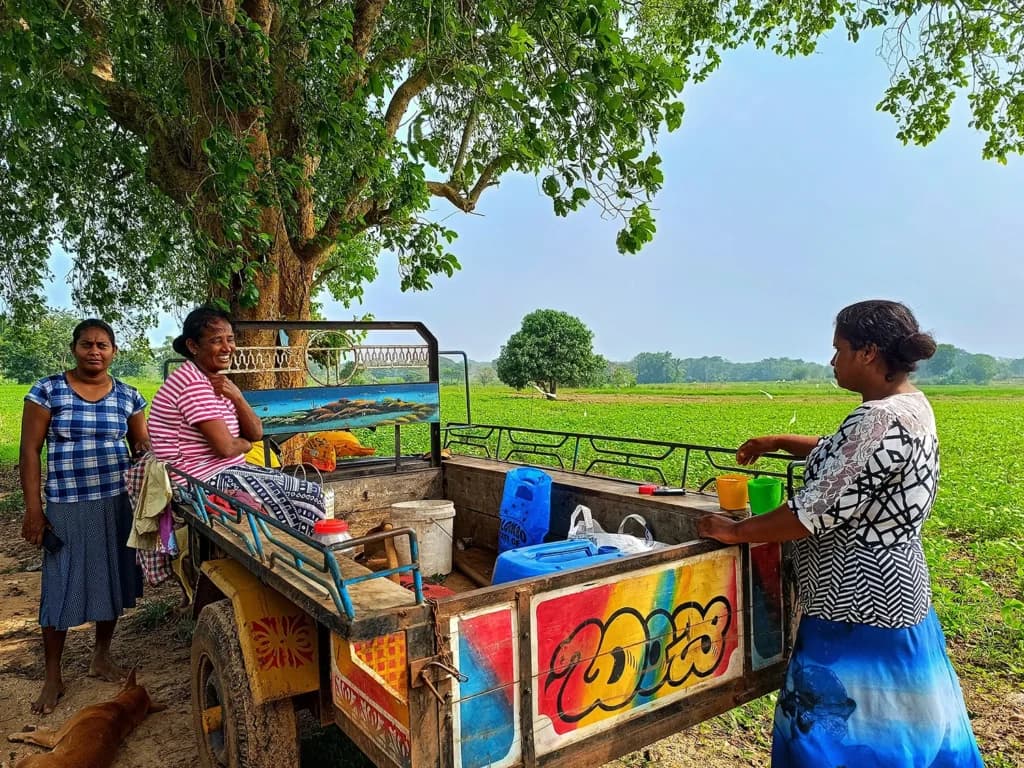
While tourists see serenity in the hills, the people who live and work there feel climate change more directly.
Daily Work Becomes More Difficult
Tea plucking depends on dry conditions. Wet leaves weigh more but fetch less, and rain limits field access. Workers now face unpredictable schedules, lower daily incomes, and harsher conditions.
Health Risks Increase
Soaring temperatures strain workers walking long distances across steep terrain. Water scarcity affects both household use and field hydration. Floods and landslides threaten estate housing.
Intergenerational Futures Are Shifting
Younger generations in estate communities increasingly look for alternatives outside agriculture. Climate instability accelerates this trend, reducing the labour pool for a sector already under pressure.
How Climate Change Affects Tea Quality
The global success of Ceylon Tea rests on quality rather than volume. Subtle changes in climate directly influence:
Flavour
Cool nights and slow leaf growth produce the aromatic, crisp, high-grown teas Sri Lanka is famous for. Warm nights disrupt this chemistry.
Colour and Strength
Mid-grown and low-grown teas rely on consistent rainfall to maintain tannin balance. Drought produces weaker brews; excess rain leads to duller colour.
Seasonal Special Teas
Uva’s seasonal winds and Dimbula’s monsoon-dry windows create unique flavour notes. Climate unpredictability now threatens these niche, high-value crops.
New Frontiers: How the Industry Is Adapting
Sri Lanka’s tea sector is not passive. Research institutes, private estates, and smallholders are reinventing cultivation and processing methods to safeguard the future.
1. Climate-Resilient Tea Varieties
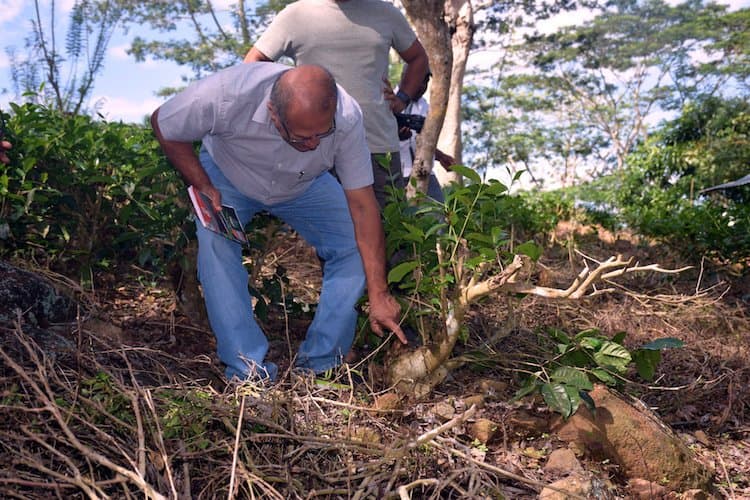
The Tea Research Institute (TRI) has introduced clones that can handle heat, drought, and pests. These varieties grow faster and withstand stress but require investment for replanting—something many small growers lack.
2. Shifting Tea Cultivation to New Elevations
As lower regions become too warm, estates are exploring higher ridges and previously unused land. This may redefine the geography of Sri Lankan tea within a generation.
3. Water Management & Micro-Irrigation
Estates now build mini-reservoirs, rainwater harvesting systems, and drip irrigation lines to reduce dependence on natural rainfall patterns.
4. Soil Regeneration Practices
Mulching, shade trees, intercropping, and terracing help protect topsoil from erosion and restore moisture levels. These techniques also improve biodiversity, which strengthens tea ecosystems.
5. Renewable Energy in Tea Processing
Factories are adopting solar, biomass, and hydro solutions to cut costs and reduce carbon footprints.
Cleaner energy means better brand value in international markets increasingly concerned with sustainability.
Tourism vs. Reality: The Hidden Story Behind the Tea Trails Experience
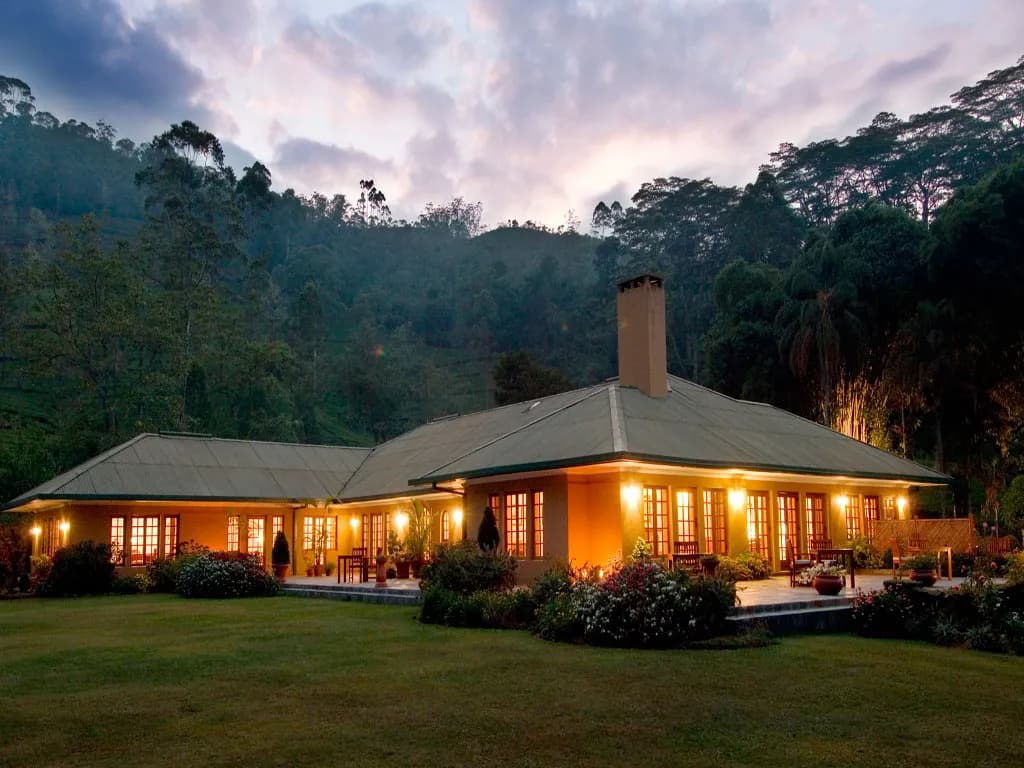
For travellers, Sri Lanka’s tea trails offer luxury, calm, and nostalgia. Yet the polished surface hides the economic and ecological fragility beneath.
Climate Stress Is Changing the Landscape Itself
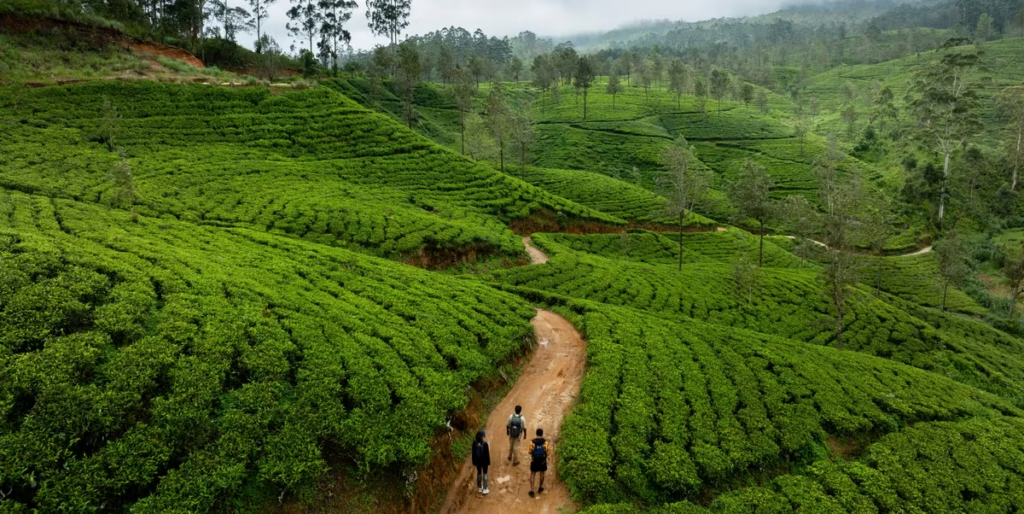
Slopes once covered with perfect tea rows now reveal patches where bushes have withered. Some estates diversify into cinnamon, pepper, or timber to buffer income. Others lease land to hotels or adventure tourism ventures.
Tourism remains strong, but climate change questions the sustainability of tea-based hospitality models that rely on predictable scenery and stable rural communities.
The Global Picture: Why Climate Change Puts Ceylon Tea at Risk
Ceylon Tea competes on heritage and flavour, not quantity. If climate change alters taste, colour, or consistency, Sri Lanka risks losing its reputation—and premium prices.
Major Concerns for Export Markets
- Buyers are already sensitive to variation.
- Importers increasingly demand sustainability and traceability certifications.
- Competing producers like Kenya and India may adapt faster or cheaper.
Without proactive measures, Sri Lanka could lose ground in the global tea arena.
Can Ceylon Tea Be Saved?
The answer is not simple—but it is not hopeless.
What Needs to Happen
- Accelerated investment in climate-resilient clones.
- Financial support for smallholders, who produce over 70% of Sri Lanka’s tea.
- Large-scale water infrastructure in the highlands.
- Sustainability certifications to capture premium markets.
- Better disaster response mechanisms for estate communities.
- Integrated tourism models that support—not replace—tea agriculture.
Tea is more than a crop. It is a livelihood, a cultural identity, and a national brand.
Climate change may be rewriting the future of Ceylon Tea, but with innovation, investment, and resilience, Sri Lanka can write a new chapter—one that protects its heritage while adapting to a warming world.
Click on here “British Botanical Experiments in Peradeniya and How They Shaped Sri Lankan Flora”