Tennis Courts, Elite Clubs & Colombo’s High Society World A Glimpse into Sri Lanka’s Refined Colonial Lifestyle
Long before Colombo became the bustling modern capital it is today, the heart of elite society beat quietly across manicured lawns, elegant verandahs, polished wooden halls and beautifully maintained tennis courts. These weren’t just sports spaces. They were social theatres. They were places where friendships were built, alliances were formed, reputations were shaped and an entire elite lifestyle unfolded with dignity, grace and ritual.
The story of tennis in old Colombo isn’t simply about sport. It is about culture, class, leisure, identity and how a city’s social rhythm once revolved around its clubs.
When Tennis Became a Lifestyle, Not Just a Game
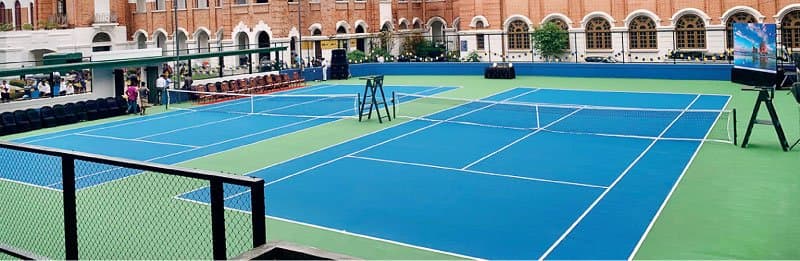
During the colonial era, tennis rapidly became one of the most prestigious sports in Ceylon. Introduced by the British, it represented everything refined elegance, discipline, civility and athletic grace. Tennis courts began appearing in exclusive clubs, private estates and elite institutions.
But these weren’t ordinary sporting grounds.
They were spaces of social performance.
Players arrived immaculately dressed. Spectators gathered under shaded pavilions. Conversations flowed over tea and refreshments. Applause wasn’t loud or chaotic it was polite, appreciative, cultured. Tennis wasn’t simply played. It was experienced.
For many, stepping onto a Colombo tennis court felt like stepping into a higher social world.
The Rise of Colombo’s Elite Clubs
Colombo’s elite clubs quickly became more than recreational centres they became pillars of high society. Membership was prestigious. Access meant social recognition. Being part of these establishments meant stepping into circles of influence, respectability and refined leisure.
Club culture formed an essential part of colonial social life.
Inside these clubs, people didn’t just play sports. They networked. They discussed business. They built friendships. They celebrated milestones. They shaped personal and social identity.
From tennis courts to clubhouses, from gala events to quiet gatherings, these institutions created a space where elegance felt natural and sophistication felt lived rather than performed.
A World of Charm, Etiquette and Quiet Prestige
Clubs weren’t loud. They weren’t chaotic. They didn’t demand attention. They radiated calm, order and dignity.
Members followed dress codes.
Etiquette mattered.
Behaviour reflected upbringing.
Young men and women learned social grace there. Children watched their parents host, converse and engage confidently. Women often attended beautifully dressed, radiating poise and refinement. Men carried themselves with confident politeness.
The club wasn’t merely a location.
It was a lifestyle classroom.
It taught:
• confidence without arrogance
• conversation without noise
• culture without exaggeration
• elegance without extravagance
Today, when many people think of Colombo’s colonial world, it is often this atmosphere they imagine quiet grandeur, structured leisure, sophisticated social culture and deeply rooted traditions.
More Than Sport A Social Stage
Clubs were also home to:
• grand dances
• dinners and socials
• charity events
• club nights
• children’s gatherings
• seasonal celebrations
These were opportunities for society to meet, to be seen, to reconnect and to belong. Couples met there. Families built lifelong friendships. Generations returned to the same grounds where their parents once stood, doubling legacy with emotion.
Sports trophies lined shelves.
Old photographs captured smiling faces.
Guestbooks preserved names that shaped Colombo’s past.
Even today, stepping into some of these clubs feels like stepping into a time capsule of elegance.
Tennis and Identity
For many Sri Lankans of that era, playing tennis wasn’t just a hobby it was part of identity. To be associated with the game meant refinement, privilege and aspiration. Matches mattered. Championships mattered. Representing one’s club or school meant pride and honour.
Grass courts and clay courts weren’t just playing surfaces they were emotional landscapes.
People grew up around them.
They fell in love around them.
They found confidence around them.
They shaped dreams around them.
This is why, decades later, memories of those courts still feel alive in the hearts of many who once belonged to that world.
What Remains Today?
Much of Colombo’s elite club legacy still exists not fossilised as relics, but living quietly and gracefully. Some clubs continue to operate with heritage dignity, maintaining architecture, tradition and spirit.
Walking into them today, you can still feel:
• polished wooden railings
• soft afternoon light
• the sound of tennis balls echoing softly
• laughter across lawns
• the smell of old rooms and preserved history
Generations continue to pass through these spaces.
Heritage lives not in glass cases, but in activity.
Why These Stories Matter
In an age of fast entertainment, loud lifestyles and digital distractions, it is grounding to remember a time when leisure was graceful, conversation was refined and social interaction had depth.
Colombo’s club world reminds us of:
• elegance as a value
• respect as a culture
• sport as character, not performance
• community as identity
It shows us that heritage isn’t only statues and monuments. Sometimes, heritage is etiquette. It is the way people once lived, connected and held themselves with grace.
These stories are not simply nostalgia.
They are reminders of a cultural legacy that shaped the city’s personality.
Experiencing This Heritage Today
For travellers, history lovers, heritage photographers and culture seekers, exploring Colombo’s elite club world offers a fascinating lens into social history.
Even if one cannot enter every private institution, simply learning about them, observing architecture, understanding their social role and tracing their influence offers insight into Colombo’s refined past.
Because heritage isn’t always visible.
Sometimes, it lives in lifestyle.
The Spirit Continues
Today’s Colombo is dynamic, energetic and forward-moving. Yet echoes of the past remain in behaviour, in social gatherings, in long-standing institutions and in the memories preserved lovingly by generations.
The tennis courts may feel quieter.
The world around them may have changed.
But the dignity, elegance and emotional heritage they represent still live beautifully in Sri Lanka’s story.
This was not just about playing a sport.
It was about belonging to a world of grace.
And that is something worth remembering.
Click on here “Growing Up in Old Colombo School Memories, Convents and the Childhood Spirit of a City”