The Batticaloa Diaries: Kallady Bridge and the Fort
Batticaloa has a way of lingering in the mind long after you leave it. It is not a place that forces itself on you with noise or spectacle. Instead, it draws you in quietly with the smell of the lagoon, the softness of the light, and the gentle rhythms of the East Coast. If there is one journey that captures the soul of Batticaloa, it is the stretch between the Kalladi Bridge and the old Dutch Fort. These two landmarks, standing in contrast yet deeply connected to the city’s past and present, offer a narrative that is both intimate and expansive.
This is a diary of that journey.
Kalladi Bridge: Where the Lagoon Breathes
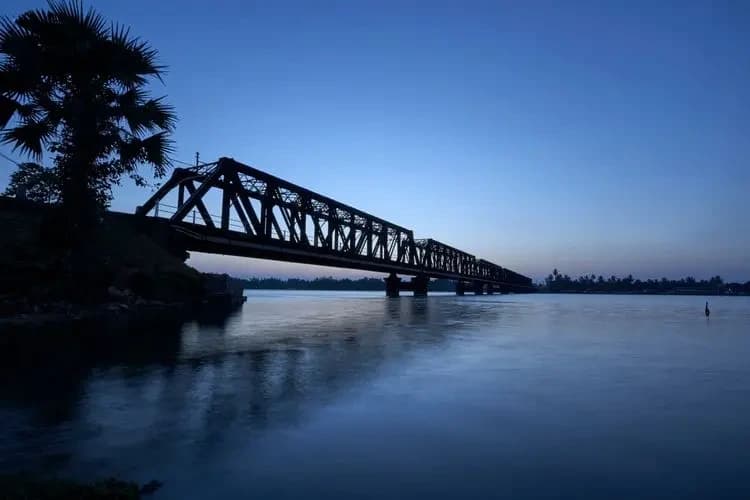
Every visit to Batticaloa begins, in some sense, with the lagoon. The early morning air hangs thick with stillness, broken only by the sound of oars dipping and the hum of scooters starting their day. The Kalladi Bridge cuts across this landscape like a drawn line between two worlds the ocean on one side, the sprawling lagoon on the other.
The new Kalladi Bridge may feature modern engineering, wider lanes, and stronger foundations, but it is the memory of the old iron Kalladi Bridge that continues to command emotional gravity. Built during British rule in the early 20th century, that lattice of rusted iron beams stood for generations as a lifeline between Kalladi and the town. To this day, many locals still speak of it with affection how it shuddered as trucks passed, how fishermen walked across it at dawn, how lovers wrote their initials on its metal frames.
The new bridge is steady and sleek, but the view remains timeless. From its centre, Batticaloa unravels in front of you: fishermen preparing their catamarans, the still water reflecting streaks of soft blue and silver, schools of fish darting near the surface, children on bicycles heading to school. If you pause, you hear the sounds that define the East Coast the faint call to prayer, the chatter of sellers setting up their carts, the breeze rustling through palm leaves.
There is a sense of movement here, but not the hurried kind. Batticaloa moves slowly, deliberately, with a patience that feels rare. It’s the kind of place where you begin to feel time stretch again, loosening its grip.
Many travellers stop on the bridge simply to watch the world move. Sunrise is the best time the sky turning lavender before glowing into gold, the fishermen casting their nets in silhouettes, and the lagoon lighting up in gentle ripples. Even in the daytime sun, the bridge offers something different: the heat reflecting off the metal railings, the smell of salt, and the comforting monotony of everyday life passing through.
Click on here “SHOPPING IN SRI LANKA: A GUIDE TO THE BEST BUYS AND UNIQUE SOUVENIRS”
A Walk Along the Lagoon Road
Leaving the bridge and walking along the lagoon road brings you into Batticaloa’s lived reality. Houses with open verandahs, women drying chillies in the sun, children waving at passing tuk-tuks, and the smells of coconut oil, curry leaves, and fresh fish cooking in neighbourhood kitchens.
Every few metres, there is a small jetty or steps leading into the lagoon, a reminder of how deeply the water is woven into the city’s identity. Locals will tell you stories about the legendary “singing fish”, sounds that echoed under the Kalladi Bridge on calm nights. Scientists may have explanations today, but the magic remains very much alive in Batticaloa’s oral history.
This walk unfolds into a natural corridor of shade and sunlight, winding gently towards the old Dutch Fort.
Batticaloa Fort: A Quiet Giant of History
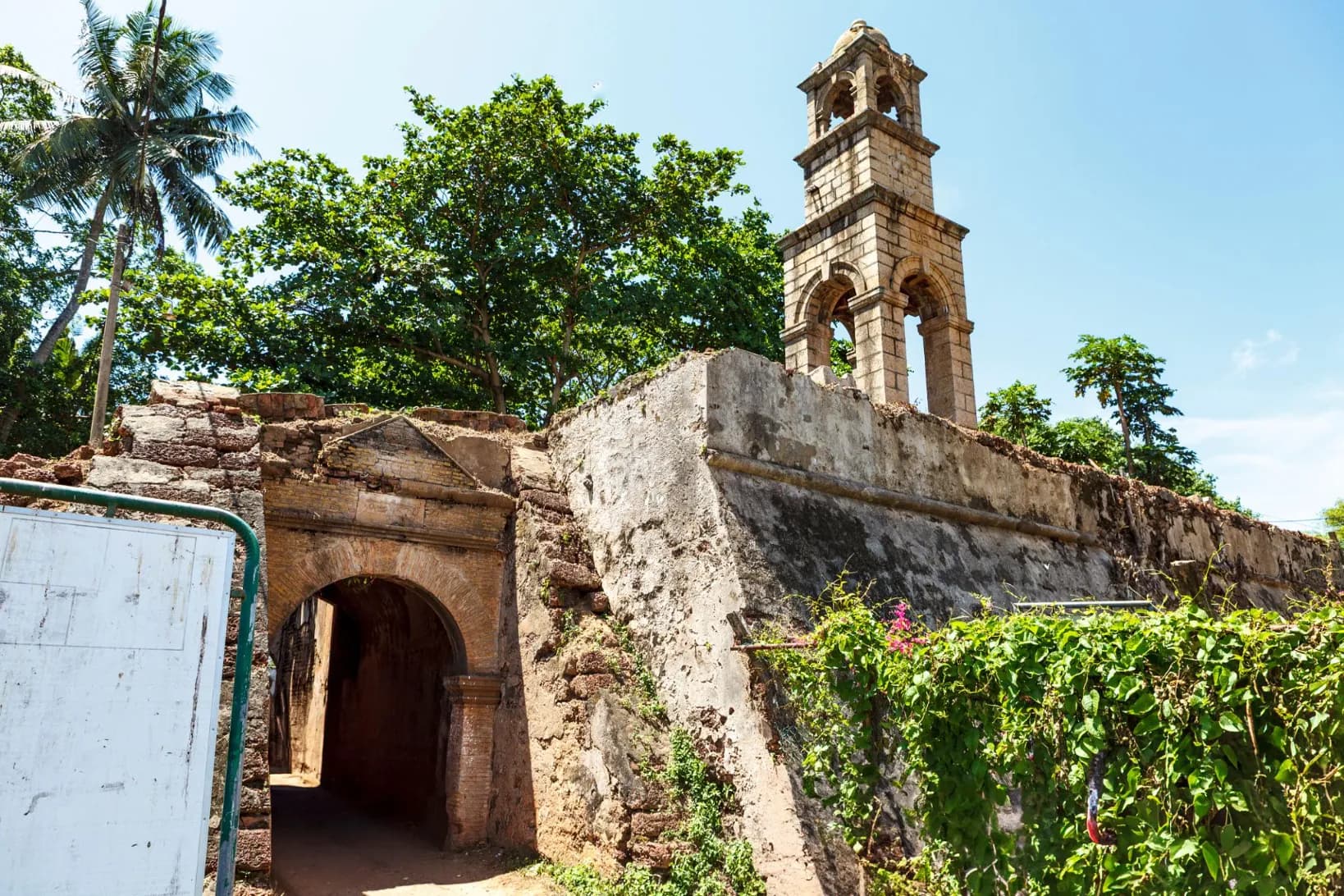
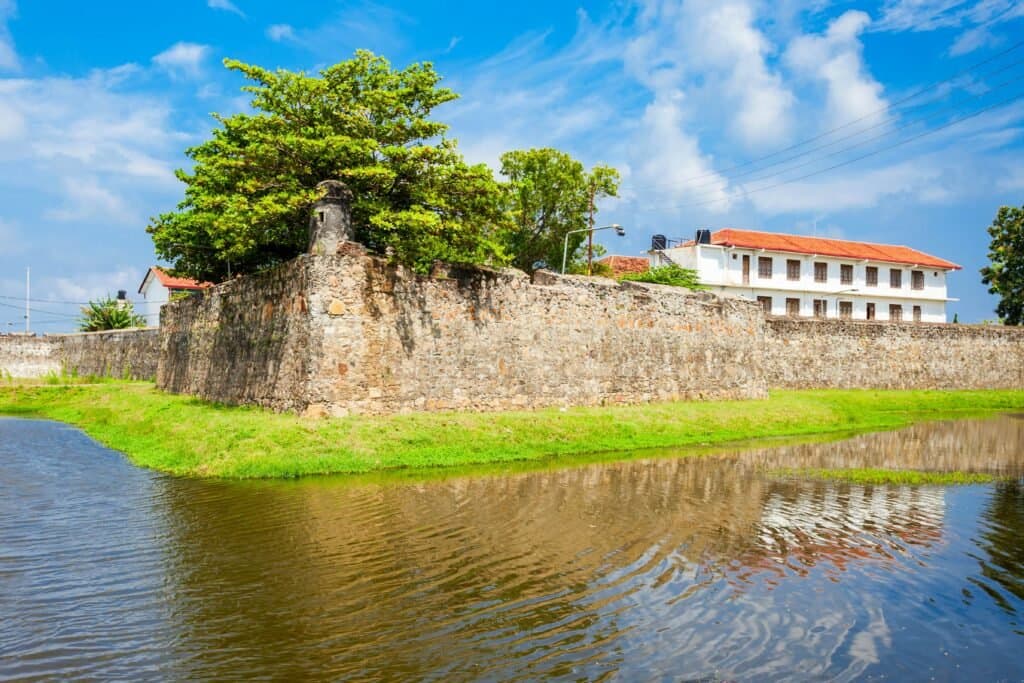
The Batticaloa Fort is not as polished or tourist-heavy as its cousin in Galle and that is exactly what makes it special. It stands with a certain humility, its moss-covered walls and uneven stones telling stories that history books often forget.
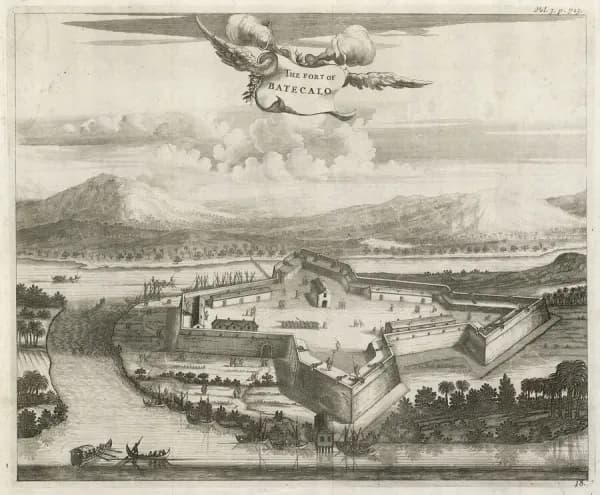
Built by the Portuguese in 1628 and later taken over by the Dutch and then the British, the Fort has lived through conquest, colonial strategy, rebellion, floods, and the slow erosion of time. Yet it remains standing, surrounded by water on almost all sides, like a stone guardian of the lagoon.
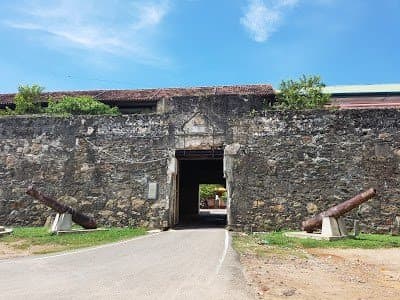
Walking through its arched entrance feels like crossing into a space untouched by the rush of modern life. The air cools as the thick walls rise around you. You hear the crunch of gravel under your feet, the flutter of bats nesting in the crevices, and the distant voices of people outside the Fort’s perimeter.
Inside, there is a feeling of spaciousness. Local administrative departments operate in some of the chambers, giving the Fort a rare combination of history and daily civic life. The old stones coexist with modern desks, files, and murmured conversations an unusual blend, yet somehow perfectly Batticaloa.
Climb onto the ramparts, and the panoramic view stops you in your tracks. Protected by the lagoon two sides,it stretches out in shimmering patterns. To the other two sides, the sea with nearest palm trees frame the town’s rooftops. The Fort gives height to a place that lives close to the ground, offering a new perspective on Batticaloa’s gentle spread.
Sit for a moment on the walls, and time seems to soften. The breeze that moves across the lagoon reaches here, carrying the smell of brackish water and the distant sound of boat engines. It is peaceful in a way that feels rare and grounding.
Past, Present, and the Spaces Between
What makes the Kalladi Bridge and the Batticaloa Fort so compelling together is not just their visual contrast, the clean lines of a modern bridge versus the rugged stone of a colonial stronghold but the way they mark the passage of time.
The bridge speaks of movement, connection, forward motion. The Fort holds memory, history, survival. Together, they hold the identity of Batticaloa.
It is a reminder that cities are not defined by their landmarks alone, but by how people continue to live with them crossing the bridge every morning, holding court sessions inside the Fort, selling fish near the jetty, teaching children on the verandah of a school by the water.
Batticaloa thrives not because it tries to be something else, but because it remains true to itself quiet, warm, resilient.
The Diary Ends, the Journey Does Not
The sun begins to sink by the time you leave the Fort, turning the lagoon pink. The Kalladi Bridge glows in the late light, cars slowing as if the day itself is taking a breath.
This journey is small in distance but rich in detail. Batticaloa is like that revealing itself slowly, not through tourist excitement but through everyday beauty.
If you take this route, do not rush. Stand on the bridge a little longer. Sit on the ramparts of the Fort. Watch the lagoon as it changes colour. Let Batticaloa work at its own pace. It always does.
And in that unhurried pace lies its charm, one that stays with you long after the diary closes.
Click on here “HIDDEN GEMS OF SRI LANKA: OFFBEAT DESTINATIONS YOU NEED TO VISIT”