The Elegance of Old Ceylon Tea Culture: More Than a Drink, It Was a Way of Life
Tea was never “just tea” in Sri Lanka. It was identity. It was elegance. It was ritual. It was class, comfort and connection. Long before it became one of the world’s most famous exports, tea was a graceful lifestyle woven deeply into Ceylon’s social world.
This is the story of tea as culture not commodity.
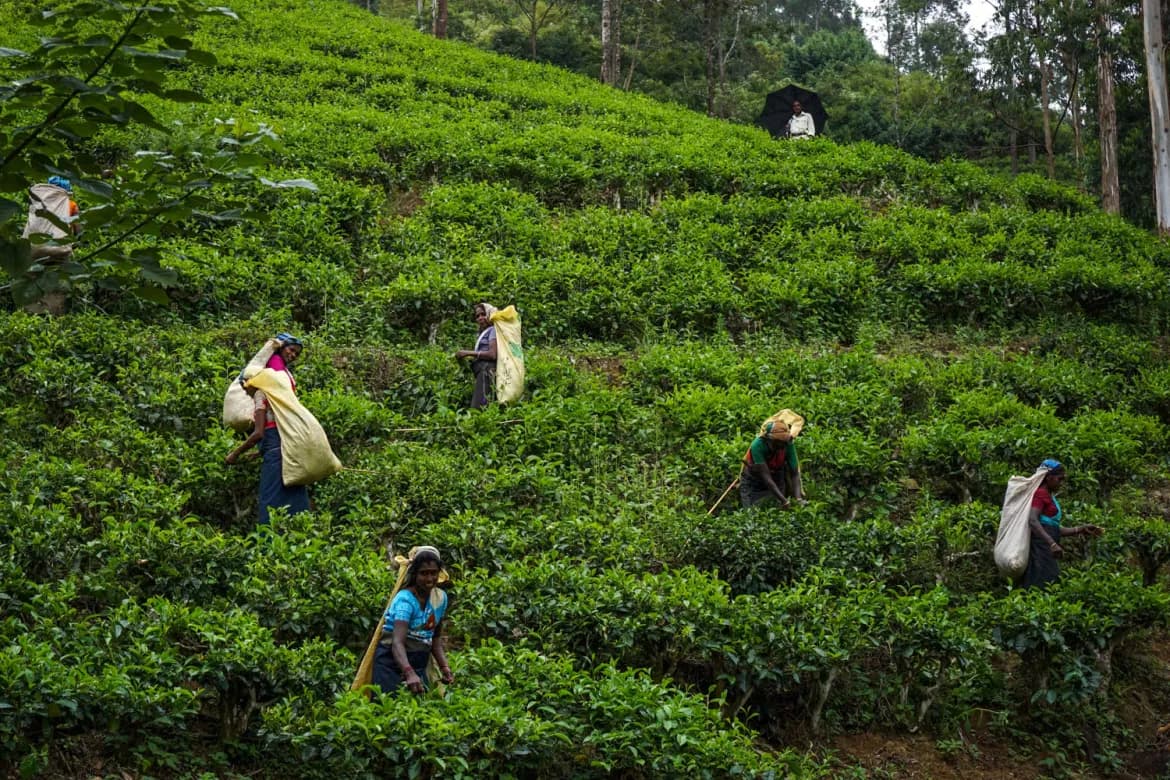
Plantation Heritage Where Everything Began
The hill country didn’t just grow tea.
It grew a national personality.
Mist-covered plantations, British planters’ bungalows, manicured gardens, wide verandahs overlooking endless green tea estates weren’t simply workplaces. They were social environments filled with structure, lifestyle and heritage.
Inside planters’ homes:
• afternoon tea was tradition
• conversations flowed slowly
• hospitality felt aristocratic
• grace shaped behaviour
Tea wasn’t only business.
It was dignity.
Tea as Ritual and Social Grace
Serving tea in old Ceylon had meaning.
- Cups were china, not rushed paper.
- Tables were set with intention.
- Biscuits, cakes, scones, savouries weren’t snacks they were tradition.
When someone arrived, tea wasn’t offered because it was convenient.
Tea was offered because hospitality was identity.
It meant:
“You are welcome.”
“You matter here.”
“Sit. Stay. Share life with us.”
Tea made conversation deeper.
Tea slowed time.
Tea connected hearts gently.
The Culture of Refinement
Tea gatherings reflected elegance. Women dressed beautifully. Men carried quiet sophistication. Families valued manners, grace and conversation.
- There was no loudness.
- No rush.
- No superficiality.
Just warmth.
Tea culture also shaped personality encouraging calmness, thoughtfulness, conversation and emotional warmth.
Hill Country Social Life
Plantation society had its own rhythm.
Planters’ clubs, evening walks, garden gatherings, small dances, tennis, literary evenings and Sunday socials all revolved around shared community often with tea at the centre.
In those hills, isolation turned into belonging through community warmth. Tea wasn’t simply what they drank. It was the backdrop of friendship.
What Tea Still Means Today
Even now, every Sri Lankan home has a moment like this:
someone says,
“Shall we make tea?”
That single sentence can mean:
- comfort
- healing
- welcome
- celebration
- togetherness
Tea remains Sri Lanka’s emotional language.
Tea as National Soul
Tea shaped:
• economy
• identity
• landscape
• international reputation
• cultural personality
But beyond all that, it shaped feeling. It became part of Sri Lanka’s emotional DNA, symbolising hospitality, warmth and love.
Tea is not just what Sri Lanka produces.
It is what Sri Lanka is.
Click on here “Colombo Before Modern Entertainment When Life Was Slower, Kinder and Beautifully Human”