The Rise of Homemade Festive Food After DITWA: Community Kitchens and Shared Traditions
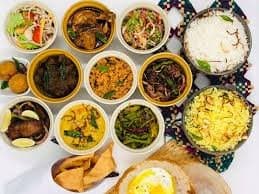
In the aftermath of DITWA, when floods, displacement, and uncertainty reshaped daily life across many communities, something quietly powerful began to emerge. Amid damaged kitchens, disrupted supply chains, and financial strain, people turned inward — not in isolation, but towards one another. One of the most visible and meaningful outcomes of this shift was the revival of homemade festive food and the return of community kitchens.
What began as necessity soon transformed into connection. Cooking became a way to restore dignity, preserve culture, and rebuild trust at a time when normal celebrations felt distant. Across towns and villages, shared meals replaced commercial excess, and festive food once again became about people rather than perfection.
Festive Food Before DITWA: Convenience Over Connection
In the years leading up to DITWA, festive food culture had slowly moved away from homes. Bakeries, caterers, and ready-made festive packs dominated seasons such as Christmas, New Year, Avurudu, and Eid. Convenience was prized, especially in urban households juggling work, traffic, and time constraints.
While these options brought ease, they also diluted something essential. Recipes passed down through generations were used less often. Children grew up recognising bakery labels more than family flavours. Cooking for festivals became transactional rather than communal.
DITWA disrupted this pattern abruptly. Power cuts, closed shops, damaged roads, and rising costs made store-bought food unreliable or inaccessible. Families had little choice but to return to their kitchens — sometimes improvised ones — and rediscover what they already knew.
Necessity as the Catalyst for Revival
The immediate post-DITWA period was defined by scarcity. Ingredients were limited, appliances were damaged, and many households were displaced. Yet festivals did not disappear. Instead, they adapted.
People cooked with what was available. Substitutions replaced precision. Old notebooks, memory, and verbal instructions replaced YouTube tutorials. In this process, festive food became deeply human again — imperfect, resourceful, and rooted in shared effort.
A Christmas cake baked without an oven, a pot of kiribath made over a fire, or a tray of sweets prepared communally carried far more meaning than polished alternatives. The act of cooking itself became an expression of resilience.
The Return of Community Kitchens
One of the most striking developments after DITWA was the rise of community kitchens. Initially formed out of necessity to feed displaced families, these kitchens quickly evolved into spaces of shared labour and cultural continuity.
Women cooked together, often across religious and ethnic lines. Men sourced firewood, repaired stoves, or transported ingredients. Young people learned recipes they had never been taught before. Elderly community members guided processes, corrected techniques, and told stories alongside stirring pots.
Festive foods naturally became part of these kitchens. Instead of individual households struggling alone, entire communities prepared large batches of traditional dishes together — sharing both the work and the outcome.
These kitchens blurred social hierarchies. Titles, professions, and economic status mattered less than willingness to help. Food equalised everyone.
Shared Recipes as Shared Memory
Festive food carries memory. A specific spice ratio, a method of wrapping, or a timing ritual often links directly to childhood, ancestry, and place. After DITWA, sharing recipes became an act of preservation.
People exchanged knowledge freely. One family’s method of preparing sweetmeats was combined with another’s spice blend. Differences were discussed, not judged. In many cases, recipes were simplified to suit limited resources — creating new variations that reflected post-DITWA realities.
This collective adaptation ensured that traditions did not freeze in nostalgia but continued to evolve. The food served during festivals after DITWA was not identical to what came before — and that was precisely its strength.
Festive Food as Emotional Repair
Beyond nourishment, homemade festive food played a quiet role in emotional healing. Trauma often disrupts appetite, routine, and a sense of time. Festivals — marked by familiar flavours — helped restore rhythm.
Cooking together provided distraction, purpose, and conversation. Sharing meals created moments of normalcy amid loss. Even small celebrations offered psychological grounding.
For children especially, festive food became a reassurance that life continued. A familiar sweet or dish signalled safety and continuity when much else had changed.
Economic Realities and the Shift Away from Commercialisation
Rising food prices after DITWA made large-scale commercial festive spending unrealistic for many households. Homemade food was not just culturally meaningful — it was economically necessary.
Bulk cooking reduced costs. Shared ingredients lowered individual burden. Community kitchens prevented duplication and waste. This collective approach challenged the idea that festive generosity must be expensive.
Importantly, it also reduced pressure, particularly on women, to perform perfection. Festivals became simpler, more honest, and more inclusive.
Women at the Centre of the Revival
While community kitchens were collective spaces, women were often their backbone. Many carried the dual responsibility of caregiving and food preparation even while managing their own losses.
Yet unlike pre-DITWA domestic labour, this work was visible, valued, and shared. Cooking was no longer confined to private kitchens; it became communal leadership.
Women who had rarely spoken publicly found authority through knowledge. Their experience guided groups, resolved disagreements, and ensured continuity. Festive food elevated voices that were often overlooked.
Intergenerational Learning Rekindled
Another outcome of the homemade revival was the reconnection between generations. Young people, previously detached from cooking traditions, learned directly from elders.
These exchanges went beyond recipes. They included stories of past hardships, earlier floods, and how communities had survived before. Food became a bridge between history and present resilience.
This transmission ensured that cultural knowledge did not disappear with convenience culture, but was actively reclaimed.
A Shift in the Meaning of Celebration
After DITWA, celebration itself was redefined. Loud displays and excess felt inappropriate to many. Instead, meaning shifted toward togetherness, gratitude, and survival.
Festive food reflected this change. Smaller portions, simpler dishes, and shared plates replaced individual indulgence. What mattered was not abundance, but intention.
This recalibration did not diminish joy — it deepened it.
What This Revival Teaches Us Going Forward
The rise of homemade festive food after DITWA is not just a temporary response to crisis. It offers lessons worth carrying forward.
It shows that culture survives through participation, not consumption. That food systems rooted in community are more resilient than those reliant on convenience. And that celebration can exist without excess.
As recovery continues, there is a risk of returning entirely to old patterns. Yet many families and communities have expressed a desire to retain some of what they rediscovered — shared cooking, simplified celebrations, and collective care.
Click on here “Year-End Birdwatching: Why December Is Peak Migration Season in Sri Lanka”