The Rituals of Sri Lankan Home Cooking: Why Every Spice Has a Story
Sri Lankan home cooking is not just about recipes. It is a rhythm, a memory, a ritual passed down through touch, instinct, and smell rather than measurements. In every home—from bustling Colombo apartments to quiet village kitchens near paddy fields—cooking is a deeply cultural act. Each spice has a story, each method has a lineage, and each dish carries emotional weight built over generations.
This article explores why Sri Lankan home cooking is more than food. It is a heritage, a sensory tradition, and a practice that connects families to their past, present identity, and to each other.
The Kitchen as the Heart of the Home
In many Sri Lankan households, the kitchen is not a backroom. It is the heart of the home—where conversations begin, where grandparents share stories, and where aromas guide the day’s mood. The warmth of the stove, the sound of mustard seeds crackling, and the scent of freshly scraped coconut define the familiar feeling of “home.”
Grandmothers often start their day before sunrise, lighting the stove or heating the pan for fresh roti or kiribath. For decades, these routines have shaped the household rhythm. Children wake to the scent of parippu frying in coconut oil or the sweetness of pol pittu steaming away. The kitchen becomes the space where culture is lived, not taught.
Why Spices Matter: Every Spice Tells a Story
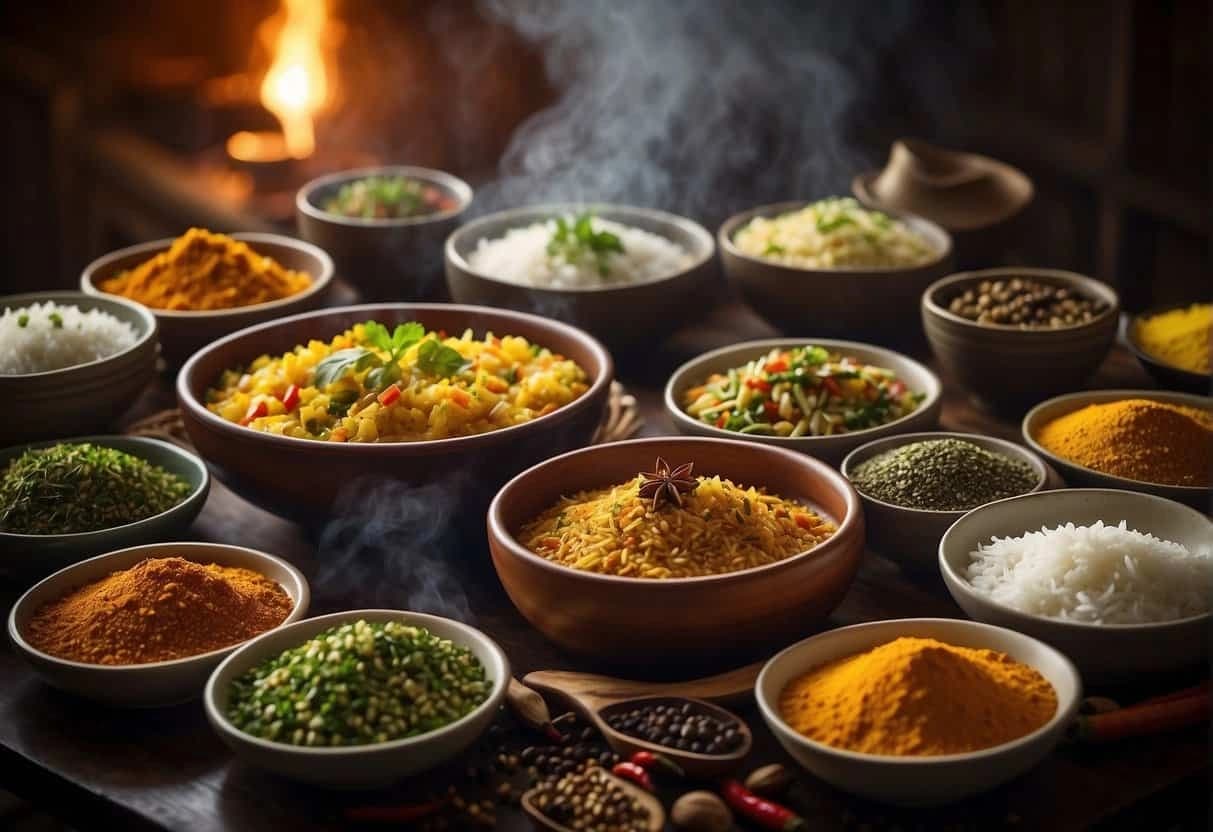
Sri Lankan cuisine is famous for its spice-rich identity. But spices are more than ingredients—they are carriers of history, trade, healing, and memory.
Cinnamon: The Island’s Ancient Treasure
Sri Lanka was once the global epicentre of cinnamon. The spice shaped trade routes, brought explorers, and influenced colonial battles. In home cooking, cinnamon symbolises warmth, sweetness, and the island’s natural wealth. A small piece in a pot of chicken curry instantly brings depth and aroma.
Turmeric: The Golden Healer
Turmeric is used not only for flavour but for its healing qualities. Before refrigerators were common, turmeric acted as a natural preservative. Mothers and grandmothers still use it in everyday remedies—from warm turmeric milk for the flu to turmeric water for cleansing fish. Its bright yellow colour is a reminder of its protective role in Sri Lankan households.
Mustard Seeds: The Spark of the Curry
The moment mustard seeds hit hot oil, they crackle and release their magic. That sound alone signals the beginning of a curry or tempering. It is a tiny ritual that transforms simple vegetables—like beans, pumpkin, or brinjal—into flavourful dishes.
Cloves, Cardamom, and Nutmeg: Remnants of Colonial Spice Routes
These spices reflect Sri Lanka’s long entanglement with global trade. Even today, a pot of biriyani or wattalappam brings together cloves, cardamom, nutmeg, cinnamon, and pandan—a symphony of flavours shaped by centuries of cultural exchange.
Chillies: Heat, Identity, and Expression
Sri Lankans measure food by “miris thiyenawada?” rather than by sweetness or salt. Red chillies and green chillies both have strong identities. They symbolise strength, boldness, and the Sri Lankan love for intense flavours.
Every spice has a purpose. More importantly—every spice has a story.
Grinding, Roasting, Tempering: The Old Rituals That Still Matter
Sri Lankan kitchens are defined by technique. These techniques are inherited, not written.
Grinding by Hand: More Work, More Soul
Before blenders and food processors, mothers used the miris-gala and the kurakkan-vangediya. Some households still use them today.
Grinding garlic, ginger, or roasted spices by hand produces a richer, deeper paste. It is considered a ritual that brings more texture and authenticity to dishes—especially pol sambol, lunu miris, and traditional curries.
Dry Roasting Spice Mixes
Almost every home has its own “secret” roasted curry powder. Families take pride in roasting coriander seeds, cumin, fennel, pepper, and dried chillies before grinding them. This creates a flavour profile unique to the household.
The Art of Tempering
Tempering (thela-thiyillama) is the soul of Sri Lankan cooking. The technique uses hot coconut oil to release aromas from curry leaves, onions, mustard seeds, garlic, and chillies. It adds character to dhal, sambols, stir-fries, and even rice.
Tempering is more than technique—it’s a sensory ritual. You hear it, smell it, and feel its warmth.
Coconut: The Life Force of Home Cooking
No ingredient is as central to Sri Lankan cooking as the coconut. From sambols to milk-based curries, coconut shapes the island’s cuisine.
Scraping Coconut
Many still scrape fresh coconut daily. The motion of turning the coconut shell against the blade is rhythmic, almost meditative. A fresh scrape brings unmatched flavour to kiri hodi, mallums, and desserts.
Coconut Milk: The Essence of Comfort Food
Thick milk (first extract) and thin milk (second extract) are used for different layers of flavour. The first extract enriches curries like potato curry, ambul thiyal gravy, and polos curry. The second extract forms the base of lighter curries and soups.
Coconut connects tradition, nutrition, and familiarity.
The Role of Freshness: Garden-to-Kitchen Tradition
Many Sri Lankan homes still grow their own curry leaves, gotukola, karapincha, chillies, and turmeric. The concept of “fresh” is deeply embedded in the cooking culture.
When a dish needs curry leaves, someone steps outside and plucks a few. If turmeric is needed, a fresh root is pulled from the soil and grated. This practice keeps the food grounded—literally and emotionally.
Food as a Family Language
In Sri Lankan households, food is more than sustenance. It is a way of expressing care, affection, and connection.
Feeding Others First
Many mothers will say “Mama passe kanawa” and make sure everyone else eats first. Serving food becomes a gesture of love.
Meals That Bring Everyone Together
Kiribath on Poya days, alms-givings, oil cakes during New Year, kola kenda on sick days—these rituals create shared memories.
Cooking as Collective Memory
Some recipes exist only in memory, not on paper—your grandmother’s kola mallum, your mother’s chicken curry, your father’s special omelette. These dishes represent moments in time, tied to the hands that made them.
Regional Rituals: A Nation of Diverse Flavours
Sri Lankan home cooking is not one tradition—it is many.
Jaffna
Strong, fiery flavours. Odiyal flour, crab curry, Kool—a different rhythm shaped by history and geography.
Down South
Coconut-heavy dishes, sour fish curries, ambul pol, and pol hodi shaped by coastal culture.
Kandyan Highlands
Mild coconut milk curries, herbal porridges, and earthy flavours linked to monsoons and forest life.
Malay & Moor Influences
Rich biriyanis, achcharu, and spicy pickles with heritage rooted in migration centuries ago.
Each region adds depth to the story of Sri Lankan food.
Click on here “How Jaffna Reinvented Its Street Food: From Odiyal Kool to Modern Fusion Cuisine”
Conclusion: Why These Rituals Matter
Sri Lankan home cooking is not disappearing. It is evolving, but the foundation remains strong. The rituals survive because they are more than methods—they are identity.
When a mother grinds sambol by hand…
When a grandmother roasts spices…
When a family gathers around kiribath on a Sunday morning…
These are acts of preservation. They keep memories alive and ensure that the next generation grows up with the same warmth, aroma, and belonging.
In Sri Lanka, every spice truly has a story—and every kitchen is where those stories live on.