The Secret Waterfalls of Nuwara Eliya: A Traveller’s Guide to Hidden Cascades
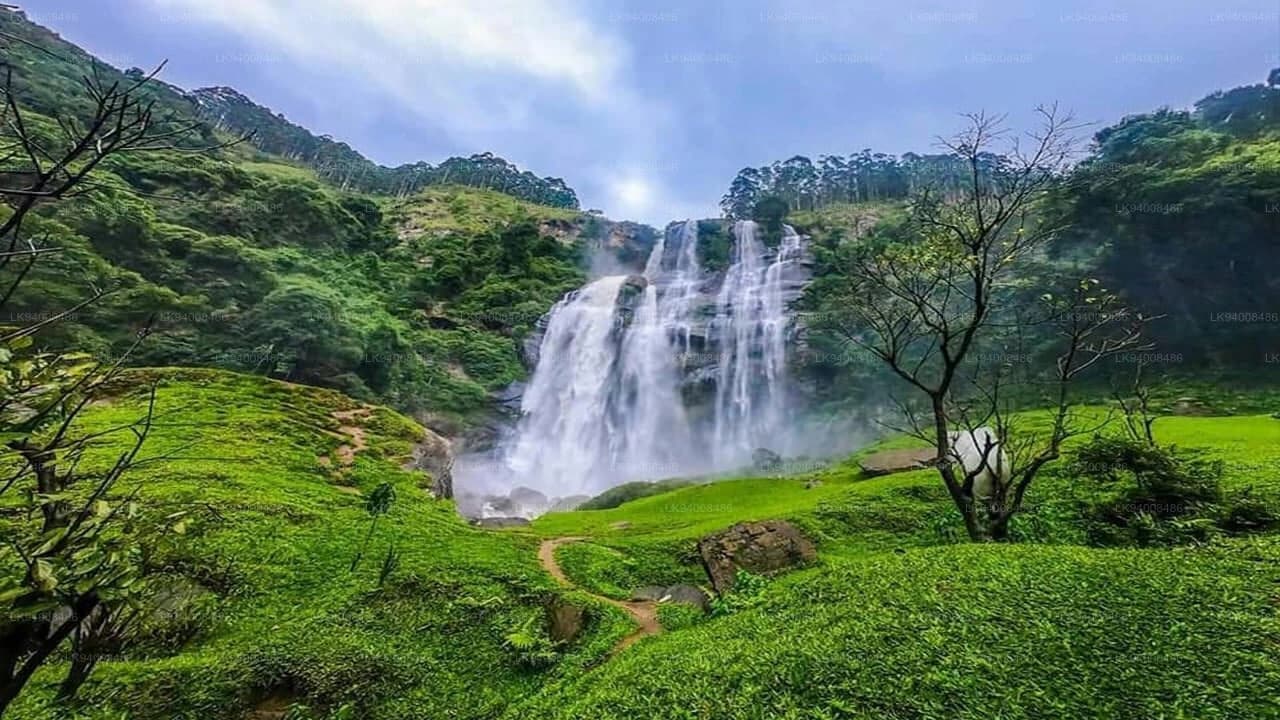
Nuwara Eliya is often celebrated for its manicured tea estates, crisp mountain air, and colonial-era charm. Yet beyond the misty lakesides and rose gardens lies another world—one shaped by roaring water, moss-covered stones, and deep forest shadows. Hidden inside this highland wilderness are waterfalls that most travellers never get to see. Some lie tucked behind tea fields, some inside quiet reserves, and some at the end of narrow trails bordered by wild ferns.
This guide brings together the region’s lesser-known cascades—ideal for travellers who love raw nature, photography, quiet escapes, and the thrill of discovering something unmarked on the map.
Why Nuwara Eliya’s Waterfalls Are Unique
Nuwara Eliya sits at one of the highest elevations in Sri Lanka’s central highlands—over 1,800m above sea level. This altitude, combined with dense cloud forests and year-round moisture, creates perfect conditions for waterfalls. But unlike the famous cascades near Ella or Kandy, many in Nuwara Eliya remain hidden because:
- They sit deep within tea estates.
- Trails are unmarked and known mostly to local estate workers.
- Some are overshadowed by well-known spots like Ramboda Falls or Lover’s Leap.
- Access often requires trekking through forest patches, streams, or mountain ridges.
The result? Quiet, untouched waterfalls where your only companions may be mist, birds, and the sound of rushing water.
1. Galaboda Ella – The Mist-Locked Cascade
Located along the railway line between Nawalapitiya and Watawala, Galaboda Ella is a waterfall many travellers pass—quite literally—without ever realising exists. Accessible by a short hike from the Galaboda railway station, this waterfall remains secluded because road access is limited.
What Makes It Special
Galaboda Ella bursts through a wall of green, splitting into two main streams depending on rainfall. The mist around the base is constant, especially during the monsoon months, creating a soft, immersive atmosphere ideal for photography.
Best For
Travellers who enjoy train journeys, quiet trails, and surreal, foggy landscapes.
Access Tips
- The hike can get slippery—wear shoes with grip.
- Midday light is best for photographs because the valley remains shady.
2. Dunsinane Falls (Pundalu Oya Falls) – A Double-Tier Wonder
Located near Pundalu Oya, Dunsinane Falls is formed where two streams meet, creating a dramatic bridal-veil cascade. It remains hidden because most tourists heading to Nuwara Eliya rarely detour into Pundalu Oya.
What Makes It Special
It consists of two major sections: the upper cascade, powerful and narrow, and the lower cascade, wide and elegant. Both are framed by steep plantation hillsides and thick tree cover.
Why It’s Underrated
Although visible from a distance, the best viewpoints require descending into tea fields or trekking through thin forest paths. The experience feels completely off-grid.
Traveller Notes
- Visit early morning for golden light hitting the upper tier.
- Water levels fluctuate—after heavy rain, the falls are thunderous.
3. Glassaugh Falls – The Three-Stage Hidden Treasure
Few waterfalls in the central highlands remain as unknown as Glassaugh Falls. Tucked inside a tea estate between Ragala and Udupussellawa, this three-stage waterfall is a dream for explorers.
Key Features
- A narrow upper section that drops sharply between two rock faces.
- A middle pool where water swirls gently before plunging again.
- A wide lower curtain that fans out beautifully over smooth rock.
The Charm
Reaching the base requires navigating estate footpaths that snake through old colonial tea fields. The landscape feels frozen in time.
Ideal For
Travellers seeking raw, untouched nature and off-the-beaten-track photography.
4. St. Clair’s Lesser-Known Neighbour: Devon’s Upper Cascade
Most travellers know St. Clair’s and Devon Falls—both visible from the main Hatton–Nuwara Eliya road. But few know that Devon Falls has an upper cascade hidden above the main viewpoint.
Why You Should Go
The upper section is quieter, softer, and set deep inside a lush basin. The ambience is completely different from the dramatic roadside view of the main fall.
What You See
- Mossy boulders
- Narrow streams weaving through creepers
- A natural amphitheatre formed by wet rock faces
Safety Note
Visit with a local guide; paths can be unclear and slippery.
5. Poondalu Oya Upper Falls – The Secret Above the Popular One
Above the well-known Pundalu Oya Falls lies an upper cascade that only estate residents and a handful of trekkers visit.
Why It’s Special
This cascade is framed by wild orchids, rhododendron trees, and the crisp mountain wind sweeping through the valley.
What to Expect
- A steep but short climb
- Clear pools ideal for cooling your feet
- A quiet plateau with panoramic views of surrounding tea estates
Photographers often prefer this upper fall because it feels untouched and completely private.
6. Gartmore Falls – A Highland Waterfall Sanctuary
Although technically located near Maskeliya, Gartmore Falls is often included in Nuwara Eliya’s hidden waterfall circuits because of its dramatic scenery and remoteness.
Signature Features
- A tall plunge fall that drops into a wide, calm basin
- Dense forest cover on both sides
- A grassy plateau ideal for picnics and long exposure photography
Why It Feels Magical
Mist rolls into the valley throughout the day, making the fall appear and disappear like a breathing curtain of silver.
How to Reach
A 45–60 minute trek through tea fields and steep forest paths. The route itself is beautiful.
7. Kolapathana Ella – Near Mandaram Nuwara
Mandaram Nuwara, the “mysterious village beneath the mist,” hides some of the island’s most dramatic waterfall landscapes. Kolapathana Ella is the crown jewel among them.
What You’ll Experience
- A massive, tall cascade that widens dramatically near the bottom
- Strong cool winds sweeping across the valley
- Thick forest cover that’s ideal for nature walks
- Birds and occasional deer sightings
Why It’s Often Missed
It’s far from the main town, and the last stretch requires a short trek. But the atmosphere feels ancient—like stepping into a forgotten kingdom.
8. Gerandi Ella – The Multi-Tier Giant
Gerandi Ella is technically a series of waterfalls, each dropping at different heights, forming one long chain of cascades over steep rock.
Highlights
- More than five visible tiers during high flow
- Dramatic rock formations
- Forest sounds—monkeys, birds, and wind echoing through trees
Best For
Adventurers who enjoy rewarding climbs and multi-level viewpoints.
Trail Tips for Exploring Hidden Waterfalls
1. Hire a Local Guide Where Possible
Many waterfalls are accessed via estate footpaths, private roads, or unmarked trails. A local guide avoids trespassing issues and keeps you safe.
2. Choose Good Footwear
Trails can be muddy, grassy, or rocky. Moisture stays throughout the year.
3. Avoid Swimming in Fast-Flowing Sections
Even shallow pools can hide strong undercurrents near waterfall bases.
4. Carry a Lightweight Rain Jacket
Mist and sudden showers are a daily reality in Nuwara Eliya.
5. Visit Early Morning
- Better light
- Softer mist
- Fewer people
- Wildlife encounters
6. Protect Your Camera Gear
Humidity can be high. Silica gel sachets help prevent lens fogging.
Seasonal Guide: Best Time to Explore These Waterfalls
March – May
Clear mornings, heavy afternoon mist, great for photography.
July – September
Drier months. Some cascades thin down but trails are safer.
October – December (Monsoon)
Full power, dramatic water flow, but paths get slippery—travel with caution.
January – February
Cool, crisp air; beautiful blue skies; excellent visibility.
The Cultural Side of Secret Waterfalls
Many of these cascades flow through tea estates with more than a century of history. Estate workers often tell stories of:
- Spirits believed to guard the waterfalls
- British planters who used the bases as picnic spots
- Water sources considered sacred by older generations
- Small shrines placed near the trails to protect travellers
These cultural layers add charm and depth to the journey. Always be respectful when passing shrines or prayer flags.
Photography Guide: How to Capture the Best Shots
1. Bring a Tripod
Essential for long exposure shots that create the silky-water effect.
2. Use Slow Shutter Speed
1/4s to 1s depending on water flow and available light.
3. Shoot From Low Angles
Wide angles with foreground rocks or ferns make compositions dramatic.
4. Incorporate Mist
Mist often strengthens atmosphere—don’t wait for it to clear.
5. Capture the Surrounding Tea Landscape
Many waterfalls sit within emerald-green estate scenery. The contrast is stunning.
Responsible Travel: Protecting Nuwara Eliya’s Waterfall Ecosystems
These hidden cascades remain pristine because footfall is low. Protect them by:
- Avoiding loud music
- Taking all litter back with you
- Staying on marked or safe paths
- Respecting estate boundaries
- Not damaging plants or moss-covered stones
- Avoiding wildlife interference
The charm of these waterfalls lies in their stillness—preserving that should be a traveller’s priority.
Sample Itinerary: A 2-Day Hidden Waterfall Adventure
Day 1
- Early train to Galaboda
- Visit Galaboda Ella (moderate hike)
- Transfer to Pundalu Oya
- Explore Dunsinane Falls + upper section
- Evening tea and dinner in Nuwara Eliya town
Day 2
- Early drive to Ragala
- Trek to Glassaugh Falls
- Continue towards Mandaram Nuwara
- Explore Kolapathana Ella
- Sunset at a tea estate viewpoint overlooking cloud forests
This itinerary balances adventure, photography, village life, and relaxation.
Why Hidden Waterfalls Matter for Travellers
While Ramboda Falls, Lover’s Leap, and St. Clair’s remain iconic, Nuwara Eliya has much more to offer beneath its mist-filled surface. Hidden waterfalls provide:
- Quiet escapes from crowds
- Intimate encounters with hill-country nature
- Authentic interactions with estate communities
- Raw, cinematic landscapes perfect for photography
- A sense of discovery that mainstream attractions can’t match
For travellers who crave solitude, mood, and mystery, these secret cascades are among the most rewarding experiences in Sri Lanka’s highlands.
Click on here “HOW ELLA’S MICROCLIMATES SHAPE ITS TEA AND FOREST BIODIVERSITY”