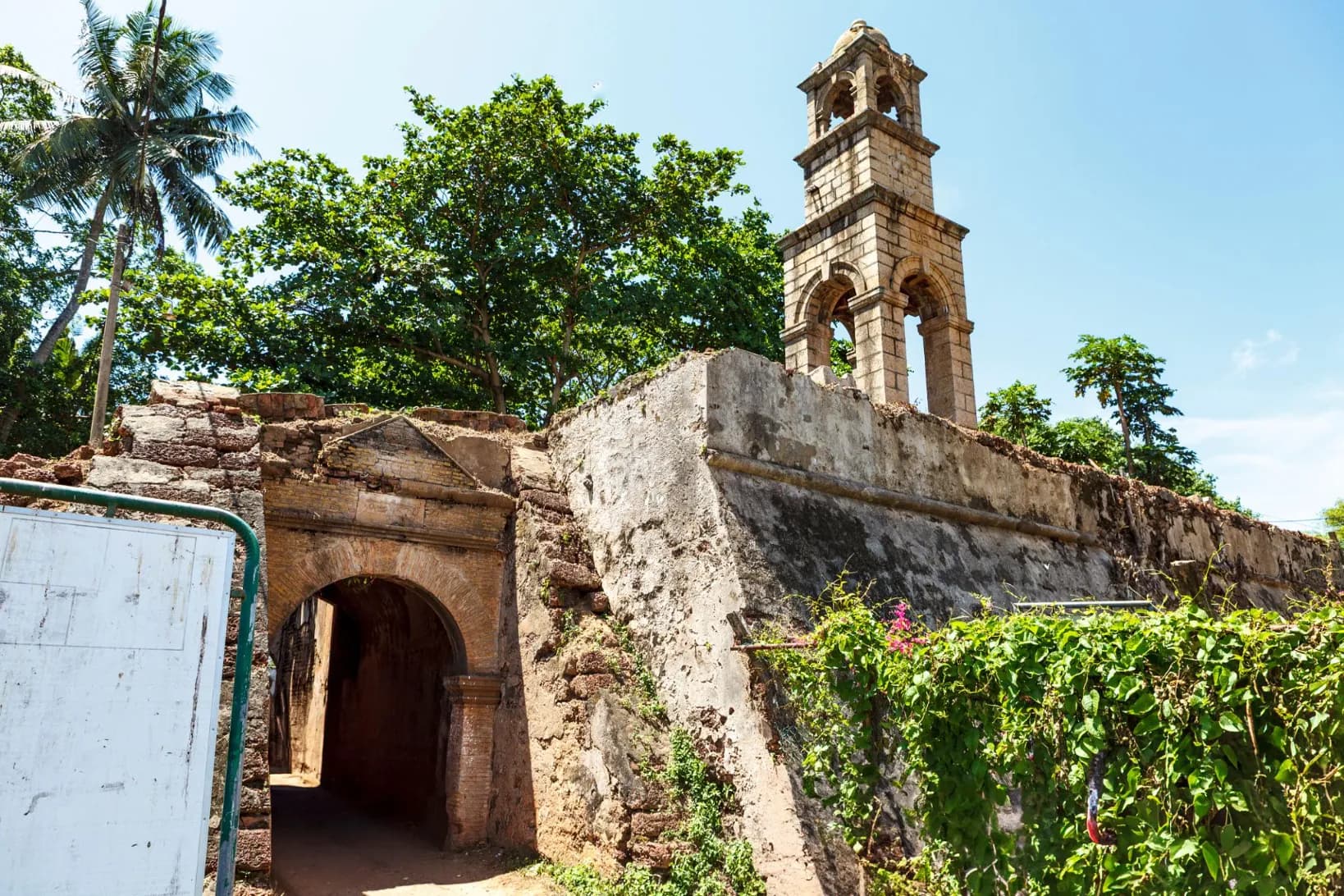
Toddy Culture of the Coastal Belt: A Deep Dive into an Old Drinking Tradition

For centuries, the coastal belt of Sri Lanka has moved to its own rhythm — the rhythm of waves crashing, nets being pulled ashore, and clay pots of freshly tapped toddy foaming at the brim. Toddy is more than a drink; it is a story of labour, heritage, community, and the unmistakable soul of the island’s fishing towns. It represents the merging of climate, craft, and culture, carried through generations without losing its authenticity.
This article explores the roots, rituals, livelihoods, and modern revival of toddy culture along the Sri Lankan coastline — from Negombo to Kalpitiya, Hikkaduwa to Matara, and the eastern shores from Trincomalee to Batticaloa.

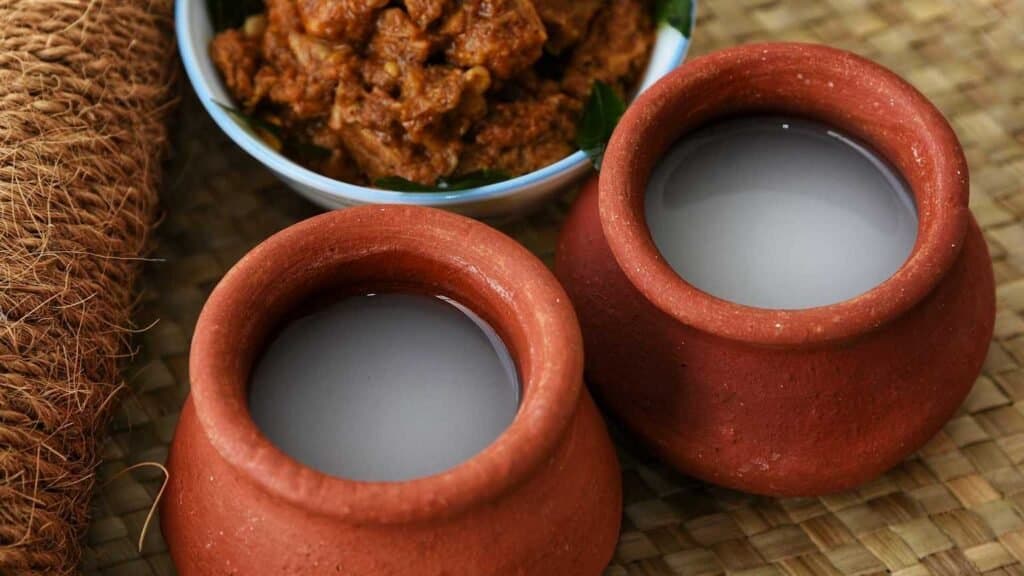

The Origins of Toddy Culture: Where It All Began
Toddy tapping developed naturally in regions where coconut palms grew in abundance. The coastal belt, with its endless lines of swaying trees, provided ideal conditions. Long before bottled arrack became a commercial product, toddy served as the everyday drink of fishermen, farmers, and coastal families.
The drink’s origins are tied to:
- The need for hydration and energy during long, labour-heavy days
- Community gatherings after fishing expeditions
- Rituals and ceremonies within village culture
- Early fermentation techniques perfected over centuries
What makes toddy unique is its simplicity — a drink created from nature, with no additives, artificial agents, or machinery. It is culture in its purest state.
The Toddy Tapper: Keeper of a Vanishing Craft
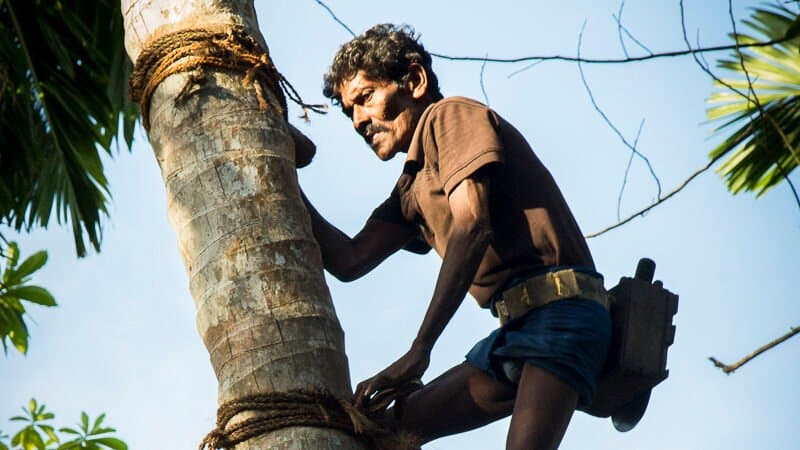

If toddy is the symbol, the toddy tapper is the craftsman behind it. Known as raandiyā in many coastal areas, the tapper’s work is both physically demanding and technically precise.
A Day in the Life of a Toddy Tapper
- Climbs dozens of trees before sunrise
- Walks across rope pathways between palms
- Cuts the coconut flower carefully to collect sap
- Transfers it into clay or aluminium pots tied high above ground
- Returns again in the evening to gather the day’s brew
The level of skill required is immense. Rope-walking between palm crowns — sometimes 40 to 60 feet high — is an art form, passed from father to son. A single misstep could be fatal.
Despite the risks, tappers take pride in their craft. Many coastal communities still rely on toddy tapping as a primary livelihood.
The Drink Itself: Sweet, Fermented, and Full of Character
Fresh toddy is a surprisingly dynamic drink. Its taste changes with time, temperature, and tapping technique.
Stages of Toddy
- Fresh (within 30 minutes):
Milky-white, sweet, fizzy, almost like a natural soda. - Semi-fermented (1–2 hours):
Slightly sour, more alcoholic, with a sharper aroma. - Fully fermented (3+ hours):
Strong, acidic, cloudy; often used for cooking or distilling.
The coastal belt’s warm climate accelerates fermentation, giving its toddy a distinct flavour profile compared to upcountry palm liquor.
Click on here “The Rebirth of Lankan Kottu: New Flavours, New Cities, New Stories”
Toddy Taverns: The Heart of Community Life
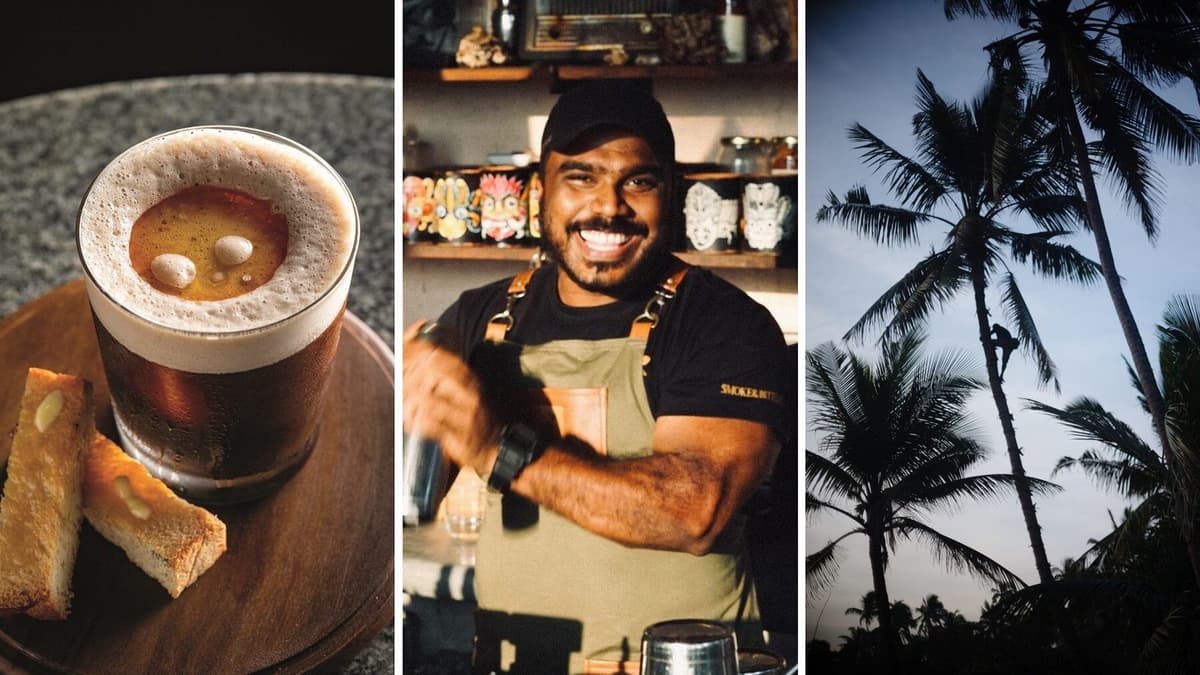
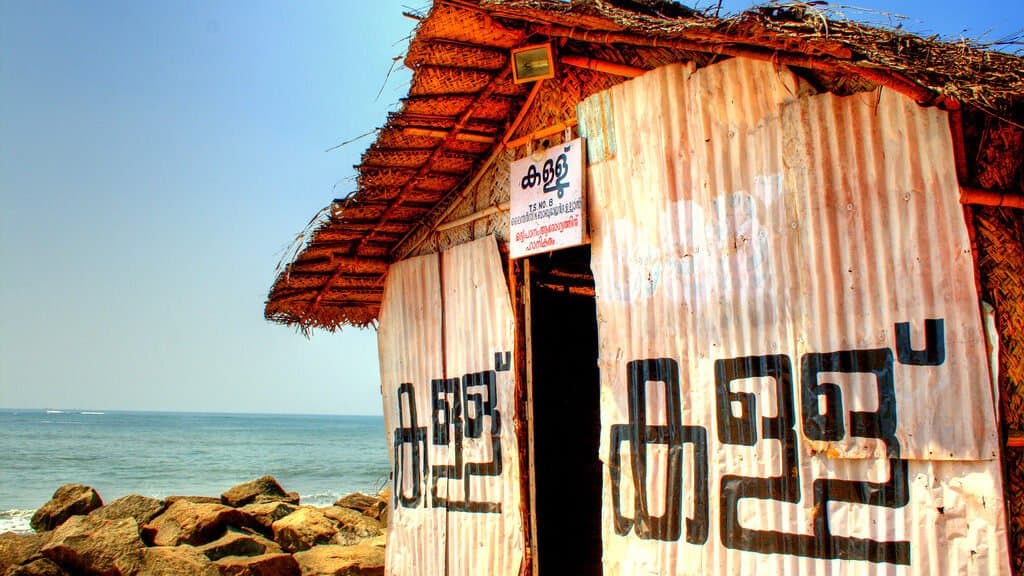
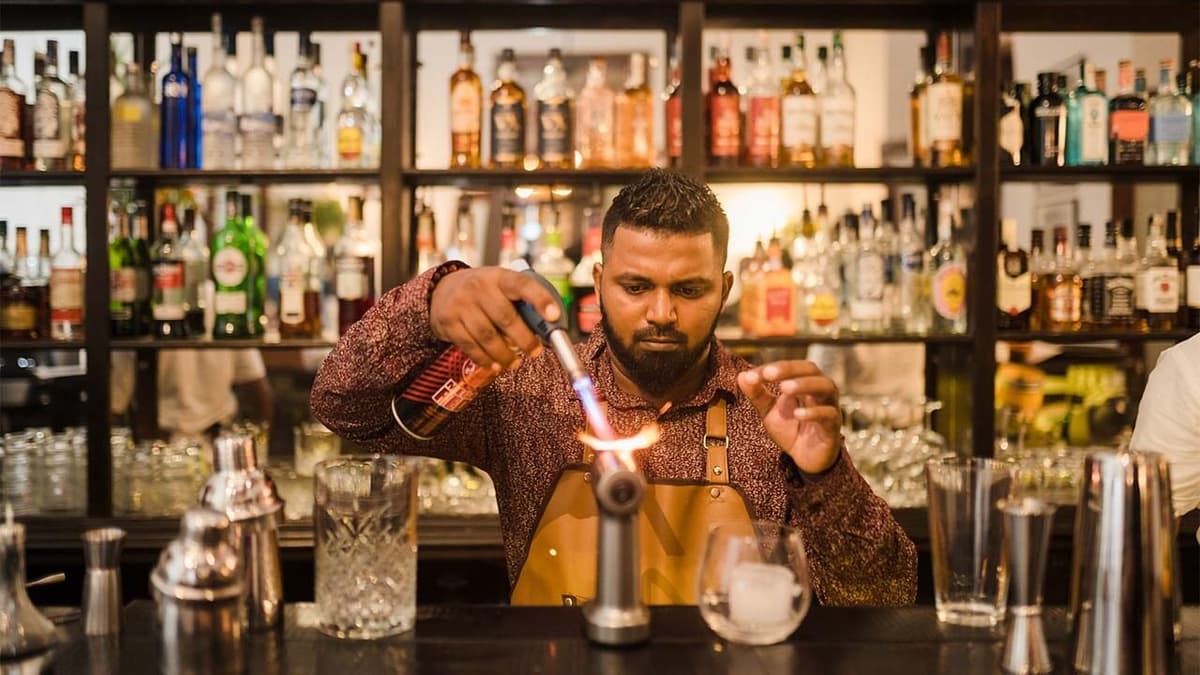
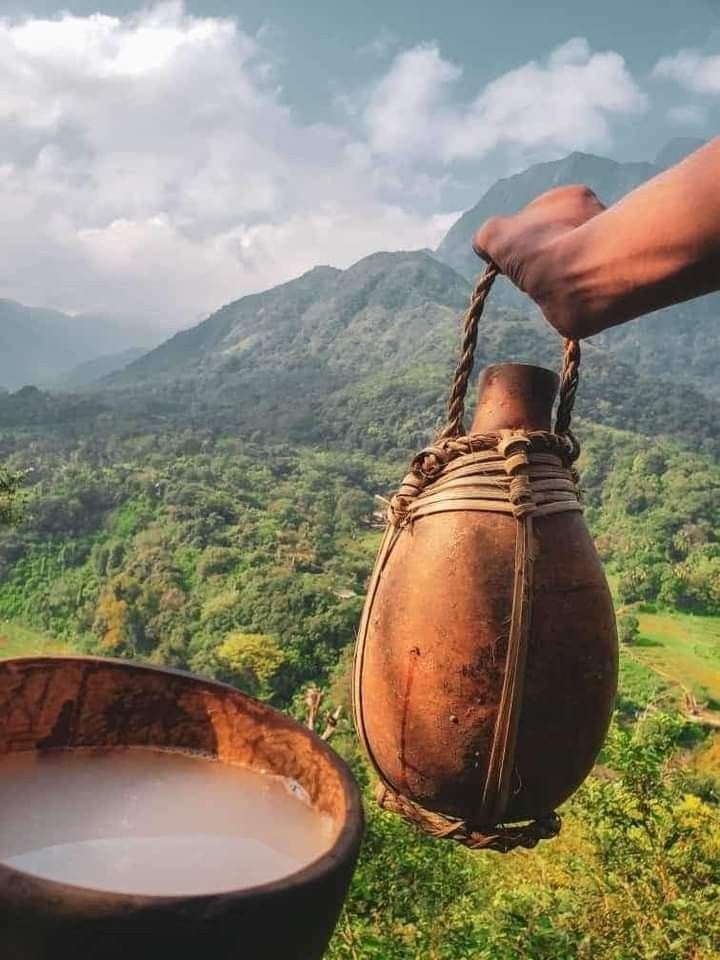
Toddy taverns, or raandiyā kade, remain some of the most authentic cultural hubs in Sri Lankan coastal towns. These spaces are far more than drinking spots — they are informal community centres.
Inside a tavern, you will find:
- Fishermen sharing stories of the day’s catch
- Villagers discussing politics, prices, and weather
- Locals enjoying fried seafood — cuttlefish, sprats, prawns
- Friendly debates, laughter, and music
The tavern becomes a social equaliser, where hierarchy fades and conversation flows freely. The coastal belt’s identity is deeply rooted in these interactions.
Seafood and Toddy: A Legendary Pairing
No discussion about toddy culture is complete without the iconic food pairings that define the experience.
Signature Coastal Dishes Served with Toddy
- Hot butter cuttlefish
- Polos cutlet (young jackfruit cutlets)
- Paraw or salaya fry
- Spicy devilled prawns
- Nethili (anchovy) fry
- Kiri hodhi and pol sambol
The acidity and alcohol of toddy enhance seafood’s richness, while the carbonation cuts through oil and spice.
Regional Variations Along the Coast
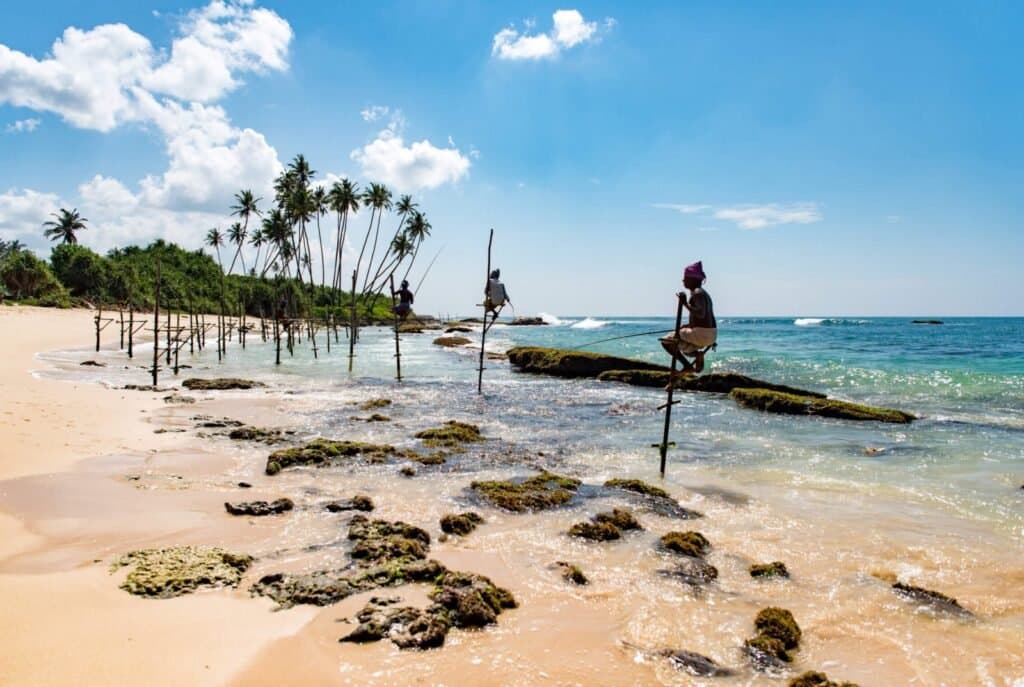
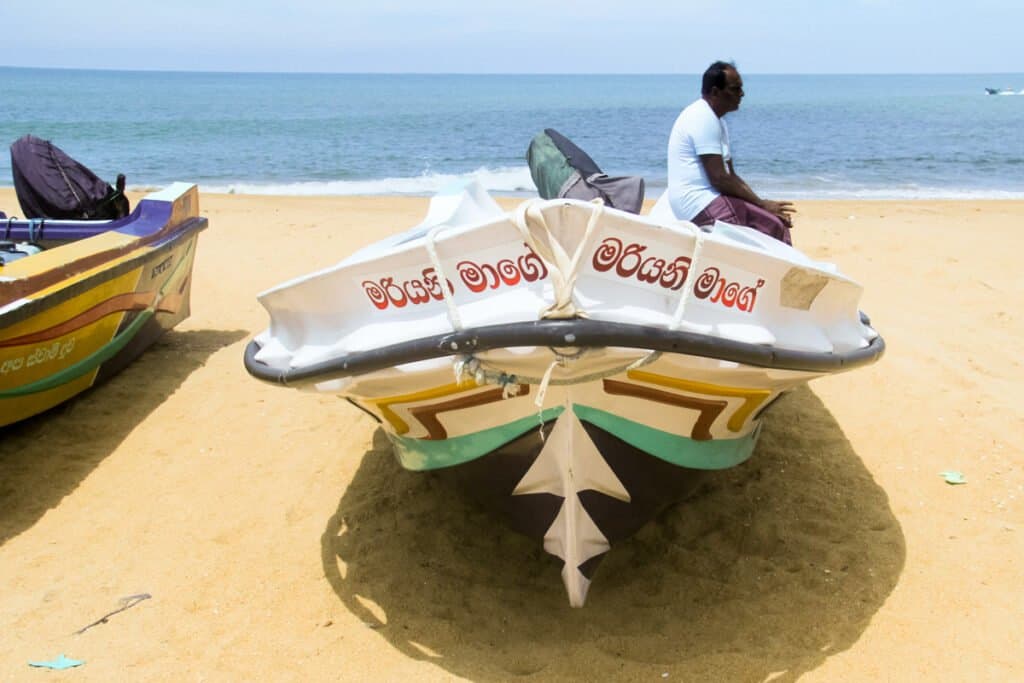
Across the coastal belt, each region adds its own twist.
Negombo & Chilaw
Known for strong, flavourful toddy. Tapping is highly commercialised, and taverns serve a mix of seafood and pork dishes.
Galle & Matara
Milder toddy with a sweeter profile. Often paired with stilt fishermen culture and beachside eateries.
Hikkaduwa & Unawatuna
Tourist-heavy zones where toddy is used in cocktails and culinary experiments.
Trincomalee & Batticaloa
Distinct eastern-style toddy with fruitier notes, often used in traditional Tamil cooking.
Kalpitiya
Toddy plays a role in lagoon-based livelihoods; many tappers also engage in crab and prawn fishing.
From Tradition to Industry: Toddy’s Influence on Arrack
Sri Lanka’s world-renowned arrack industry begins with toddy. Distillers depend on freshly collected toddy as the base for fermentation. The skill of the tapper directly affects the quality of the final product.
Why Coastal Toddy Is Preferred
- Higher natural sugar levels
- Faster fermentation due to warm climate
- Experienced tapping communities
- Cleaner, more controlled collection methods
The coastal belt remains the beating heart of the country’s liquor industry.
Cultural Rituals, Beliefs, and Symbolism
In many coastal communities, toddy plays a quiet but meaningful cultural role.
Ritual Use
Some regions use toddy during blessings for newly built boats or homes.
Symbol of Togetherness
Toddy is often shared after a successful fishing day — a gesture of unity.
Storytelling Tradition
Many legends, humorous anecdotes, and folk songs originate in toddy taverns.
Modern Challenges: A Culture at Risk
Despite its deep roots, toddy tapping faces significant threats.
Declining Number of Tappers
Young generations prefer urban jobs over high-risk palm climbing.
Regulation & Licensing
Strict rules have limited expansion of toddy taverns.
Safety Concerns
Accidents and lack of proper gear discourage newcomers.
Competition from Commercial Alcohol
Beer and spirits overshadow toddy’s traditional appeal.
Without preservation efforts, this centuries-old craft risks disappearing.
The Toddy Revival: A Slow but Promising Comeback
Across coastal Sri Lanka, small but significant revival efforts are emerging.
Tourism Integration
Some guesthouses and eco-lodges now offer toddy-tasting experiences.
Culinary Innovation
Chefs incorporate toddy into marinades, bread, desserts, and cocktails.
Cultural Documentation
Local filmmakers, photographers, and researchers archive stories of tappers.
Community-led Workshops
Villages teach tapping methods to preserve the tradition.
Sri Lanka’s younger creative generation is beginning to view toddy culture not as a relic, but as heritage worth protecting.
Why Toddy Culture Still Matters
The coastal toddy tradition is not merely a drinking custom. It is:
- A symbol of Sri Lankan identity
- A source of livelihood for entire coastal communities
- A bridge between nature and craft
- A living piece of heritage
- A reminder of the island’s simple, communal joys
Toddy culture represents the stories of people who wake before dawn, risk their lives atop swaying palms, and share their craft with the world — not for fame, but for the survival of a way of life.
Conclusion: A Tradition Rooted in Sea, Palm, and People
As the tides change and modern lifestyles reshape the island, toddy culture endures as a testament to resilience. The coconut palms continue to sway, tappers still walk the ropes, and taverns hum with laughter and coastal tales.
If protected and celebrated, toddy culture can thrive not just as a drink, but as a cultural asset — one that captures the soul of Sri Lanka’s coastal belt.