Two Countries, One Heart Sri Lankan Families of the Colonial Era and Their Beautiful Stories of Identity
History is often told through political events, economic systems, rulers, battles, and laws. Yet some of the most powerful stories are not about states or empires they are about people. They are about families who lived through different worlds, loved across cultures, and carried two homelands inside their hearts.
Sri Lanka’s colonial era is filled with such human narratives. Behind administrative power and structural change were families whose lives stretched between Ceylon and Europe, whose identities were layered, and whose hearts were often divided between two places that both felt like “home”.
These are stories of belonging, love, nostalgia, memory, struggle, culture and identity. And today, they continue to shape how Sri Lanka sees itself, how the diaspora connects to the island, and how heritage becomes deeply emotional rather than just historical.
Families Who Lived Between Two Worlds
Imagine growing up with English manners and Sri Lankan warmth. Imagine schooling in a convent or colonial institution in Ceylon, then later walking the streets of London or Melbourne, yet always carrying the scent of Sri Lankan rain in your memory.
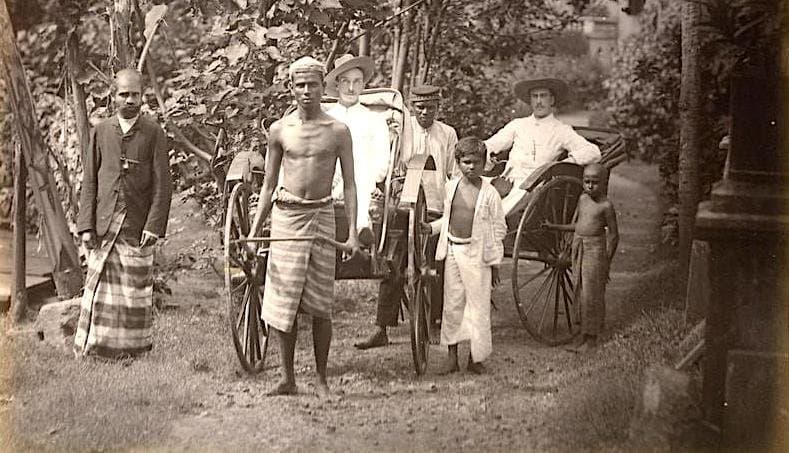
Many families during the colonial period developed multicultural lives. British officials married Sri Lankan women. Eurasian families flourished. Children were born with multiple cultural influences Western education, Asian roots, and hybrid lifestyles.
They celebrated Christmas and Vesak. They drank tea in the afternoons yet grew up with rice and curry. They spoke English fluently but carried Sri Lankan smiles, humour, hospitality, and an emotional depth that comes only from belonging to this island.
For these families, identity wasn’t a fixed box. It was layered, fluid, and deeply personal.
Love Stories, Families, and Emotional Journeys
We often talk about colonialism as policy and power, but we rarely talk about love. Yet the colonial period was full of genuine love stories marriages not built on politics, but on affection, admiration, companionship, and shared human connection.
There were courageous women who adapted to new cultures. There were men who embraced Sri Lanka as their second homeland. There were children who spent summers in England and monsoons in Ceylon, living lives that blended two identities effortlessly.
But it wasn’t always easy.
Some families faced cultural pressure.
Some navigated identity confusion.
Some children grew up asking, “Where do I truly belong?”
Some parents lived with the permanent ache of missing one homeland while living in another.
Yet out of these complexities came resilience, empathy, emotional strength, and a beautiful sense of belonging to more than one world. Instead of choosing one identity, they embraced both.
Homes Filled with Memory
One of the most beautiful aspects of these families was their homes.
Colonial-era Sri Lankan homes were full of life:
• wooden staircases
• verandahs overlooking gardens
• family portraits in black and white
• piano music drifting through hallways
• conversations mixing English charm and Sri Lankan warmth
• laughter echoing through evenings
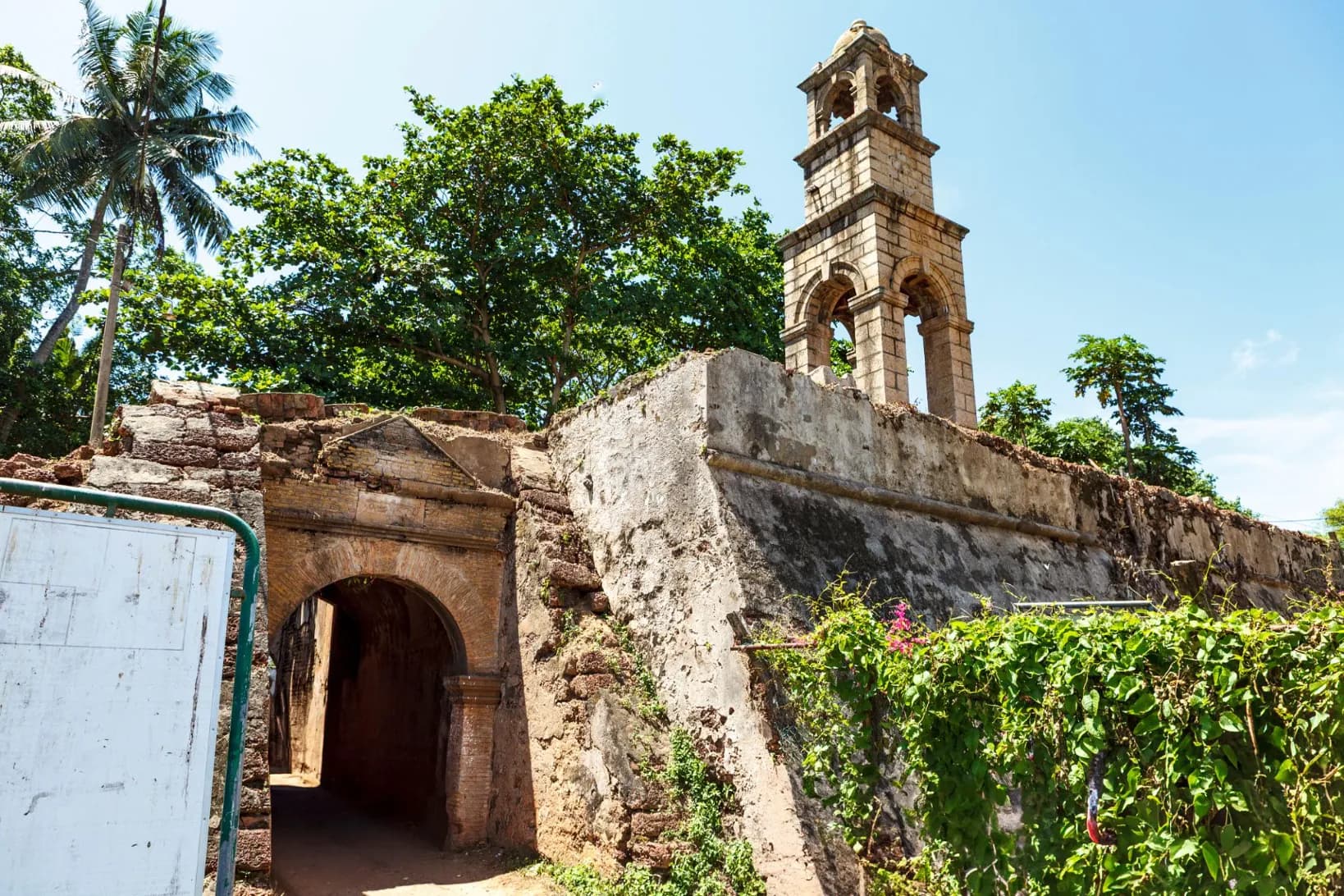
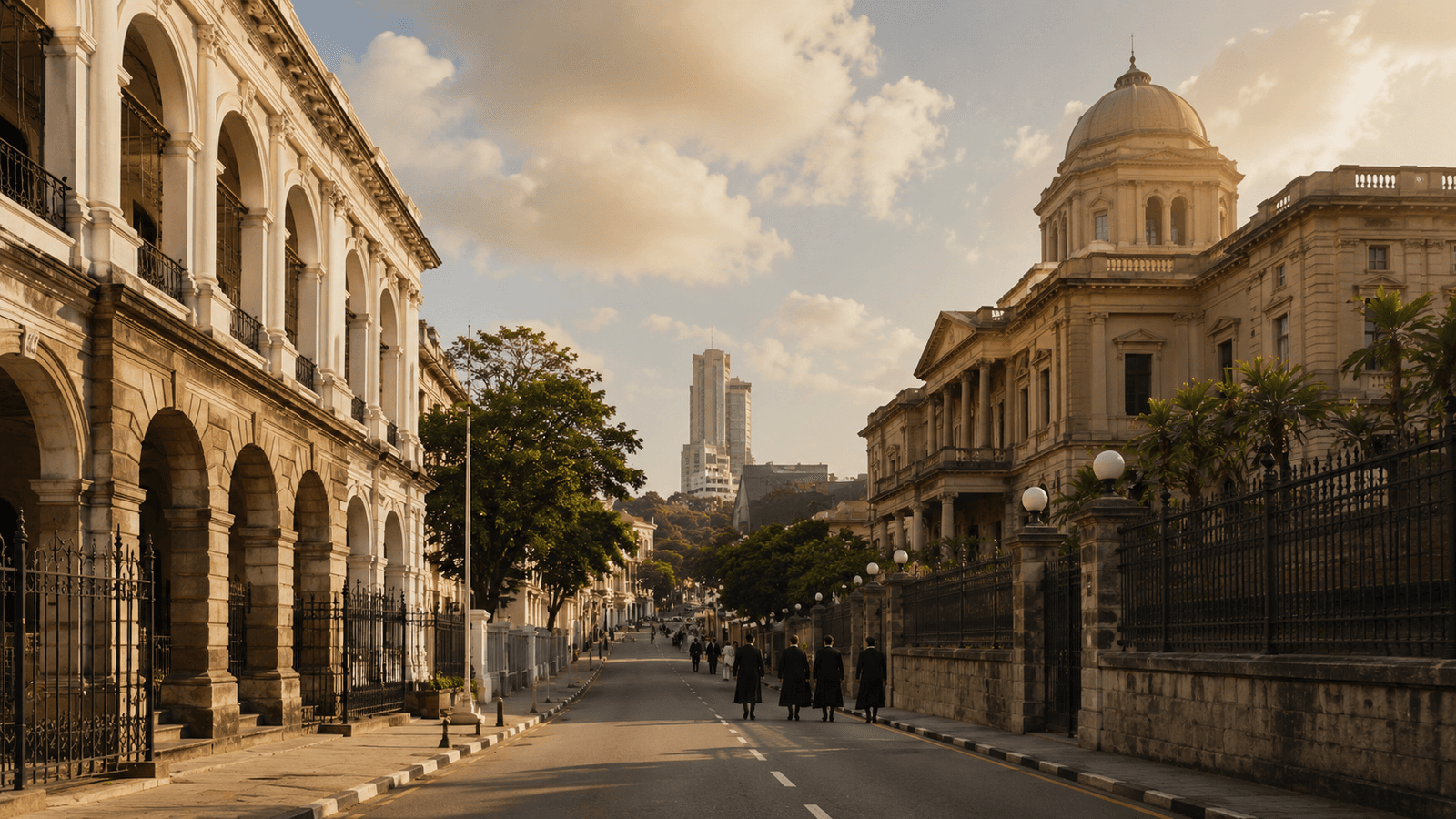
These homes became emotional archives. Even today, many stand silently in Colombo, Kandy, Galle, and Jaffna carrying whispers of childhood laughter, family gatherings, celebrations, farewells, reunions, and unforgettable stories.
For descendants of these families, returning to Sri Lanka is not simply tourism. It is homecoming. Walking into these old houses, visiting schools their parents attended, or stepping inside colonial churches often brings tears. Memory becomes alive again.
Heritage is not just architecture.
Heritage is emotion.
Diaspora & The Search for Roots
Generations later, many descendants of these families now live abroad. Britain, Australia, Canada, Europe the diaspora is widespread. Yet Sri Lanka continues to pulse quietly in their hearts.
Many return to:
• find ancestral houses
• visit ancestral towns
• explore archives
• reconnect with heritage
• discover family history
• understand identity
For them, Sri Lanka is not just a holiday destination it is a place of answers. It holds the beginning of their story.
Standing in a place where grandparents once walked creates connection. Touching an old family gravestone creates tenderness. Visiting schools, churches, temples, neighbourhoods and estates bridges generations.
This is more than travel.
This is emotional healing.
This is belonging rediscovered.
Heritage That Lives in Stories
Not every colonial-era family memory lives in museums or history books. Many survive because families preserved:
• love letters
• postcards
• handwritten diary entries
• wedding photographs
• school certificates
• family albums
• treasured personal belongings
• childhood keepsakes
These small personal items actually carry huge emotional power. They tell history through human hearts.
They show laughter, longing, excitement, courage, friendship, adventure, heartbreak and deep affection for Sri Lanka.
And they remind us that history isn’t just about dates.
It is about people.
It is about love.
It is about life.
Why These Stories Matter Today
In modern Sri Lanka, where life moves fast and change feels constant, remembering these stories matters.
They remind us that:
• Sri Lanka has always been multicultural
• identity can be beautiful and complex
• heritage is emotional, not only historical
• love shaped this country as much as politics did
• belonging can include more than one home
For Sri Lankan readers, these stories create pride.
For diaspora readers, they create connection.
For travellers, they create fascination.
For all of us, they create understanding.
Sri Lanka is not just a physical island.
It is a heart that connects generations, oceans, and cultures.
And that is something rare.
That is something deeply beautiful.
A Heritage Travel Journey for You
If you are someone with Sri Lankan roots, mixed heritage, or emotional curiosity Sri Lanka welcomes you. Not only with beaches and scenery, but with history, warmth, and a smile that always says:
“You belong here too.”
Walk into an ancestral church.
Visit a colonial school.
Stand in an old homestead yard.
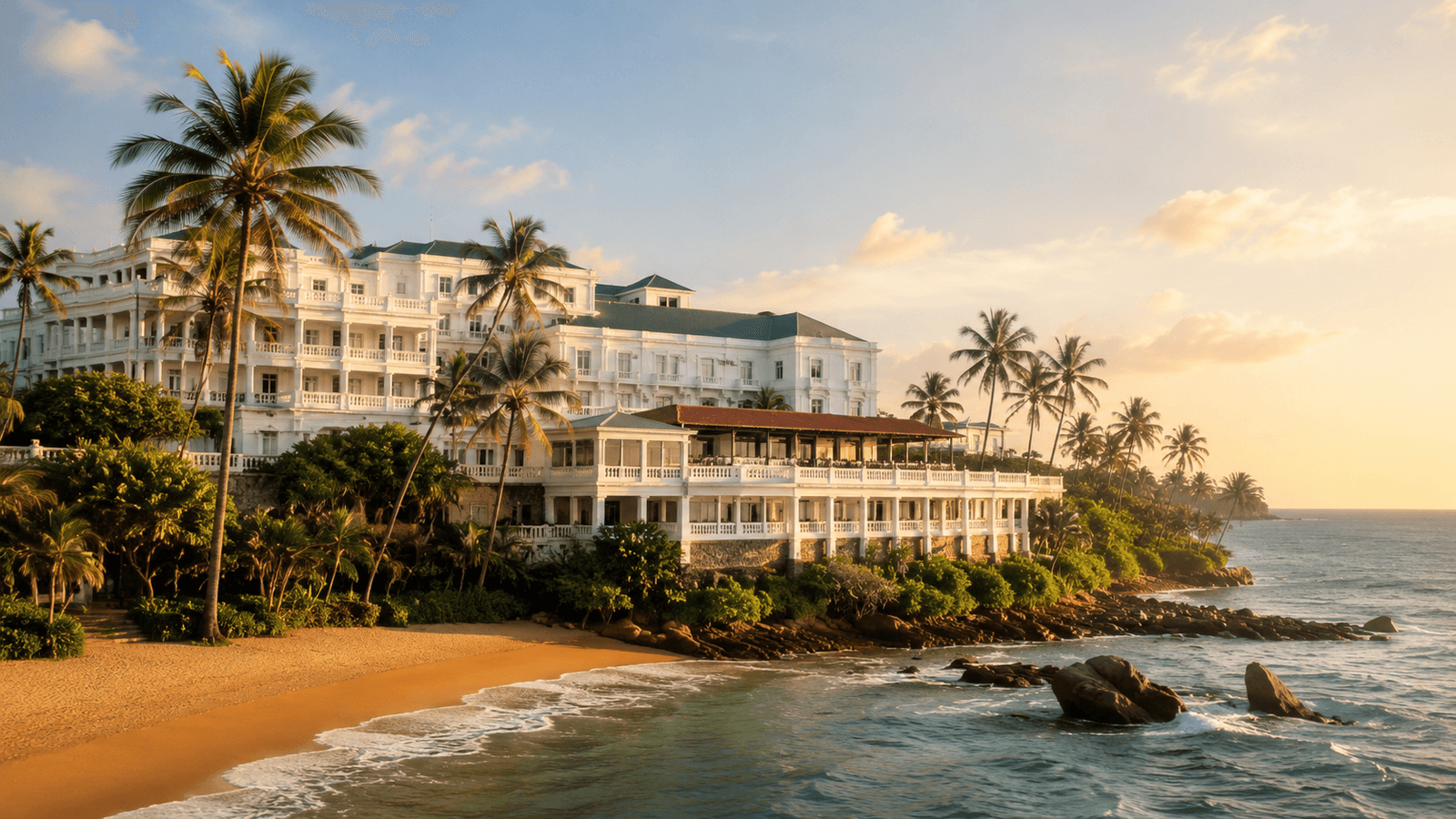
Sit quietly near the ocean your ancestors once watched.
And just breathe.
Somewhere in that stillness, connection will happen.
Because sometimes, hearts do belong to two countries.
And that is not confusion that is richness.
Click on here “Seeing Sri Lanka Through Roloff Beny’s Lens — The Photographer Who Fell in Love with an Island”