Understanding Mental Health in Disaster-Related Loss: Tourism, Community Wellbeing, and Sri Lanka After Cyclone Ditwa
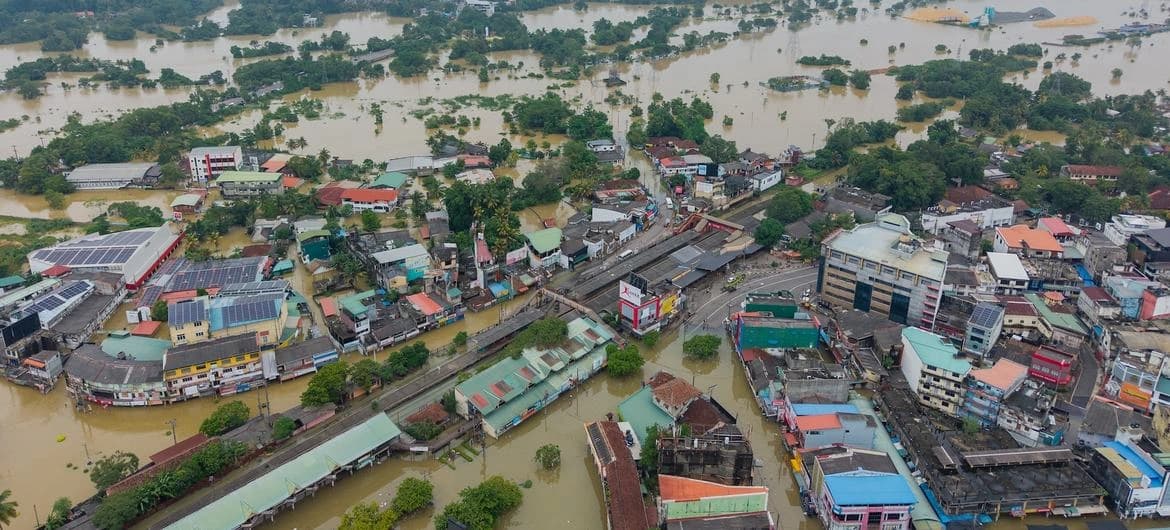
Cyclone Ditwa did not only tear through homes, coastlines, and infrastructure — it unsettled the emotional and economic foundations of many communities who directly support Sri Lanka’s tourism industry. While travellers often witness the physical devastation, the psychological trauma left behind is quieter, deeper, and long-lasting.
To understand the true impact on Sri Lanka as a travel destination, we must explore how disaster-related loss shapes mental health, community recovery, and the future of responsible tourism.
This article examines the emotional realities of Cyclone Ditwa, how communities in tourism belts are coping, and why mental health support is essential for rebuilding Sri Lanka’s tourism economy.
The Cyclone Ditwa Aftermath: What Happened and How Tourism Was Affected
Cyclone Ditwa struck several key travel regions, affecting both travellers and service communities:
Tourism-Heavy Districts Impacted
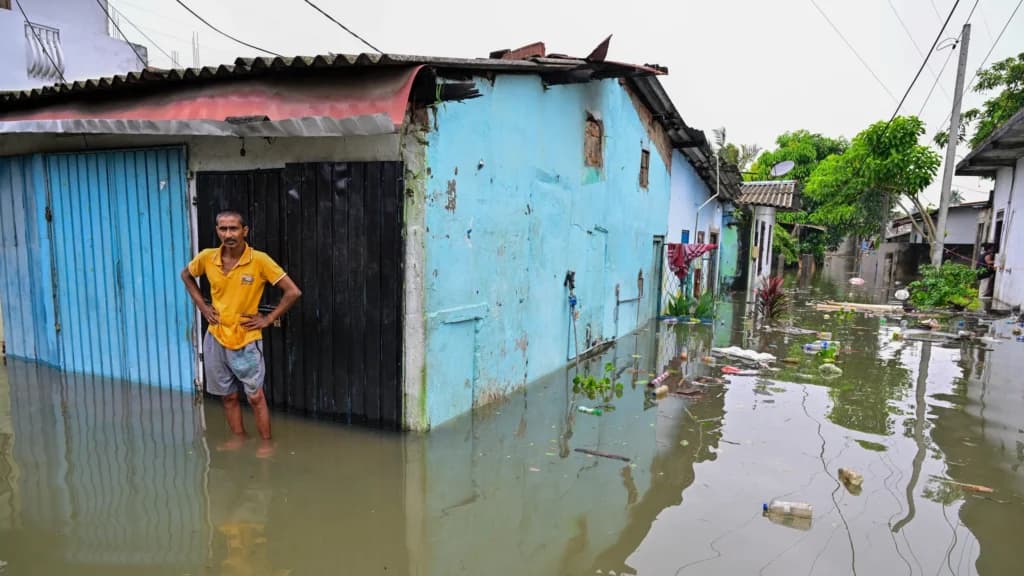
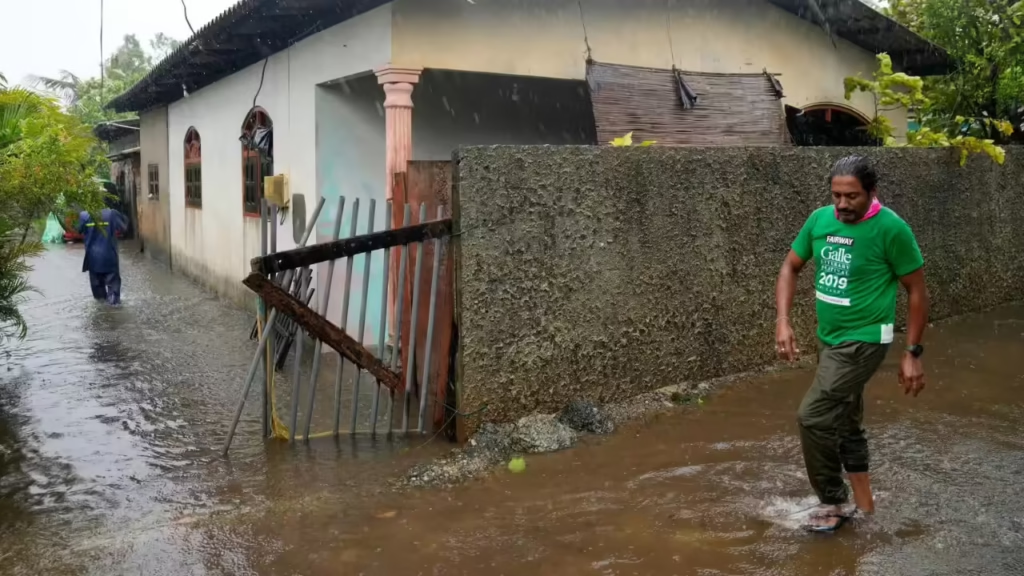
- Jaffna & Mannar — coastal surges, flooded roads, damaged guesthouses.
- Trincomalee & Batticaloa — fishing villages hit hard; beach accommodations affected.
- Arugam Bay & Pottuvil — temporary closures, infrastructure strain.
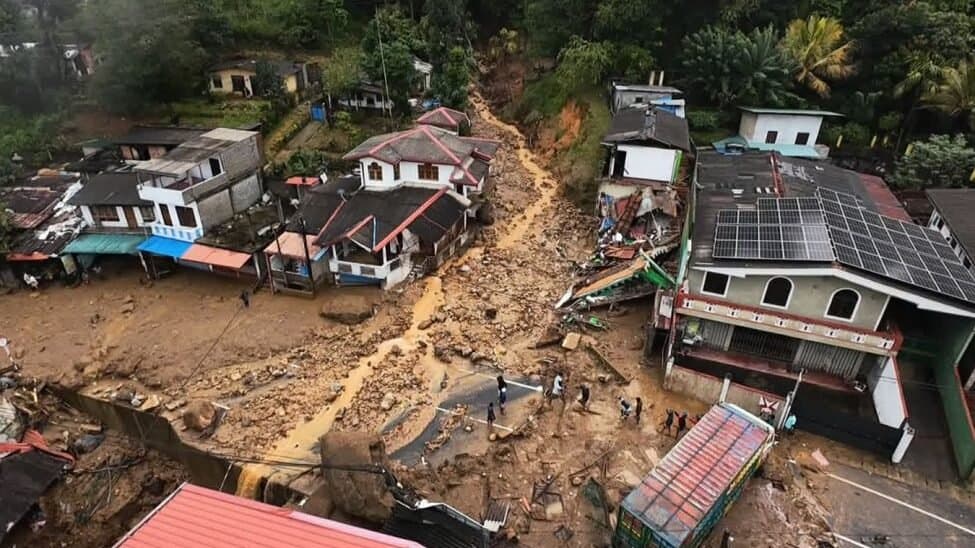
- Hill Country Routes — landslides blocking Kandy–Ella travel corridors.
- Kalpitiya — lagoon communities and kitesurfing areas affected.
While official numbers continue to evolve, immediate figures paint the scale:
Key Impact Metrics
- Deaths: Multiple fatalities across flood and landslide zones.
- Missing persons: Dozens reported missing, particularly in interior and coastal areas.
- Housing damage: Thousands of homes across tourism belts severely damaged or lost.
- Livelihood loss: Fisherfolk, homestay owners, tour drivers, and guides heavily affected.
- Environmental damage: Coastal erosion, debris-filled beaches, damaged reefs, disrupted wildlife habitats.
For travellers, the impact is visible. For communities, it is life-changing. Tourism cannot revive without community wellbeing — and mental health lies at the core of that revival.
How Disaster Loss Affects the People Who Power Tourism
Sri Lanka’s tourism is deeply community-driven. Unlike hyper-industrialised destinations, our tourism economy is built on small families, local entrepreneurs, homestay hosts, boat operators, craft sellers, tuk-tuk drivers, fishers, surf schools, and guides.
When a cyclone strikes, these groups suffer losses differently than big hotels:
1. Homestay and Guesthouse Owners
- Homes double as tourist accommodation.
- When a home is damaged, both personal life and livelihood collapse.
- Emotional burnout rises because the space that once welcomed travellers becomes uninhabitable.
2. Fisherfolk and Coastal Communities
These communities:
- Provide boat tours, dolphin-watching, lagoon trips, seafood experiences.
- Suffer the highest psychological distress because their identity, income, and heritage are tied to the sea.
A fisherman losing his boat is not losing a possession; he is losing his craft, pride, and stability.
3. Tour Drivers and Guides
Drivers and guides often come from rural districts where disasters hit hardest.
After the cyclone:
- Cancelled bookings increase financial anxiety.
- Responsibility to rebuild their own homes and assist extended family increases emotional strain.
- Many feel guilty providing a cheerful tourism experience while carrying personal trauma.
4. Women in Tourism
Women running:
- homestays
- cafes
- weaving businesses
- craft markets
face emotional overload due to:
- child care
- household recovery
- income loss
- community responsibilities
This burnout often goes unnoticed.
Tourism recovery is not possible when the people behind the experiences are mentally exhausted.
The Psychological Weight of Disaster in Travel-Dependent Regions
Communities in tourism belts experience trauma differently because their sense of stability is tied directly to visitor arrival.
1. Fear of Losing the Tourist Season
After Cyclone Ditwa, many asked:
- “Will tourists still come?”
- “Will the season fail?”
- “How long until people trust to visit again?”
For small operators, missing a season can mean a full year of debt.
Click on here “How Mini Adam’s Peak Became a Cultural Symbol for Global Travellers”
2. Anxiety About Future Disasters
Coastal communities that thrive in tourism also fear:
- new storms
- rising sea levels
- unpredictable monsoons
- landslides on hill routes used by tourists
This creates chronic anxiety.
3. Social Pressure to Recover Quickly
Communities often feel:
- “Visitors expect everything to look normal.”
- “We must not show weakness.”
- “We must rebuild fast to host guests.”
This pressure suppresses emotional expression.
4. Trauma from Loss of Loved Ones
In some tourism zones, whole families rely on:
- one boat
- one shop
- one tuk-tuk
- one seasonal income
The death or disappearance of even one family member destabilises everything.
Grief becomes intertwined with survival.
The Tourist’s Perspective: What Visitors Often Don’t See
Visitors usually admire:
- resilient smiles
- clean beaches after clearance
- revived hotels
- restored attractions
But what they don’t see is:
- the fisherman who still wakes up shaking when the wind rises
- the homestay owner who sleeps lightly, fearing another storm
- the guide who lost a relative in the landslide last week
- the mother who hides her fear behind warm hospitality
Tourism creates a frontline where emotional labour is expected, even in trauma.
A fisherman might be conducting a lagoon tour while silently thinking about a missing friend.
A tuk-tuk driver may crack jokes while worrying about rebuilding his home.
Understanding these hidden realities makes travellers more compassionate and responsible.
How Disaster-Related Mental Health Influences Tourist Destinations
1. Hospitality Quality
Emotional exhaustion reduces:
- patience
- enthusiasm
- service consistency
- energy for storytelling and guiding
2. Cultural Experiences
Traditional ceremonies, craft markets, and community festivals may pause due to grief or displacement.
3. Environment and Aesthetics
- Damaged beaches
- Disrupted wildlife zones
- Fallen trees
- Flooded paths
- Temporarily closed trails
All affect traveller experiences.
4. Youth Migration
Younger generations may leave tourism towns after trauma, seeking stability elsewhere.
This drains local culture and reduces community-led experiences.
5. Safety Concerns
Mental exhaustion affects:
- decision-making
- risk assessment in tours
- emergency preparedness
Supporting mental health indirectly supports tourist safety.
Disaster Trauma and the Landscape: How Nature Itself Holds Memory
Sri Lanka’s landscapes are part of its emotional identity.
After Cyclone Ditwa:
- beloved beaches reshaped
- sandbanks shifted
- lagoons expanded
- mangrove belts damaged
- parts of coral reef destroyed
- landslides altered hill-country trails
To travellers, landscapes are visuals.
To locals, landscapes are memory, heritage, and emotional comfort.
When a place changes violently, it triggers grief.
A fisherman whose father taught him to fish in a lagoon that is now unrecognisable feels the loss deeply.
A homestay owner seeing the beachfront moved 20 metres inland experiences emotional disorientation.
This connection between land and mental health is especially strong in tourism regions where nature is central to identity.
Why Mental Health Support Is Essential for Tourism Recovery
Tourism does not recover when flights resume or hotels reopen.
It recovers when people feel emotionally ready to host again.
1. Communities Need Psychological First Aid
This includes:
- grief support
- anxiety management
- trauma stabilisation
- safe spaces for emotional expression
Even basic training can transform recovery.
2. Tourism Workers Need Counselling and Stress Relief
Hotel staff, guides, and drivers often continue working through trauma.
Support programs reduce burnout and improve service quality.
3. Children in Tourism Communities Need Stability
Tourism towns often depend on multi-generational family involvement.
If children experience trauma:
- schooling suffers
- social withdrawal increases
- confidence reduces
This affects the next generation of tourism leadership.
4. Rebuilding Livelihoods Reduces Psychological Distress
Programs that help:
- restore boats
- rebuild cafes
- repair guesthouses
- revive local craft industries
directly improve mental wellbeing.
5. Visitors Benefit From Emotionally Healthy Communities
Emotionally strong communities offer:
- better cultural exchange
- safer activities
- more authentic experiences
- more joyful interactions
Tourism becomes more sustainable when mental health is prioritised.
The Role of Responsible Tourism After Cyclone Ditwa
Travellers can play a crucial part in the emotional recovery of communities.
What Responsible Visitors Can Do:
- Support locally-owned businesses.
- Tip generously when possible.
- Be patient with slower service.
- Avoid insensitive questions about losses.
- Participate in community-based experiences.
- Choose eco-friendly activities that help restoration.
- Visit impacted areas respectfully — not as “disaster tourists”.
Tourism can be healing when travellers engage with empathy.
How the Government and Tourism Authorities Can Support Mental Health
1. Integrate Mental Health in Tourism Recovery Plans
Include counselling teams in affected districts.
2. Train Tourism Staff in Trauma Sensitivity
Guides, hotel staff, and drivers benefit from psychological awareness.
3. Create Emergency Communication Protocols
Reduce panic and misinformation during future events.
4. Support Eco-Restoration Tourism Projects
Reef recovery
Mangrove planting
Beach rehabilitation
These provide therapeutic value to locals and meaningful experiences for tourists.
5. Promote Slow Tourism Over High-Volume Tourism
This reduces community pressure and allows time for emotional recovery.
Rebuilding the Future: A Tourism Landscape That Understands Trauma
Cyclone Ditwa is a reminder that tourism in Sri Lanka is deeply intertwined with community health.
To truly rebuild:
- beaches must be restored
- roads repaired
- homes reconstructed
- livelihoods revived
- but most importantly — emotional wellbeing must be healed
Sri Lanka’s greatest tourism asset is not only its landscapes, but the warmth of its people.
Their smiles will return fully when their grief is acknowledged, their trauma treated, and their hope restored.
Conclusion: Beyond Recovery — Toward a More Compassionate Tourism Model
As Sri Lanka moves past Cyclone Ditwa, the story is not only about damage and death counts.
It is about the human spirit navigating loss, uncertainty, and slow rebuilding.
Understanding mental health in the context of disaster helps:
- travellers become more mindful
- businesses become more supportive
- authorities create humane policies
- communities find strength
Tourism is not just an economic activity for Sri Lanka.
It is a relationship — between visitors and the people who host them.
When we acknowledge the silent emotional struggles after a disaster, we build a more compassionate, resilient tourism future for the island.