The Unexplored Colonial Bungalows of Diyatalawa: Hidden History in the Mist
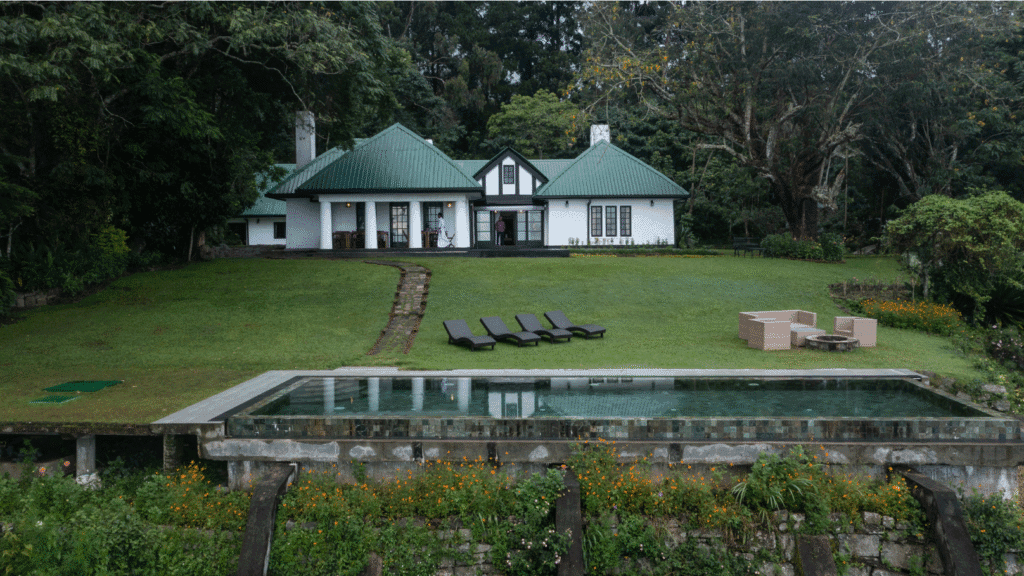
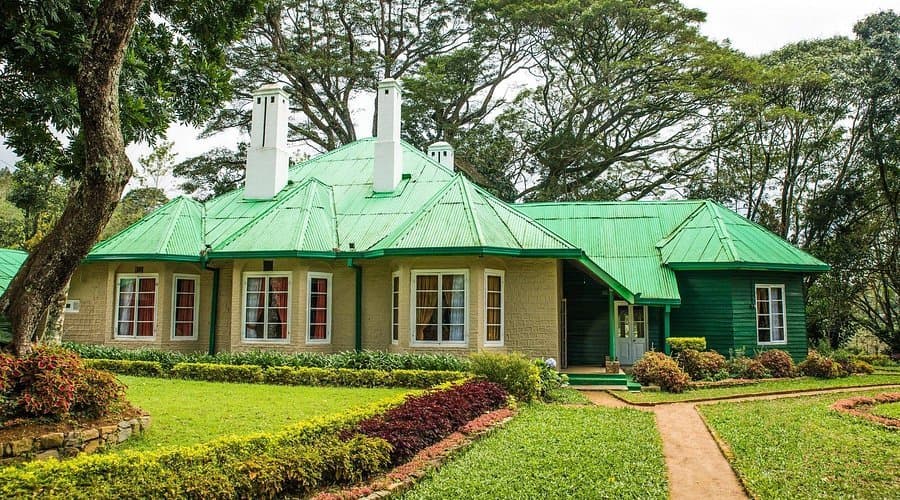
Diyatalawa is often associated with its military history, cool climate, and quiet up-country charm. Yet tucked away behind pine forests, winding roads, and mist-covered ridges lies a collection of forgotten colonial bungalows — some still proudly standing, others slowly being consumed by time. These homes were once symbols of British administrative life, holiday retreats, and military residences. Today, they remain some of the least explored architectural gems in Sri Lanka.
This is a journey into the soul of these structures: who built them, how they shaped the region, and why they continue to captivate travellers who venture off the beaten path.
Where the Story Begins: Diyatalawa’s Colonial Footprint
The British selected Diyatalawa in the late 1800s as a strategic military location because of its cool climate and natural vantage points. What followed was the construction of the Diyatalawa Camp, the Boer War prisoner-of-war facility, and several officers’ quarters.
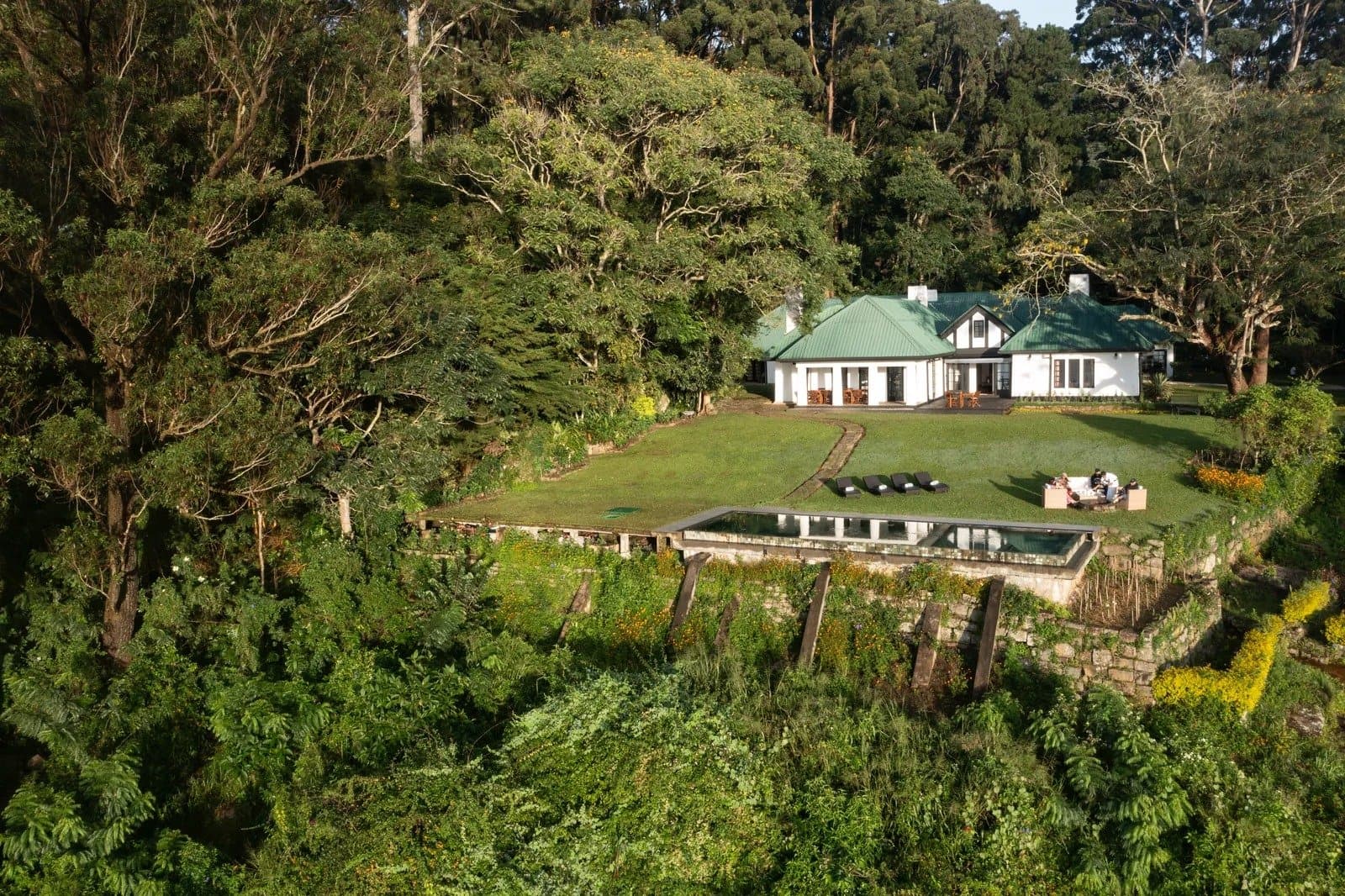
The bungalows built during this time reflected British architectural preferences fused with tropical practicality. High roofs, wide verandas, timber floors, fireplaces, and manicured gardens made them uniquely suitable for both comfort and durability in the up-country weather.
But unlike the well-known colonial estates of Nuwara Eliya or Bandarawela, Diyatalawa’s bungalows have remained quiet, almost hidden — preserved by their isolation and the town’s understated reputation.
Timeless Architecture: What Makes These Bungalows Special
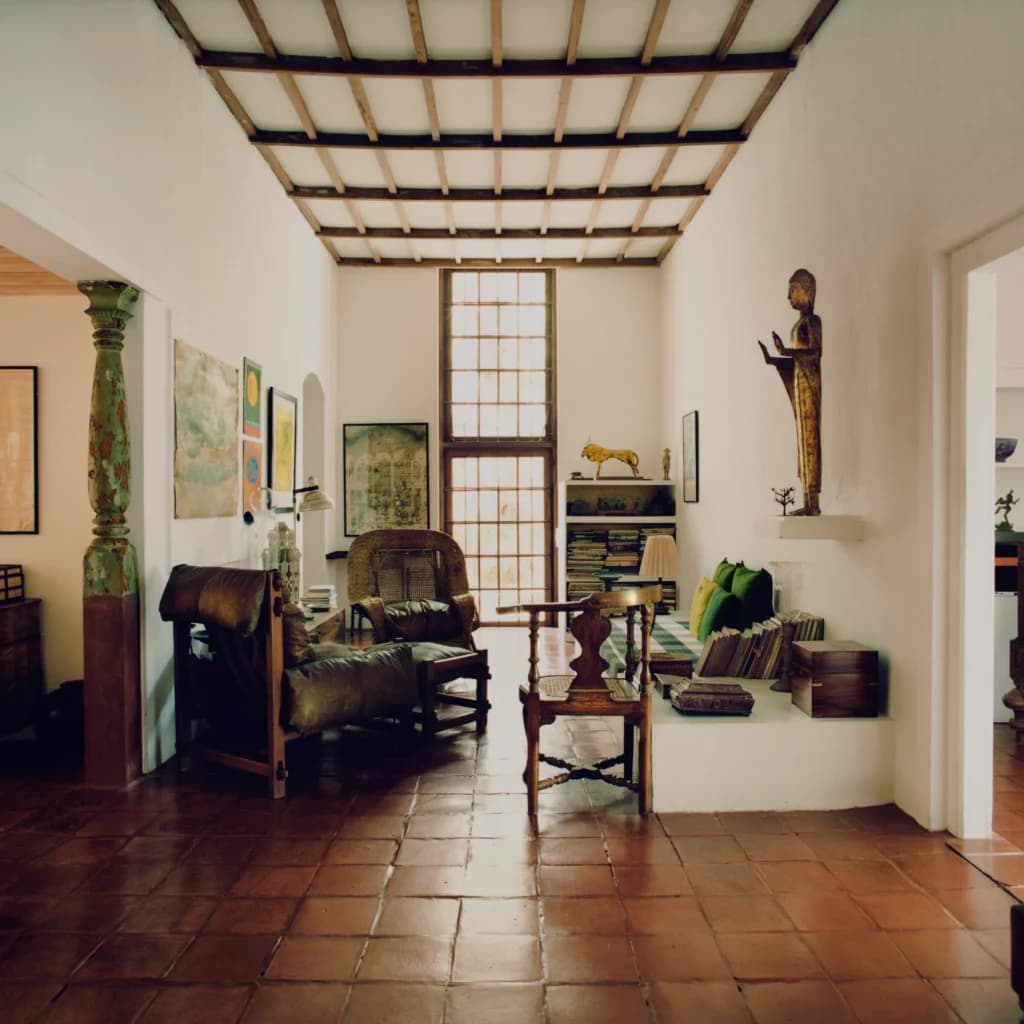
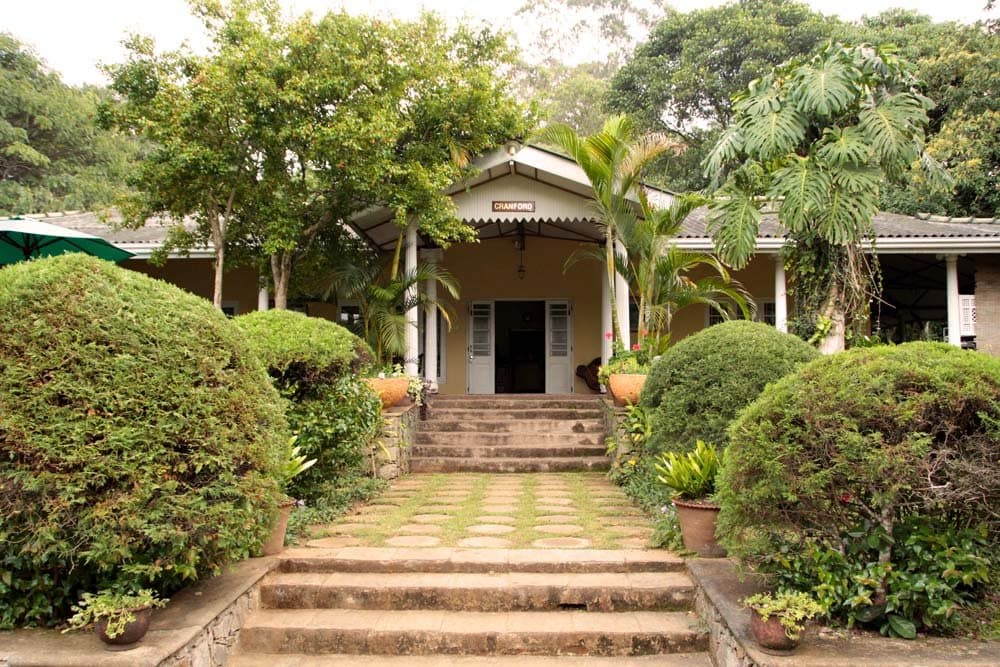
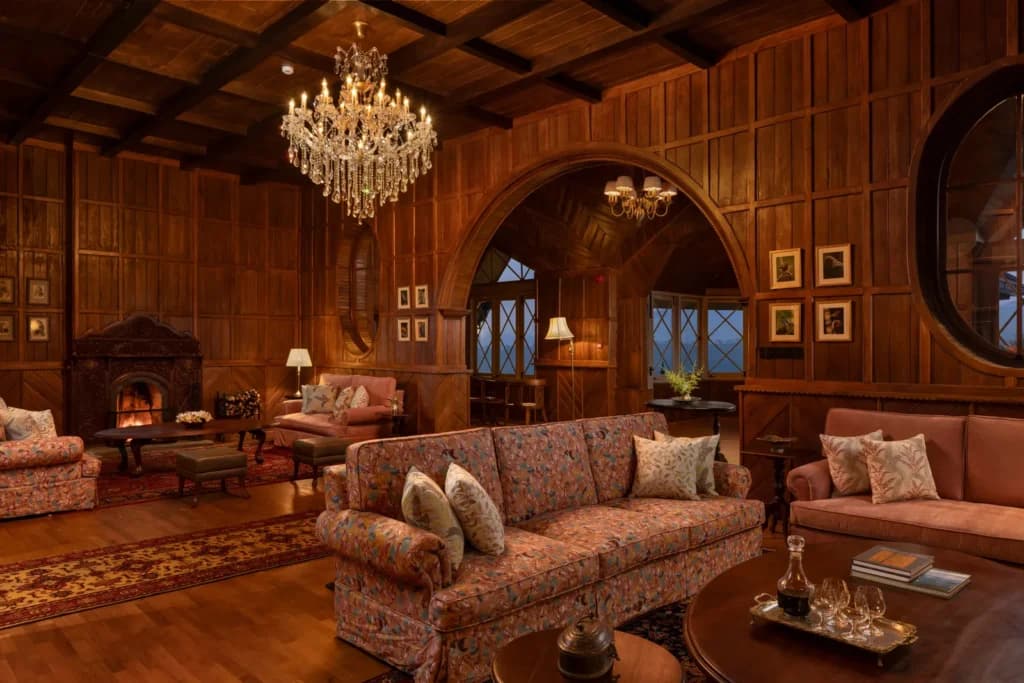
Every bungalow tells its own story, but several characteristics define the Diyatalawa colonial style:
1. The Signature Veranda
Wide, wrap-around verandas served both an aesthetic and functional purpose. They shielded the interior from rain and allowed residents to sit outdoors without facing the harsh mountain chill directly.
2. Fireplaces in Every Room
While fireplaces are expected in the hills, many Diyatalawa bungalows have multiple fireplaces — a testament to how cold the region once was.
3. Timber-Rich Interiors
From polished wooden floors to exposed beams, timber played a central role. It added warmth, resisted cold, and created the uniquely cosy atmosphere colonial homes are known for.
4. Stone Pathways and English Gardens
Most bungalows maintain their original landscaping — cobblestone paths, rose gardens, neatly trimmed hedges, and pine trees arranged along property lines.
5. High Ceilings and Lofty Roofs
These kept interiors cool during hotter months and reduced dampness during colder ones. The slanted roofs also allowed rain to run off easily in sudden downpours.
Forgotten Yet Majestic: Rarely Spoken-About Bungalows
Unlike the more publicised plantations in Nuwara Eliya, Diyatalawa’s colonial houses lie mostly on hidden lanes:
The Hillside Officers’ Quarters
Some still serve military purposes. Others — long retired — sit quietly, untouched and unrenovated. These bungalows carry an eerie stillness, as though the footsteps of officers still echo in their hallways.
Old Planters’ Lodges
A small number of plantations once existed around Diyatalawa and Uva Paranagama. Their owner’s residences, though not as grand as tea-estate manors, stand with rustic elegance.
Private Holiday Bungalows
Certain colonial homes were privately owned by British families who used them as mountain retreats. Many are still privately held today, passed down through generations in Sri Lanka.
What makes these properties fascinating is that they are not commercialised. Some are inaccessible without local connections. Others can be spotted from roads but remain closed to the public, their mystery adding to their allure.
Click on here “The Untouched Beaches of Kudumbigala: Where Monks and Nature Coexist”
Diyatalawa’s Military Legacy: How It Shaped the Bungalows
Diyatalawa became central to British military strategy due to its altitude and terrain. Naturally, this shaped the way bungalows were built.
Quarters for Officers
These were constructed with durability in mind. They were modest yet refined, reflecting rank — with larger spaces, private gardens, and separate servant quarters.
Mess Halls and Community Spaces
Several buildings near the camps were used for gatherings and military administration. Some remain functional and preserved; others are slowly fading away.
POW-Era Remnants
During the Boer War, British forces used Diyatalawa as a detention site. While not all POW structures remain, a few bungalows in that vicinity carry design influences from that era.
The entire region feels like a living museum — but without the crowds.
A Different Kind of Travel Experience
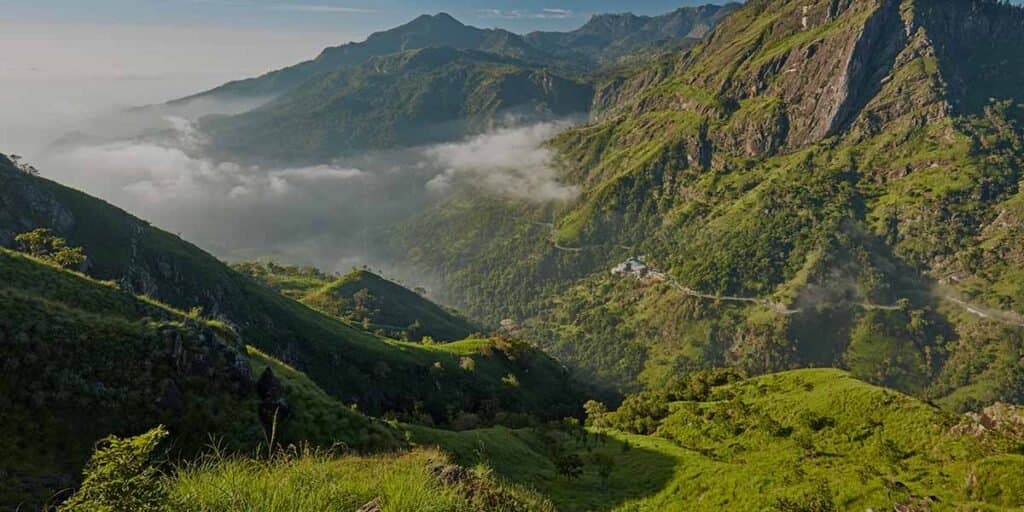
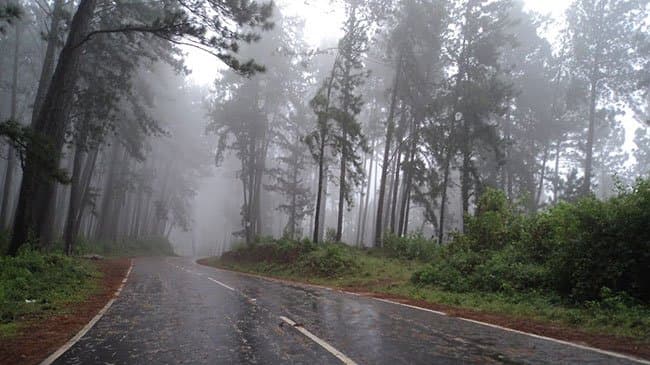
Travelling to Diyatalawa is not about grand hotels or glamorous attractions. The charm lies in the silence — the mist rolling over a century-old roof, the chirping of birds at dawn, the stillness of pine forests, and the cold breeze that whispers through abandoned verandas.
Exploring colonial bungalows here is an invitation to slow down.
You Don’t Tour Them — You Discover Them
Most travellers stumble upon these homes while driving or hiking. The lack of signboards or tourist labels makes the experience feel more personal.
Photography Potential
The moss-covered walls, cracked window frames, forgotten chimneys, and antique architecture provide stunning backdrops — especially in morning mist or golden-hour light.
A Sense of Preservation
Because they haven’t been turned into mainstream tourist spots, many retain their authenticity. Peeling paint, creaking floors, and old stone walls are part of their charm, not flaws.
A Glimpse into Daily Colonial Life
Walking past one of these bungalows gives you an almost cinematic imagination of life in the hills during the British era:
- Officers returning from long days of drills
- Families sitting by the fireplace in the evenings
- Gardeners tending roses under the cold sun
- The smell of pine resin mixing with morning tea
These homes are physical memories — remnants of a lifestyle woven deeply into Sri Lanka’s up-country history.
The Future of Diyatalawa’s Colonial Bungalows
The question now is preservation. Many bungalows are still structurally strong, but several face slow decay due to neglect, moisture, and lack of funding for restoration.
A few key directions for the future include:
1. Conservation Projects
Architectural conservationists see enormous potential in restoring these buildings. They offer insight into a rural colonial lifestyle rarely documented elsewhere.
2. Heritage Tourism (Done Carefully)
Diyatalawa could one day attract heritage travellers looking for quiet, historically rich stays — but only if handled responsibly without harming the ecosystem or authenticity.
3. Community-Based Restoration
Working with local residents could ensure long-term preservation and sustainable tourism benefits.
Why These Bungalows Matter
In a country where colonial architecture is often linked to busy city buildings or famous hill-station hotels, Diyatalawa’s bungalows provide a refreshing perspective. They are quiet, unpolished, uncommercialised, and deeply atmospheric.
They remind us that history is not always found in museums — sometimes, it sits at the edge of a misty hillside, with cracked walls and a fireplace that hasn’t been lit in decades.
These homes deserve recognition not just for their beauty, but for the forgotten narratives they carry.
Final Thoughts
The unexplored colonial bungalows of Diyatalawa are more than architectural relics. They are chapters of Sri Lanka’s layered past, standing quietly in the cool wind, waiting for curious travellers to notice them.
If you’re searching for a journey that blends history, nature, photography, and a sense of discovery, Diyatalawa is still one of the island’s most underrated destinations. And somewhere behind the pine trees, an old bungalow waits to tell its story.