Wildlife After the Storm: How DITWA Affected Elephant Corridors and Bird Migration
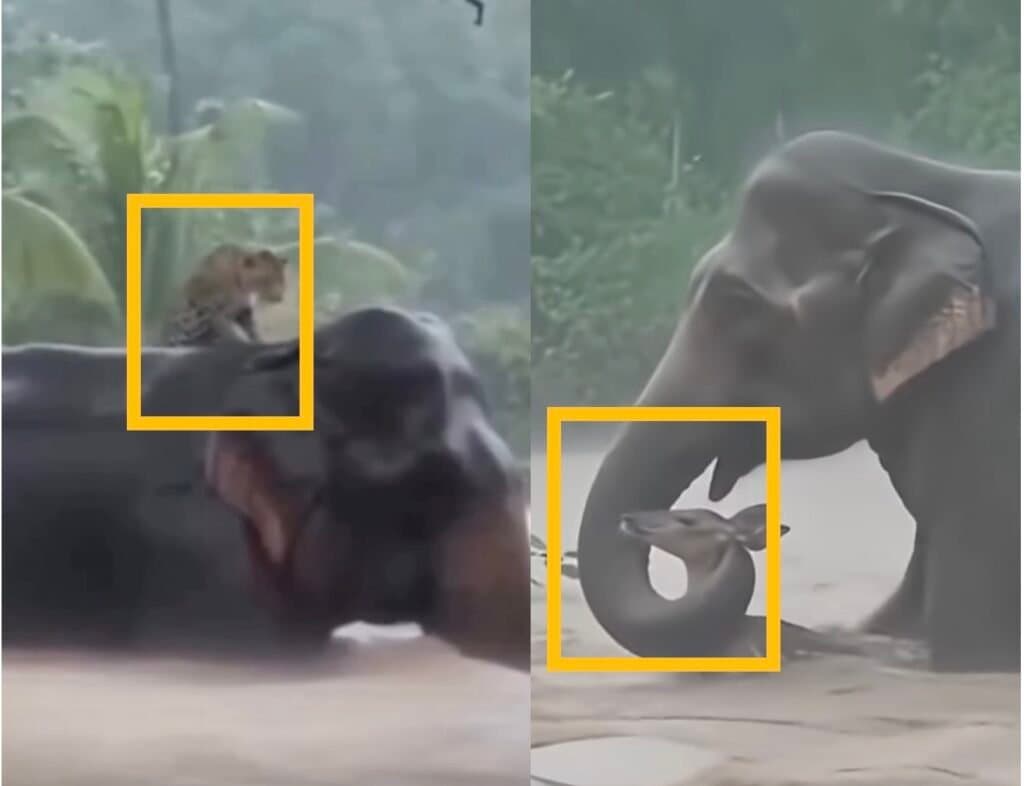
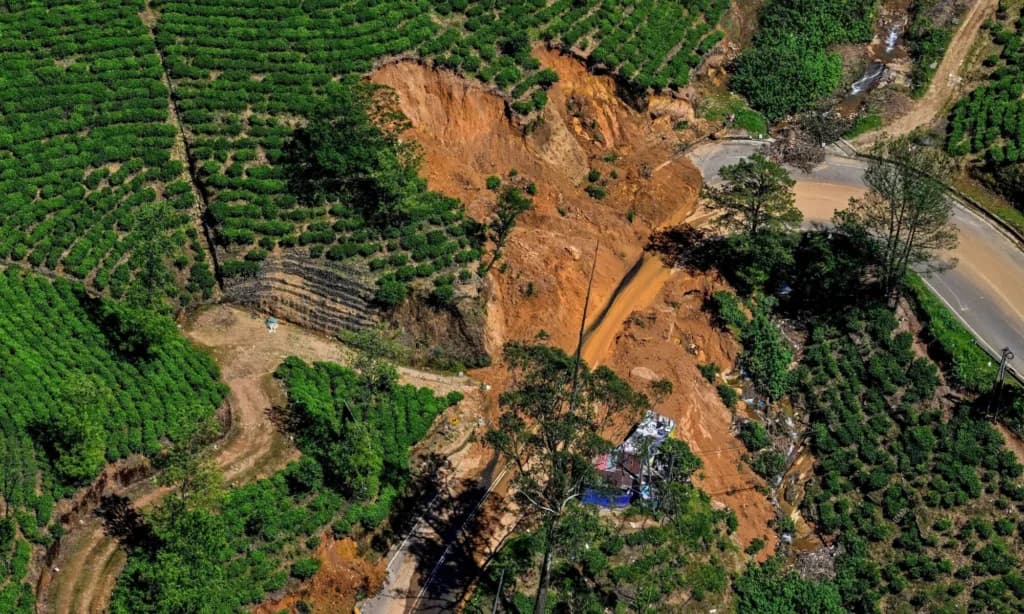
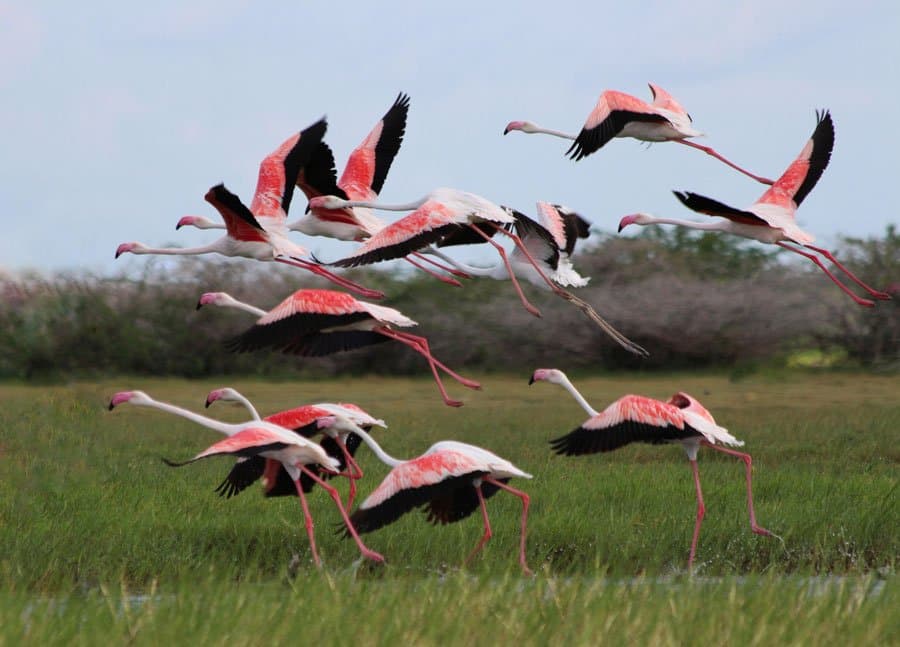
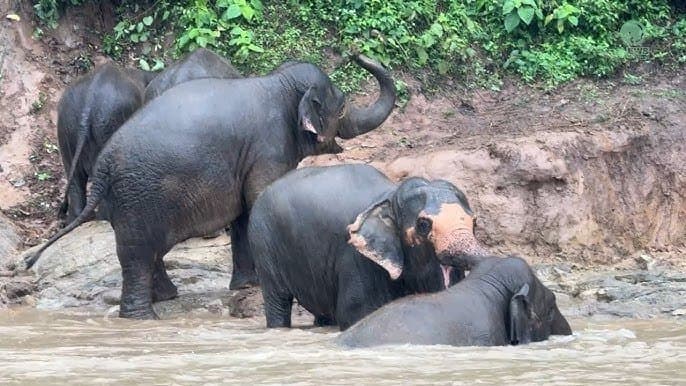
When the DITWA cyclone swept across Sri Lanka, its immediate human impact dominated headlines: displaced families, damaged homes, sudden floods, and disrupted transport. But parallel to the human story, a quieter drama unfolded across the forests, plains, and wetlands. Wildlife—especially elephants and migratory birds—felt the tremors of the storm in profound ways.
DITWA’s force reshaped familiar landscapes, altered food patterns, disturbed ancient movement routes, and temporarily rewired the delicate balance between animals and their habitats. This article examines how the cyclone affected elephant corridors and bird migration, what researchers have observed on the ground, and what Sri Lanka must learn for future conservation planning.
1. The Storm’s Footprint on Sri Lankan Ecosystems
Cyclones do not merely pass; they transform. DITWA struck during a season when many species were already in transitional behavioural cycles—elephant herds moving toward water-rich plains, and migratory birds descending on Sri Lanka’s wetlands from Central Asia, Siberia, and Northern India.
Key ecological disruptions caused by DITWA included:
- Sudden flooding of lowland forests and grasslands
- Damage to dry-zone vegetation, especially palu, weera, and kumbuk stands
- Collapse of canopy layers, altering shade, food, and shelter patterns
- Rapid shifts in water distribution, creating new pools while wiping out older watering holes
- Noise, pressure, and wind disturbances forcing wildlife to flee
For elephants, these changes altered the physical layout of their migratory corridors. For birds, particularly migrants, the storm disrupted timing, routes, and foraging behaviour.
2. Elephant Corridors Under Pressure: Ancient Paths Interrupted
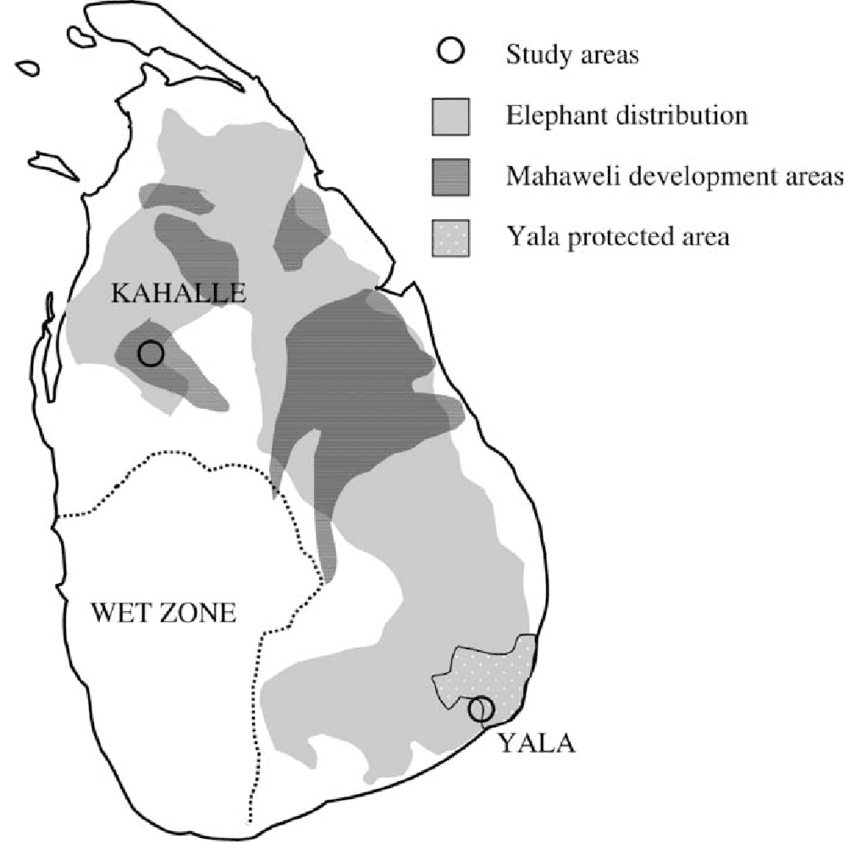
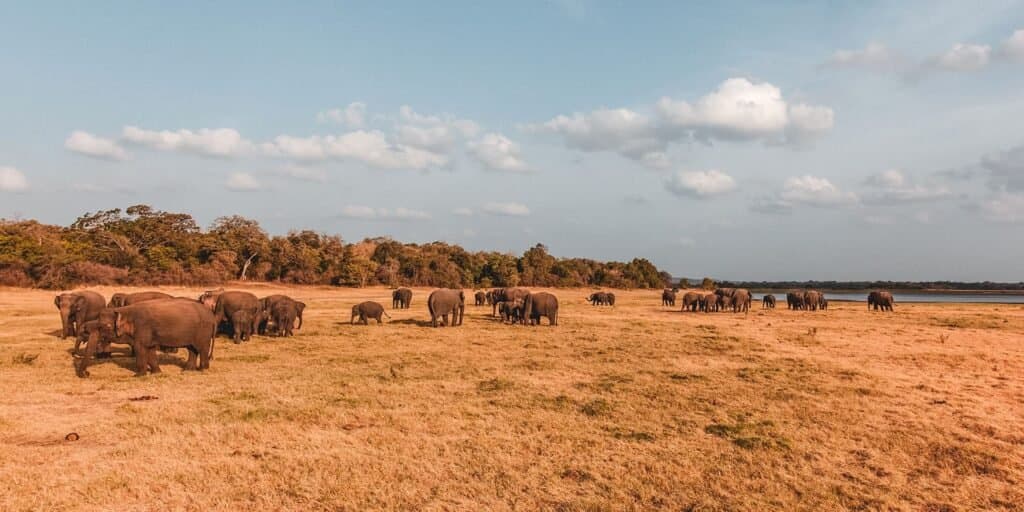
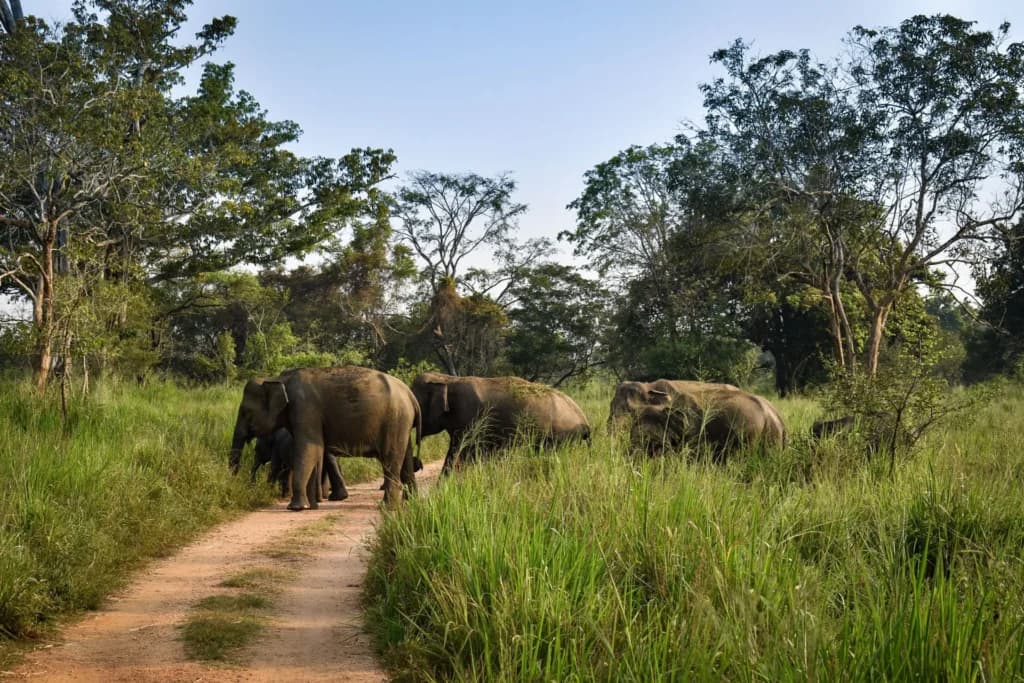
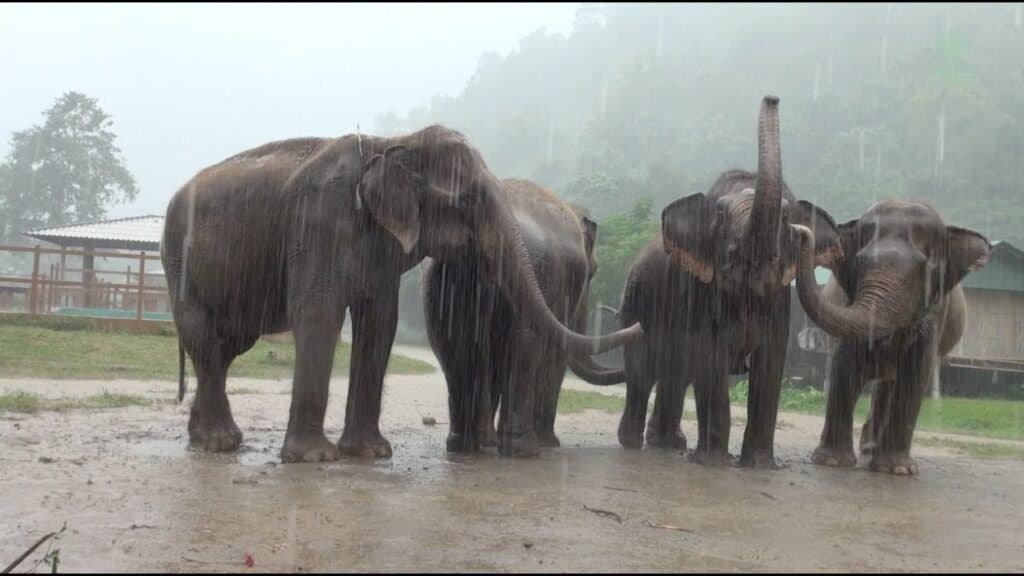
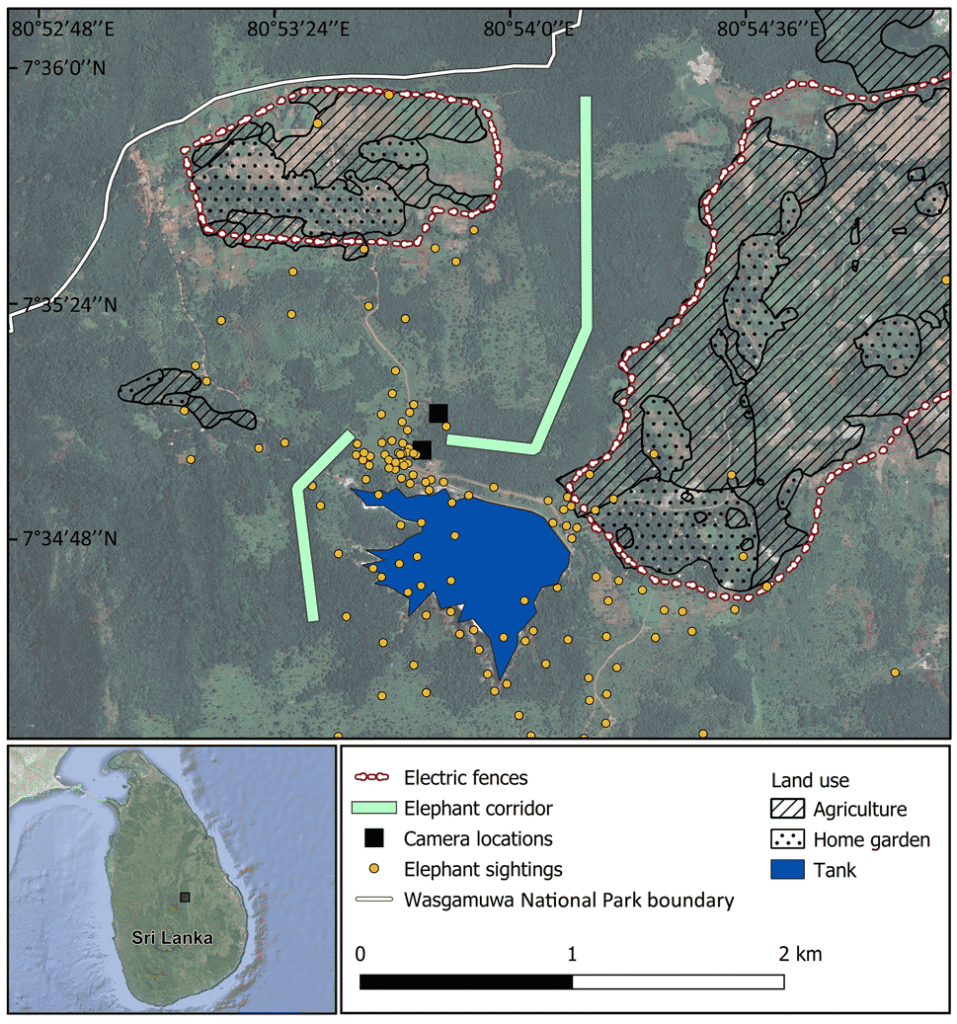
Sri Lanka’s elephant corridors are not arbitrary paths; they are thousands of years old. They connect feeding grounds, watering holes, and protected areas such as Minneriya, Kaudulla, Wasgamuwa, Ritigala, Somawathiya, and Gal Oya. These corridors are essential because elephants do not stay in one park—they move seasonally.
How DITWA disrupted these routes
- Flooded passageways
Several dry-zone corridors were temporarily submerged, especially around the Mahaweli floodplains. Elephants avoid deep water when travelling long distances, forcing herds to reroute. - Fallen trees blocking movement paths
Canopy collapse made formerly open routes dense and difficult for herds—especially matriarch-led groups with calves. - Loss of fodder along the way
Heavy winds stripped tender leaves and fruit, reducing food availability. In some regions, elephants extended their travel radius in search of alternative feeding grounds. - Increased human-elephant encounters
With natural routes blocked, elephants strayed closer to villages, chena cultivations, and reservoir embankments. Several districts reported higher-than-usual sightings immediately after the storm.
Temporary behavioural shifts
Researchers observed:
- Slower group movement due to calves struggling through muddy terrain.
- Night-time travel spikes—elephants avoided disturbed, noisy daytime surroundings.
- Use of rarely-used side corridors, revealing how flexible and intelligent elephants are when navigating sudden change.
These disruptions highlighted the fragility of Sri Lanka’s elephant corridor network, much of which is already under pressure from human development.
3. The Storm and the “Gathering”: Effects on Minneriya’s Iconic Elephant Season
The Minneriya “Gathering,” often described as one of the world’s largest seasonal elephant congregations, depends heavily on water levels and grass availability. DITWA arrived at a delicate moment.
- Sudden water level rises in the Minneriya Tank temporarily reduced the exposed grasslands elephants rely on.
- Groups that usually settle by early season arrived later and in smaller clusters.
- Some herds diverted toward Kaudulla and Hurulu Forest Reserve, redistributing movement patterns across the North Central Province.
These changes serve as a reminder that extreme weather events can alter one of Sri Lanka’s most iconic wildlife phenomena.
4. Bird Migration: When Storm Winds Redirect Flight Paths
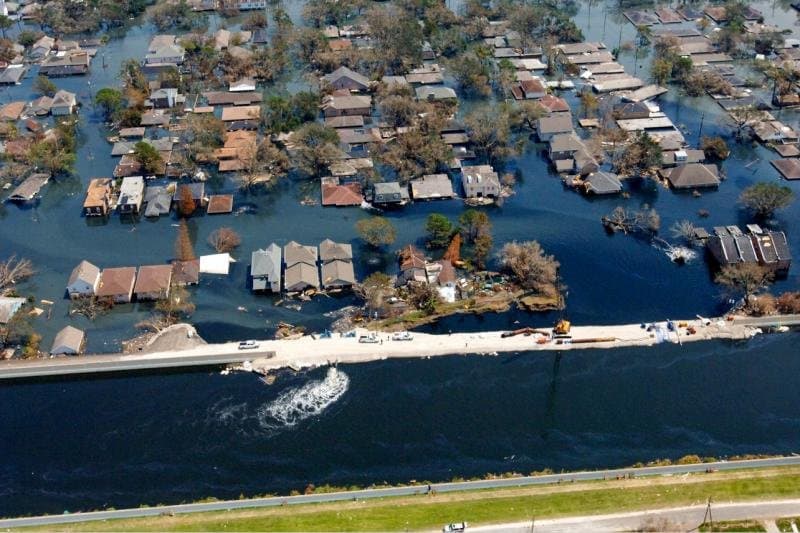
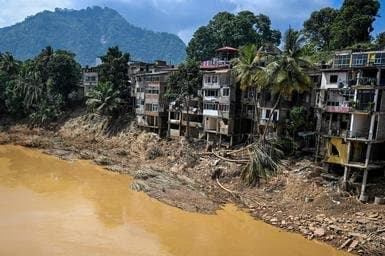
While elephants deal with the ground realities of a cyclone, migratory birds face challenges in the air. Sri Lanka lies along the Central Asian Flyway, receiving tens of thousands of winter migrants each year—sandpipers, plovers, stints, egrets, terns, and even raptors.
DITWA’s powerful winds and atmospheric pressure shifts had several consequences.
Disrupted arrival timings
Some species arrived later than expected, having paused their migration in India to avoid storm systems. Others arrived earlier, pushed southward by strong winds.
Altered flight routes
Satellite tracking studies indicate that storms can reroute birds hundreds of kilometres. Observers noted unusual clusters in:
- Mannar
- Jaffna lagoons
- Batticaloa wetlands
This suggests that DITWA nudged some flocks off their usual paths.
Wetland changes affecting food supply
Post-cyclone nutrient surges temporarily increased fish and invertebrate populations in some wetlands. But in other areas, excessive flooding diluted salinity, reducing the availability of prey for shorebirds.
Storm casualties
Extreme weather globally contributes to mid-migration mortality. Although Sri Lanka reported fewer documented cases, conservationists note that weakened birds arriving after such events require stable feeding grounds to recover.
Click on here “How Sri Lankan Churches Prepare for Christmas in a Post-DITWA Landscape”
5. Habitat Damage: Forests, Reservoirs, and Grasslands Rewritten
Cyclone winds reshape habitats long after clouds clear. DITWA affected:
1. Dry-zone forests
- Branch and trunk fall opened gaps in the canopy.
- Increased sunlight triggered rapid undergrowth.
- Some fruiting trees lost their flowers prematurely, reducing seasonal food.
2. Reservoir ecosystems
- Silt and debris changed water clarity.
- Floating vegetation mats were pushed into new areas, altering fish distribution.
- Shorelines temporarily shifted, affecting feeding sites for elephants and water birds.
3. Grasslands
Storm impact stimulated quick grass regrowth in some areas but stripped it bare in others. For grazing species—elephants, deer, and migratory waterfowl—these inconsistencies shaped movement patterns.
6. Human-Wildlife Conflict After the Cyclone
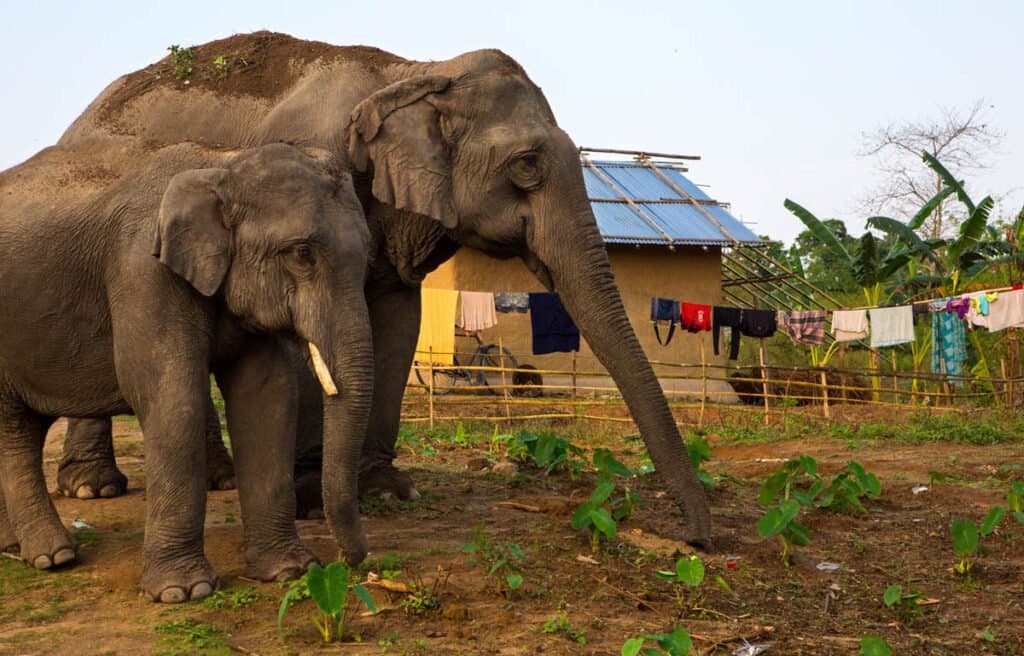
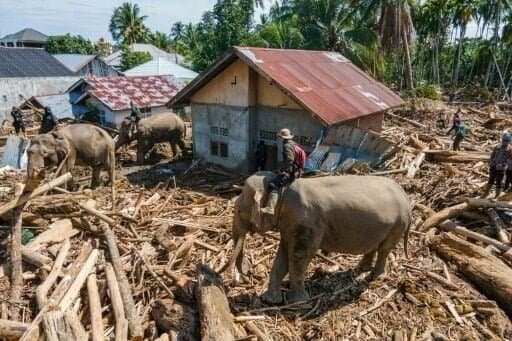
When wildlife loses access to regular food and routes, encounters with humans increase. DITWA triggered short-term spikes in:
- Crop raids
- Elephants wandering near tank bunds and village roads
- Birds feeding in newly flooded paddy fields
- Predators (like jackals) approaching villages in search of displaced prey
Communities already dealing with storm recovery now faced additional pressure from wildlife proximity. This underscores the need for integrated disaster–wildlife management planning.
7. Long-Term Ecological Lessons from DITWA
DITWA revealed vulnerabilities but also highlighted natural resilience.
Lessons for conservation:
- Elephant corridors require climate-resilient mapping
Corridors must be adapted to account for flooding zones, vegetation shifts, and altered landscapes. - Wetland management must anticipate extreme weather
Protecting Bundala, Kumana, Mannar, and other key wetlands ensures that migratory birds have recovery habitats after intense storms. - Data-driven wildlife movement tracking is essential
GPS-collared elephant studies and migratory bird tracking provide critical insights for preparing for future climate events. - Buffer zones around protected areas must be strengthened
Communities living near forests need reinforced mitigation strategies to reduce conflict post-disaster. - Storm-resilient reforestation
Replanting native tree species that withstand high winds helps stabilise ecosystems.
8. How Wildlife Recovers: The Natural Rebound After Extreme Weather
Nature’s resilience is remarkable. Within weeks of DITWA:
- Grasslands around Minneriya and Kaudulla began regenerating.
- Elephant groups resumed familiar movements, though with minor route adjustments.
- Wetlands refilled with life—small fish, crustaceans, and aquatic insects thriving in fresh nutrient flows.
- Migratory birds dispersed gradually into their preferred feeding grounds as conditions stabilised.
Sri Lanka’s ecosystems, shaped by centuries of monsoons and storms, recovered more quickly than expected. But the event served as a warning: future cyclones may be stronger and more frequent.
9. The Way Forward: Building Climate-Ready Conservation Strategies
DITWA is part of a broader pattern of climate-driven disturbances across South Asia. Sri Lanka must now integrate climate resilience into its wildlife management frameworks.
Priority areas include:
- Mapping alternative elephant corridors
- Strengthening anti-encroachment laws around protected areas
- Enhancing flood-resistant wetland restoration
- Expanding community-based conservation programmes
- Deploying rapid wildlife-response teams after storms
- Investing in continuous satellite and drone monitoring systems
The country cannot afford reactive conservation; it must shift to predictive and adaptive planning.
Conclusion
DITWA was more than a cyclone—it was a stress test for Sri Lanka’s wildlife systems. Elephant corridors, bird migration routes, and delicate ecosystems all felt its force. While nature has shown resilience, the storm illuminated weaknesses that demand urgent attention.
As climate change intensifies, Sri Lanka must rethink how it protects its wildlife. The stories of elephants rerouting their centuries-old paths and migrants adjusting their flight rhythm after the storm remind us that the survival of these species hinges on how well we adapt our conservation strategies.
The future of Sri Lanka’s wildlife depends not only on storms passed—but on how prepared we are for the next.