Year-End Birdwatching: Why December Is Peak Migration Season in Sri Lanka
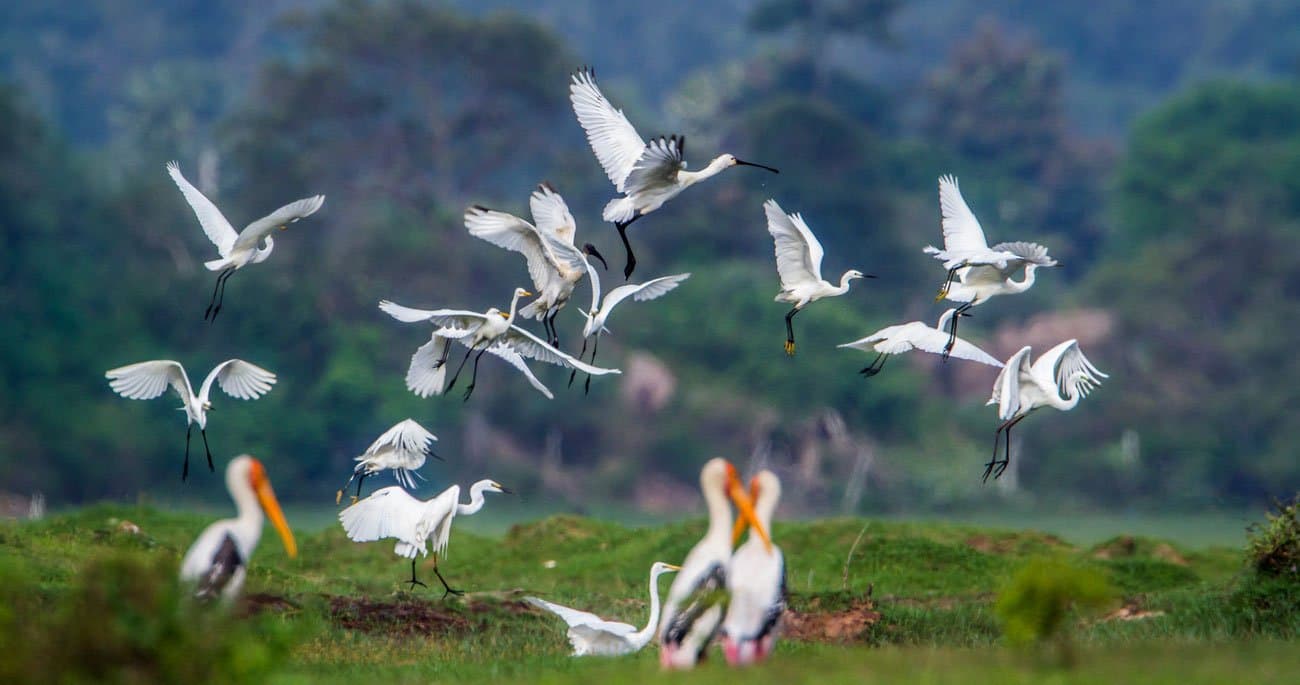
Sri Lanka is often described as a biodiversity hotspot, but for birdwatchers, December holds a special kind of magic. As the year winds down, the island becomes a temporary home to thousands of migratory birds escaping harsh northern winters. Wetlands fill with movement, forests echo with unfamiliar calls, and coastal lagoons transform into international rest stops for birds that have travelled thousands of kilometres.
December is not just another good month for birding in Sri Lanka. It is the peak of the migration season, offering the highest diversity, best visibility, and most stable conditions for both amateur nature lovers and serious ornithologists.
Sri Lanka’s Strategic Position on Global Migration Routes
Sri Lanka sits directly beneath the Central Asian Flyway, one of the world’s major bird migration corridors. Birds breeding in Siberia, Central Asia, Eastern Europe, and parts of the Himalayas migrate south to escape freezing winters, and Sri Lanka lies perfectly along this path.
Because the island is relatively small but ecologically diverse, migratory birds can find multiple habitats within short distances—wetlands, dry zone scrub, rainforests, grasslands, tanks, estuaries, and coastal mudflats. This concentration makes Sri Lanka uniquely efficient for migratory birds and exceptionally rewarding for birdwatchers.
By December, migration is at full strength. Most long-distance migrants have completed their journeys, settled into feeding grounds, and established predictable daily patterns—ideal conditions for observation.
Why December Marks the Peak of Migration
Migration to Sri Lanka begins as early as August, but December represents the peak for several reasons.
First, northern winters are fully established by December. Birds that delayed migration are forced south by snow cover and frozen feeding grounds. Second, Sri Lanka’s weather stabilises after the inter-monsoonal rains. Skies are clearer, winds are calmer, and water levels in wetlands are optimal for feeding.
By December, birds are no longer in transit. They are actively feeding, resting, and adapting to local ecosystems. This means they stay longer in one place, increasing sightings and making identification easier.
For birdwatchers, December offers both diversity and predictability—two rare qualities in wildlife observation.
Weather Conditions That Favour Birdwatching
December brings some of the most birdwatcher-friendly weather in Sri Lanka. While the North-East Monsoon affects parts of the eastern and northern coasts, much of the island—particularly the dry zone and southern wetlands—experiences mild mornings and clear skies.
Early mornings are cool and calm, ideal for spotting birds at feeding grounds. Midday heat is manageable, and late afternoons often bring soft light that enhances visibility and photography.
Importantly, vegetation is neither too dense nor too dry. Water bodies retain enough depth to attract waders and waterfowl, while grasslands provide clear sightlines for raptors and ground birds.
Migratory Birds You Are Most Likely to See in December
December is the month when Sri Lanka hosts its widest range of migratory species.
Wetlands and lagoons come alive with flocks of waders such as sandpipers, plovers, godwits, and stilts. Ducks like garganey, northern pintail, and Eurasian wigeon are common sights in tanks and marshes.
Raptors are another highlight. Species such as the western marsh harrier, steppe eagle, booted eagle, and common kestrel arrive in significant numbers. Their soaring and hunting behaviour is especially visible during clear December skies.
Forest edges and gardens host migratory passerines including Indian blue robin, Asian brown flycatcher, forest wagtail, and Blyth’s reed warbler. These smaller birds add colour and movement to both protected areas and urban green spaces.
Wetlands: The Heart of December Birdwatching
Sri Lanka’s wetlands are the true stars of December birding.
Sites such as Bundala National Park, Kalametiya, Anawilundawa, Muthurajawela, and Mannar’s Vankalai Sanctuary become international bird hubs. Migratory birds rely on these wetlands for food-rich mudflats, shallow waters, and safe roosting sites.
December water levels are ideal—not too flooded to submerge feeding areas and not too dry to reduce prey availability. This balance allows birdwatchers to observe feeding behaviour up close, often with large mixed-species flocks.
These wetlands also attract resident birds, creating dense, diverse gatherings that showcase Sri Lanka’s role as both a permanent and seasonal avian home.
Forest Reserves and National Parks in December
While wetlands dominate migration narratives, Sri Lanka’s forests should not be overlooked in December.
Dry zone forests such as Wilpattu, Minneriya, Kaudulla, and Wasgamuwa host a blend of resident and migratory species. December’s cooler mornings encourage bird activity, with increased vocalisation and movement along forest edges.
In the hill country, places like Horton Plains and Hakgala Botanical Gardens attract high-altitude migrants escaping colder Himalayan regions. These areas offer a different birding experience—quieter, cooler, and often more intimate.
December is also breeding season for some resident birds, adding courtship displays and nest-building behaviour to the overall experience.
Urban and Home-Garden Birdwatching in December
One of the lesser-known joys of December birdwatching is how accessible it becomes.
Migratory birds do not restrict themselves to protected areas. Many species adapt easily to urban gardens, parks, and even hotel landscapes. Indian blue robins, flycatchers, and wagtails are frequently spotted in Colombo, Kandy, Galle, and suburban neighbourhoods.
This makes December an excellent entry point for beginners. A pair of binoculars and a quiet morning walk can yield impressive sightings without long travel or specialised equipment.
For families and casual nature lovers, this accessibility turns birdwatching into a shared seasonal activity rather than a niche pursuit.
Why December Is Ideal for Bird Photography
December’s light conditions are particularly favourable for bird photography. Morning light is soft and directional, reducing harsh shadows. Clear skies improve contrast and colour accuracy, especially for birds with subtle plumage differences.
Birds are also more cooperative in December. Since they are settled into feeding routines, photographers can anticipate movement patterns and wait patiently for optimal shots.
Wetland reflections, misty mornings, and active feeding scenes make December one of the most visually rewarding months for wildlife photography in Sri Lanka.
Conservation Awareness During Peak Migration
December’s abundance of migratory birds also highlights Sri Lanka’s responsibility as a host country.
Migratory birds depend on the island’s wetlands and forests for survival during winter months. Habitat loss, pollution, illegal hunting, and disturbance can have consequences that extend far beyond Sri Lanka’s borders.
Birdwatching in December is not just recreational. It becomes an opportunity to understand interconnected ecosystems and the importance of protecting seasonal habitats that support global biodiversity.
Responsible birding—keeping distance, avoiding disturbance, and respecting protected areas—is especially important during this peak period.
How to Plan a December Birdwatching Trip
Planning a birdwatching experience in December requires some basic preparation.
Early mornings are essential, as bird activity peaks shortly after sunrise. Light clothing, sun protection, and hydration are necessary even in cooler conditions. Binoculars are sufficient for most sightings, though spotting scopes enhance wetland experiences.
Local guides can significantly improve the experience. Their knowledge of seasonal movements, calls, and habitats allows visitors to see species they might otherwise miss.
December is also a popular travel month, so accommodation near birding hotspots should be booked early.
Why December Birdwatching Feels Different
Beyond numbers and species lists, December birdwatching carries a distinct atmosphere.
There is a sense of quiet abundance—birds feeding, resting, and coexisting in landscapes that feel temporarily shared with the wider world. The presence of migratory birds reminds observers that Sri Lanka is part of a much larger ecological story, one that crosses borders and continents.
For many birdwatchers, December outings become reflective experiences, blending nature observation with a deeper awareness of seasonal cycles and global connections.
Click on here “Christmas Among Sri Lanka’s Burgher Community: A Heritage of Dutch-Portuguese Legacy, Food, and Traditions”