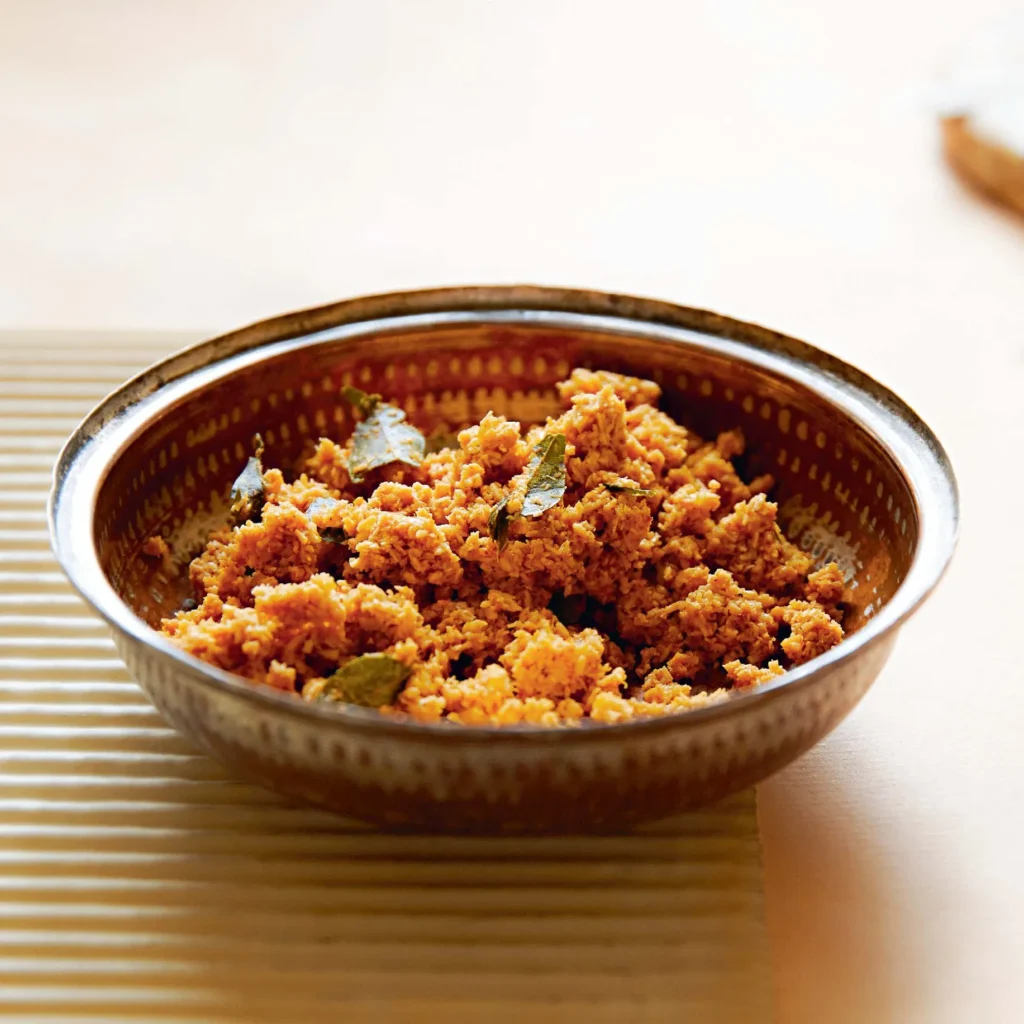
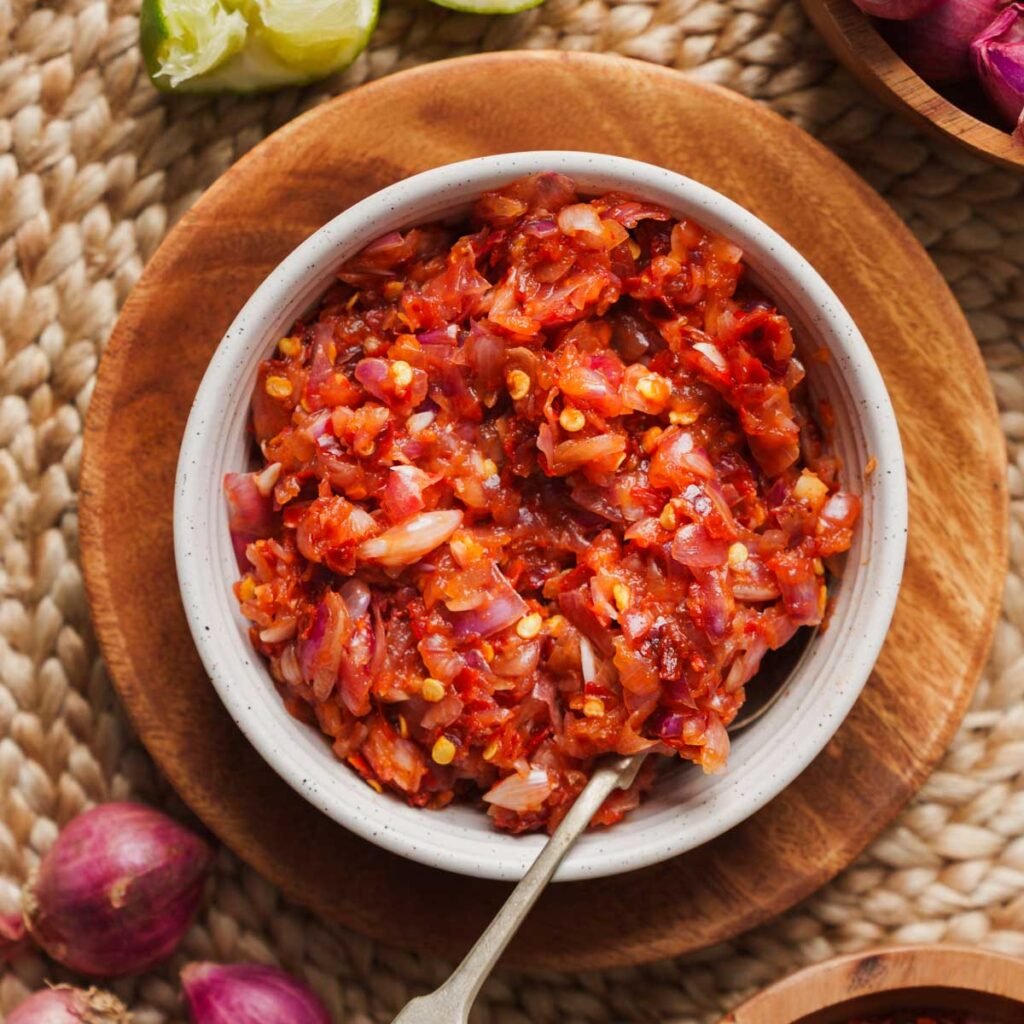
Pol sambol is one of Sri Lanka’s most beloved creations — a fiery, fragrant mix of grated coconut, chilli, onion, lime and salt. At first glance, it feels universal. Every household makes it. Every restaurant serves it. Yet travel across the island and you quickly discover that pol sambol is never just one thing. It shifts from coast to hill country, from north to deep south, shaped by climate, culture, ingredients, and even religious influence.
This is a culture-rich journey into how each region gives this humble sambol its own soul.
Why Pol Sambol Changes Across Regions
Coconut availability, chilli varieties, access to spices, and local food traditions shape how pol sambol evolves. Some areas like it wet and tangy. Others prefer it dry and smoky. Some grind it fine on a miris-gala, while others chop or crush for a coarse texture.
Understanding these differences reveals the diversity of Lankan food culture.
Colombo & Western Province: Balanced, Citrusy, Everyday Pol Sambol
Urban sambol tends to be practical, fast and balanced.
Colombo households often make a version that’s:
- Not too wet, not too dry
- Bright with lime juice
- Mild to medium heat
- Lightly seasoned
Urban kitchens often use a blender, resulting in a smoother texture. This is the classic sambol found at cafés, office canteens, and most “rice and curry” buffets. Western Province sambol pairs effortlessly with roast paan, kiribath, and string hoppers.
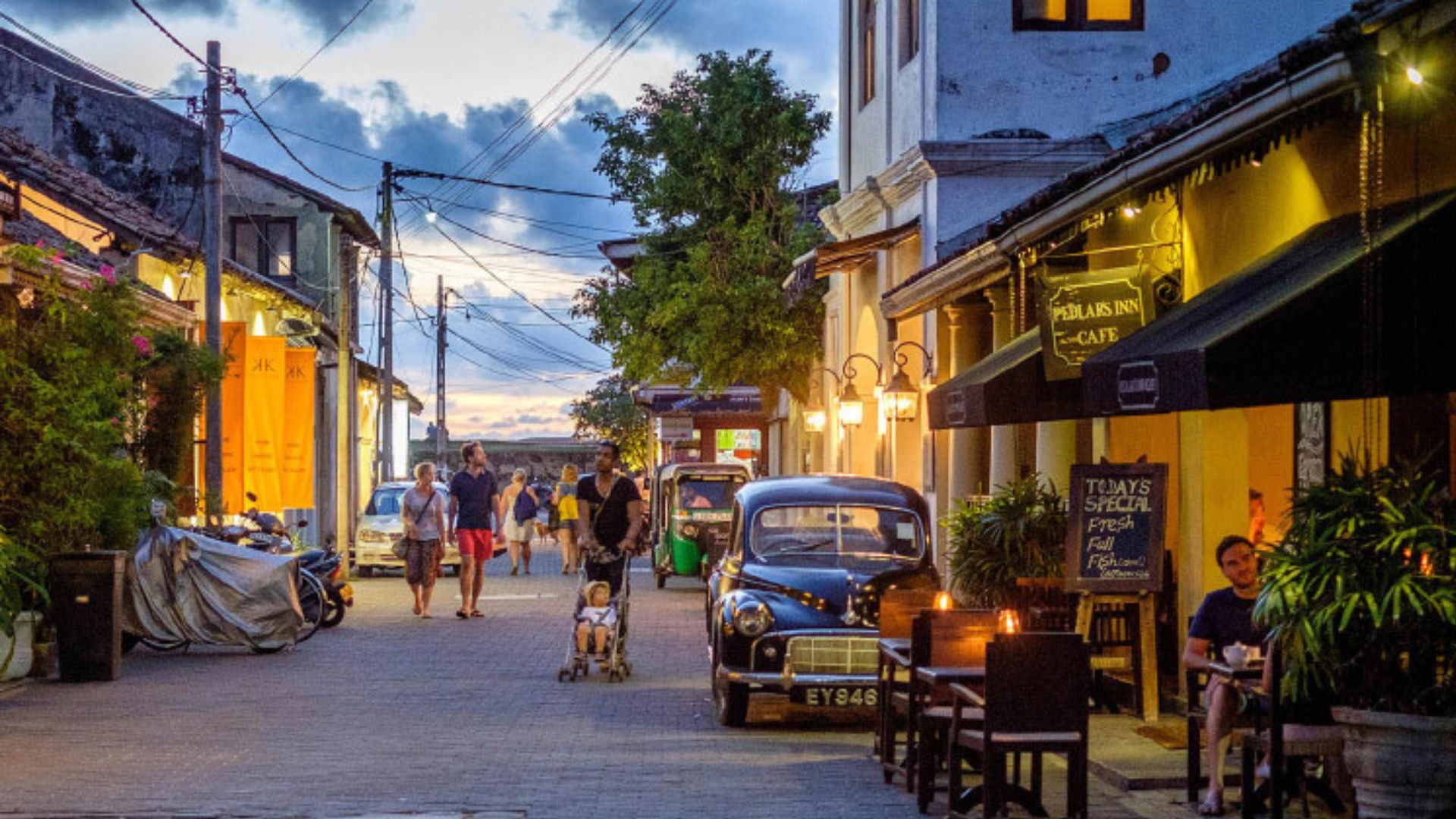
Southern Province (Galle, Matara, Hambantota): The Fiery, Ground-on-Stone Sambol
Down south, chilli is a point of pride.
The sambol here is famously:
- Spicier, using both dried and fresh chilli
- Deep red, thanks to Matara-style chilli flakes
- Rich in umami, sometimes with Maldives fish added
- Stone-ground, giving a dense, earthy texture
Galle homes often squeeze in more lime, giving a sharp zing. Matara sambol leans smoky. Hambantota sambol is dry and robust, reflecting the hot, arid climate.
This is the sambol that hits you with fire at first bite — the kind that makes hot hoppers even hotter.
Central Province (Kandy, Matale, Nuwara Eliya): Mild, Herbal, Hill Country Style
Cool climate, milder palates, and historical Buddhist influence shape Kandyan sambol.
Typical features include:
- Less chilli, more onion and lime
- A softer, slightly moist texture
- Occasional use of fresh green chilli instead of flakes
- Sometimes a faint sweetness from coconut varieties grown in the hills
In communities around Matale, turmeric or a pinch of roasted curry powder occasionally sneaks into sambol — not traditional, but a regional quirk.
Hill country sambol feels gentler, perfect with warm kiri bath on a misty morning.
Northern Province (Jaffna): Bold, Smoky, and Spiced
Jaffna pol sambol stands apart.
Here, sambol can sometimes include:
- A touch of roasted curry powder
- More onion, finely chopped
- Lime used lightly or replaced by vinegar in some households
- A slightly smoked aroma from sun-dried chillies
- Texture that is coarse, hand-mixed rather than ground
Some Tamil households even add a hint of garlic, giving the sambol a deeper, savoury profile.
Served with idiyappam, dosai, or parotta, Jaffna-style sambol is robust and confident.
Eastern Province (Batticaloa, Trincomalee, Ampara): Bright, Fresh, and Seafood-Friendly
Eastern sambol reflects the coast’s abundance of lime, chilli, and fish.
It is typically:
- Very citrus-forward
- Wet in texture
- Mixed with tiny crushed Maldive fish flakes
- Loaded with fresh red chilli rather than flakes
Batticaloa sambol in particular is known for being juicy and vibrant. When eaten with pittu and fresh fish curry, the combination is unmistakably Eastern.
Sabaragamuwa (Ratnapura, Kegalle): Rich, Textured, and Slightly Earthy
This region, known for gems and lush forests, produces sambol that mirrors its earthy character.
Key traits include:
- Dry-roasted coconut mixed with fresh coconut
- A grainy, hearty texture
- Moderate chilli
- Sometimes a small pinch of black pepper
Families in Ratnapura often crush the ingredients slowly on a stone slab, creating a rounded, full-bodied flavour.
North Western Province (Kurunegala, Puttalam): The Coconut Heartland’s Signature Sambol
Kurunegala is coconut country. Freshness is guaranteed.
Their sambol stands out for:
- Extremely fresh, juicy coconut
- Clean, bright flavours
- A balance of chilli and lime
- Occasional addition of green chilli slices
Puttalam’s Moor community sometimes mixes a tiny bit of oil or vinegar, creating a glossy finish. When paired with naan or roast paan, it’s a perfect match.
Uva Province (Badulla, Monaragala): Rustic, Simple, and Less Sour
Uva sambol tends to be minimalist.
Common traits:
- Less lime, sometimes none
- Coarser texture
- More reliance on dried chilli flakes
- Very light seasoning
It’s sambol made fast, often eaten with steamed manioc, kiri bath, or kurakkan roti. The result is a rustic, honest flavour that lets coconut shine.
North Central Province (Anuradhapura, Polonnaruwa): Dry, Heat-Resistant Sambol
Hot climate = sambol that keeps well.
You’ll find versions that are:
- Dryer so they don’t spoil
- Often fine-ground
- Made without Maldive fish due to heat sensitivity
- Chilli-heavy but lime-light
This is the sambol that soldiers, farmers, and pilgrims pack for long days. It stays fresh even when carried for hours.
The Muslim Influence: Vinegar, Oil, and Richer Notes
Across Sri Lanka, Moor households have unique sambol styles that transcend region.
Common signatures include:
- A dash of vinegar for tang
- A spoon of coconut oil for richness
- Very finely chopped onion
- Consistent heat but controlled acidity
This version pairs beautifully with naan, beef curry, and samosas.
How These Differences Keep the Island Connected
Despite the variations, one thing remains constant: pol sambol is a symbol of home. Whether fiery from Matara or gentle from Kandy, sambol travels through communities, marriages, migrations, and hotel menus — creating a network of flavours that remind Sri Lankans of who they are.
Food traditions are living stories. Pol sambol is one of Sri Lanka’s simplest stories, but also one of its richest — shaped by region, memory, identity, and the island’s remarkable diversity.
Click on here “British Botanical Experiments in Peradeniya and How They Shaped Sri Lankan Flora”