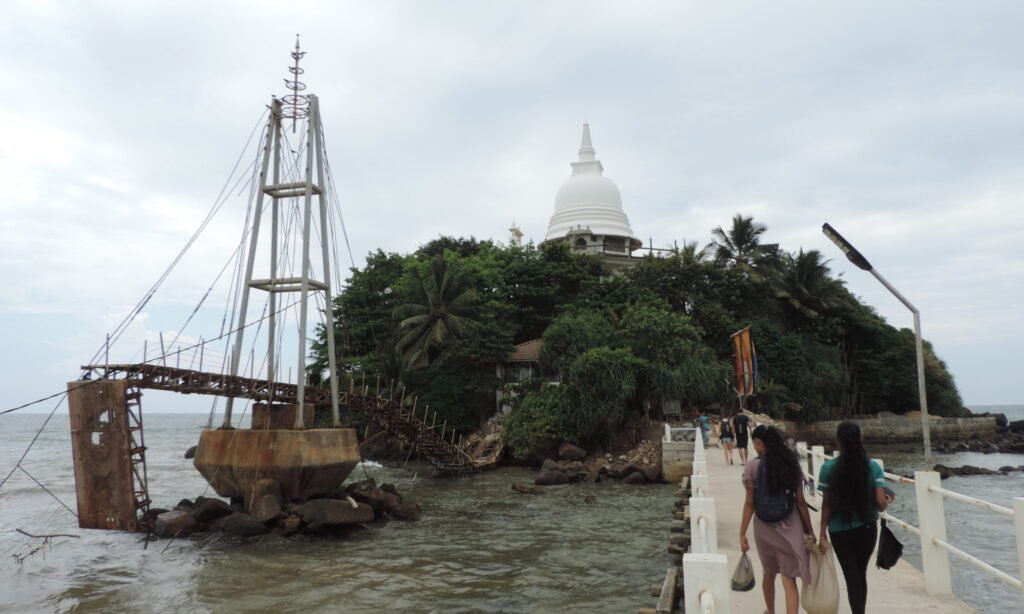
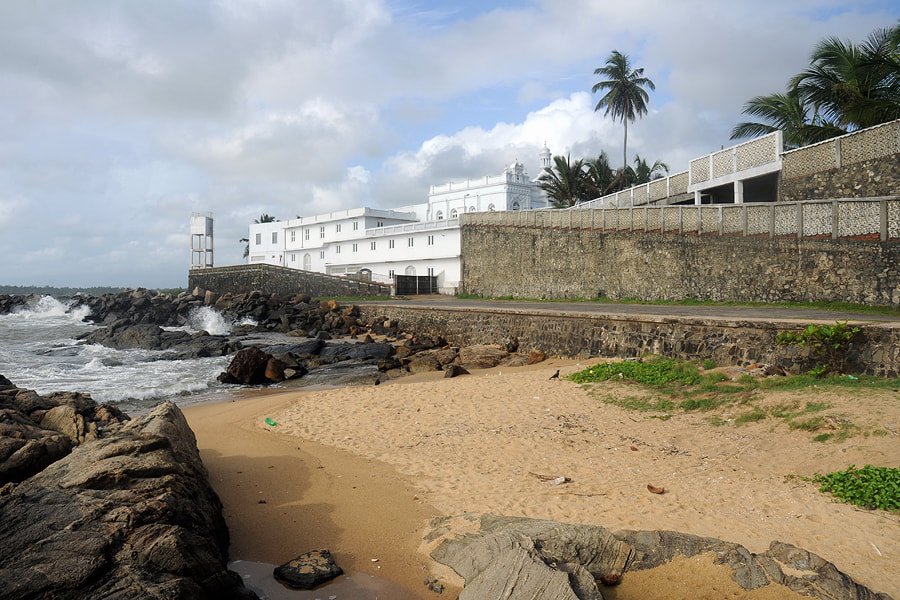
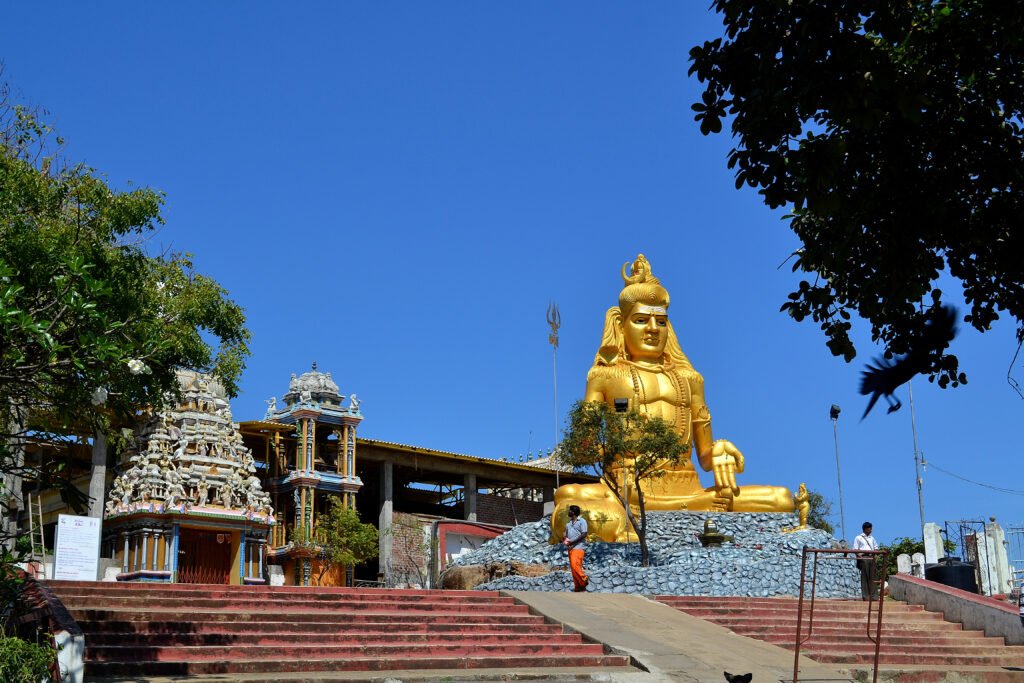
Sacred Spaces by the Sea: How Coastal Shrines Become Places of Hope After Natural Disasters | Along the world’s coastlines, where land meets an unpredictable sea, sacred spaces quietly stand as witnesses to human vulnerability and resilience. Temples, churches, kovils, mosques, and small roadside shrines near the ocean are more than architectural landmarks. After natural disasters—tsunamis, cyclones, floods, storm surges—they often transform into places of refuge, remembrance, and collective hope.
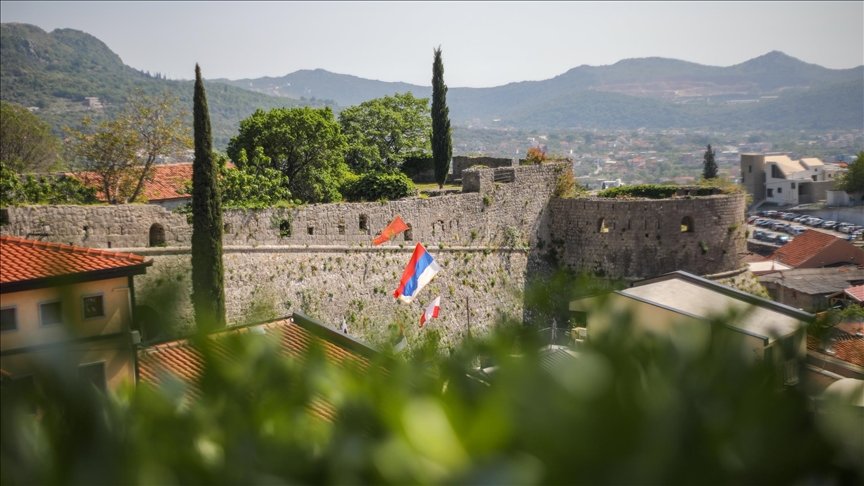
From Sri Lanka’s southern coast to the Pacific islands and the Bay of Bengal, coastal shrines carry a unique spiritual weight. They exist in places where destruction and beauty coexist, where faith is tested most fiercely, and where communities rebuild not only homes, but meaning.
The Sea as a Sacred and Dangerous Presence
For coastal communities, the sea is both provider and threat. It feeds families through fishing and trade, yet it can erase generations of life in minutes. This duality gives rise to a deep spiritual relationship with the ocean.
In many cultures, shrines by the sea are built as offerings of gratitude and protection. Fishermen light oil lamps before dawn. Families pray before launching boats. Bells, chants, and calls to prayer blend with the sound of waves. When disaster strikes, these same places become anchors—spiritually and emotionally.
The sea’s power makes faith tangible. It is not abstract theology, but lived belief shaped by daily risk.
After Disaster: Why People Return to Sacred Spaces First
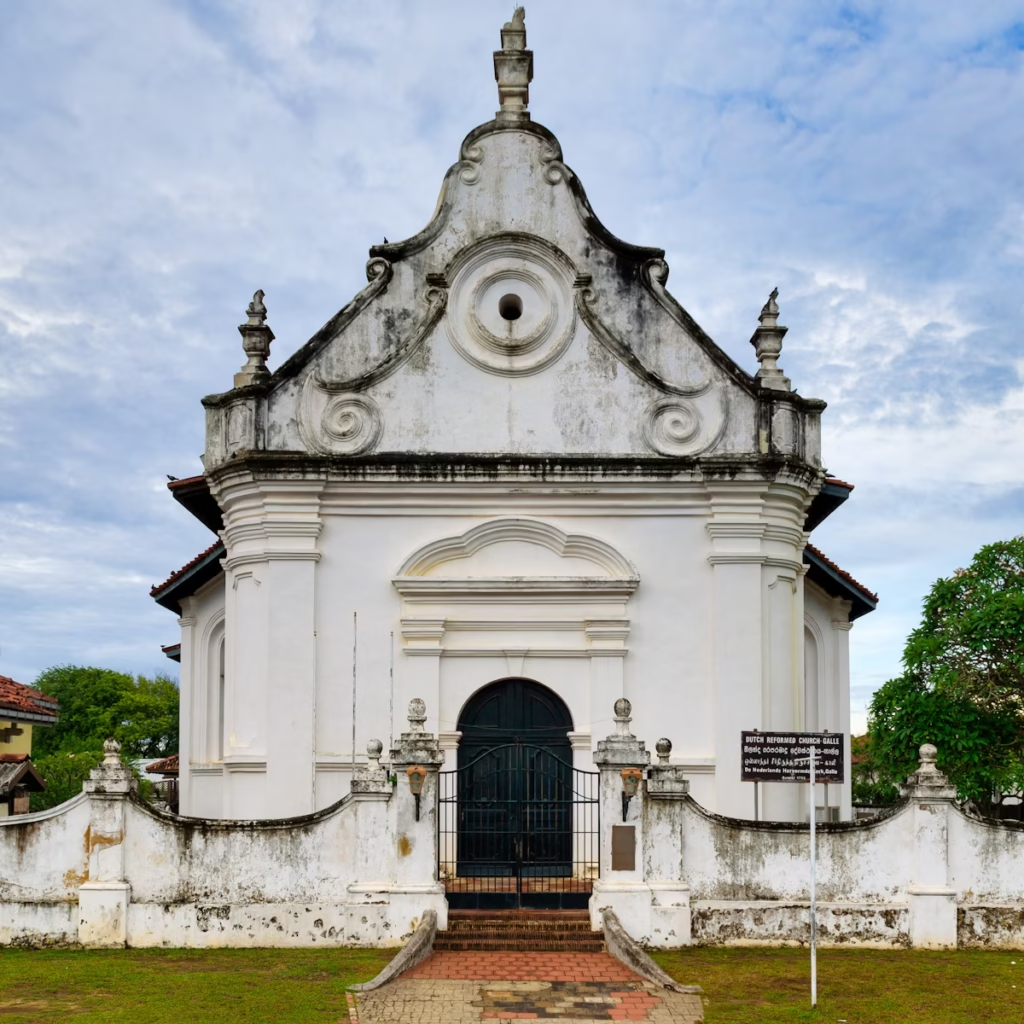
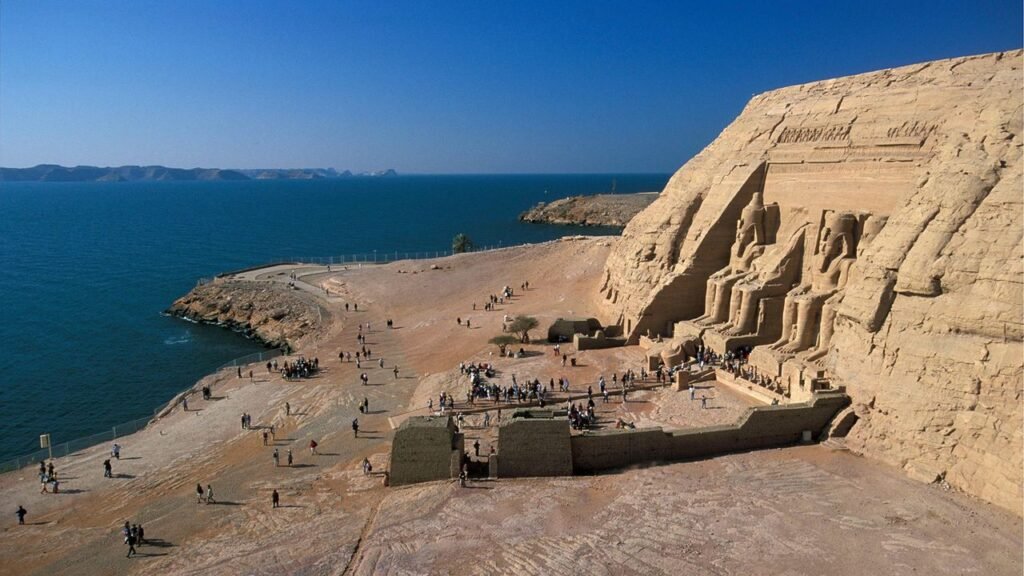
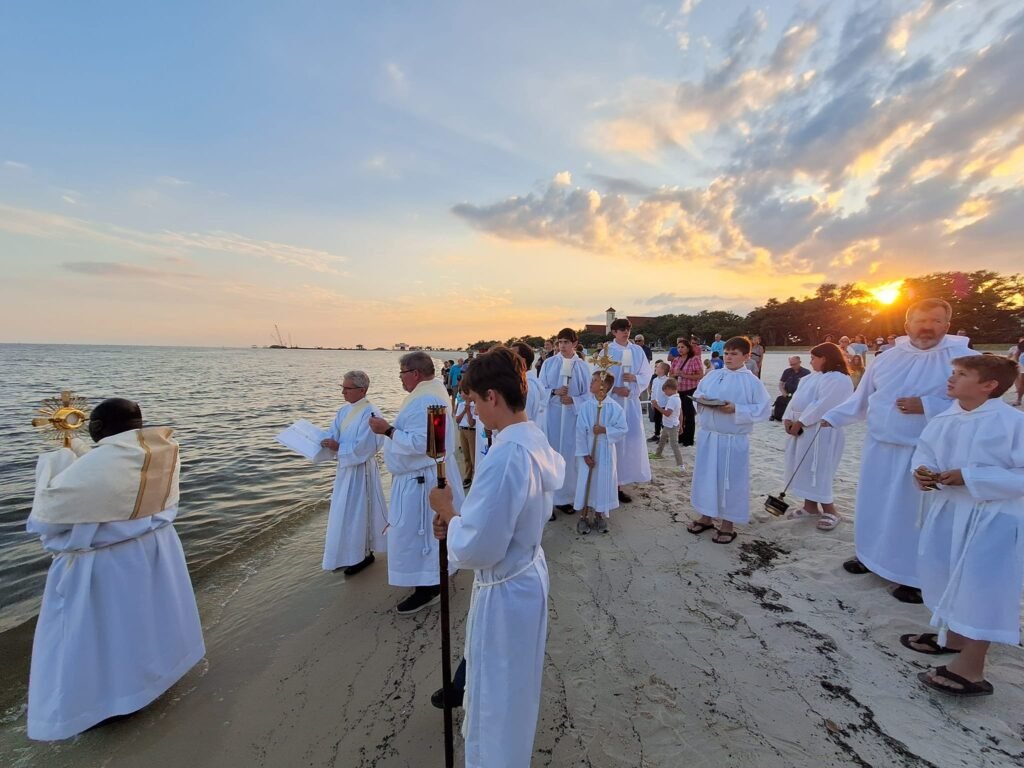
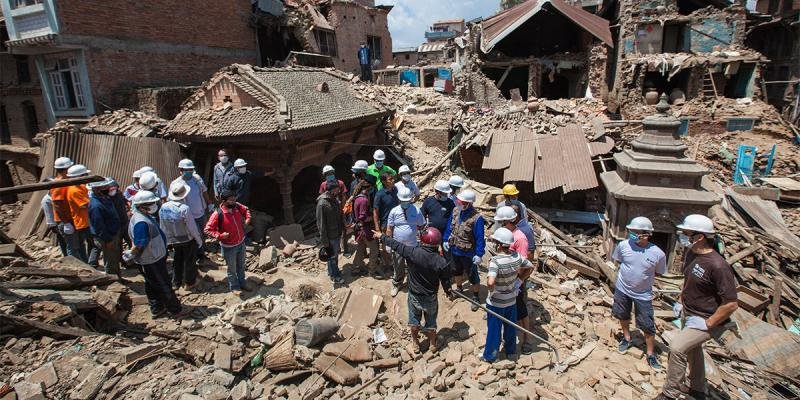
In the aftermath of a natural disaster, survivors often gravitate toward sacred spaces before rebuilding homes or businesses. This instinct is not accidental.
Sacred sites provide:
- Psychological safety in moments of shock
- A familiar structure when everything else feels broken
- A place to grieve collectively without explanation
- Language—through prayer and ritual—for emotions that feel unspeakable
After the 2004 Indian Ocean tsunami, many Sri Lankan coastal churches and temples became temporary shelters, food distribution centres, and counselling spaces. Even damaged shrines were cleaned first, sometimes before houses. Rebuilding the sacred was a way of restoring order to a shattered world.
Faith communities understand that survival alone is not enough; meaning must be restored too.
Shrines as Centres of Collective Memory
Coastal shrines often evolve into living memorials. Plaques bearing names of the lost, annual remembrance masses, poojas, or dua prayers become part of the site’s identity. These rituals ensure that grief is not forgotten or rushed.
Unlike formal monuments, shrines allow memory to remain active. A candle lit on an ordinary Tuesday, a flower offered quietly, a whispered prayer—these acts keep loss integrated into daily life rather than locked into one anniversary.
For children born after disasters, these spaces tell stories without textbooks. They learn what happened, who was lost, and how the community endured—through shared rituals rather than lectures.
Interfaith Solidarity Along the Coast
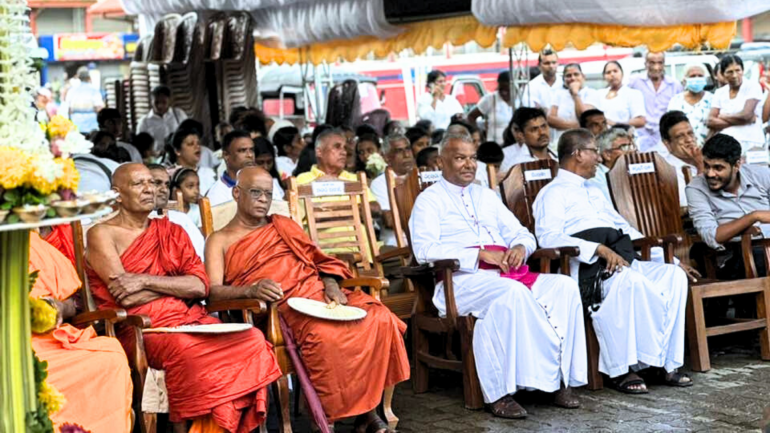
One of the most striking outcomes after coastal disasters is the blurring of religious boundaries. When devastation is total, identity shifts from “my faith” to “our survival.”
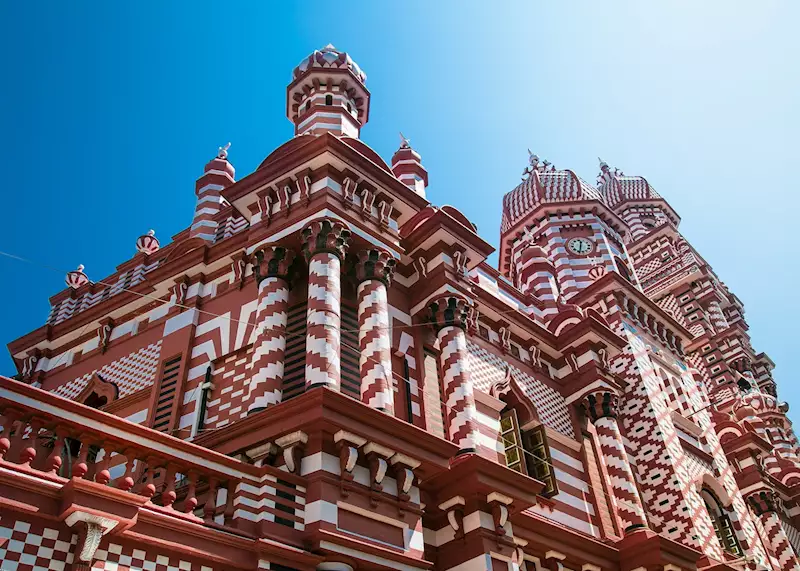
In many coastal villages, temples have hosted Christian prayer services, mosques have sheltered Hindu families, and churches have distributed food to all without distinction. Shrines become neutral ground—spaces of shared humanity rather than doctrine.
This interfaith cooperation often lasts beyond the emergency phase. It reshapes how communities understand spirituality: not as separation, but as service. Coastal shrines thus become quiet symbols of social cohesion in places where division could easily deepen after trauma.
Click on here “Sri Lanka’s Coastal Christmas Menu: From Seafood Curries to Forgotten Colonial Desserts”
Architecture That Reflects Resilience
Coastal sacred spaces are increasingly rebuilt with resilience in mind. Elevated foundations, open layouts, reinforced materials, and escape routes are incorporated into new designs. Yet symbolism is never lost.
Many rebuilt shrines intentionally face the sea—not in defiance, but in acknowledgment. This architectural choice reflects a cultural philosophy: the sea cannot be controlled, only respected.
Some shrines include open courtyards that allow wind and water to pass through, accepting nature rather than resisting it completely. These designs speak to a deeper wisdom—resilience is not rigidity, but adaptability.
The Role of Ritual in Healing Trauma
Ritual is one of humanity’s oldest tools for processing trauma. In coastal communities, rituals tied to shrines help survivors regain a sense of agency.
Lighting lamps, ringing bells, offering flowers, or reciting prayers creates rhythm when life feels chaotic. Repetition calms the nervous system. Collective participation reduces isolation.
Importantly, rituals do not demand explanation. One can grieve without words, stand in silence without pressure, or return repeatedly until pain softens. Sacred spaces offer permission to heal at one’s own pace.
Shrines as Points of Hope for the Future
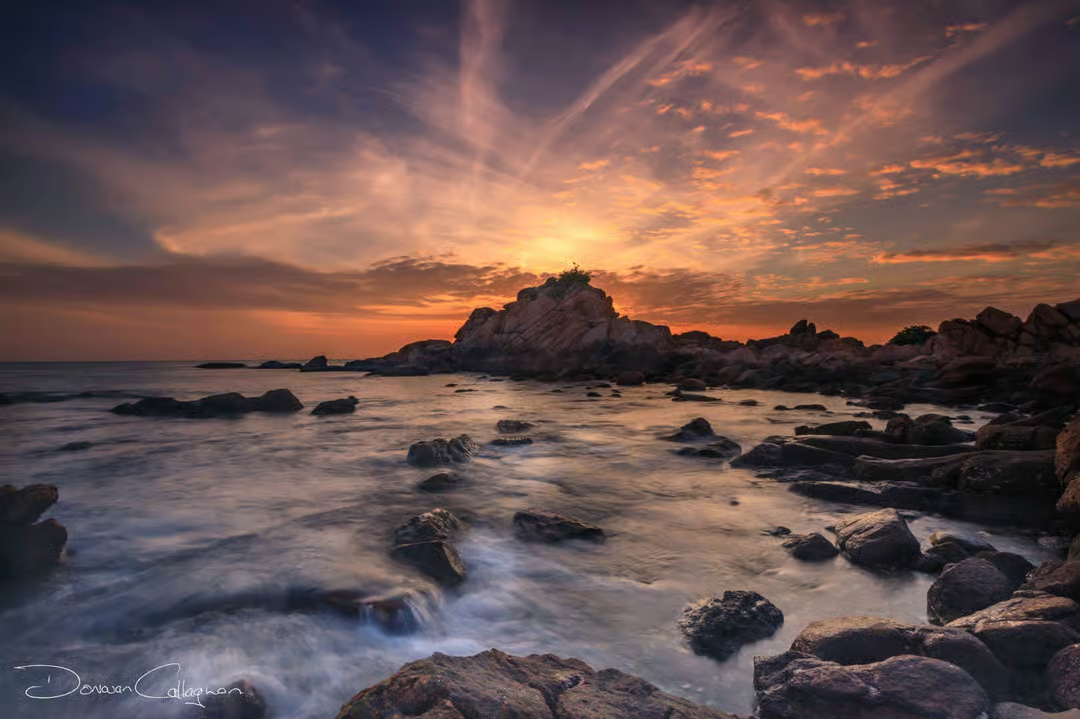
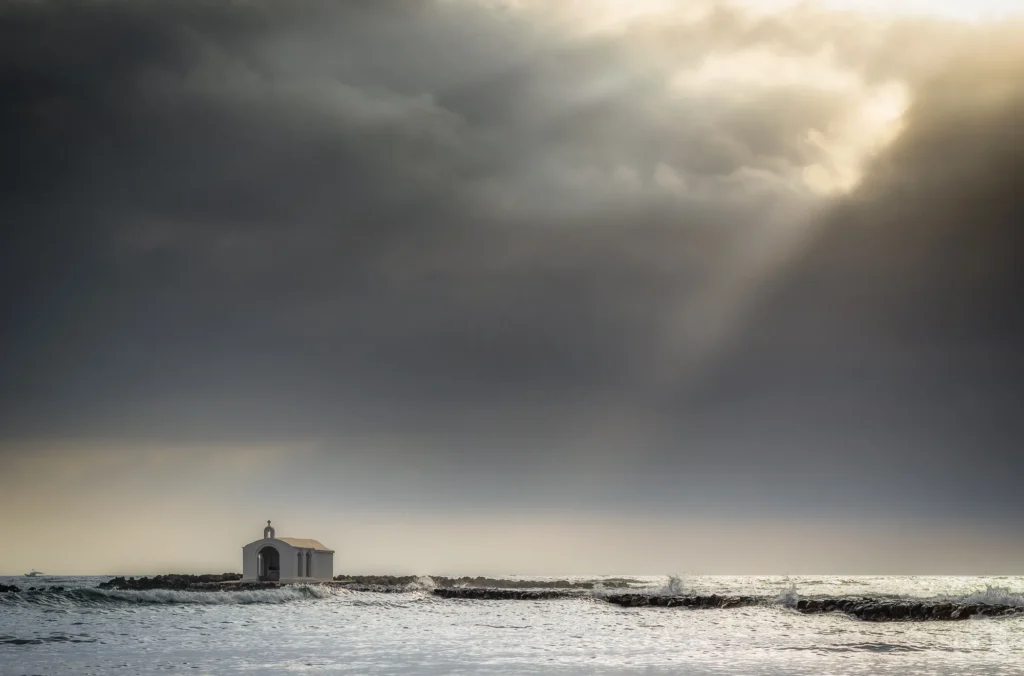
Beyond remembrance, coastal shrines also symbolise hope. Morning prayers resume. Festivals return. Children play nearby again. Life cautiously reclaims the shoreline.
For many communities, rebuilding a shrine marks a psychological turning point. It signals that while the past cannot be undone, the future is still worth believing in.
Hope here is not naïve optimism. It is earned hope—shaped by loss, grounded in reality, and sustained through faith and community.
Why These Spaces Matter More as Climate Risks Increase
As climate change intensifies storms and sea-level rise threatens coastlines, the role of sacred spaces will only grow. Governments and aid agencies focus on infrastructure, but emotional and spiritual resilience is equally critical.
Coastal shrines already function as:
- Emergency gathering points
- Informal communication hubs
- Centres for community leadership
- Anchors of cultural identity
Recognising their role does not require religious belief—only an understanding of how humans cope with uncertainty. In the face of future disasters, these spaces will continue to absorb grief, offer shelter, and inspire collective strength.
Conclusion: Faith Standing at the Water’s Edge
Coastal shrines exist at a powerful threshold—between land and sea, fear and faith, loss and hope. After natural disasters, they become more than religious sites. They are places where communities remember who they are, mourn who they lost, and decide to continue.
In a world increasingly shaped by environmental uncertainty, these sacred spaces remind us that resilience is not built only with concrete and steel, but with belief, ritual, and shared humanity—standing quietly, steadfastly, by the sea.